
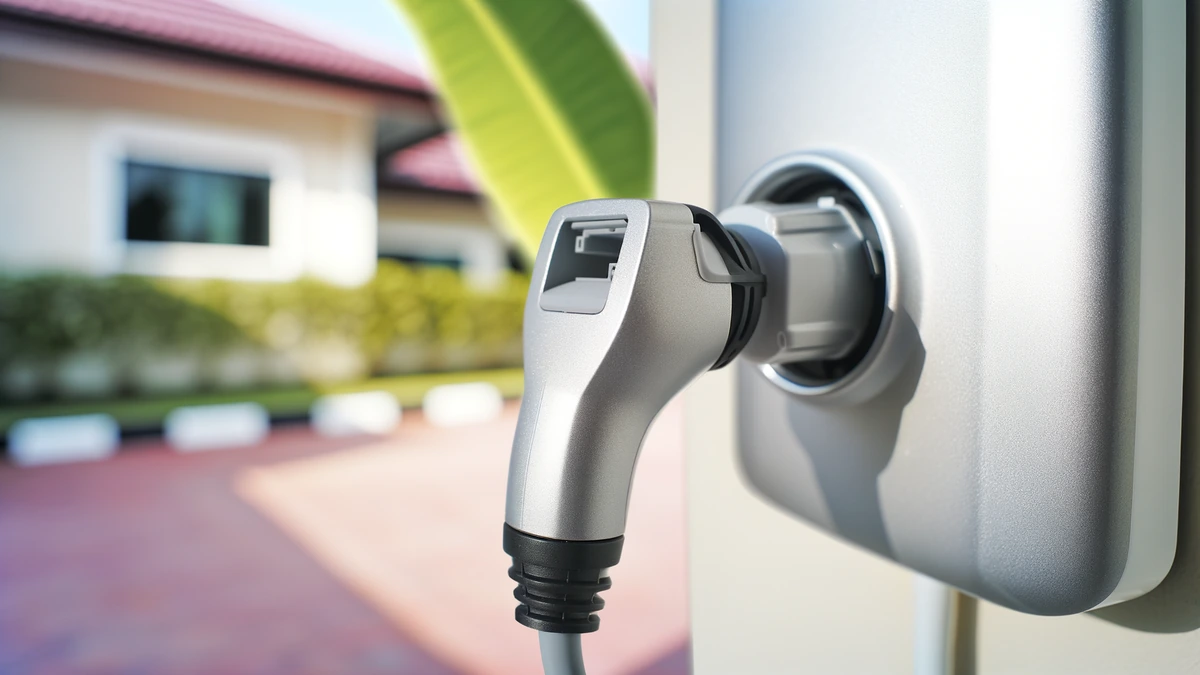
Type 2, 7kW or 22kW? The Complete Home EV Charger Buying Guide for Malaysians
Published: April 10, 2026 · By EV Sifu Editorial Team
Buying a home EV charger in Malaysia doesn’t have to be confusing — but it often is. With dozens of brands, two common power ratings, and installation costs that vary wildly, most new EV owners end up either overspending or under-buying.
This guide cuts through the noise. We’ve compared the top chargers available in Malaysia right now, priced everything in MYR, and answered the questions we get asked most. Whether you drive a BYD Atto 3, Proton eMAS 7, or Tesla Model 3 — there’s a home charger here for you.
Quick Comparison Table — Top Home EV Chargers Malaysia 2026
Here’s the at-a-glance view of the best home EV chargers available in Malaysia today. Prices shown include standard installation where applicable.
| Charger | Power | Connector | Smart / App | SIRIM Certified | Price (MYR, incl. install) | Best For |
|---|---|---|---|---|---|---|
| Energi Elite E1.1 7kW | 7kW | Type 2 | ✅ WiFi + App | ✅ | RM1,999–2,699 | Most Malaysian homes |
| ABB Terra AC 22kW | 22kW | Type 2 | ✅ App + Load Balance | ✅ | RM2,755–7,099 | 3-phase homes, fast top-up |
| Schneider EVlink 7kW | 7kW | Type 2 | ✅ | ✅ | ~RM 2,800 | Reliability-focused buyers |
| ABB Terra AC 7kW | 7kW | Type 2 | ✅ | ✅ | ~RM 3,200 | Premium brand preference |
| Juicebox 7kW | 7kW | Type 2 | ✅ App | Check supplier | ~RM 2,600 | App-first users |
| Tesla Wall Connector | Up to 11kW | Type 2 (Tesla) | ✅ | Check supplier | ~RM 2,200 | Tesla owners only |
Note: Installation costs vary by property type and wiring complexity. Prices above reflect standard KL/Selangor installations as of April 2026. Always request a site survey before committing.
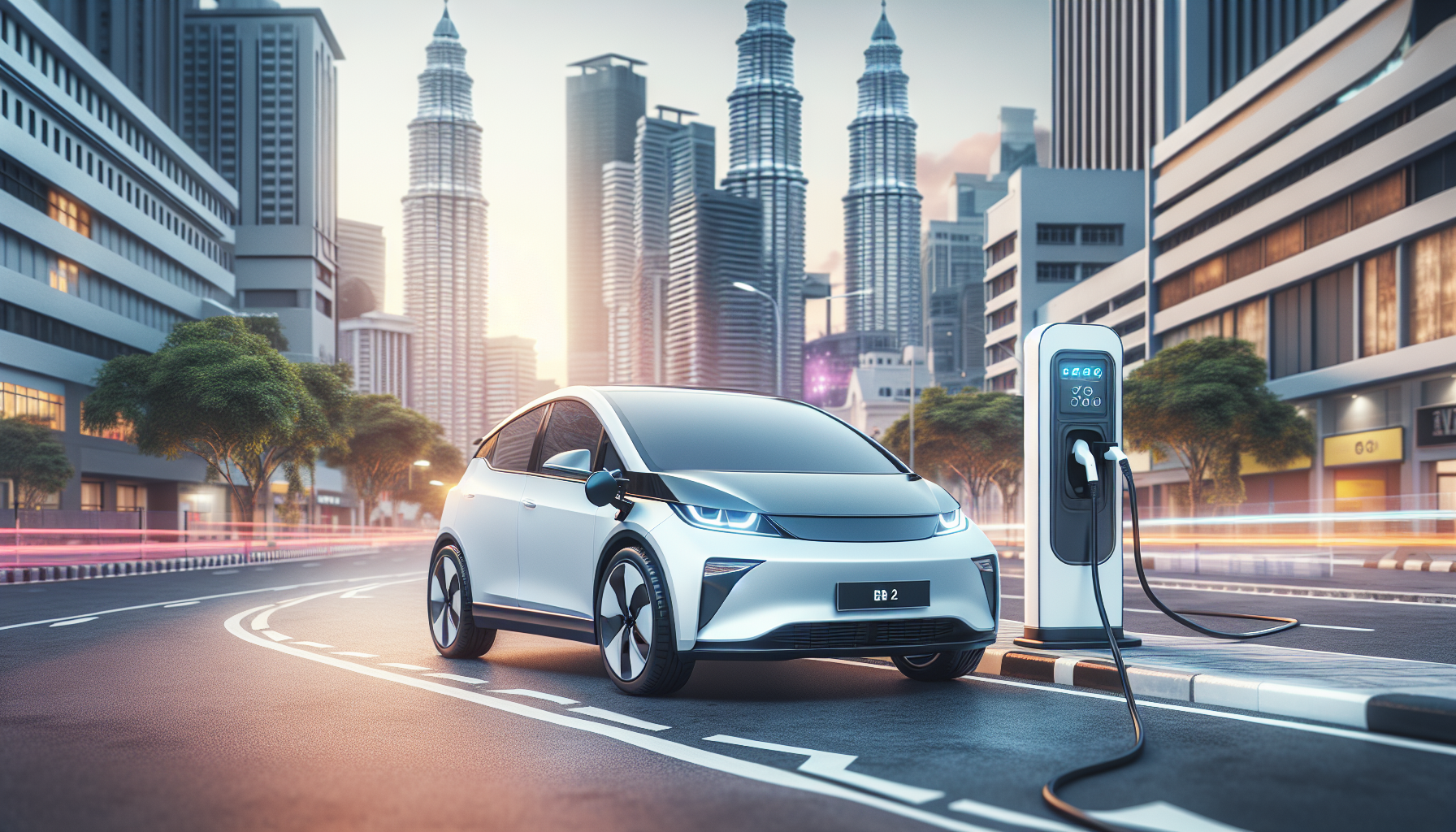
Do You Actually Need a Home EV Charger?
Short answer: Yes — if you drive more than 40km per day, a home charger is one of the best investments you’ll make as an EV owner. Relying solely on public charging in Malaysia is expensive, inconvenient, and increasingly busy during peak hours.
With a home charger, you plug in every night and wake up to a full battery — much like charging your phone. At Malaysia’s domestic TNB electricity rate (around RM 0.57/kWh for the first 200 kWh), charging at home is dramatically cheaper than petrol or public DC fast chargers.
If you live in a condo without dedicated parking, the situation is more complex — but not impossible. Many newer developments in KL and Selangor now support EV charging infrastructure. Check our full EV charger installation guide for Malaysia for strata and condo-specific advice.
7kW vs 22kW — Which Should You Choose?
For the vast majority of Malaysian homeowners, a 7kW charger is the right choice. Most landed homes in Malaysia have single-phase TNB supply, which caps out at around 7.4kW anyway — so a 22kW charger simply won’t run at full power without a 3-phase supply upgrade.
Here’s how the numbers look in practice. A typical 60kWh battery EV (think BYD Atto 3 or Proton eMAS 7) takes approximately 8–9 hours to charge from near-empty with a 7kW charger. With a 22kW charger on 3-phase supply, that drops to under 3 hours.
The 22kW option makes sense if: (1) you already have or plan to upgrade to 3-phase power, (2) you drive high daily mileage and need faster overnight top-ups, or (3) you’re running a small fleet or business property. Otherwise, save the money and go 7kW. To understand more about how charging speeds work, read our EV charging speed explained guide.
| Feature | 7kW Charger | 22kW Charger |
|---|---|---|
| Required supply | Single-phase (standard) | 3-phase (upgrade needed) |
| Charge time (60kWh) | ~8–9 hours | ~3 hours |
| Average installed cost | RM1,999–2,699–RM 3,200 | RM2,755–7,099+ |
| Suitable for | Most Malaysian homes | 3-phase homes, high mileage |
| Wiring complexity | Low–Medium | Medium–High |
Type 2 Charger Malaysia: What You Need to Know
Type 2 (IEC 62196-2) is the universal AC charging standard for EVs in Malaysia — and virtually every new EV sold here supports it. From the BYD Dolphin to the Smart #1 to the Tesla Model 3, they all accept Type 2 AC charging.
Type 2 uses a 7-pin connector and supports both single-phase and 3-phase power delivery. This makes it flexible — the same charger hardware can theoretically deliver 3.7kW, 7.4kW, or 22kW depending on the vehicle’s onboard charger and your home’s power supply.
Don’t confuse Type 2 AC with CCS2 DC fast charging — they look similar but are different. CCS2 is for public DC fast chargers like those you’d find at Gentari, ChargEV, or Tesla Supercharger stations. Your home charger will always be AC Type 2.
Mini-Reviews: Best Home EV Chargers in Malaysia
1. Energi Elite E1.1 7kW Home Charger — Best All-Rounder for Malaysian Homes
The Energi Elite E1.1 is our top pick for most Malaysian homeowners — it’s SIRIM-certified, WiFi-enabled, and comes fully installed at RM1,999–2,699. That price point undercuts most comparable imported brands while offering features you’d expect at a higher price.
The app lets you schedule charging during off-peak TNB hours, monitor energy consumption, and set charging limits. Being locally supported means faster warranty claims and an installer network across KL, Selangor, Johor, and Penang.
- ✅ SIRIM certified — meets Malaysian safety standards
- ✅ WiFi + app control with scheduling
- ✅ Competitive all-in price (RM1,999–2,699 installed)
- ✅ Local support and service network
- ❌ Newer brand — less international track record
- ❌ App features still maturing vs. global brands
Best for: Landed homes, first-time EV charger buyers, budget-conscious owners who don’t want to compromise on safety. 1 7kW home charger →
2. ABB Terra AC 22kW Home Charger — Best for 3-Phase Homes
If you have 3-phase power supply at home, the ABB Terra AC 22kW delivers genuinely fast overnight charging at a very strong price point of RM2,755–7,099 fully installed. Load balancing ensures the charger doesn’t trip your home’s main breaker during heavy usage.
The app control and OCPP compatibility also make this a smart choice if you’re future-proofing for multiple EVs in the household. It’s worth noting — always verify with your electrical contractor that your home supply can support 22kW before purchasing.
- ✅ True 22kW output on 3-phase supply
- ✅ Load balancing built-in
- ✅ OCPP compatible — future-proof
- ✅ Strong value vs. ABB or Schneider equivalents
- ❌ Requires 3-phase TNB supply (additional upgrade cost possible)
- ❌ Overkill if you only drive moderate daily mileage
Best for: Semi-D/bungalow owners with 3-phase power, high-mileage daily drivers, future multi-EV households. View the ABB Terra AC 22kW home charger →
3. Schneider EVlink 7kW — Best for Build Quality Purists
Schneider Electric’s EVlink range carries decades of industrial electrical credibility — and it shows in the build quality. At around RM 2,800 installed, it costs slightly more than the Energi Elite E1.1 7kW but offers a globally trusted pedigree that some buyers value highly.
The unit is IP54-rated for outdoor use, making it ideal if your parking area is exposed to rain. Smart charging features are solid, though the app experience isn’t as polished as some newer rivals.
- ✅ Globally trusted brand with long track record
- ✅ IP54 weatherproof — good for outdoor Malaysian conditions
- ✅ SIRIM certified locally
- ❌ Slightly higher price for equivalent features
- ❌ App experience feels dated
4. ABB Terra AC 7kW — Best Premium Option
ABB is one of the world’s largest EV charging infrastructure providers, and the Terra AC wallbox brings that enterprise-grade reliability to home use. At around RM 3,200 installed, it’s the priciest 7kW option here — but ABB’s service network and long-term reliability record justify the premium for some.
It features a clean, modern design that looks at home in upscale properties, and supports RFID card access — useful if you want to restrict charger use.
- ✅ Enterprise-grade reliability
- ✅ RFID access control
- ✅ Strong global service network
- ❌ Most expensive 7kW option reviewed here
- ❌ Premium may not be necessary for home use
5. Tesla Wall Connector — Best for Tesla Owners
If you drive a Tesla, the Tesla Wall Connector is a natural, optimised choice at around RM 2,200 — but it’s essentially only useful for Tesla vehicles. It integrates tightly with the Tesla app, supports automatic load sharing between two chargers, and is among the sleekest-looking wall units available.
Non-Tesla EV owners should look elsewhere — while Tesla has opened its connector standard in some markets, the Wall Connector remains primarily Tesla-optimised in Malaysia.
- ✅ Seamless Tesla app integration
- ✅ Competitive price point
- ✅ Load sharing between two units
- ❌ Primarily for Tesla vehicles only
- ❌ Limited appeal for non-Tesla EV owners
Full Pricing Table (MYR) — Home EV Chargers Malaysia 2026
All prices below are approximate as of April 2026 and include standard installation in the Klang Valley. Prices may vary based on wiring distance, circuit breaker upgrades, and property type.
| Charger Model | Power | Unit Price (est.) | Installation (est.) | Total (est.) |
|---|---|---|---|---|
| Energi Elite E1.1 7kW | 7kW | Bundled | Bundled | RM1,999–2,699 |
| ABB Terra AC 22kW | 22kW | Bundled | Bundled | RM2,755–7,099 |
| Schneider EVlink 7kW | 7kW | ~RM 2,200 | ~RM 600 | ~RM 2,800 |
| ABB Terra AC 7kW | 7kW | ~RM 2,600 | ~RM 600 | ~RM 3,200 |
| Juicebox 7kW | 7kW | ~RM 2,000 | ~RM 600 | ~RM 2,600 |
| Tesla Wall Connector | Up to 11kW | ~RM 1,600 | ~RM 600 | ~RM 2,200 |
Government rebate alert: Malaysian EV owners may be eligible for up to RM 2,500 in tax relief and a RM 3,000 rebate on home charger purchases. Read our guide on how to claim the EV charger subsidy Malaysia 2026 — it could significantly offset your purchase cost.
EV Charger Installation Malaysia — What to Expect
Installation is where many buyers get caught off-guard — the charger unit itself is only part of the total cost. Depending on your home’s wiring, you may need a dedicated circuit, longer cable runs, or even a new circuit breaker — all of which add to the bill.
For a standard landed home in KL or Selangor, expect installation to cost between RM 500 and RM 1,200 for a 7kW charger. Condos and apartments can be more complex due to strata regulations and the need to run cables from the main distribution board. A free site survey from EV Sifu is a smart first step — they’ll assess your home’s readiness and give you an accurate quote before you commit.
Key things your electrician or installer will check include: distance from your DB box to the parking spot, whether your current supply can handle the added load, and whether a dedicated RCBO (Residual Current Breaker with Overcurrent) is needed. For a full breakdown of costs, permits, and what to ask your installer, see our comprehensive EV charger installation Malaysia guide.
FAQ — Home EV Charger Malaysia 2026
Q1: What is the best home EV charger in Malaysia in 2026?
The best home EV charger for most Malaysians in 2026 is a SIRIM-certified 7kW Type 2 unit from a reputable brand — the Energi Elite E1.1 7kW at RM1,999–2,699 installed offers the best combination of price, features, and local support. For buyers who prioritise international brand heritage, the Schneider EVlink or ABB Terra AC are strong alternatives, albeit at a slightly higher price. The right choice ultimately depends on your budget, daily driving needs, and home electrical setup.
Q2: Can I install a home EV charger in a Malaysian condo or apartment?
Yes, it is possible to install a home EV charger in a Malaysian condo, but you’ll need approval from the Joint Management Body (JMB) or Management Corporation (MC) first. Under Malaysia’s Strata Management Act, residents have the right to apply for EV charger installation in their dedicated parking bays. The process typically involves submitting a formal application, getting an electrical assessment done, and using a licensed contractor. Some newer condos already have EV-ready infrastructure — check with your management office first.
Q3: How much does it cost to charge an EV at home in Malaysia?
Charging a typical 60kWh EV from empty to full at home in Malaysia costs approximately RM 25–RM 35, depending on your TNB tariff tier. The domestic electricity rate starts at around RM 0.57/kWh for the first 200kWh consumed per month. Most EV owners who charge overnight stay within the lower tariff bands, making home charging significantly cheaper than petrol or public DC fast chargers. For a full cost breakdown, read our article on how much it costs to charge an EV in Malaysia in 2026.
Q4: Do I need a 3-phase power supply for a 22kW home charger in Malaysia?
Yes — a 22kW AC charger requires a 3-phase power supply to operate at full capacity, which most standard Malaysian terrace houses do not have by default. Single-phase residential supply in Malaysia (the most common type) is limited to around 7.4kW, meaning a 22kW charger would only deliver 7kW of actual charging power without a 3-phase upgrade. Upgrading to 3-phase supply through TNB is possible but involves an application process and additional cost — typically starting from a few thousand ringgit. Get a site survey done before purchasing a 22kW charger.
Q5: Is there a government subsidy or tax relief for home EV charger installation in Malaysia?
Yes — as of 2026, Malaysian EV owners can claim up to RM 2,500 in personal income tax relief for EV charging equipment purchases, plus a RM 3,000 rebate under certain government programmes. These incentives apply to SIRIM-certified chargers purchased and installed by approved contractors. Eligibility conditions apply, so it’s important to keep receipts and use a registered installer. For full claim instructions, check our EV charger subsidy Malaysia 2026 guide.
Ready to get your home EV charger installed? Visit evsifu.com.my to browse SIRIM-certified home chargers, check pricing, and book a free site survey for your landed home or condo. Malaysia’s EV charging specialists — local support, fair prices, no jargon.
Also on evsifu.com: Should you buy an EV in Malaysia in 2026? — The honest guide for every budget.