
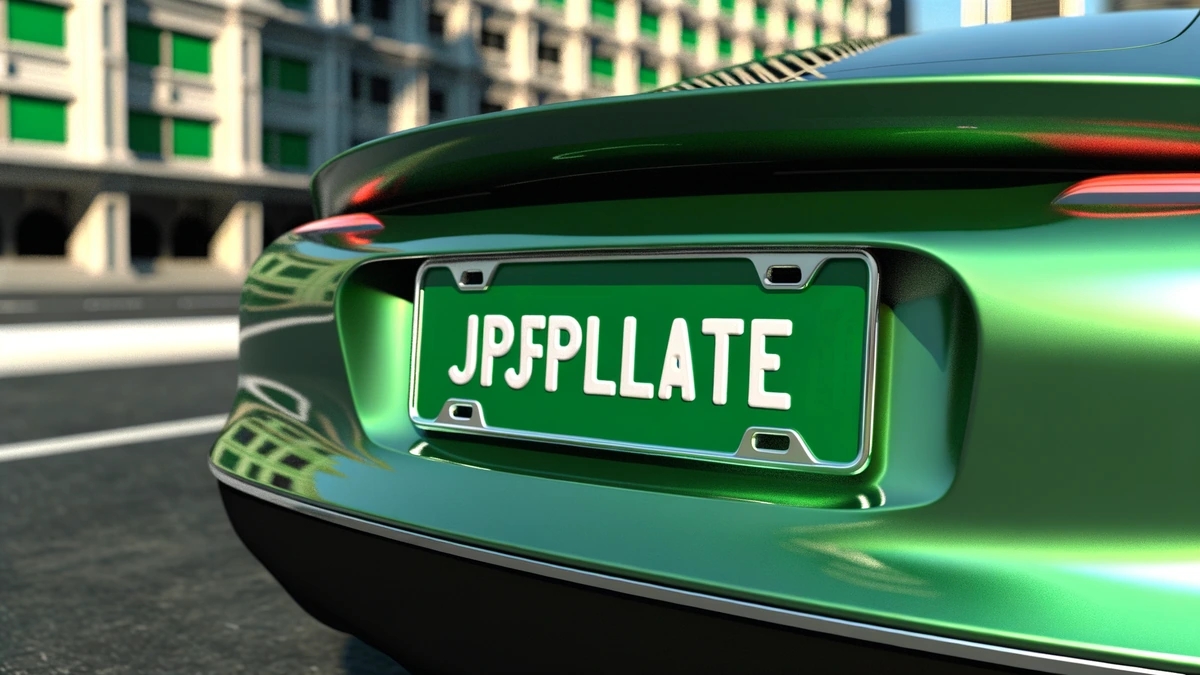
If you drive an electric vehicle in Malaysia — or plan to buy one — you need to know about the JPJePlate. This distinctive green-striped number plate is now mandatory for all new EVs registered from 9 September 2024 onwards, and it’s more than just a pretty design. With embedded RFID technology, anti-counterfeiting security, and a unique ev green plate malaysia colour code, the JPJePlate programme marks a major shift in how JPJ identifies and tracks zero-emission vehicles on our roads.
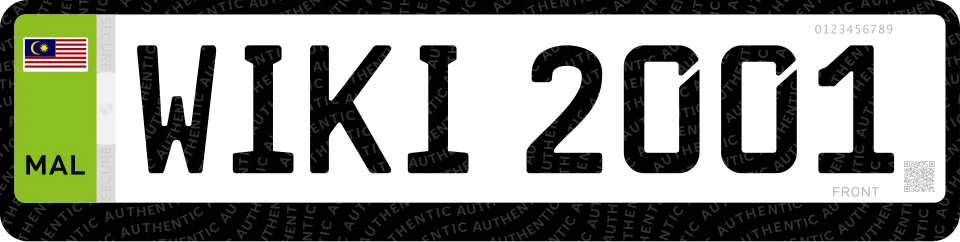
Whether you’ve just bought a BYD Atto 3, a Tesla Model Y, or any other EV, this guide covers everything — from the RM98 price tag to the step-by-step application process, RFID technology, running number series, and common issues EV owners face with enforcement.
ALSO READ: Cheapest EVs in Malaysia 2026 — Full Buyer’s Guide
Table of Contents
- What Is JPJePlate?
- What’s Included in the RM98 Set?
- JPJePlate Design — What Makes It Different?
- RFID Technology — How It Works
- Is JPJePlate Mandatory?
- How to Apply — Step-by-Step Guide
- EV Running Number Series — JPJeBid
- Common Issues & Enforcement Problems
- JPJePlate vs Traditional Number Plate
- What About Hybrids and PHEVs?
- Tips for EV Owners
- Frequently Asked Questions
What Is JPJePlate?
JPJePlate is the official standardised number plate for electric vehicles in Malaysia. Launched on 9 September 2024 by the Ministry of Transport (MOT) and Jabatan Pengangkutan Jalan (JPJ), it replaces the conventional number plate for all zero-emission vehicles (ZEVs), including battery electric vehicles (BEVs) and hydrogen fuel cell vehicles.
The name “ePlate” stands for electronic plate — a reference to its embedded RFID chip that connects each vehicle to Malaysia’s Intelligent Transportation System (ITS) ecosystem.
Key Facts at a Glance
| Detail | Info |
|---|---|
| Launch date | 9 September 2024 |
| Price | RM98 per set |
| Mandatory for | All new ZEVs registered from 9 Sept 2024 |
| Existing EV owners | Voluntary (can apply from 9 Nov 2024) |
| Dimensions | 11 cm × 52 cm (Euro-style) |
| Colour code | Green stripe (EV) |
| Technology | Embedded RAIN RFID, QR code |
| Manufacturer | Handal Ceria (Cyberjaya), using Tonnjes (Germany) technology |
| Official portal | jpjeplate.jpj.gov.my |
What’s Included in the RM98 JPJePlate Set?
For RM98, you get a complete set that includes:
- 1× front number plate — aluminium, embossed, with embedded RFID chip (acts as full antenna)
- 1× rear number plate — aluminium, embossed, retro-reflective
- 1× RFID windshield sticker (IDeStix) — self-destructing if tampered with
- 1× set of anti-theft one-way security screws
The RM98 price includes delivery from the production facility in Cyberjaya to authorised installers. However, the installation fee is separate — installers set their own rates, so it pays to compare quotes.
ALSO READ: EV Road Tax Malaysia 2026 — Rates & Exemptions
Replacement Costs
Lost or damaged your plate? Here’s what replacements cost:
| Item | Price |
|---|---|
| Front plate (with RFID) | RM70 |
| Rear plate | RM30 |
| Windshield sticker | RM35 |
JPJePlate Design — What Makes It Different?
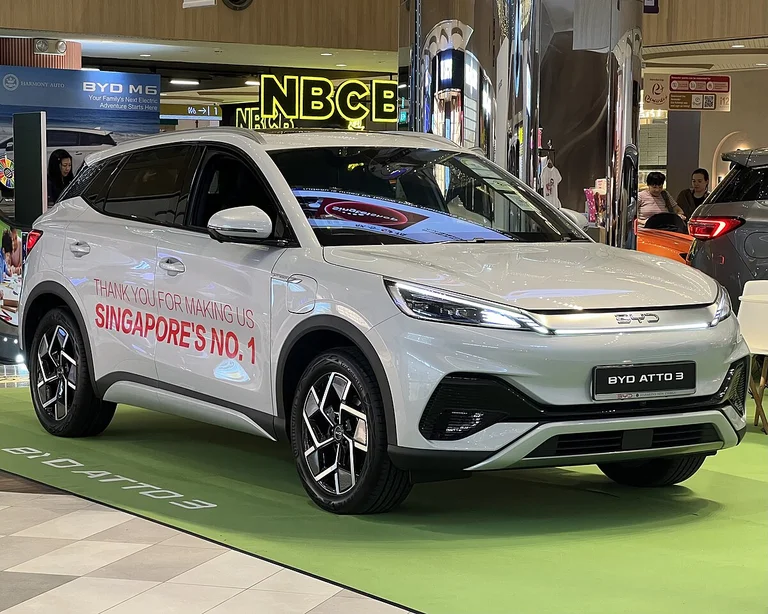
The JPJePlate follows a Euro-style embossed design that’s instantly recognisable and very different from Malaysia’s traditional flat number plates.
9 Security Features
The plate packs nine integrated security features:
- Malaysian flag (Jalur Gemilang) — national identification on the left
- Green colour stripe — identifies the vehicle as an EV (plat hijau ev)
- “MAL” International Vehicle Registration Code — embossed for cross-border identification
- FE-Schrift font — the same high-security typeface used in Germany, designed to prevent character forgery
- Holographic stripes — anti-counterfeiting protection
- Anti-counterfeiting foil layer — hot-stamped onto characters
- QR code — digital signature embedded on both plate and sticker
- Laser-engraved serial number — unique to each plate
- Embedded RAIN RFID chip — encrypted identification readable at highway speeds
Colour Coding System
The vertical stripe on the left side of the plate indicates the vehicle’s fuel type. For now, only one colour is in use:
- Green — Zero-Emission Vehicle (EV / hydrogen fuel cell)
Future phases may introduce additional colour codes for hybrids and other fuel types, though no timeline has been announced.
RFID Technology — How It Works
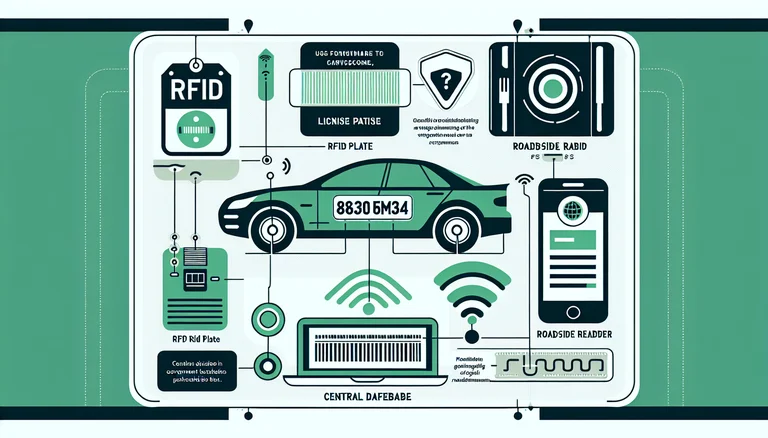
The JPJePlate isn’t just for show. Its embedded RAIN (RAdio frequency IdentificatioN) passive RFID chip is a core component of Malaysia’s push toward an Intelligent Transportation System.
Technical Specifications
| Spec | Detail |
|---|---|
| RFID protocol | GS1 UHF Gen2 |
| Frequency range | 860–930 MHz |
| Max operational speed | 230 km/h |
| Chip type | Passive (no battery needed) |
| Data encryption | Uniquely encrypted ID numbers |
| Read method | Specialised reader devices only |
What RFID Enables
- Automatic toll recognition (future integration)
- Real-time traffic monitoring by JPJ
- Stolen vehicle tracking — plates can be flagged in the system
- Speed enforcement — readable at up to 230 km/h
- Smart city integration — parking, congestion zones, and more
ALSO READ: EV vs Petrol Running Cost Malaysia — Which Saves More?
Warranty Coverage
Handal Ceria backs the JPJePlate with solid warranty terms:
- 10 years — rust protection
- 10 years — RFID data retention
- 7 years — RFID functionality
- 5 years — protection against peeling, fading, and delamination
Is JPJePlate Mandatory? Who Needs It?
Mandatory (You Must Have It)
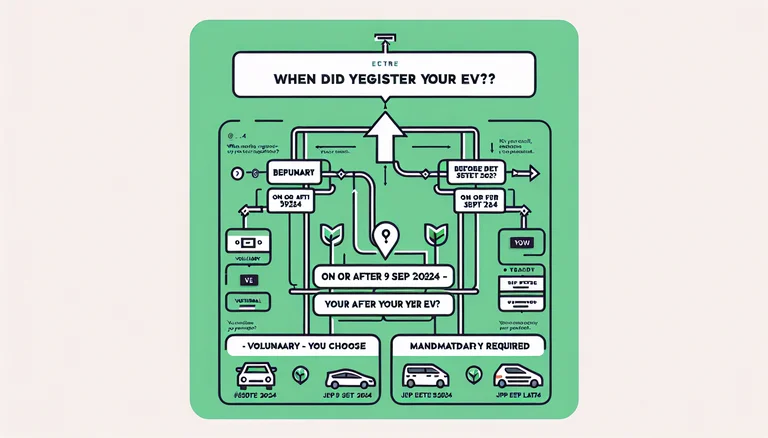
If your EV was registered on or after 9 September 2024, the JPJePlate is mandatory. All new ZEV cars are automatically fitted with a JPJePlate as part of the registration process — your dealer handles everything.
This applies to:
- Battery electric vehicles (BEVs)
- Hydrogen fuel cell vehicles
- Excludes electric motorcycles (for now)
Voluntary (Your Choice)
If you bought your EV before 9 September 2024, the JPJePlate is optional. You can continue using your existing number plate without penalty. However, you can choose to upgrade by applying through an authorised installer from 9 November 2024 onwards.
Pro tip: Even if it’s voluntary for your older EV, upgrading to JPJePlate gives you the RFID benefits and future-proofs your vehicle for any upcoming ITS integrations.
How to Apply for JPJePlate — Step-by-Step Guide
For New EV Buyers (After 9 Sept 2024)
You don’t need to do anything. Your dealer or manufacturer handles the JPJePlate registration and installation as part of the vehicle delivery process. The RM98 cost is bundled into your vehicle price.
For Existing EV Owners (Before 9 Sept 2024)
If you own an EV registered before the cutoff date, here’s how to get your JPJePlate:
Step 1: Find an Authorised Installer
Visit the official portal at jpjeplate.jpj.gov.my and look up authorised installers near you. As of launch, there were 492 authorised installers across Malaysia:
- 453 EV dealerships
- 31 accessory shops
- 8 workshops
Step 2: Prepare Your Documents
Bring one of the following to your chosen installer:
- A clear photo of your Vehicle Ownership Certificate (VOC / geran kereta)
- A screenshot from the MyJPJ app showing the VOC section
- A screenshot of your JPJeBid Letter of Successful Bid Result (if you won a special plate number)
Step 3: Place Your Order
The installer will process your order through the JPJePlate backend system. You cannot order directly through the JPJePlate website — only authorised installers have backend access.
Step 4: Make Payment
Pay the RM98 plate fee plus the installer’s installation charge (varies by shop — compare quotes!).
ALSO READ: EV Charger Installation Malaysia — Condo & Landed Guide
Step 5: Wait for Delivery
| Location | Delivery Time |
|---|---|
| Peninsular Malaysia | 1–2 working days |
| Sabah & Sarawak | 3–4 working days |
| Express delivery | Available with additional fees |
Step 6: Installation
Your authorised installer will fit the plates and windshield sticker. Self-installation is not permitted — only authorised installers can complete the process.
EV Running Number Series — JPJeBid Special Plates
When JPJePlate launched, JPJ also introduced a dedicated EV number series available through the JPJeBid bidding platform.
How the EV Series Works
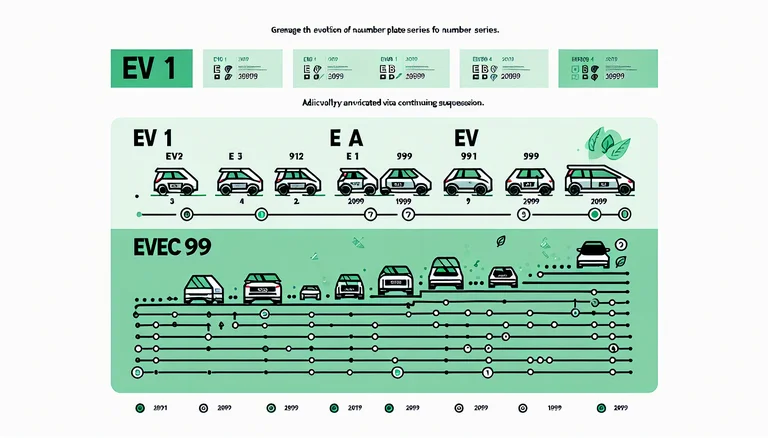
The EV-specific registration series follows this pattern:
- EV 1 to EV 9999 — first series (launched September 2024)
- EVA 1 to EVA 9999 — second series
- EVB 1 to EVB 9999 — third series
- And so on through the alphabet…
How to Bid
- Visit the JPJeBid portal (jpjebid.jpj.gov.my)
- Register or log in with your MyKad
- Browse available EV series numbers
- Place your bid — each session runs for 5 days
- Highest bidder wins; results announced within 24 hours (subject to bank verification)
Price Range
| Number Type | Typical Price Range |
|---|---|
| Running numbers | From RM300 |
| Popular numbers | RM1,000–RM5,000 |
| Golden single-digit numbers | Up to RM20,000+ |
Note: EV series plates are strictly for fully electric vehicles — you cannot use them on a petrol or hybrid car.
Common Issues & Enforcement Problems
The Font Size Confusion
In March 2026, an EV owner received a traffic summons (saman) for allegedly having an “illegally small” font on their JPJePlate. The catch? The plate was perfectly legal.
Here’s what happened: JPJePlate actually comes in two approved font sizes:
- Normal font — for registration numbers with up to 8 characters (launched September 2024)
- Small font — for plates with 9–13 characters, approved in October 2024 (for special series like “PUTRAJAYA” or “XXVIASEAN”)
The enforcement officer didn’t know about the second font size and issued the saman anyway. The plate manufacturer Handal Ceria has escalated these cases to JPJ. If this happens to you, do not pay the fine — contest it and reference the October 2024 approval for dual font sizes.
ICE Vehicles Copying JPJePlate Design
Some non-EV owners have been replicating the JPJePlate design on their petrol cars — this is illegal. Handal Ceria has lodged complaints with JPJ, and enforcement action is ongoing. The green stripe is exclusively for zero-emission vehicles.
ALSO READ: Complete Home EV Charging Guide Malaysia
JPJePlate vs Traditional Number Plate — Comparison
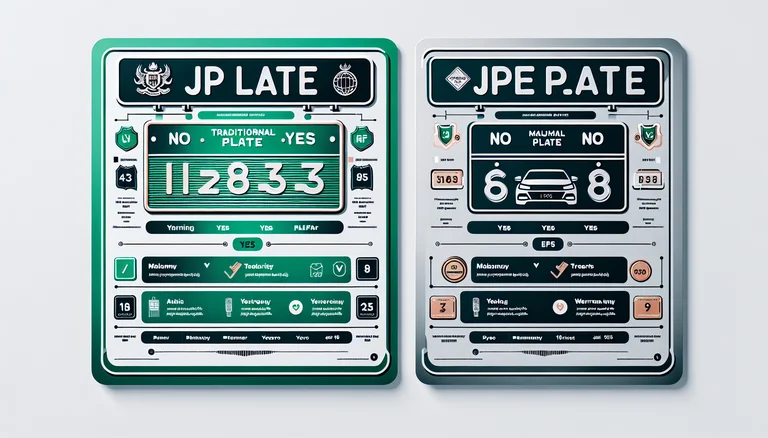
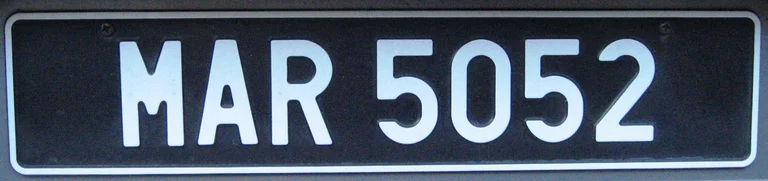
| Feature | JPJePlate | Traditional Plate |
|---|---|---|
| Material | Embossed aluminium | Flat acrylic/aluminium |
| Size | 11 cm × 52 cm (Euro-style) | Various sizes |
| Font | FE-Schrift (anti-forgery) | Standard font |
| RFID | Yes (embedded) | No |
| QR code | Yes | No |
| Security features | 9 integrated features | Basic |
| Colour coding | Green stripe (fuel type) | None |
| Tamper resistance | Anti-theft screws + self-destructing sticker | Standard screws |
| Price | RM98 | Varies |
| Warranty | Up to 10 years | Limited |
What About Hybrids and PHEVs?
Currently, the JPJePlate programme applies only to zero-emission vehicles — pure battery EVs and hydrogen fuel cell vehicles. Plug-in hybrids (PHEVs), mild hybrids (MHEVs), and conventional hybrids are not included.
JPJ has indicated that the programme represents a pilot phase toward eventual standardisation across all new vehicle registrations. Future phases may introduce:
- Different colour codes for hybrids (e.g., blue for PHEV)
- Expansion to electric motorcycles
- Mandatory ePlate for all new vehicles regardless of fuel type
However, no official timeline has been announced for these expansions.
Tips for EV Owners Getting JPJePlate
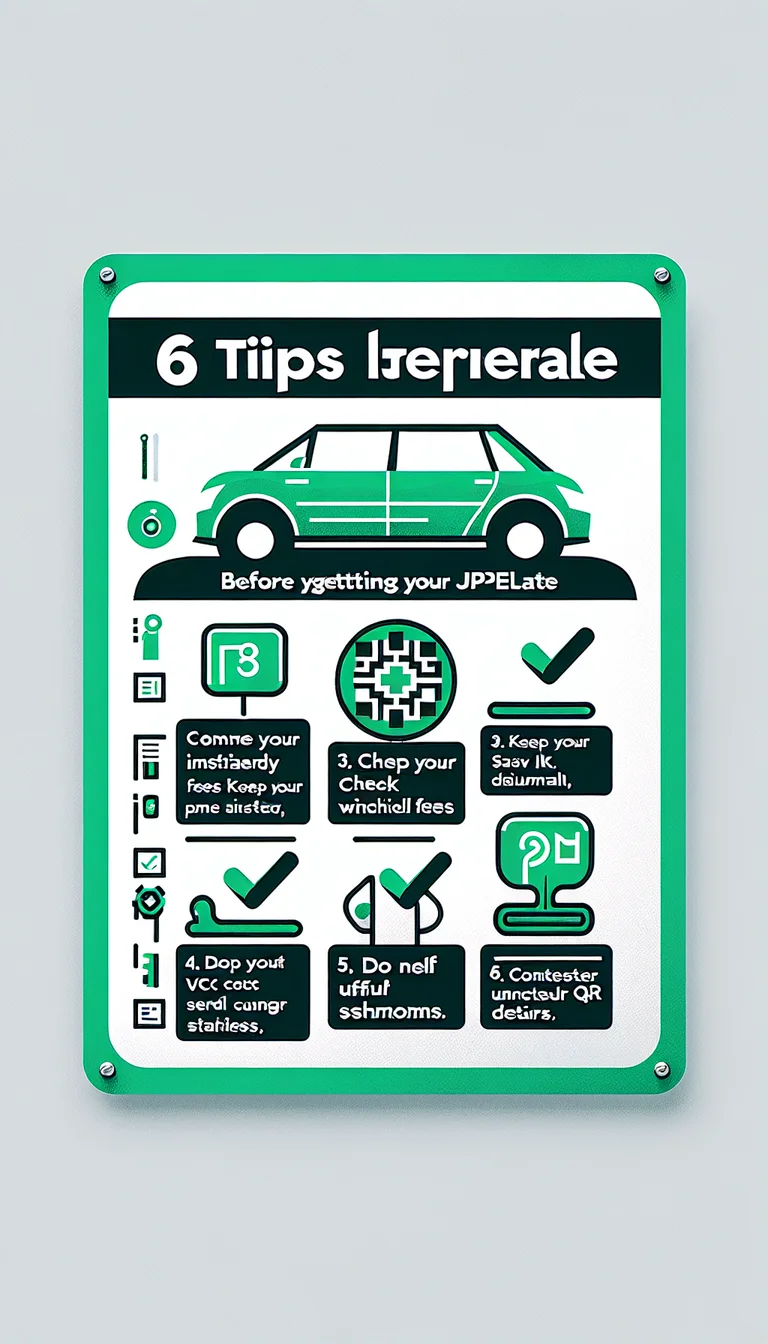
- Compare installer fees — the RM98 plate cost is fixed, but installation charges vary widely
- Keep your VOC handy — a MyJPJ app screenshot works just as well
- Check for the windshield sticker — it should be non-removable and self-destructing if tampered with
- Don’t self-install — only authorised installers can process the order and fit the plates
- Save your QR code details — useful for future verification or replacement orders
- If you get an unfair saman — document your plate, reference the dual font approval, and contest it
Ready to make the switch to electric? Browse the latest EV models and charging solutions on EVSIFU — your one-stop resource for everything EV in Malaysia.
ALSO READ: Best Home EV Charger Malaysia 2026 — Top Picks & Guide
Frequently Asked Questions (FAQ)
What colour is the EV car plate in Malaysia?
The JPJePlate for EVs features a green vertical stripe on the left side of the plate. The plate itself has a white reflective background with black text in FE-Schrift font. The green colour code specifically identifies the vehicle as a zero-emission vehicle (ZEV).
How much does JPJePlate cost?
The JPJePlate costs RM98 per set, which includes the front plate (with RFID), rear plate, RFID windshield sticker, and anti-theft screws. Delivery to the authorised installer is included. However, the installer’s installation fee is separate and varies by shop.
Is the EV green plate mandatory in Malaysia?
Yes, for new EVs. All zero-emission vehicles registered on or after 9 September 2024 must be fitted with a JPJePlate — it’s mandatory by the Ministry of Transport (MOT). For EVs registered before this date, the JPJePlate is voluntary.
How do I apply for JPJePlate as an existing EV owner?
You must visit an authorised JPJePlate installer (dealership, workshop, or accessory shop). You cannot order directly from the JPJePlate website. Bring your Vehicle Ownership Certificate (VOC) or a screenshot from the MyJPJ app, pay RM98 plus installation, and the installer handles the rest. Find installers at jpjeplate.jpj.gov.my.
Can I install JPJePlate myself?
No. Self-installation is not currently permitted. Only authorised installers with backend access to the JPJePlate system can process orders and fit the plates. There are nearly 500 authorised installers across Malaysia.
Does JPJePlate have RFID?
Yes. The front plate contains an embedded RAIN passive RFID chip using the GS1 UHF Gen2 protocol, operating at 860–930 MHz. It can be read at speeds up to 230 km/h. The windshield sticker also contains an RFID component. The data is uniquely encrypted and readable only by specialised JPJ reader devices.
What is the EV number plate series in Malaysia?
JPJ launched a dedicated EV series starting with EV 1 to EV 9999, followed by EVA, EVB, EVC, and so on. These special numbers are available through the JPJeBid bidding platform. EV series plates are strictly for fully electric vehicles only.
Can I use a JPJePlate on a hybrid or petrol car?
No. The JPJePlate with the green stripe is exclusively for zero-emission vehicles (BEVs and hydrogen fuel cell vehicles). Using a JPJePlate design on an ICE or hybrid vehicle is illegal, and JPJ is actively enforcing against this.
What happens if my JPJePlate is damaged or stolen?
Contact an authorised installer to order replacements. A replacement front plate (with RFID) costs RM70, the rear plate costs RM30, and the windshield sticker costs RM35.
What warranty does JPJePlate come with?
The JPJePlate carries a comprehensive warranty: 10 years for rust protection, 10 years for RFID data retention, 7 years for RFID functionality, and 5 years for protection against peeling, fading, and delamination.
Conclusion
The JPJePlate is more than just a green-striped number plate — it’s Malaysia’s first step toward a fully connected, intelligent transportation system. At just RM98, it packs serious technology including RFID tracking, anti-counterfeiting security, and a design that instantly identifies your car as an EV on Malaysian roads.
If you’re buying a new EV, your dealer handles everything. If you’re an existing EV owner, the upgrade is straightforward — just visit an authorised installer with your VOC and you’ll have your new plates within days.
Thinking about going electric? Explore the latest EV models, compare prices, and find the best home charging solutions for your setup right here on EVSIFU.