
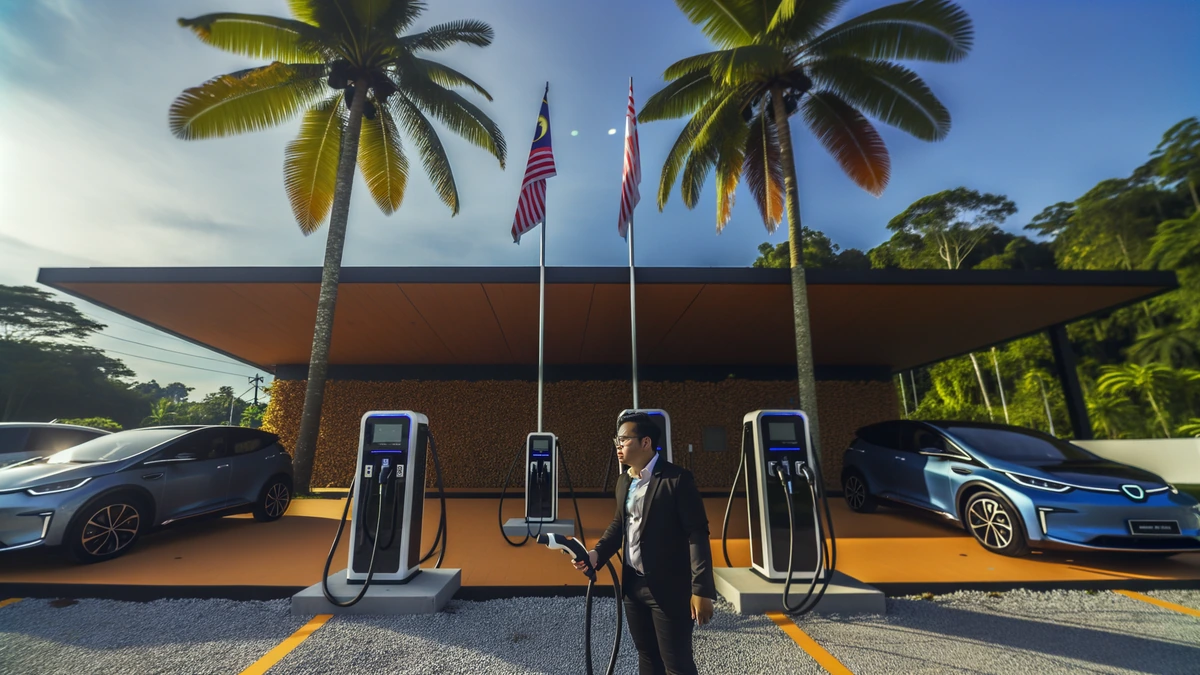
Malaysia’s EV market doubled in 2025 — but the charging infrastructure didn’t keep up. With 44,813 EVs registered last year and only 5,360 licensed public chargers nationwide, there’s a massive supply gap waiting to be filled. If you’ve been thinking about starting an ev charging station business malaysia, 2026 might be the best window you’ll get.
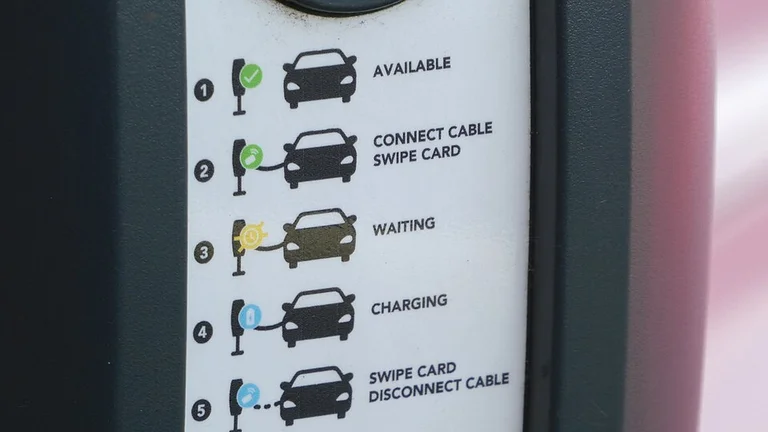
In this guide, we break down everything you need to know: licensing requirements, startup costs, ROI projections, government incentives, and how the major operators like ChargeSINI, JomCharge, and Gentari stack up. Whether you’re an investor looking for passive income or an entrepreneur ready to build a charging network, this is your complete playbook.
Table of Contents
Why Start an EV Charging Business in Malaysia Now?
The numbers tell the story. EV registrations hit 44,813 units in 2025 — a 105.7% increase over 2024’s 21,789 units. EVs now make up 5.2% of all new car registrations, and that number is accelerating fast.
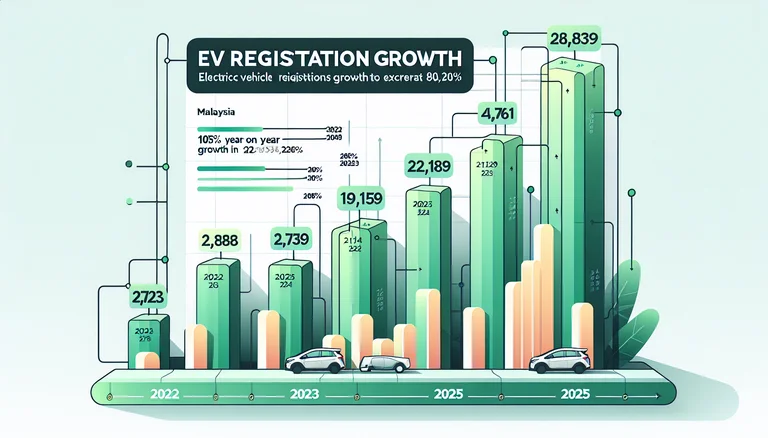
But here’s the opportunity: the government targeted 10,000 public chargers by end-2025 and fell short at just 5,360. The revised target is now 8,000 AC chargers by Q3 2026. That gap between EV growth and charger deployment is where the money is.
Key market indicators:
- EV-to-charger ratio: ~8.4 EVs per public charger (demand outpacing supply)
- Market size: ~USD 140 million for EV charger operations & maintenance
- Projected CAGR: 23.9% through 2030
- Competitor gap: Zero dedicated auto media coverage on this business angle
ALSO READ: Complete Home EV Charging Guide Malaysia
Licenses & Permits You Need
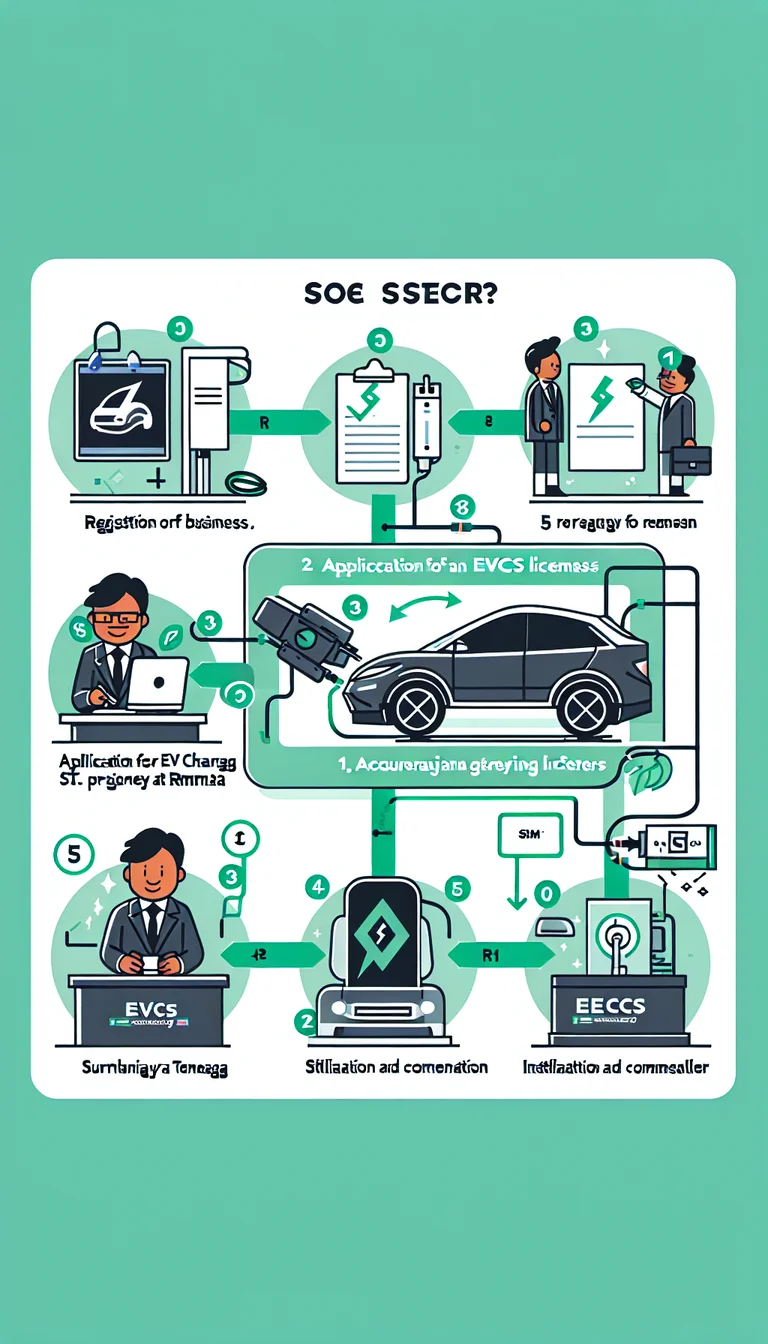
1. Energy Commission (Suruhanjaya Tenaga) EVCS Licence
This is the big one. Under Section 35(5) of the Electricity Supply Act 1990 (Act 447), any EV charger accessible to the public — whether paid or free — requires an EVCS licence from Suruhanjaya Tenaga (ST). Operating without one is a criminal offence.
What counts as “public”? If anyone other than the owner uses your charger — employees, customers, tenants, even homestay guests — you need the licence. Only chargers used exclusively by the owner are exempt.
EVCS Licence details:
- Application fee: RM100
- Licence fee: RM0.44 per kW (minimum RM100)
- Licence tenure: 10 years (annual fee payments)
- Approval timeline: ~30 days (often ~2 weeks in practice)
- Installation requirement: Must be done by an ST-registered Competent Person
2. SSM Business Registration
You’ll need a legal entity registered with the Companies Commission of Malaysia (SSM):
- Sdn. Bhd. (recommended for commercial operations): RM1,010 incorporation fee, 1–2 weeks processing
- Sole proprietorship (smaller setups): RM30–RM60/year, 1–3 days processing
3. Local Council Permits
PLANMalaysia published the Guidelines for Electric Vehicle Charging Bay (GPP EVCB) in September 2023. If your installation affects a building’s structure or electrical services, you’ll need plans submitted by a qualified architect/engineer under Section 70 of the Street, Drainage and Building Act 1974.
ALSO READ: EV Charger Installation Malaysia — Condo & Landed Guide
How Much Does It Cost to Set Up?
Costs vary dramatically depending on whether you’re installing AC chargers (Level 2) or DC fast chargers (Level 3).
AC Chargers (Level 2) — Lower Cost, Lower Revenue
| Item | Cost (RM) |
|---|---|
| 7kW charger (hardware) | RM3,000 – RM5,900 |
| 22kW charger (hardware) | RM3,500 – RM7,900 |
| Single-phase installation | ~RM1,600 |
| Three-phase installation | ~RM1,800 |
| Professional installation (total) | RM2,000 – RM6,000 |
| Total per AC unit | RM5,000 – RM13,900 |
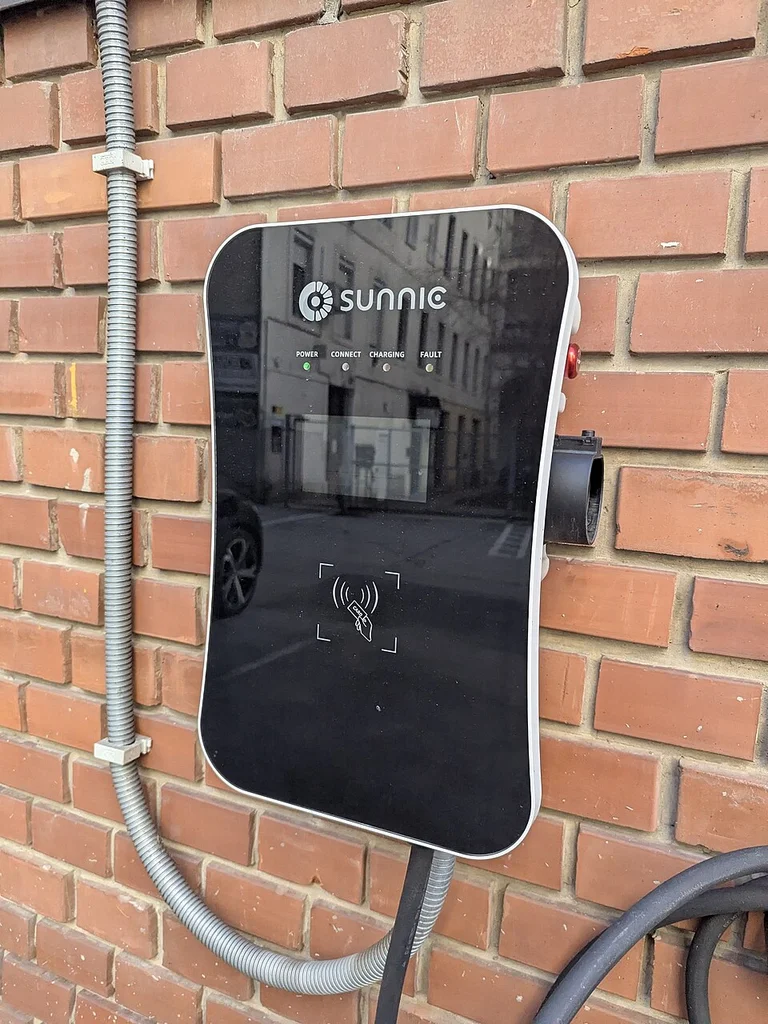
AC chargers are ideal for locations where cars park for hours — condominiums, offices, shopping malls, and hotels.
DC Fast Chargers (Level 3) — Higher Cost, Higher Revenue
| Item | Estimated Cost (RM) |
|---|---|
| 60kW DC charger (hardware) | RM20,000 – RM50,000+ |
| High-power commercial DC charger | ~RM200,000 |
| Electrical infrastructure (substation, wiring) | Significant additional cost |
| Total per DC station | RM200,000 – RM500,000+ |
DC chargers need a dedicated electrical substation — this is a major cost item on top of hardware. They’re best suited for highway rest stops, petrol stations, and high-traffic commercial areas where drivers need a quick top-up.
ChargeSINI Franchise Packages (Benchmark)
If you prefer a turnkey investment, ChargeSINI offers franchise packages:
| Package | Investment (RM) |
|---|---|
| Package A | RM186,000 |
| Package B | RM280,000 |
| Package C | RM469,000 |
| Buy & Own (single station) | From RM100,000 |
ALSO READ: Best Home EV Charger Malaysia 2026
Revenue & ROI Projections
Let’s talk money. Here’s what the numbers look like for a typical DC fast charger setup.
Electricity Costs (TNB Tariff 2025/2026)
Since 1 July 2025, TNB’s revised commercial tariffs apply:
| Tariff Category | Rate (RM/kWh) |
|---|---|
| Low Voltage Commercial (Tariff B) | RM0.2703 |
| Medium Voltage General (Tariff C1) | RM0.2983 |
| Medium Voltage TOU Peak (Tariff C2) | RM0.3132 |
| Medium Voltage TOU Off-Peak (Tariff C2) | RM0.2723 |
What You Can Charge Customers
| Network | AC Rate (RM/kWh) | DC Rate (RM/kWh) |
|---|---|---|
| Gentari | RM1.00 – RM1.15 | RM1.60 – RM1.80 |
| JomCharge | ~RM0.90 | ~RM1.50 |
| Market range | RM0.60 – RM1.15 | RM1.20 – RM1.80+ |
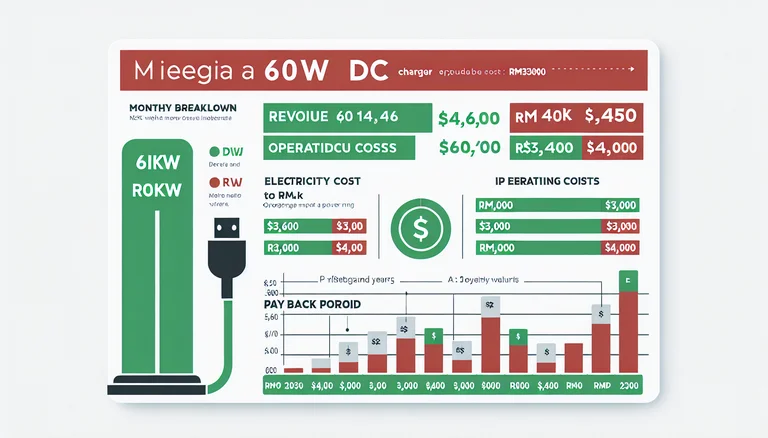
ROI Calculation: DC Fast Charger (60kW)
| Metric | Value |
|---|---|
| Selling price | RM1.60/kWh |
| Sessions per day | 10 |
| Average energy per session | 30 kWh |
| Daily gross revenue | ~RM480 |
| Monthly gross revenue | ~RM14,400 |
| Electricity cost (at RM0.40/kWh) | ~RM3,600/month |
| Monthly gross margin | ~RM10,800 |
| Operating costs (maintenance, rent, software) | ~RM3,000–5,000/month |
| Estimated net profit | ~RM5,800–7,800/month |
| Payback period (RM300K investment) | ~3–4 years |
Important caveats:
- Utilization rate is everything. The calculation above assumes 10 sessions/day — well-located stations can exceed this, but poorly located ones might see only 2–3
- AC chargers have lower margins per session but can achieve high utilization in residential settings (overnight charging)
- Industry payback ranges: 2–3 years (best case, high traffic + subsidies) to 5–8 years (lower utilization)
Pro tip: Start with locations that guarantee daily utilization — condominiums with EV owners, corporate fleet parking, and busy malls. Don’t chase highway locations unless you have deep pockets and patient capital.
Government Incentives & Tax Breaks
The Malaysian government is actively incentivizing EV charging infrastructure investment. Here are the key programmes:
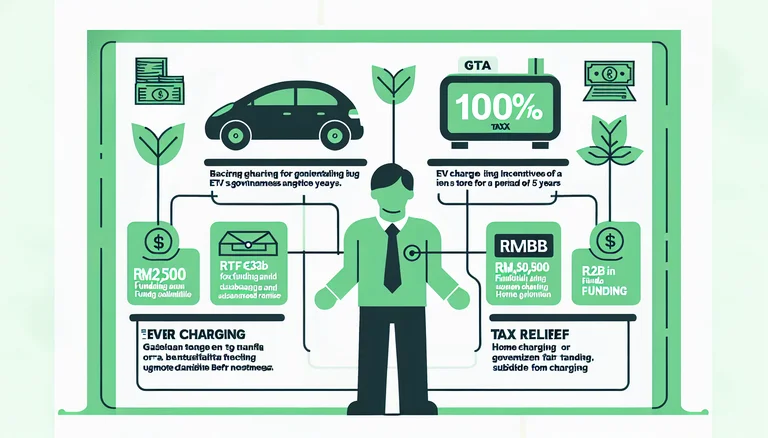
Green Investment Tax Allowance (GITA)
- 100% Investment Tax Allowance on qualifying capital expenditure for 5 years
- Offsets up to 100% of statutory income per assessment year
- Unused allowances carry forward indefinitely
- Extended until 2026
Green Technology Financing Scheme (GTFS)
- RM1 billion in funding available until 2026
- Subsidized interest rates for green technology projects including EV charging
- Apply through MIDA’s Green Technology Division
Individual Tax Relief (Home Charging)
- RM2,500 income tax relief per year for purchase, installation, rental, or subscription of EV charging equipment
- Available through 2027
ALSO READ: EV Road Tax Malaysia 2026 — Rates & Exemptions
Major EV Charging Operators in Malaysia — Compared
Understanding the competitive landscape is crucial. Here’s how Malaysia’s top CPOs (Charge Point Operators) compare:
| Operator | Network Size | Business Model | Partnership Opportunity |
|---|---|---|---|
| ChargeSINI | 1,000+ points | Franchise, Buy & Own | Franchise packages from RM100K |
| JomCharge | 1,200+ at 400+ locations | Membership (Elite RM9.90/mo) | Sunway Group partnership model |
| Gentari | 600+ chargers | COCO at Petronas stations | Site partnerships available |
| chargEV | 320+ chargers | RFID + app (RM240/yr) | Mall/hotel partnerships |
| TNB Electron | Expanding | Utility-backed | TNB facility locations |
| Shell Recharge | Growing | Co-located with petrol stations | ParkEasy partnership model |
Key Insight: Cross-Operator Roaming
Gentari, JomCharge, and chargEV have signed a roaming agreement giving users access to ~70% of Malaysia’s public chargers regardless of which app they use. This is a positive signal for the industry — it means your chargers can serve a wider user base.
6 Business Models to Consider
1. Standalone CPO (COCO — Company Owned, Company Operated)
- Own and operate chargers at your own/leased locations
- Pros: Full revenue capture, brand control
- Cons: Highest capital requirement, full operational risk
- Best for: Entrepreneurs with strong locations and deep pockets
2. Property Partnership (POCO — Partner Owned, Company Operated)
- Install chargers at malls, condos, petrol stations, hospitals
- Revenue sharing or fixed rental with property owner
- Pros: Lower land costs, built-in foot traffic
- Cons: Shared revenue, dependency on partner
- Best for: Operators who want to scale quickly
3. Franchise / Investor Model
- Invest in packages (e.g., ChargeSINI from RM100,000)
- Operator manages everything; you earn passive income
- Pros: Turnkey, low operational involvement
- Cons: Lower control, dependent on operator’s performance
- Best for: Investors seeking passive EV exposure
4. White-Label / B2B Fleet Charging
- Install chargers for corporate fleets, logistics companies, government agencies
- Pros: Predictable revenue, lower utilization risk
- Cons: Smaller addressable market
- Best for: B2B-oriented businesses
5. Highway / Intercity Fast Charging Hub
- DC fast chargers at highway rest stops (R&R)
- Pros: Higher revenue per session, captive audience
- Cons: Very high capex (DC + substation), competitive locations
- Best for: Well-capitalized operators, partnerships with highway concessionaires
6. Residential / Condominium Charging
- Managed AC chargers in condominiums and apartments
- ~1/3 of ChargeSINI’s network is in condos — proven model
- Pros: High utilization (daily overnight charging), recurring revenue
- Cons: Lower per-session revenue, JMB negotiations required
- Best for: Operators targeting consistent, predictable demand
ALSO READ: EV vs Petrol Running Cost Malaysia — The Real Numbers
Step-by-Step: How to Start Your EV Charging Business
Here’s a practical roadmap to get from idea to revenue:
Step 1: Choose Your Business Model
Decide between standalone, franchise, partnership, or B2B. Your model determines your capital needs and risk profile.
Step 2: Register Your Business
Register a Sdn. Bhd. with SSM (RM1,010, ~2 weeks). For smaller operations, a sole proprietorship works (RM30–RM60).
Step 3: Secure Your Location
Negotiate with property owners, highway concessionaires, or secure your own land. Location is the #1 factor in charger utilization.
Step 4: Apply for EVCS Licence
Submit your application to Suruhanjaya Tenaga with:
- Business registration documents
- Site plans
- Electrical installation plans (prepared by ST-registered Competent Person)
- Processing fee: RM100
- Expect approval in ~2–4 weeks
Step 5: Apply for Government Incentives
Contact MIDA’s Green Technology Division for GITA (100% Investment Tax Allowance) and GTFS financing before committing capital.
Step 6: Install & Commission
Hire an ST-registered contractor. Ensure compliance with PLANMalaysia GPP EVCB guidelines. For DC chargers, coordinate with TNB for substation requirements.
Step 7: Launch & Market
Join cross-operator roaming networks if possible. List on major EV charging apps. Market to local EV communities and owner groups.
Common Mistakes to Avoid
- Bad location selection — A charger in a dead zone earns nothing. Prioritize locations with existing EV traffic or guaranteed daily users
- Underestimating electrical infrastructure costs — DC chargers need substations. Budget for this upfront
- Skipping the ST licence — Operating without one is a criminal offence. Don’t risk it
- Ignoring maintenance costs — Chargers break down. Budget RM500–2,000/month per station for maintenance and software
- Over-investing in hardware before proving demand — Start with 2–4 chargers, prove utilization, then scale
FAQ: EV Charging Station Business in Malaysia
How profitable is an EV charging station in Malaysia?
A well-located DC fast charger can generate RM10,000–14,000/month in gross revenue with net margins of 10–30% after electricity and operating costs. Payback periods range from 2–5 years depending on utilization. AC chargers in condominiums offer lower per-session revenue but more consistent daily usage.
What licence do I need to operate an EV charging station?
You need an EVCS licence from Suruhanjaya Tenaga (Energy Commission) under Section 35(5) of the Electricity Supply Act 1990. The licence costs RM0.44 per kW (minimum RM100), is valid for 10 years, and takes approximately 2–4 weeks to process.
How much does it cost to set up an EV charging station in Malaysia?
AC charger setups range from RM5,000–RM13,900 per unit. DC fast charger stations cost RM200,000–RM500,000+ including electrical infrastructure. Franchise packages (e.g., ChargeSINI) start from RM100,000 for a turnkey solution.
What government incentives are available for EV charging businesses?
The Green Investment Tax Allowance (GITA) offers 100% Investment Tax Allowance on qualifying capital expenditure for 5 years. The Green Technology Financing Scheme (GTFS) provides subsidized financing up to RM1 billion. Both are available through 2026 via MIDA.
Do I need a special electricity tariff for commercial EV charging?
Commercial EV charging falls under TNB’s commercial tariffs. Low Voltage Commercial (Tariff B) is RM0.2703/kWh, while Medium Voltage (Tariff C1) is RM0.2983/kWh. Most CPOs sell electricity to customers at RM0.90–RM1.80/kWh, creating healthy gross margins.
Can I install EV chargers at my condominium for residents?
Yes, but any charger used by others (even residents) requires an EVCS licence from ST. You’ll also need JMB approval. This is one of the fastest-growing segments — ChargeSINI reports that ~1/3 of their network is in condominiums.
Which EV charging operator should I partner with?
It depends on your model. ChargeSINI offers franchise/investor packages. JomCharge and Gentari focus on high-traffic DC locations. chargEV partners with malls and hotels. Compare revenue-sharing terms, hardware quality, and network reach before committing.
Is the EV charging market in Malaysia saturated?
No — far from it. Malaysia had only 5,360 licensed public chargers at end-2025 against a target of 10,000. With 44,813 EVs sold in 2025 (doubling YoY) and an estimated 100,000+ EVs on the road by end-2026, the supply gap is growing, not shrinking.
Conclusion
Starting an EV charging station business in Malaysia in 2026 is a genuine opportunity — not hype. The demand-supply gap is real, government incentives are generous, and the market is growing at 23.9% CAGR. Whether you invest RM100,000 in a franchise package or RM500,000 in a standalone DC fast charging hub, the economics work if you get location and utilization right.
The key is to start now, while the market is still undersupplied and incentives like GITA and GTFS are active. By the time everyone catches on, the best locations will be taken.
ALSO READ: Cheapest EVs in Malaysia 2026 — Complete Buyer’s Guide