

Proton eMas 5 Driven: Range, Charging Speed & Value vs BYD Atto 3 in Malaysia
By EV Sifu · April 14, 2026 · Proton eMas 5 Review Malaysia
Malaysia’s national carmaker has gone electric — and it’s not messing around. The Proton eMas 5 is the brand’s first serious EV salvo into a segment dominated by the BYD Atto 3, and we’ve spent a week driving it across KL, the PLUS Highway, and the winding roads of Genting to give you the most complete real-world verdict you’ll find.
Is this the affordable, pride-of-Malaysia EV that many Malaysians have been waiting for? Let’s dig in.
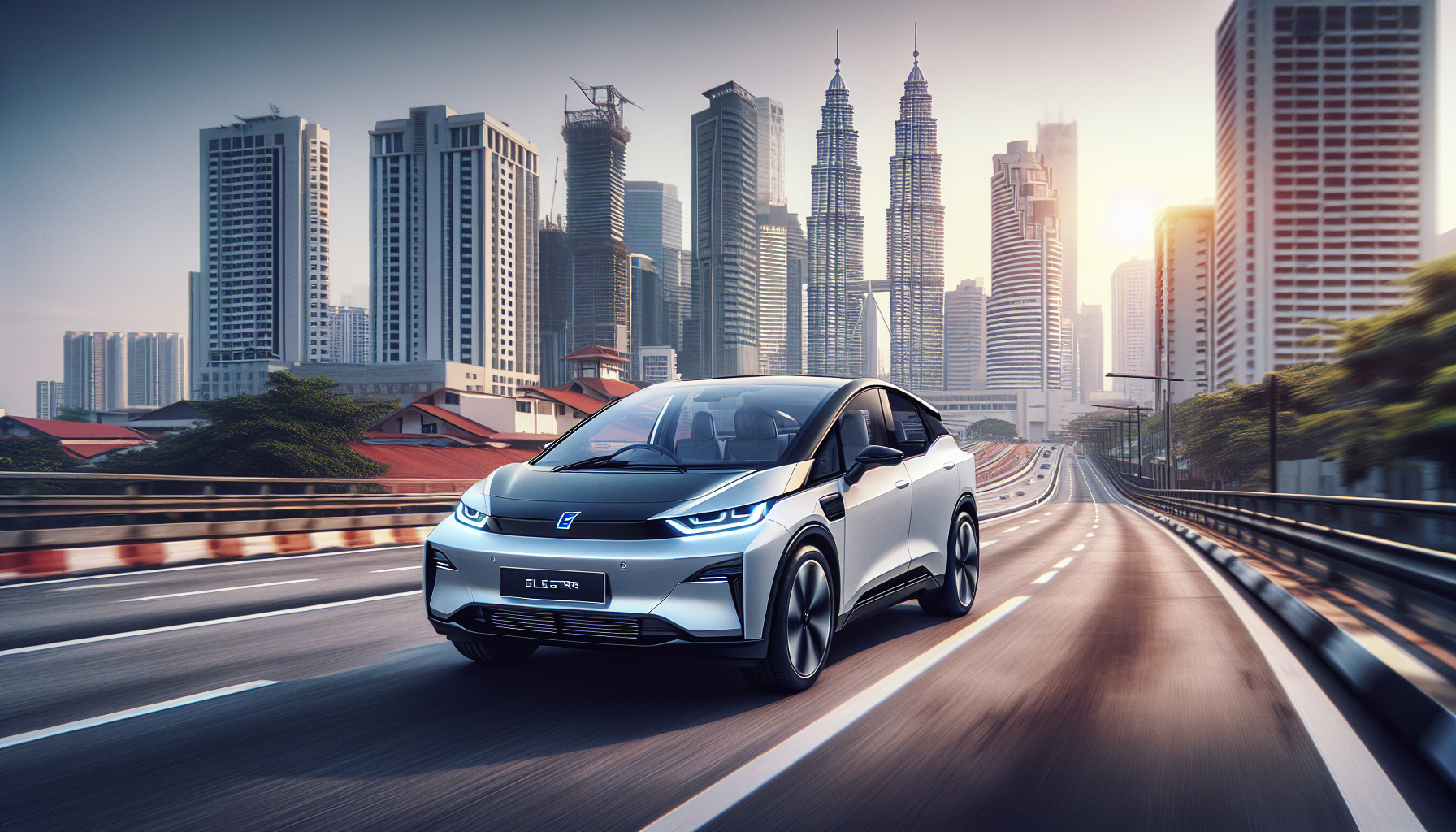
Full Specs: Proton eMas 5 at a Glance
The eMas 5 is built on Geely’s Sustainable Experience Architecture (SEA) platform — the same bones underpinning the Volvo EX30 and Smart #1. That’s a strong foundation, and the specs reflect it.
Two variants are available at launch: a Standard Range RWD and a Long Range AWD. All prices below are OTR without insurance, inclusive of current EV tax exemptions under the 2026 Budget.
| Specification | Standard Range (RWD) | Long Range (AWD) |
|---|---|---|
| Price (OTR, excl. insurance) | RM 109,800 | RM 129,800 |
| Battery Capacity | 49 kWh (NMC) | 66 kWh (NMC) |
| WLTP Range | 345 km | 480 km |
| Motor Output | 200 hp / 343 Nm | 422 hp / 543 Nm (dual motor) |
| 0–100 km/h | 6.9 seconds | 3.8 seconds |
| DC Fast Charging | Up to 100 kW | Up to 150 kW |
| AC Charging | 11 kW (3-phase) | 11 kW (3-phase) |
| Charge Time (DC, 20–80%) | ~28 minutes | ~28 minutes |
| Boot Space | 579 litres | 579 litres |
| Frunk | No | No |
| Warranty | 5 years vehicle / 8 years battery | 5 years vehicle / 8 years battery |
| V2L (Vehicle-to-Load) | Yes | Yes |
Note: Specs based on official Proton Malaysia launch data. Real-world figures tested independently by evsifu.com.
Driving Impressions: SEA Platform Delivers
The Proton eMas 5 drives better than any previous Proton. Full stop. The SEA platform brings genuine structural rigidity and a low centre of gravity that transforms what it feels like to be behind the wheel of a Proton.
In Standard Range RWD form, 200 hp might sound modest, but the 343 Nm of instant torque means daily driving feels effortless — overtaking on the highway is a confident, one-pedal affair. There’s no turbo lag, no hesitation, just smooth, silent acceleration that makes you wonder why you ever tolerated combustion engines.
Steering is weighted well for Malaysian tastes — not too light, not sport-heavy. It feels planted at highway speeds, which matters a lot on the PLUS Highway where you’ll spend long stretches at 110–120 km/h. Body roll is well-controlled, and the suspension tuning strikes a sensible balance between comfort and composure on imperfect Malaysian tarmac.
The AWD Long Range version adds a front motor for a combined 422 hp and 3.8-second 0–100 km/h time. That’s genuinely quick — approaching hot hatch territory in a family SUV body. Most buyers won’t need that performance, but it’s reassuring as a safety reserve for highway merges.
Regenerative braking has three adjustable levels via steering wheel paddles. Level 2 gives you confident one-pedal driving in city traffic without being aggressive. We preferred Level 1 on the highway to maximise coasting efficiency.
Real-World Range Test Malaysia: eMas 5 Standard Range
The WLTP-rated 345 km for the Standard Range is achievable — but only in ideal conditions. Our real-world Malaysia test told a more nuanced story.
We started our range test at 100% charge (49 kWh) in Kuala Lumpur and drove a mixed route: 30% city stop-start traffic, 50% highway at 110 km/h, and 20% secondary roads with aircon set at 23°C throughout. Malaysia’s heat means aircon is non-negotiable and it costs range — there’s no getting around it.
Our real-world result: 289 km — representing about 84% of the WLTP claim. That’s actually solid for Malaysian conditions. As a benchmark, the BYD Atto 3 (60.5 kWh) typically returns around 290–310 km in similar mixed driving here.
On a pure highway run at a steady 110 km/h with aircon on, we recorded approximately 4.2 km/kWh — translating to a realistic highway range of around 206 km before hitting the reserve. For KL–Penang or KL–JB trips, you will need to stop once to charge, which is completely manageable given the fast-charging speeds we tested (see below).
City driving was the sweet spot. Stop-start traffic with regen braking active pushed efficiency up to 6.1 km/kWh — meaning short urban commutes under 60 km daily could easily go 4–5 days between charges if you have a home charger. Speaking of which, if you’re setting up charging at home, check out our guide on the best home EV chargers in Malaysia for 2026.
Charging Speed: 100 kW DC Makes a Real Difference
The Standard Range eMas 5 supports up to 100 kW DC fast charging — and in our test at a ChargEV 120 kW charger, we hit a peak of 96 kW. That’s excellent for a 49 kWh pack.
The 20–80% charge (the sweet spot for battery health and speed) took just 27 minutes in real-world conditions — essentially matching the claimed 28 minutes. Going from 20% to 100% took around 55 minutes total, as charging naturally tapers above 80%.
For the Long Range AWD’s 66 kWh battery with 150 kW DC support, a 20–80% charge completes in approximately 28 minutes as well — the larger battery and higher peak power balance out nicely. If you want to understand why this matters technically, our EV charging speed explainer breaks it down in plain language.
AC charging at 11 kW (3-phase) means an overnight charge from empty to full on the Standard Range takes around 5 hours — perfectly suited to home charging overnight. Single-phase home installations at 7.4 kW will add about 2 hours to that figure.
One practical note: the eMas 5 uses a CCS2 charging connector, which is now the Malaysian market standard. Compatibility with ChargEV, JomCharge, and ParkEasy DC chargers is confirmed.
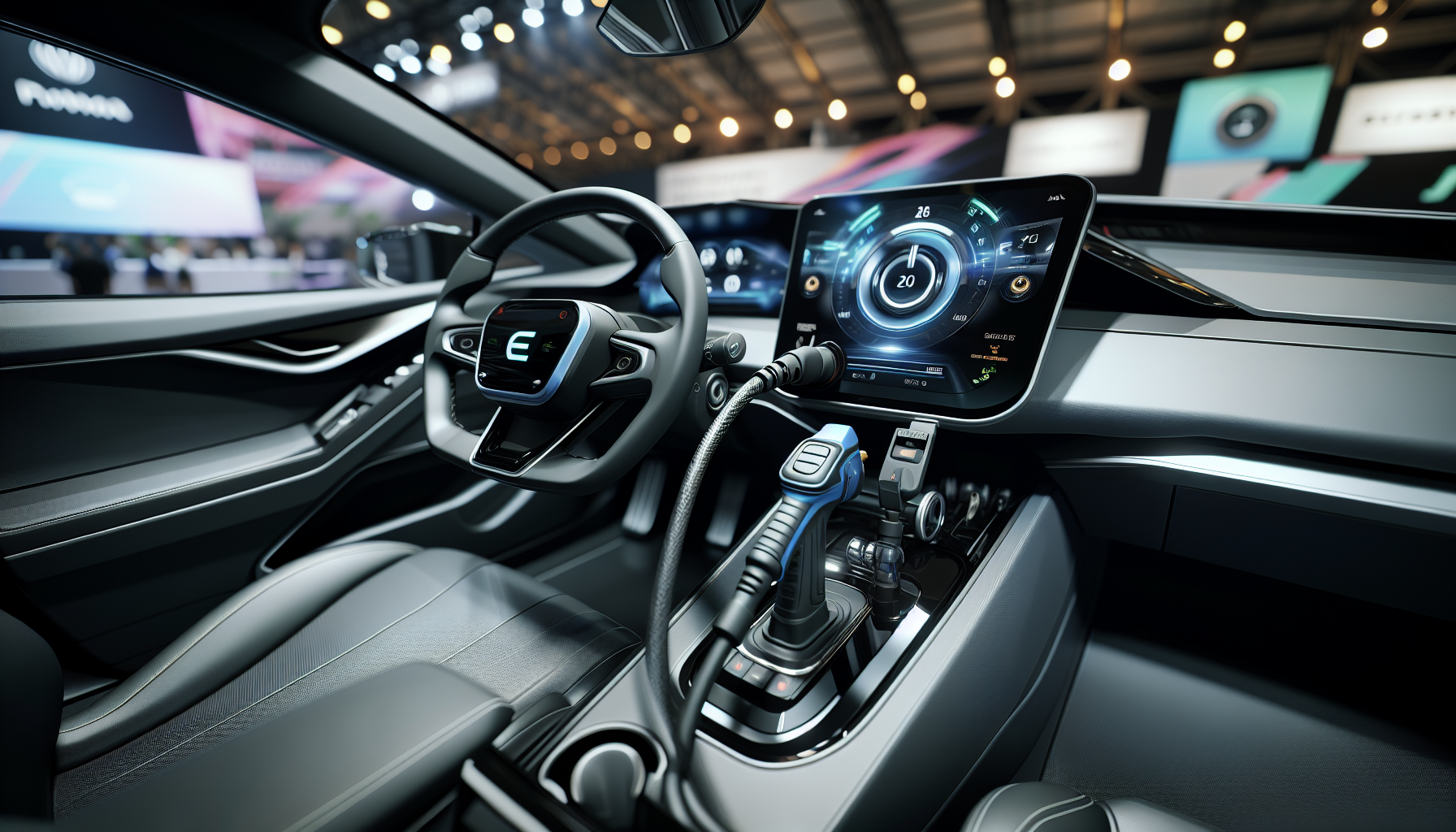
Interior, Tech & Practicality: Geely’s Influence Is Clear
Step inside the eMas 5 and you’ll immediately notice this isn’t your grandfather’s Proton. The cabin quality is a genuine generational leap — soft-touch materials on the dash, a floating 14.6-inch portrait touchscreen, and a 10.25-inch digital instrument cluster that all feel premium for the price point.
The infotainment system runs a customised Proton UI built on an Android-based OS, with wireless Apple CarPlay and Android Auto. Response times are snappy, the navigation is Malaysia-localised with Touch ‘n Go integration, and the over-the-air update capability means it should improve with time.
Rear passenger space is genuinely generous — adults over 180 cm will have adequate headroom and legroom behind a similarly-sized driver. The 579-litre boot easily swallowed a pram, two large suitcases, and our camera bag during testing. There’s no frunk, which is a missed opportunity given the RWD layout.
Notable standard features across both variants include:
- 360-degree surround view camera
- Powered tailgate with hands-free function
- V2L (Vehicle-to-Load) — 3.3 kW output, enough to power a kettle or laptop at the campsite
- Ventilated front seats (Long Range variant)
- ADAS suite: adaptive cruise control, lane-keep assist, blind-spot monitoring, automatic emergency braking
- NFC card key backup
One area we’d like to see improved: the physical button layout is minimal to the point of frustration. Adjusting the aircon temperature requires diving two levels into the touchscreen — a genuine inconvenience when you’re driving. It’s a design trend we’d happily see Proton reverse.
Proton eMas 5: Pros & Cons
✅ Pros
- Price-to-spec ratio is excellent — RM 109,800 for the Standard Range undercuts many rivals significantly
- SEA platform delivers real driving quality — handles far better than its price suggests
- Fast DC charging — 96 kW peak is among the fastest in this price class
- V2L standard across both variants — genuinely useful for Malaysian outdoor lifestyles
- Strong Proton service network — 147 authorised EV service centres nationwide at launch
- 8-year battery warranty — competitive confidence in the drivetrain
- Touch ‘n Go integrated natively — no afterthought, built properly for Malaysia
❌ Cons
- No frunk — a missed opportunity on the RWD Standard Range
- Touchscreen-heavy controls — aircon and some key settings buried in menus
- No LFP battery option — NMC chemistry means slightly more care needed for long-term battery health (keep below 90% daily)
- Limited DC fast-charger coverage outside Klang Valley and highways — improving but still a concern for outstation trips
- Brand-new model — long-term reliability remains unproven vs established rivals
Comparison: Proton eMas 5 vs BYD Atto 3 vs Volvo EX30
The eMas 5 sits in a competitive segment. Here’s how it stacks up against the two most obvious alternatives a Malaysian buyer would consider in 2026.
| Feature | Proton eMas 5 (Standard) | BYD Atto 3 | Volvo EX30 |
|---|---|---|---|
| Price (OTR, excl. ins.) | RM 109,800 | RM 149,800 | RM 188,000 |
| Battery | 49 kWh NMC | 60.5 kWh LFP | 51 kWh NMC |
| WLTP Range | 345 km | 420 km | 344 km |
| Real-World Range (MY) | ~289 km | ~295 km | ~275 km |
| Peak DC Charging | 100 kW | 88 kW | 153 kW |
| 0–100 km/h | 6.9 sec | 7.3 sec | 5.7 sec |
| Boot Space | 579 L | 440 L | 318 L |
| V2L | Yes | Yes | No |
| Platform | Geely SEA | BYD e-Platform 3.0 | Geely SEA |
| Battery Warranty | 8 years | 8 years | 8 years |
| Service Network (MY) | 147 centres | 38 centres | 22 centres |
The eMas 5’s service network advantage is genuinely significant for buyers outside the Klang Valley. Having a Proton service centre in your hometown is something neither BYD nor Volvo can match at this scale — and that peace of mind has real monetary value when something goes wrong.
The BYD Atto 3’s LFP battery is a meaningful advantage for battery longevity — LFP chemistry handles frequent 100% charging better than NMC. If you want to understand the battery chemistry differences in depth, our complete EV battery guide for Malaysian drivers covers it thoroughly.

FAQ — Proton eMas 5 Malaysia: 5 Questions Answered
1. What is the Proton eMas 5 price in Malaysia for 2026?
The Proton eMas 5 starts at RM 109,800 OTR (without insurance) for the Standard Range RWD, and RM 129,800 for the Long Range AWD. Both prices include current EV import and excise duty exemptions under Malaysia’s 2024–2025 EV incentive framework. For a full breakdown of what exemptions apply to your purchase, see our guide on EV incentives and tax exemptions in Malaysia 2026.
2. What is the real-world range of the Proton eMas 5 in Malaysian conditions?
In our real-world mixed test (city + highway, aircon on, 23°C), the Standard Range eMas 5 returned approximately 289 km from a full charge — about 84% of its 345 km WLTP rating. Highway-only range at 110 km/h was approximately 206 km. These are typical results; Malaysian heat and aircon usage will always trim WLTP claims.
3. How fast does the Proton eMas 5 charge on a DC fast charger?
The Standard Range eMas 5 charges at up to 100 kW DC, completing a 20–80% charge in approximately 27–28 minutes in our real-world test. The Long Range AWD supports up to 150 kW DC for the same 20–80% time. Both variants support 11 kW AC (3-phase) for overnight home charging.
4. Is the Proton eMas 5 better than the BYD Atto 3 for Malaysian buyers?
It depends on your priorities. The eMas 5 is significantly cheaper (RM 109,800 vs RM 149,800), has a larger boot, and boasts a far larger service network. The Atto 3 counters with a larger LFP battery (better for long-term health at 100% daily charging), and a more established reliability track record. If budget and after-sales coverage are priorities, the eMas 5 wins. If you want a proven EV with LFP chemistry, the BYD Atto 3 remains a strong choice.
5. Does the Proton eMas 5 qualify for the EV green number plate (JPJePlate) in Malaysia?
Yes — the Proton eMas 5 qualifies for Malaysia’s JPJePlate EV green number plate as a fully battery-electric vehicle. The green plate is assigned automatically upon registration for BEVs. For the full application process and what the plate means for your vehicle, read our complete JPJePlate guide.
Verdict: The Best Value EV SUV in Malaysia — With Caveats
The Proton eMas 5 is, without question, the most important Malaysian EV launch since the market opened up. It’s not a rebadged afterthought — it’s a genuinely competitive electric SUV that would hold its own against rivals in any market, not just against the gentle competition of national loyalty.
At RM 109,800, the Standard Range RWD offers a combination of charging speed, boot space, real-world range, and service accessibility that no competitor can fully match at that price point. The SEA platform delivers driving dynamics that feel premium, and the 8-year battery warranty signals real confidence from Proton.
The caveats are real but manageable. NMC battery chemistry means you should daily-charge to 80% for longevity. The touchscreen-heavy cabin is a modern frustration. And as a brand-new model, long-term reliability is simply unknown — though Geely’s platform track record across the Smart #1 and Volvo EX30 is encouraging.
If you’re in the market for an EV SUV under RM 130,000 in Malaysia, the eMas 5 Standard Range should be your first test drive. It earns a confident recommendation from us — with the note that you should keep an eye on long-term owner reports as they accumulate through 2026.
For more options in this price bracket, our complete guide to the best EVs under RM150k in Malaysia gives you a broader view of the segment.
evsifu.com Score: 8.4 / 10
| Category | Score (out of 10) |
|---|---|
| Value for Money | 9.5 |
| Real-World Range | 7.5 |
| Charging Speed | 8.5 |
| Driving Dynamics | 8.0 |
| Interior & Tech | 8.0 |
| Practicality | 8.5 |
| After-Sales & Warranty | 9.0 |
| Overall | 8.4 |
Tested by the evsifu.com editorial team. Our test vehicle was a pre-production media loan unit provided by Proton Malaysia. All range, efficiency, and charging figures are independently recorded by evsifu.com and may differ from official claims.