
The MITI CBU EV rules Malaysia 2026 are about to reshape the entire electric vehicle landscape in the country. Starting July 1, 2026, all fully imported (CBU) electric vehicles must meet a minimum CIF value of RM200,000 and a minimum power output of 180kW (245 PS / 241 hp). For buyers, this translates to a retail price floor of roughly RM300,000 — effectively wiping out every affordable imported EV currently on sale in Malaysia.
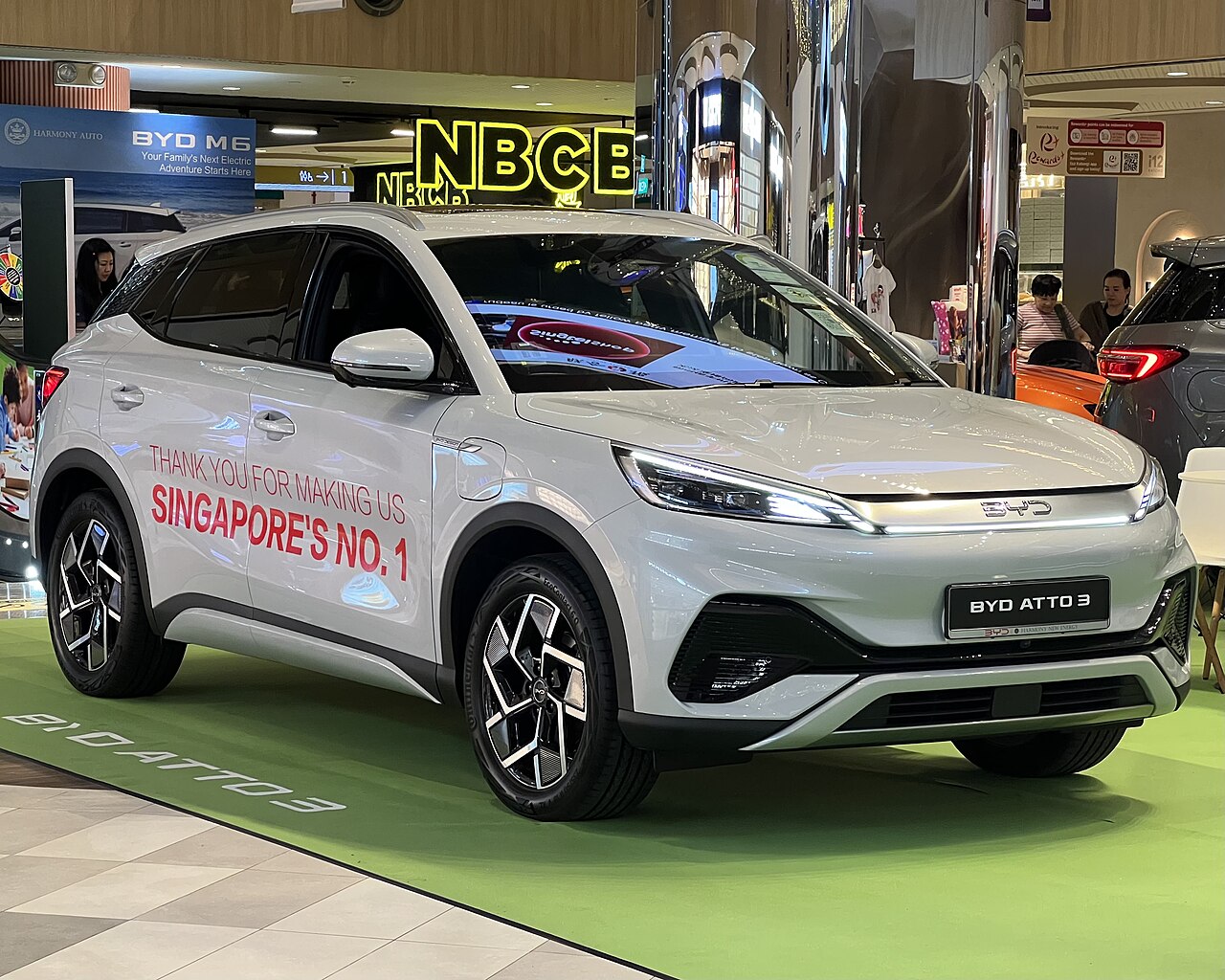
This is the most significant EV policy shift since the tax-free CBU EV exemption expired on December 31, 2025. Whether you’re eyeing a BYD Atto 3, a Nissan Leaf, or a Mini Cooper SE, here’s everything you need to know about how these new rules will affect your purchase decision — and which brands stand to win or lose.
What Are the New MITI CBU EV Rules?
MITI (Ministry of Investment, Trade and Industry) confirmed these updated requirements on April 30, 2026, giving the industry just two months to adapt. Here are the two key thresholds every CBU EV must meet from July 1:
| Requirement | New Threshold (July 2026) | Previous Rule (Jan 2026) |
|---|---|---|
| Minimum CIF Value | RM200,000 | RM250,000 selling price |
| Minimum Power Output | 180kW (245 PS) | 200kW (272 PS) |
| Effective Date | July 1, 2026 | January 1, 2026 |
CIF stands for Cost, Insurance and Freight — the declared value of the vehicle as it arrives in Malaysia, before any local taxes, duties, distributor margins, or dealer markups are applied.
ALSO READ: EV vs Petrol Running Cost Malaysia — The Complete Comparison
How Does RM200k CIF Become RM300k+ Retail?
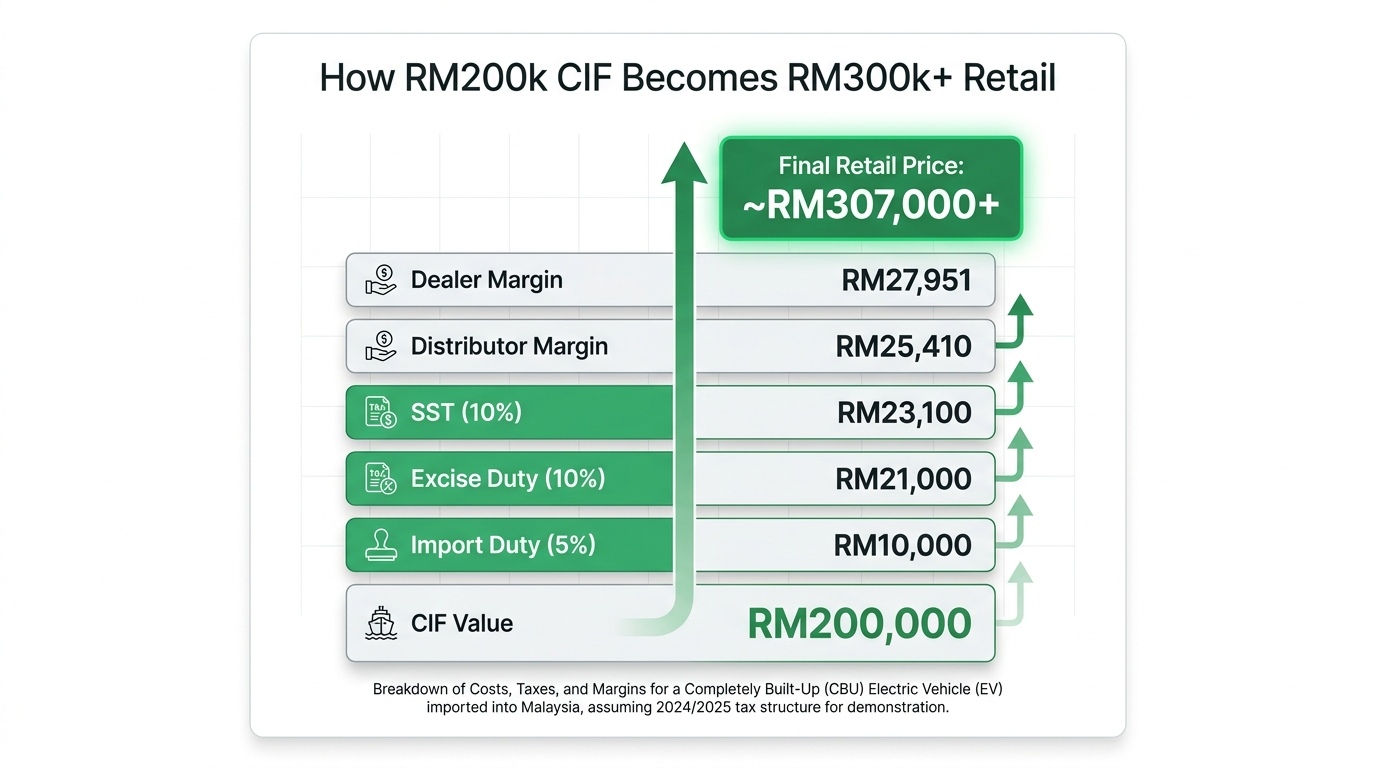
The RM200,000 CIF floor doesn’t mean you’ll pay RM200k at the showroom. CBU EVs are now subject to a stacking tax structure that pushes the final price far higher. Here’s how it works for a Chinese-origin EV:
| Component | Rate | Amount |
|---|---|---|
| CIF Value | — | RM200,000 |
| Import Duty | 5% (China FTA) | RM10,000 |
| Excise Duty | 10% | RM21,000 |
| Sales Tax (SST) | 10% | RM23,100 |
| Subtotal (Distributor Cost) | — | ~RM254,100 |
| Distributor Margin | ~10% | RM25,410 |
| Dealer Margin | ~10% | RM27,951 |
| Estimated Retail Price | — | ~RM307,000+ |
For EVs from non-FTA countries (Europe, South Korea), the import duty jumps to 30%, pushing the retail price to at least RM360,000. The bottom line: the era of sub-RM200k imported EVs in Malaysia is over.
ALSO READ: Cheapest EV in Malaysia 2026 — Complete Buyer’s Guide
Which EV Models Are Affected?
The 180kW power minimum is the real killer. Many popular, affordable EVs fall well below this threshold. Here’s a breakdown of models that fail the new requirements:
Models That Will Be Banned From July 1
| Brand | Model | Power Output | Current Price |
|---|---|---|---|
| BYD | Dolphin Standard | 70kW (95 PS) | ~RM99,800 |
| BYD | Atto 2 | 130kW (177 PS) | ~RM100,000 |
| BYD | Atto 3 Ultra | 150kW (204 PS) | ~RM125,800 |
| BYD | Seal 6 Dynamic | 95kW (129 PS) | ~RM100,000 |
| Nissan | Leaf | 110kW (150 PS) | ~RM170,000 |
| Toyota | Urban Cruiser EV | 128kW (174 PS) | RM198,000 |
| Toyota | bZ4X | 167kW (227 PS) | ~RM220,000 |
| Mini | Cooper SE | 160kW (218 PS) | ~RM193,888 |
| Mini | Aceman SE | 160kW (218 PS) | ~RM213,888 |
| GWM | Ora Good Cat Ultra | 105kW (143 PS) | ~RM109,800 |
| iCaur | 03 2WD | 135kW (184 PS) | ~RM120,000 |
| iCaur | V23 2WD | 100kW (136 PS) | ~RM119,800 |
| Honda | e:N1 | 150kW (204 PS) | RM149,900 |
Brands Losing Their Entire EV Lineup
Several automakers risk losing every single BEV model in Malaysia: BYD, Dongfeng, GWM, iCaur, Leapmotor, Mini, Smart, Toyota, and Weststar Maxus.
ALSO READ: BYD Atto 3 vs Chery Omoda E5 Malaysia 2026 — Which Is Better Value?
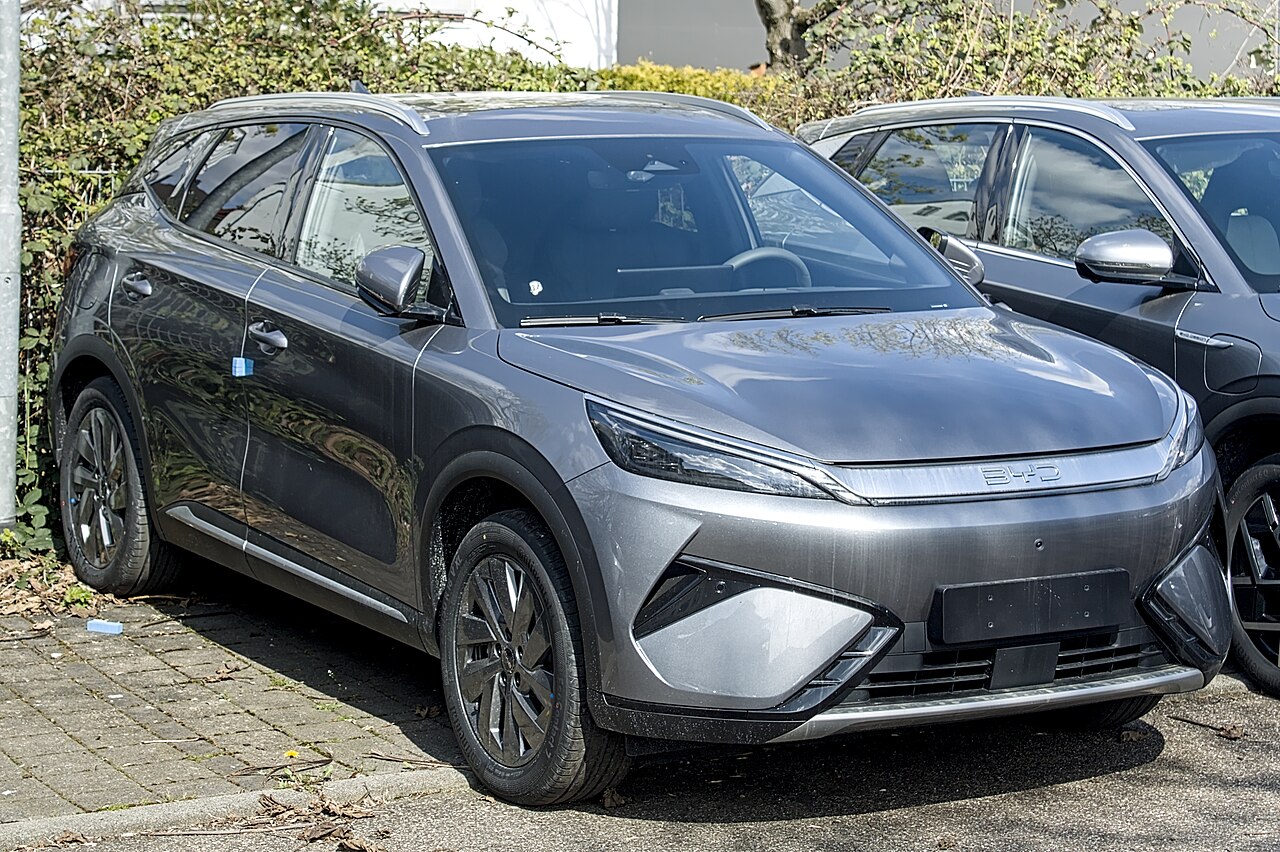
What About the BYD Atto 3 Evo?
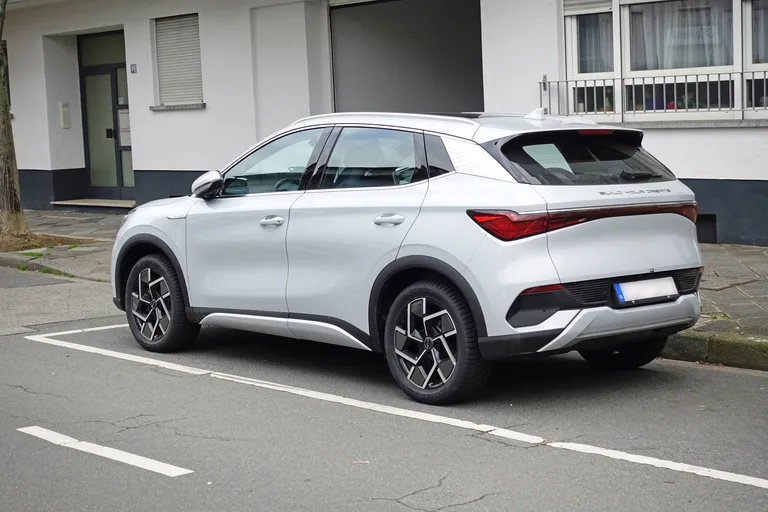
In a twist of timing, BYD launched the Atto 3 Evo in Malaysia on June 5, 2026 — just weeks before the new rules take effect. The Evo is a massive upgrade:
- Power: 230kW (313 PS) — clears the 180kW threshold
- Battery: 74.8 kWh (up from 60.48 kWh)
- Range: 510 km WLTP (up from 420 km)
- Charging: 220kW DC fast charging, 10-80% in 25 minutes
- Architecture: 800V platform
- 0-100 km/h: 5.5 seconds
However, the Atto 3 Evo arrives as a CBU and will still be subject to the RM200k CIF minimum and the full tax stack. Initial units arriving before July 1 may dodge the price floor under the transit exemption, but subsequent batches will be priced significantly higher.
Looking for a home charger for your new EV? Browse EV chargers at evsifu.com.my — Malaysia’s trusted source for home charging solutions.
Who Are the Winners?
Proton — The Clear Beneficiary
The new rules create an artificial gap in the RM100k–RM300k segment where Proton operates largely unopposed:
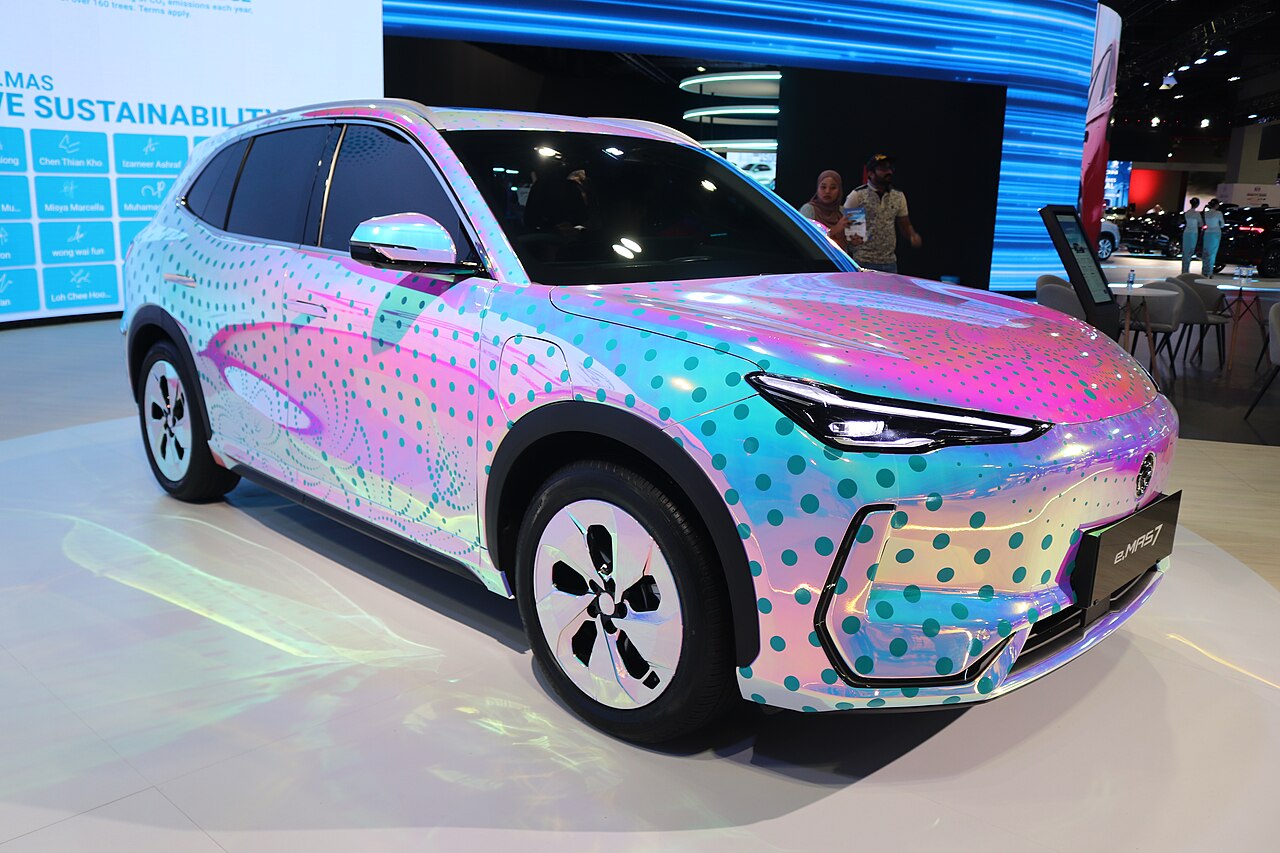
- Proton e.MAS 7 (CKD) — From RM99,800 (with promo). Locally assembled, exempt from CBU restrictions. Benefits from CKD tax exemptions until end of 2027.
- Proton e.MAS 5 (CBU with special dispensation) — Enjoys a CKD-bridging programme allowing Proton to import CBU units and sell them below RM100k.
Other Winners
- Perodua — Future EV models (like the QV-E) will be CKD and exempt
- Volvo EX30 — Already CKD assembled locally
- TQ Wuling Bingo — CKD assembled in Malaysia
- MG S5 EV — Already available as CKD at RM117,000
ALSO READ: EV Road Tax Malaysia 2026 — Rates & Exemptions Guide
The Exemptions — Who Gets a Pass?
Not all CBU EVs are immediately affected. MITI has confirmed these exemptions:
- Ready stock — Vehicles already in Malaysia before July 1
- Vehicles at port — Cars that have arrived at Malaysian ports before the deadline
- Vehicles in transit — EVs already shipped and en route to Malaysia
This means distributors are scrambling to bring in as many units as possible before the cut-off, and buyers may still find affordable CBU EVs at showrooms for a limited time after July 1 — while stocks last.
Tesla’s position remains uncertain due to its special BEV Global Leaders programme status, which operates under different rules than the standard franchise AP system.
ALSO READ: Complete Home EV Charging Guide Malaysia
Why Is MITI Doing This?
MITI has been direct about the rationale:
- Encourage CKD investment — Force brands to set up local assembly plants rather than simply importing finished vehicles
- Protect national carmakers — Shield Proton and Perodua from competition in the affordable EV segment
- Reduce trade imbalance — Limit the outflow of ringgit on fully imported vehicles
- Prevent dumping — Stop Malaysia from becoming a “dumping ground for excess and cheap, low-quality cars”
However, the Malaysian Automotive Association (MAA) has raised concerns. Speaking at KLIMS 2026, MAA President Mohd Shamsor Mohd Zain warned that limiting EV choices “could derail the government’s intention towards net zero emissions by 2050.” He noted that EVs account for less than 4% of Malaysia’s Total Industry Volume (TIV), compared to over 15% in Thailand, Indonesia, and Vietnam.
Critics have also pointed out that MITI has changed the rules three times since January 2026, creating uncertainty for manufacturers considering CKD investments — the very thing the policy is meant to encourage.
What Should Buyers Do Now?
Buy Now (Before July 1)
- Dealers still have ready stock of sub-RM200k CBU EVs
- These vehicles are exempt from the new rules
- Prices will only go up — there’s no reason to wait
Consider CKD Alternatives
- Proton e.MAS 7 from RM99,800 — best value CKD EV
- MG S5 EV from RM117,000
- Volvo EX30 CKD — premium option
- More CKD models expected as brands accelerate local assembly plans
Watch for CKD Announcements
- Several brands are reportedly accelerating CKD plans in response to MITI’s rules
- BYD’s CKD operations in Tanjung Malim remain in discussion
- Expect more locally assembled EV options by late 2026 and 2027
Ready to make the switch to electric? Find the perfect home EV charger at evsifu.com.my — expert advice, installation support, and the best brands for Malaysian homes.
Frequently Asked Questions
What are the new MITI CBU EV rules effective July 2026?
From July 1, 2026, all fully imported (CBU) electric vehicles must have a minimum CIF value of RM200,000 and a minimum power output of 180kW (245 PS). This effectively sets a retail price floor of approximately RM300,000 for imported EVs in Malaysia.
Which EV models are affected by the MITI CBU rules?
Popular models like the BYD Atto 3, Nissan Leaf, Toyota bZ4X, Mini Cooper SE, GWM Ora Good Cat, and iCaur 03 all fall below the 180kW power threshold and will be banned from import after July 1. Entire brand lineups from BYD, GWM, iCaur, Mini, Smart, and Toyota may be wiped out.
Are there any exemptions to the new CBU EV rules?
Yes. Ready stock already in Malaysia, vehicles at port, and vehicles in transit before July 1 are all exempt. CKD (locally assembled) EVs like the Proton e.MAS 7 and MG S5 EV are not affected by CBU import rules at all.
Why is MITI introducing these CBU EV restrictions?
MITI says the rules are designed to encourage car manufacturers to invest in CKD (local assembly) operations in Malaysia, protect investments by national carmakers like Proton and Perodua, and reduce Malaysia’s trade imbalance on fully imported vehicles.
Will EV prices increase in Malaysia after July 2026?
Yes, for CBU imported EVs. The minimum retail price will effectively be RM300,000+ for Chinese-origin EVs and RM360,000+ for European EVs due to the CIF floor plus stacking import duty, excise duty, and sales tax. CKD EVs remain exempt from these increases.
Is the BYD Atto 3 Evo affected by the new MITI rules?
The BYD Atto 3 Evo has 230kW of power, clearing the 180kW threshold. However, it arrives as a CBU and will still be subject to the RM200k CIF minimum and full tax structure. Initial units before July 1 may benefit from transit exemptions.
What are the cheapest EVs still available in Malaysia after July 2026?
CKD models remain affordable: Proton e.MAS 7 from RM99,800, MG S5 EV from RM117,000, and TQ Wuling Bingo (CKD). These locally assembled EVs are exempt from the CBU import restrictions.
How does Malaysia’s EV adoption compare to other ASEAN countries?
Malaysia’s EV share is less than 4% of total industry volume, compared to over 15% in Thailand, Indonesia, and Vietnam. The MAA has warned that restricting EV choices could derail Malaysia’s net zero emission targets for 2050.
Conclusion
The new MITI CBU EV rules taking effect on July 1, 2026 represent a seismic shift for Malaysian EV buyers. The RM200k CIF floor and 180kW power minimum will eliminate nearly every affordable imported EV from the market, pushing CBU prices above RM300k and creating a protected space for locally assembled alternatives.
For buyers, the message is clear: if you want an affordable imported EV, buy now while ready stock is still available. For the longer term, CKD options like the Proton e.MAS 7 offer the best value, and more locally assembled models are on the way.
Whether this policy accelerates EV adoption or stalls it remains to be seen — but one thing is certain: the Malaysian EV market will never be the same after July 1.
Planning to go electric? Visit evsifu.com.my for expert advice on home EV chargers, installation guides, and the best charging solutions for your Malaysian home or condo.