
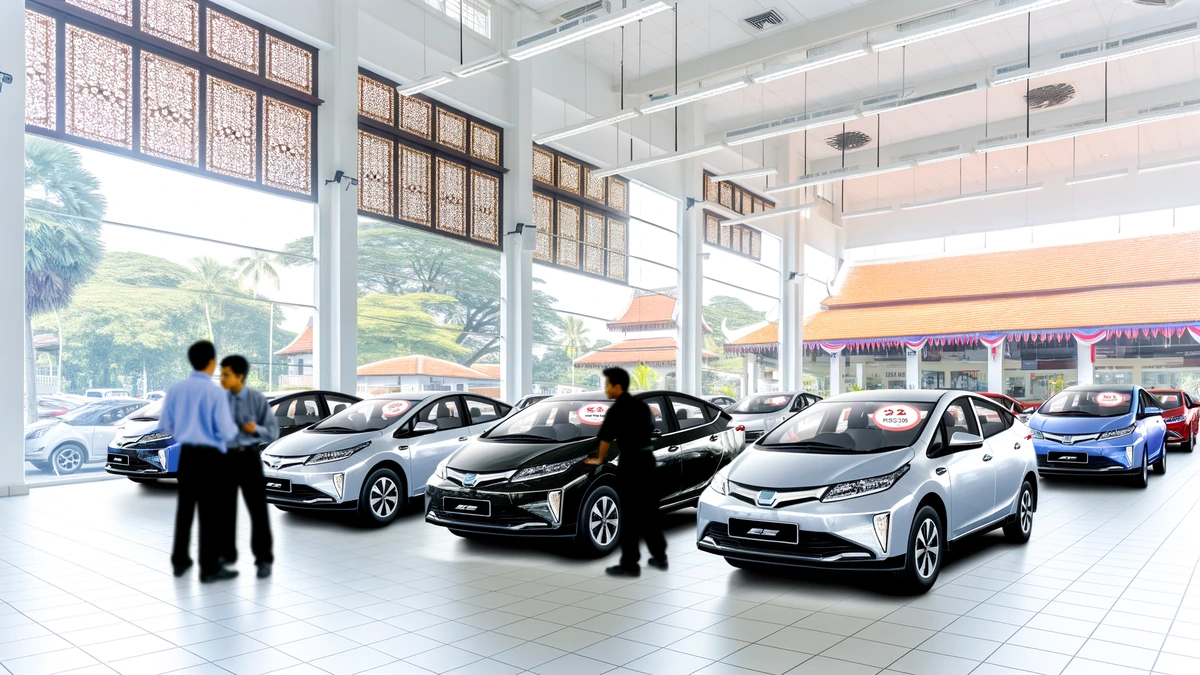
The Malaysia EV prices 2026 landscape looks dramatically different from just four months ago. When the clock struck midnight on December 31, 2025, the generous tax holiday that fuelled Malaysia’s EV boom officially expired — and the market has been reshuffling ever since.
But here’s the surprise: the predicted “EV apocalypse” hasn’t happened. Instead, Q1 2026 has revealed clear winners and losers, with locally assembled (CKD) models surging ahead while some imported brands quietly absorb massive tax hits just to stay competitive.
We’ve crunched the JPJ registration data, tracked every price change, and spoken to industry watchers. Here’s the full picture of what’s really happening to EV prices in Malaysia — and what it means for your next car purchase.
Table of Contents
What Changed on January 1, 2026?
Before we dive into the numbers, let’s understand exactly what shifted. Prior to 2026, fully imported (CBU) electric vehicles enjoyed 100% exemption from import duty, excise duty, and sales tax. That made EVs surprisingly affordable in Malaysia — arguably too affordable for the government’s industrial policy goals.
From January 1, 2026, CBU EVs now face:
- Import duty: Up to 30% (but only 5% for China-made EVs under ACFTA, and 0% for Japan under JMEPA)
- Excise duty: 10% (compared to 60–105% for ICE vehicles)
- Sales tax: 10% (same as ICE vehicles)
Meanwhile, CKD (locally assembled) EVs remain exempt from excise duty and sales tax until the end of 2027, with import duty exemption on components. This creates a massive pricing advantage for brands that build locally.
ALSO READ: EV Road Tax Malaysia 2026: Rates & Exemptions
The Price Change Scoreboard: Who Raised Prices, Who Didn’t?
Here’s where it gets interesting. Despite the new taxes, several major brands chose to absorb the cost rather than pass it to consumers. Others had no choice but to raise prices. And CKD models? They’re laughing all the way to the showroom.
Brands That Absorbed The Tax Hit
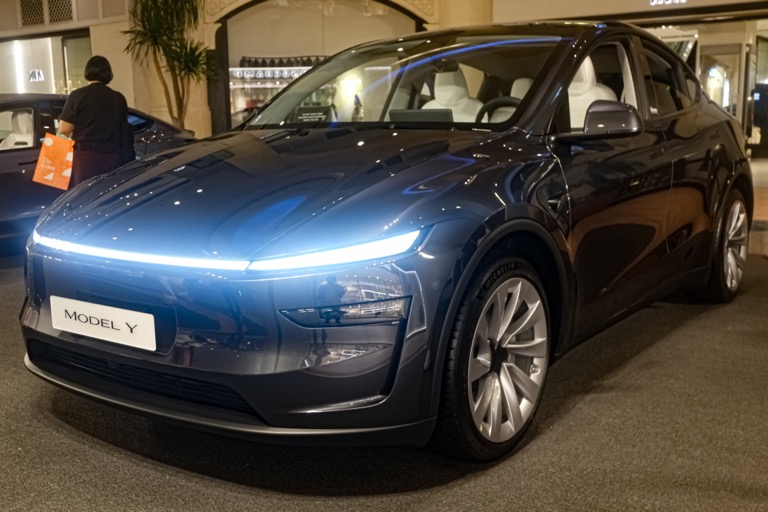
Tesla made the boldest move. On January 6, 2026, Tesla Malaysia confirmed that Model 3 and Model Y prices would remain completely unchanged for 2026. The Tesla Model 3 stays at RM169,000, while the Tesla Model Y holds at RM195,450. Tesla called Malaysia an “important market” and said the decision supports its commitment to accelerating EV adoption.
How is this possible? Tesla ships from its Shanghai Gigafactory, qualifying for the preferential 5% ACFTA import duty instead of the standard 30%. Even so, absorbing the 10% excise duty and 10% sales tax is a significant margin hit.
BMW also kept all its EV prices unchanged for 2026 — the iX, i4, i5, and i7 all maintain 2025 pricing. Interestingly, BMW did raise prices on its petrol models by up to RM16,000, making the relative value of its EVs even stronger.
MINI followed suit, with all five of its electric models — Cooper SE, JCW E, Aceman SE, JCW Aceman E, and Countryman SE All4 — holding steady at 2025 prices.
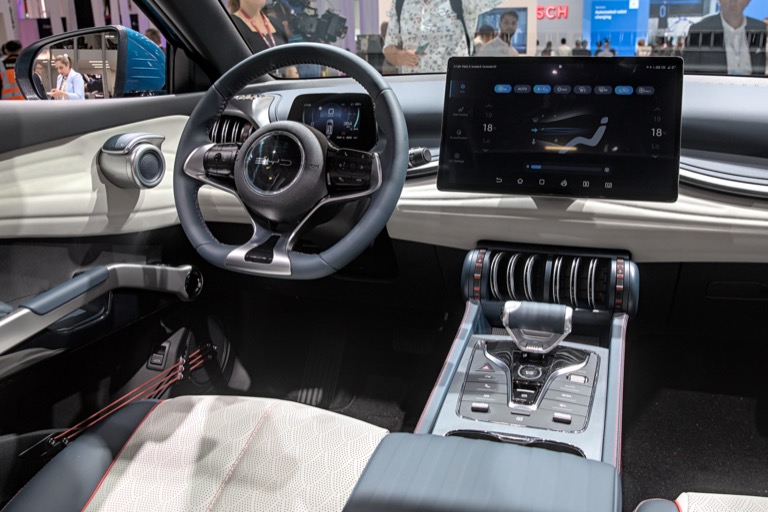
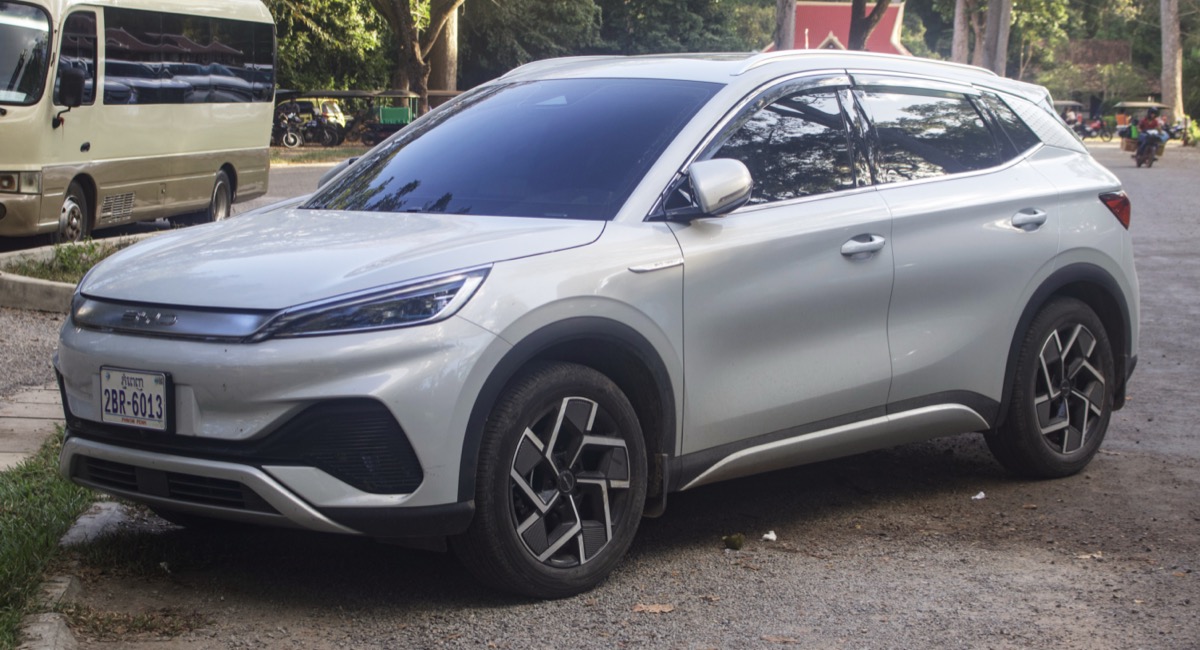
BYD — Malaysia’s previous EV sales champion — also appears to have largely maintained its pricing. The BYD Atto 3 remains at RM123,800–RM167,800, the BYD Dolphin at RM100,530–RM125,530, and the BYD Seal at RM171,800–RM191,800. Like Tesla, BYD benefits from the 5% China ACFTA rate, which significantly reduces the tax impact.
ALSO READ: BYD Atto 3 vs Chery Omoda E5 Malaysia 2026
The RM250,000 Floor for New Brands
Here’s a curveball that didn’t get enough attention. Reports emerged in late December 2025 that new CBU EV brands entering Malaysia from 2026 must price their vehicles above RM250,000 with a minimum motor power of 200 kW (272 PS). This effectively blocks budget Chinese EV brands from entering via the CBU import route, funnelling them toward CKD assembly instead.
This policy creates a two-tier market: established brands (BYD, Tesla, BMW, Mercedes) can continue selling CBU EVs at current prices, while newcomers face a prohibitively high entry barrier unless they commit to local assembly.
The CKD Winners: Proton, MG & The Affordable EV Revolution
The real story of Q1 2026 isn’t about price increases — it’s about the CKD models that are crushing the competition on price and value.
Proton eMAS 5: Malaysia’s Bestselling EV
The Proton eMAS 5 has become an absolute phenomenon. Priced from just RM56,800 (with the extended RM3,000 rebate), it’s not just the cheapest EV in Malaysia — it’s cheaper than many petrol cars.
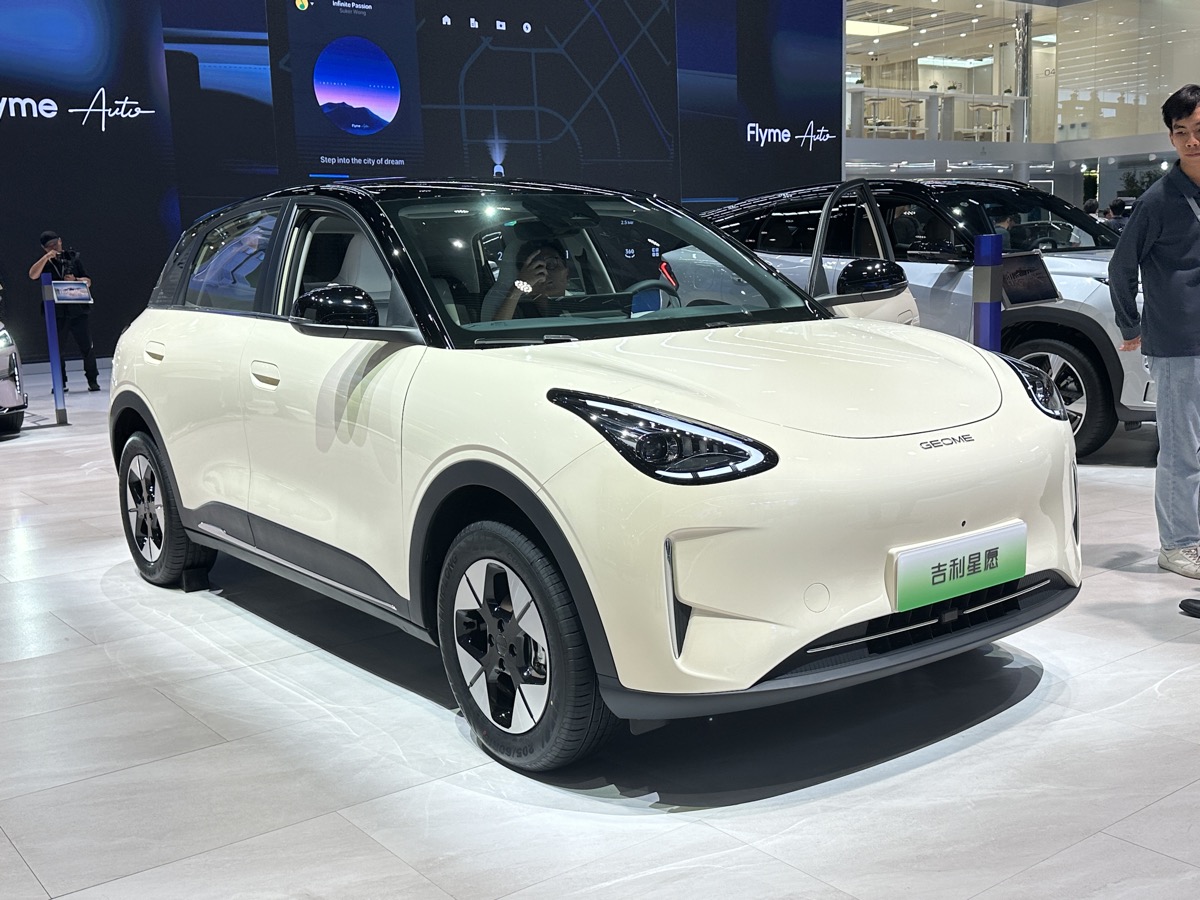
In January 2026, Proton delivered 3,068 units of the eMAS 5 — the highest-ever monthly delivery for any single Pro-Net model and the highest for any EV in a single month in Malaysian history. The eMAS 5 is now Proton’s second best-selling model, behind only the legendary Saga.
Key specs:
- Price: RM56,800–RM69,800 (with rebate)
- Range: Up to 330 km (WLTP)
- Battery: 44.3 kWh LFP
- Power: 120 kW (163 PS)
ALSO READ: EV vs Petrol Running Cost Malaysia
Proton eMAS 7: CKD Value King
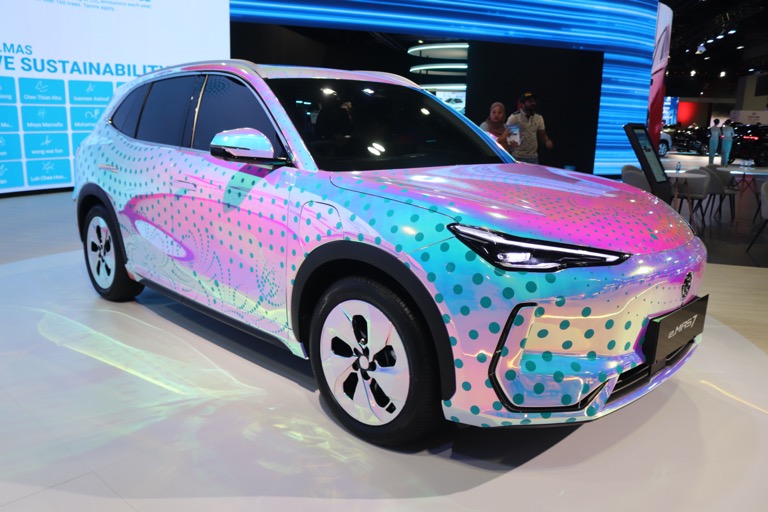
The Proton eMAS 7 received a CKD update for 2026 with improved ADAS features and a standard power tailgate, priced from RM104,000 (or RM99,800 with the RM4,000 Welcome Benefit for the first 5,000 buyers).
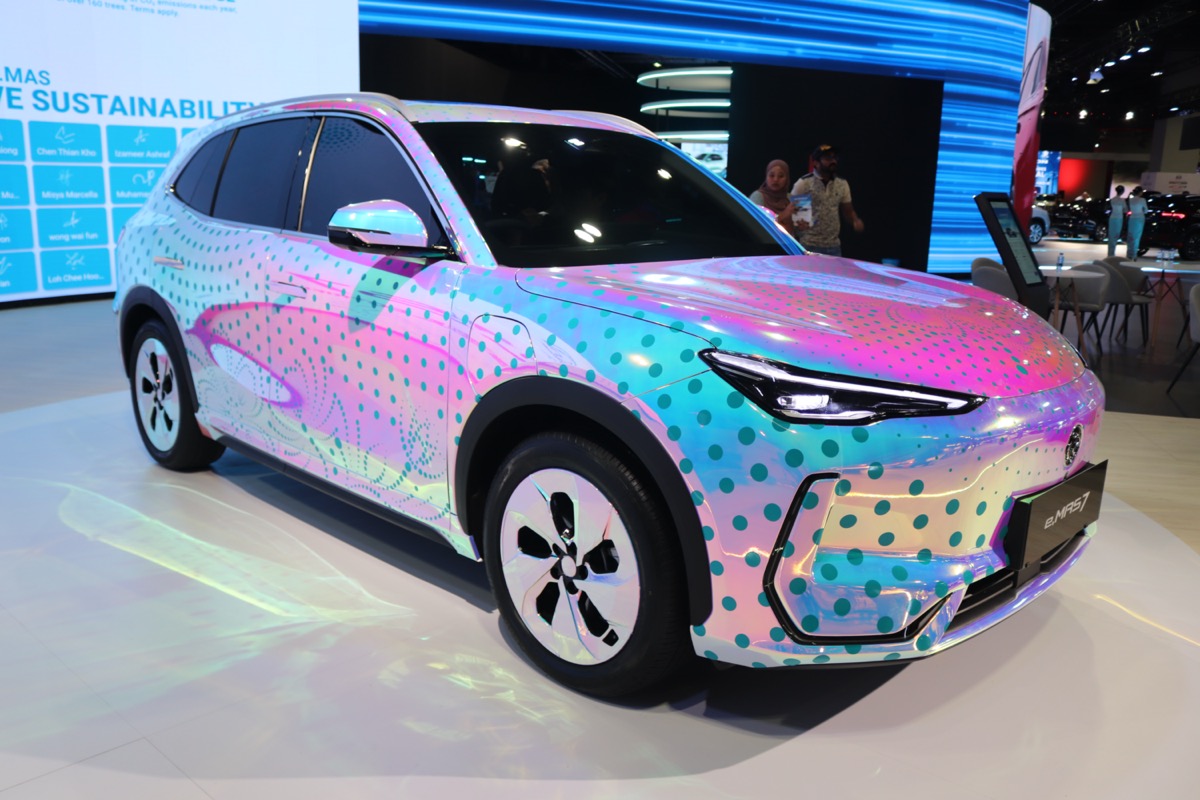
In February 2026, Proton also launched the eMAS 7 PHEV — Malaysia’s cheapest plug-in hybrid — starting at RM105,800 (after launch rebate) with an incredible 996 km combined range (WLTP).
MG S5 EV: The CKD Disruptor
On March 10, 2026, MG Motor Malaysia rolled out the first locally assembled MG S5 EV from its Melaka plant. The CKD model is now open for booking at an estimated RM120,000 — roughly RM8,000 less than the previous CBU version.
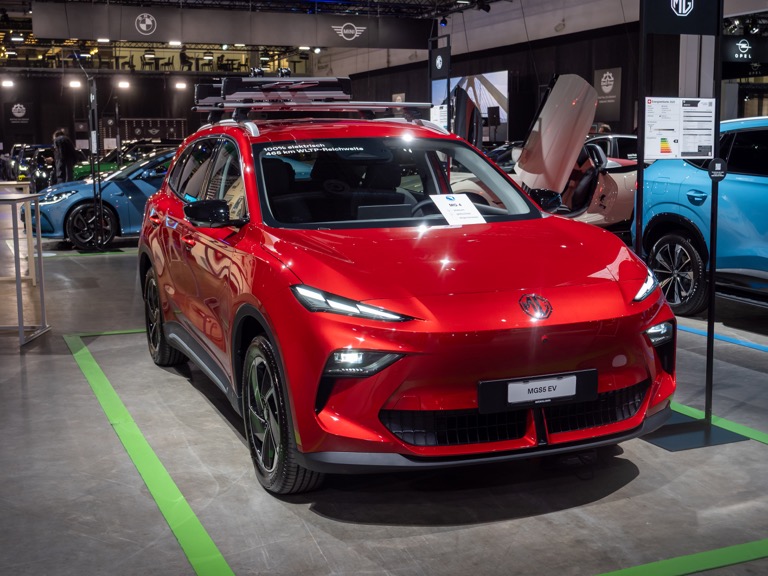
But the CKD version isn’t just cheaper — it’s better:
- Power: 151 kW (205 PS) — up from 125 kW in the CBU
- Torque: 350 Nm — up from 250 Nm
- Range: 446 km (WLTP) — up from 430 km
- Early bird deal: RM7,000 rebate + free 7 kW wallbox charger + RM1,000 charging credits
ALSO READ: Complete Home EV Charging Guide Malaysia
Complete EV Price Comparison Table: Before vs After Tax Exemption
Here’s the data you’ve been waiting for — a comprehensive comparison of EV prices in Malaysia, how they’ve changed, and which models benefit from CKD tax advantages.
| Model | Type | 2025 Price (RM) | 2026 Price (RM) | Change | Notes |
|---|---|---|---|---|---|
| Proton eMAS 5 Prime | CKD | 59,800 | 56,800* | ↓ RM3,000 | *With extended rebate |
| Proton eMAS 5 Premium | CKD | 72,800 | 69,800* | ↓ RM3,000 | *With extended rebate |
| Proton eMAS 7 Prime | CKD | 109,800 | 99,800* | ↓ RM10,000 | *With Welcome Benefit |
| Proton eMAS 7 Premium | CKD | 119,800 | 115,800* | ↓ RM4,000 | *With Welcome Benefit |
| MG S5 EV | CKD | ~128,000 | ~120,000 | ↓ ~RM8,000 | More power, better range |
| BYD Dolphin Dynamic | CBU | 100,530 | 100,530 | — | 5% ACFTA duty |
| BYD Atto 3 Ultra | CBU | 123,800 | 123,800 | — | Price absorbed |
| Chery Omoda E5 | CBU | 146,800 | 146,800 | — | Unchanged |
| Tesla Model 3 RWD | CBU | 169,000 | 169,000 | — | Price absorbed |
| BYD Seal Premium | CBU | 171,800 | 171,800 | — | Price absorbed |
| Tesla Model Y RWD | CBU | 199,000 | 195,450 | ↓ RM3,550 | Price reduced |
Note: CKD models benefit from excise duty and sales tax exemptions until end-2027.
Q1 2026 Sales Data: The Numbers Don’t Lie
JPJ registration data tells a compelling story about where the market is heading.
| Month | Total EVs | YoY Change | EV Share of TIV | Top Model |
|---|---|---|---|---|
| January 2026 | 6,239 | +189% | 9.18% | Proton eMAS 5 (3,068) |
| February 2026 | 3,635 | +68% | ~7% | Proton eMAS 5 (1,562) |
| March 2026 | 3,023 | N/A | ~6% | Proton eMAS 5 (2,071) |
| Q1 Total | ~12,897 | — | ~7.4% | Proton eMAS 5 (6,701) |
The Proton eMAS 5 alone accounted for over half of all EV registrations in Q1 2026. Proton reported its Q1 2026 sales hit 49,140 units — the highest since 2004 — with EV growth as a major driver. That’s a 40.1% increase year-on-year.
The January spike (6,239 units) was partly driven by vehicles ordered in late 2025 before the tax holiday ended. February and March settled into a more sustainable rhythm, but still showed strong YoY growth.
ALSO READ: Cheapest EV Malaysia 2026
Winners and Losers: The Q1 2026 Report Card
Winners
- Proton — Dominant. The eMAS 5 is the undisputed EV king. CKD advantages mean Proton can price aggressively while competitors face tax headwinds.
- CKD assemblers — MG (Melaka plant), Proton, and upcoming BYD CKD operations all benefit from the policy framework that rewards local assembly.
- Budget EV buyers — More affordable options than ever. The eMAS 5 at RM56,800 has brought EV ownership to the masses.
- Tesla — Bold pricing strategy maintained market presence. Tesla showed it’s willing to sacrifice margins to hold share.
Losers
- New Chinese brands — The RM250,000 minimum floor for new CBU entrants locks them out unless they commit to CKD. Several brands have reportedly paused their Malaysia entry plans.
- Premium CBU importers — Mercedes-Benz, Volvo, and other premium European EV brands face the full 30% import duty, making their EVs significantly more expensive relative to CKD alternatives.
- Consumers who waited — Anyone who delayed their CBU EV purchase past December 2025 missed the best deals. The rush in Q4 2025 saw record EV registrations as buyers scrambled to beat the deadline.
- EV charger rollout — Industry analysts warn that if CBU EV sales slow, the business case for expanding public charging infrastructure weakens.
What’s Coming Next: H2 2026 and Beyond
The CKD shift is just getting started. Here’s what’s on the horizon:
- BYD CKD plant — BYD is completing its Malaysian CKD facility in H2 2026. Once operational, expect significantly lower prices for the Atto 3, Dolphin, and Seal.
- XPeng CKD — XPeng targets CKD rollout by late 2026.
- Perodua EV — Perodua’s first EV is in development, which could bring prices even lower for the mass market.
- Wuling Bingo — Already available from RM67,800, the Wuling Bingo offers another ultra-affordable CKD option.
Maybank analysts have called 2026 a “pivotal year for EV-related FDIs in Malaysia,” noting that the policy framework is successfully attracting manufacturing investment — exactly what the government intended when it let CBU exemptions expire.
What Should Buyers Do Now?
If you’re in the market for an EV in 2026, here’s our practical advice:
Buy now if:
- You want a CKD model (Proton eMAS 5, eMAS 7, MG S5 EV) — prices won’t get much lower, and current launch rebates won’t last forever
- You’re eyeing a Tesla or BYD — they’ve absorbed the tax hit for now, but there’s no guarantee they’ll hold prices indefinitely
Wait if:
- You want a BYD CKD model — the local plant should bring prices down in late 2026/2027
- You’re interested in upcoming models like the Perodua EV or XPeng CKD variants
Consider a home charger: With more Malaysians driving EVs, home charging is increasingly essential — especially if you live in a landed property or a condo with EV-ready parking. A good home charger saves you time and money compared to relying solely on public chargers.
Looking for a home EV charger? Browse our range of certified home chargers at evsifu.com.my — we offer installation services across Peninsular Malaysia.
ALSO READ: Best Home EV Charger Malaysia
Frequently Asked Questions
Did EV prices go up in Malaysia in 2026?
It depends on the model. CKD EVs actually got cheaper thanks to competitive pricing and manufacturer rebates. Most CBU brands like Tesla and BYD absorbed the new taxes and kept prices unchanged. However, some premium European CBU models face higher costs, and new brands must now price above RM250,000.
What taxes do imported EVs pay in Malaysia in 2026?
From January 1, 2026, CBU (imported) EVs face up to 30% import duty (5% for China under ACFTA, 0% for Japan), 10% excise duty, and 10% sales tax. CKD (locally assembled) EVs remain exempt from excise duty and sales tax until end-2027.
What is the cheapest EV in Malaysia in 2026?
The Proton eMAS 5 Prime at RM56,800 (with the RM3,000 rebate) is the cheapest new EV in Malaysia. The Wuling Bingo at RM67,800 is the second cheapest option.
Why didn’t Tesla raise prices in Malaysia?
Tesla Malaysia confirmed it would absorb the new taxes to maintain pricing and support EV adoption in what it calls an “important market.” Tesla’s China-made vehicles also benefit from the lower 5% ACFTA import duty rather than the standard 30%.
Is it better to buy a CKD or CBU EV in Malaysia now?
CKD EVs offer better value in 2026. They benefit from ongoing tax exemptions (until end-2027), manufacturer rebates, and competitive pricing. Models like the Proton eMAS 5, eMAS 7, and MG S5 EV deliver excellent specs at prices that CBU models can’t match without significant margin sacrifice.
Will EV prices drop further in Malaysia?
Likely yes, but mainly for models that transition to CKD assembly. BYD’s Malaysian CKD plant (expected H2 2026) should bring BYD prices down significantly. CKD tax exemptions run until end-2027, giving manufacturers a window to build market share at competitive prices.
What is the RM250,000 minimum for new EV brands?
From 2026, new CBU EV brands that have never sold in Malaysia must price their vehicles above RM250,000 with a minimum motor power of 200 kW. This protects local assemblers and channels new entrants toward CKD investment rather than pure imports.
Conclusion
Three months after the EV tax exemption ended, the Malaysian EV market isn’t collapsing — it’s transforming. The policy shift has accelerated exactly what the government wanted: a pivot from cheap imports to local manufacturing.
Proton has emerged as the undeniable winner with the eMAS 5 dominating sales charts. CKD assembly is the future of affordable EVs in Malaysia, and brands that invest in local production will thrive.
For Malaysian buyers, 2026 is actually a great time to go electric — especially if you’re looking at CKD models offering genuine value. And with the right home charging setup, you’ll save thousands in running costs compared to petrol.
Ready to make the switch? Start with the right home charger. Browse our range of EV chargers at evsifu.com.my — from 7 kW wall boxes to 22 kW smart chargers, professionally installed across Peninsular Malaysia.
ALSO READ: Complete Home EV Charging Guide Malaysia