
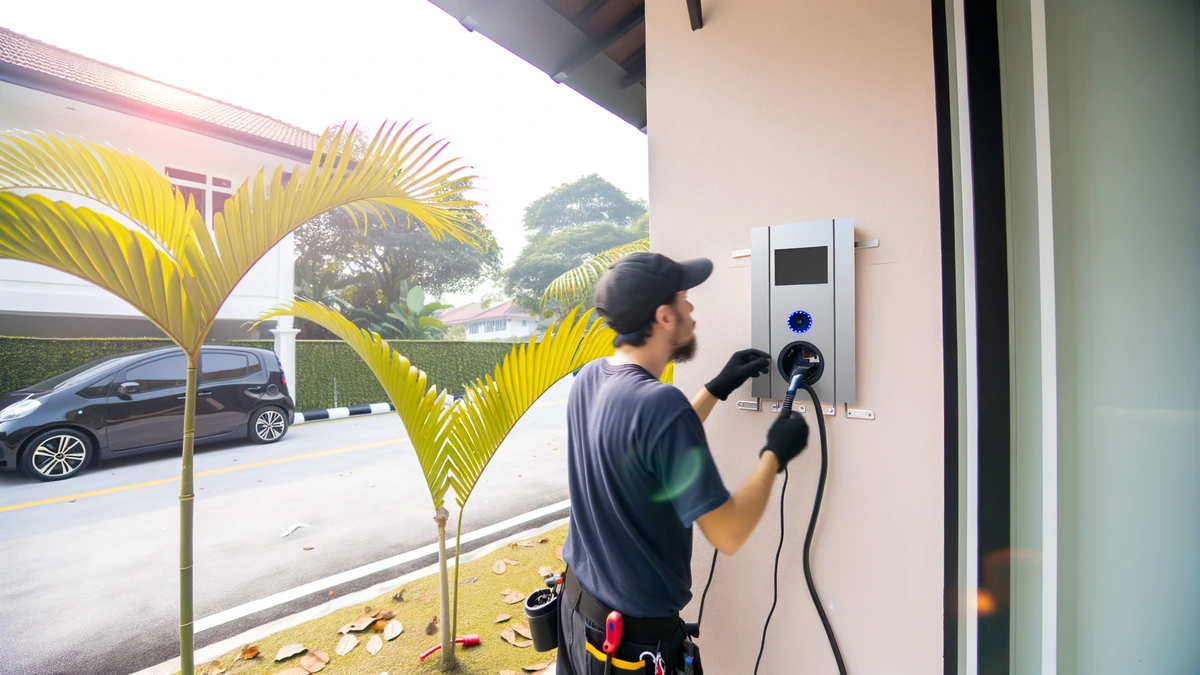
Planning to install an EV charger at home in Malaysia? You are making the smartest move any EV owner can make. Home charging is up to 70% cheaper than public charging, and you wake up every morning with a full battery — no detours, no queues.
But before you drill holes in your wall, there is a process to follow. From TNB load assessments to wiring specs, DB board upgrades, and getting the right permits — especially if you live in a condo — this guide walks you through everything step by step.
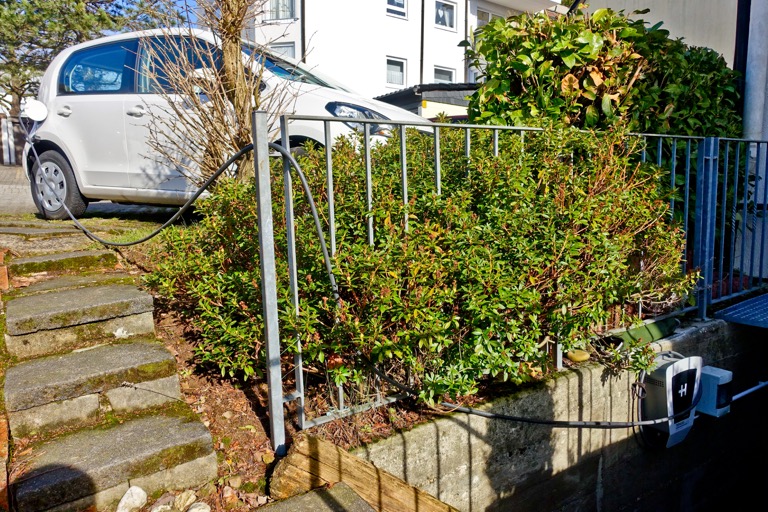
Whether you own a BYD Atto 3, Tesla Model Y, Proton e.MAS 7, or any other EV sold in Malaysia, this guide applies to you. By the end, you will know exactly what it costs, who to hire, and how to claim your RM2,500 tax relief from LHDN.
In This Guide
Why You Should Charge at Home Instead of Public Chargers
Public charging in Malaysia is improving, but it is still not convenient enough for daily use. Here is why home charging wins:
- Cost savings: TNB domestic electricity rates mean a full charge costs around RM10–RM18 depending on your EV battery size, compared to RM30–RM60 at public DC fast chargers
- Convenience: Plug in when you get home, unplug in the morning — zero effort
- Battery health: Slow AC charging at home (7kW) is gentler on your battery than repeated DC fast charging
- No app juggling: No need to deal with multiple charging network apps and payment methods
ALSO READ: Complete Home EV Charging Guide Malaysia
Step-by-Step: How to Install an EV Charger at Home in Malaysia
Step 1: Check Your Home Electrical Capacity
Before buying any charger, you need to know what your home electrical system can handle. This is the most important step and the one most people skip.
Single-phase supply (most Malaysian homes): Supports a total load of up to 10 kW. A standard 7kW wallbox will work, but only if your existing household load does not already max out your supply.
Three-phase supply (some bungalows and semi-Ds): Supports loads above 10 kW, allowing you to run 11kW or 22kW chargers for faster home charging.
How to check: Look at your TNB meter or your electricity bill. Single-phase shows 240V, while three-phase shows 415V.
Step 2: Hire an ST-Registered Contractor
This is not a DIY job. By law, all EV charger installations must be done by a contractor registered with Suruhanjaya Tenaga (ST) — the Energy Commission of Malaysia.
The contractor will:
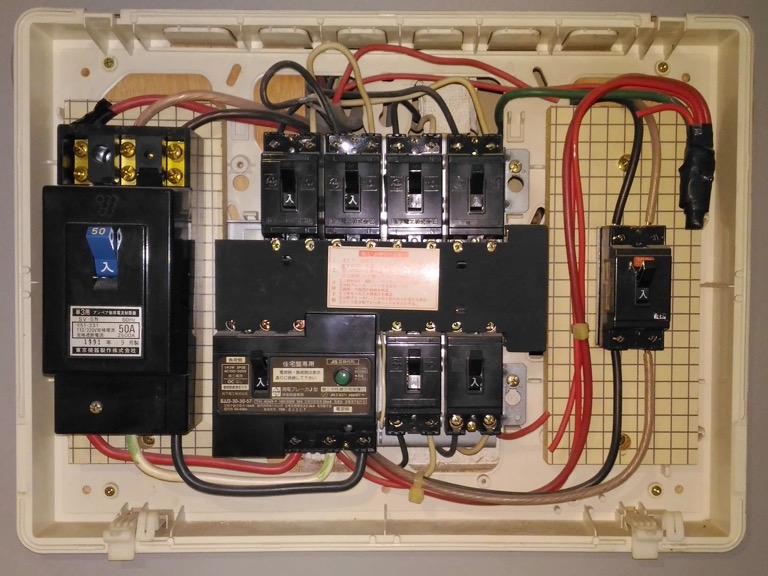
- Inspect your distribution board (DB) and internal wiring
- Perform a Load Profile Test to assess your electrical capacity
- Determine if you need a TNB load upgrade
- Install the charger with the correct MCB (miniature circuit breaker) and RCD (residual current device)
Pro tip: Always ask your contractor for their ST registration number. Do not hire an unlicensed electrician — it voids your warranty and can be dangerous.
ALSO READ: Best Home EV Charger Malaysia
Step 3: TNB Load Upgrade (If Needed)
If the Load Profile Test shows your home electrical capacity is insufficient, your contractor will apply to TNB for a load upgrade. This is common for older houses built before 2015.
What a TNB load upgrade involves:
- Upgrading your main circuit breaker and DB board
- Replacing old wiring with minimum 6mm² cable (or 10mm² if exposed to sunlight)
- Possibly upgrading from single-phase to three-phase (major upgrade)
Timeline: TNB load upgrade approval can take 2–6 weeks, so plan ahead.
Cost: The TNB upgrade itself is typically RM500–RM2,000 depending on the scope. This is separate from the charger and installation cost.
Step 4: Choose Your EV Charger
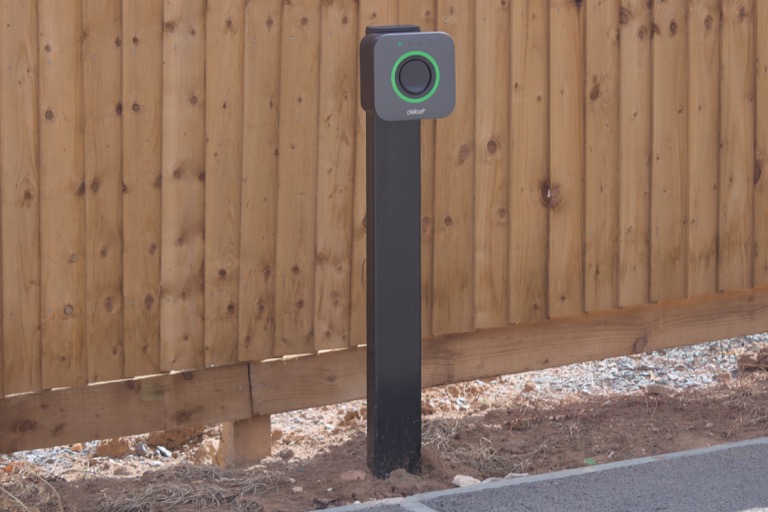
Not all chargers are the same. Here is what matters for Malaysian homes:
| Feature | Budget Charger | Mid-Range Smart | Premium Smart |
|---|---|---|---|
| Power Output | 3.7kW | 7kW | 7kW–22kW |
| Connector | Type 2 | Type 2 | Type 2 |
| Smart Features | None | App control, scheduling | App, load balancing, energy monitoring |
| Price Range | RM1,500–RM2,000 | RM2,500–RM4,000 | RM4,000–RM6,000 |
| Best For | PHEVs, occasional use | Most EV owners | Power users, 3-phase homes |
Popular brands in Malaysia:
- Wallbox Pulsar Plus — Compact, great app, premium build quality
- ABB Terra — Industrial reliability, widely available
- Energi Elite E1.1 — LCD touchscreen, app control, priced from RM1,999
- ChargeSINI — Malaysian brand with strong local support
- Siemens VersiCharge — Trusted brand, solid performer
Important: Make sure your charger is ST-approved for use in Malaysia. Non-approved chargers may not be covered by insurance.
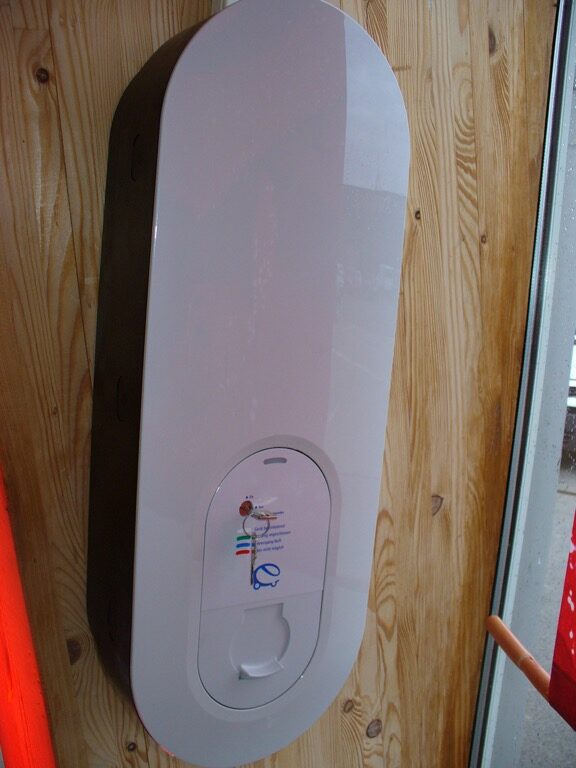
Step 5: Installation Day
A typical home EV charger installation takes 3–5 hours and includes:
- Mounting the wallbox on your wall (interior garage or exterior)
- Running dedicated wiring from your DB board to the charger location
- Installing a dedicated MCB and Type B RCD in your DB board
- Testing and commissioning the charger
- Providing you with the compliance certificate
Wiring specs (TNB requirements):
- Minimum cable size: 6mm² (internal) or 10mm² (exposed to sunlight)
- Socket height: At least 1.2m above ground
- Dedicated circuit — your EV charger must have its own circuit, not shared with other appliances
ALSO READ: EV Charger Installation Malaysia — Condo and Landed
How Much Does It Cost? Full Breakdown
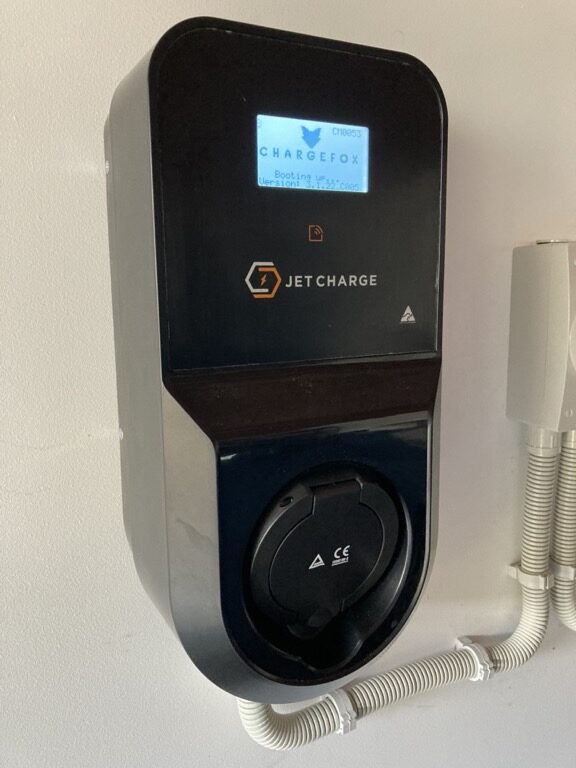
Here is the real-world cost breakdown for installing an EV charger at a Malaysian home in 2026:
| Cost Item | Landed House | Condo |
|---|---|---|
| EV Charger (7kW wallbox) | RM2,000–RM5,500 | RM2,000–RM5,500 |
| Basic Installation (15m wiring) | RM1,000–RM1,800 | RM1,500–RM3,000 |
| DB Board Upgrade | RM300–RM800 | RM300–RM800 |
| TNB Load Upgrade | RM500–RM2,000 | Usually N/A |
| Additional Wiring (per metre) | RM30–RM50/m | RM30–RM50/m |
| JMB/MC Application | N/A | RM0–RM500 |
| Total Estimated | RM3,800–RM10,000 | RM3,800–RM9,800 |
Most Malaysian EV owners spend between RM4,000 and RM7,000 all-in for a quality 7kW smart charger with professional installation.
ALSO READ: EV vs Petrol Running Cost Malaysia
Condo vs Landed House: Key Differences
Landed House Installation
Installing an EV charger at a landed property is straightforward:
- You own the property, so no management approval needed
- Charger is typically installed in your porch or garage
- Wiring runs from your main DB board directly to the charger
- Shorter cable runs = lower installation cost
The main consideration is whether your home electrical supply can handle the additional load. Older terrace houses may need a TNB upgrade.
Condo / Apartment Installation
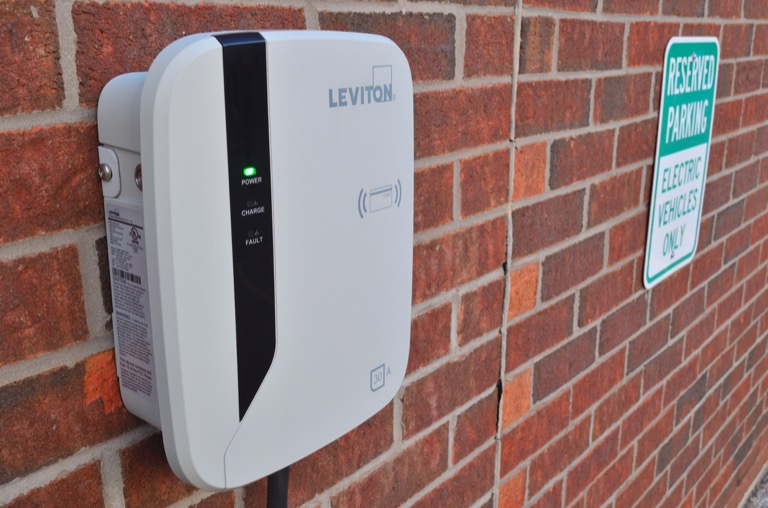
Condo installations are more complex and require additional approvals:
1. JMB/MC Approval
You must get written approval from your Joint Management Body (JMB) or Management Corporation (MC) before installation. Submit your installation plan, contractor ST registration, and charger specifications and safety certifications.
2. Dedicated Meter
Most condos require you to install a dedicated sub-meter for your EV charger so the electricity cost is billed to your unit, not the common area.
3. Safety Requirements
- Type B RCD is mandatory — this prevents DC leakage into the building AC grid
- Fire-rated cable may be required for runs through common areas
- Some JMBs require a fire extinguisher (Class C) near the charging bay
4. Parking Bay
You can only install a charger at your own designated parking bay. If your condo does not assign fixed bays, you will need to negotiate with management.
Timeline: Condo approvals can take 1–3 months, so start the process early.
Charging Modes Allowed in Malaysia
Not all charging methods are legal in Malaysia. Here is what Suruhanjaya Tenaga (ST) permits:
| Mode | Description | Allowed? |
|---|---|---|
| Mode 1 | Direct wall socket (no safety device) | Not permitted |
| Mode 2 | Wall socket with portable ICCB safety box | Allowed (with conditions) |
| Mode 3 | Dedicated wallbox with Type 2 connector | Allowed (recommended) |
Mode 2 warning: While Mode 2 is technically allowed, ST recommends against using extension cords and requires a Class C fire extinguisher nearby. For daily home charging, Mode 3 (dedicated wallbox) is the safest and most practical option.
ALSO READ: EV Road Tax Malaysia 2026 — Rates and Exemptions
Claim RM2,500 Tax Relief for Your EV Charger
Here is the good news — the Malaysian government offers a personal income tax relief of up to RM2,500 for EV charging facilities. This has been extended through 2027 under Budget 2026.
What qualifies:
- Purchase of a home wallbox charger
- Installation costs (labour and wiring)
- Hire-purchase instalments for charging equipment
- Monthly subscription fees (Charger-as-a-Service models)
- Even charging costs at public stations
How to claim:
- Keep all receipts and invoices (LHDN requires you to retain them for 7 years)
- Digital receipts from charging apps are accepted
- Declare under the Lifestyle — EV Charging relief category when filing your tax return
At a 24% marginal tax rate, this relief saves you up to RM600 in actual tax — effectively a rebate on your charger purchase.
Safety Tips for Home EV Charging
- Never use Mode 1 (direct socket) charging — it is banned in Malaysia for good reason
- Avoid extension cords — even for Mode 2 portable chargers
- Install a Type B RCD — this protects against both AC and DC fault currents
- Keep the area dry — if your charger is outdoors, ensure it has an IP65 or higher weather rating
- Schedule regular inspections — have your ST-registered contractor check the installation annually
- Keep a Class C fire extinguisher accessible near your charging area
How Long Does It Take to Charge at Home?
Charging time depends on your charger power output and your EV battery size. Here is a quick reference:
| EV Model | Battery | 3.7kW Charger | 7kW Charger | 11kW Charger |
|---|---|---|---|---|
| BYD Atto 3 | 60.5 kWh | ~16 hours | ~8.5 hours | ~5.5 hours |
| Tesla Model Y | 60 kWh | ~16 hours | ~8.5 hours | ~5.5 hours |
| Proton e.MAS 7 | 60.22 kWh | ~18.5 hours | ~10 hours | ~6.5 hours |
| Neta X | 52.49 kWh | ~16 hours | ~9 hours | ~5 hours |
| Smart #1 | 66 kWh | ~18 hours | ~9.5 hours | ~6 hours |
For most Malaysian EV owners, a 7kW charger is the sweet spot. Plug in at 10 PM, and your car is fully charged by 6 AM — even for large-battery EVs.
Frequently Asked Questions
How much does it cost to install an EV charger at home in Malaysia?
The total cost ranges from RM3,800 to RM10,000 depending on your charger choice, wiring complexity, and whether you need a TNB load upgrade. A typical installation with a 7kW smart charger costs around RM4,000–RM7,000 all-in.
Can I install an EV charger in my condo in Malaysia?
Yes, but you need JMB/MC approval first. You will also need a dedicated sub-meter, a Type B RCD, and installation by an ST-registered contractor. The approval process typically takes 1–3 months.
Do I need to upgrade my TNB supply for an EV charger?
Not always. If your home existing load is within the single-phase 10kW limit after adding the charger, no upgrade is needed. Your ST-registered contractor will perform a Load Profile Test to determine this.
Is it safe to charge my EV at home overnight?
Yes, it is completely safe when installed correctly by an ST-registered contractor with proper MCB and RCD protection. In fact, overnight AC charging is gentler on your battery than frequent DC fast charging.
Can I use a normal wall socket (3-pin plug) to charge my EV?
Mode 1 charging (direct socket) is not permitted in Malaysia under Suruhanjaya Tenaga guidelines. You should use a Mode 2 portable charger with ICCB at minimum, but a Mode 3 dedicated wallbox is strongly recommended for daily use.
What tax relief can I claim for installing an EV charger?
You can claim up to RM2,500 in personal income tax relief for EV charging facilities, including the charger purchase, installation costs, and even public charging fees. This relief is valid through Year of Assessment 2027.
How long does the installation process take from start to finish?
For landed houses, the process takes 1–2 weeks (including contractor assessment and installation day). For condos, allow 1–3 months due to JMB/MC approval requirements. The actual installation takes only 3–5 hours.
What is the best EV charger brand for Malaysian homes?
Popular and reliable brands include Wallbox Pulsar Plus, ABB Terra, Energi Elite, and ChargeSINI. The best choice depends on your budget, whether you want smart features, and your home electrical setup. All should be ST-approved.
Conclusion
Installing an EV charger at home in Malaysia is one of the best investments you can make as an EV owner. It is cheaper than public charging, more convenient, and better for your battery long-term health.
The key steps are simple: check your electrical capacity, hire an ST-registered contractor, get the right charger, and claim your RM2,500 tax relief. For condo owners, start the JMB approval process early to avoid delays.
Stop paying premium rates at public chargers. Charge at home, charge smarter — with EVSIFU.