
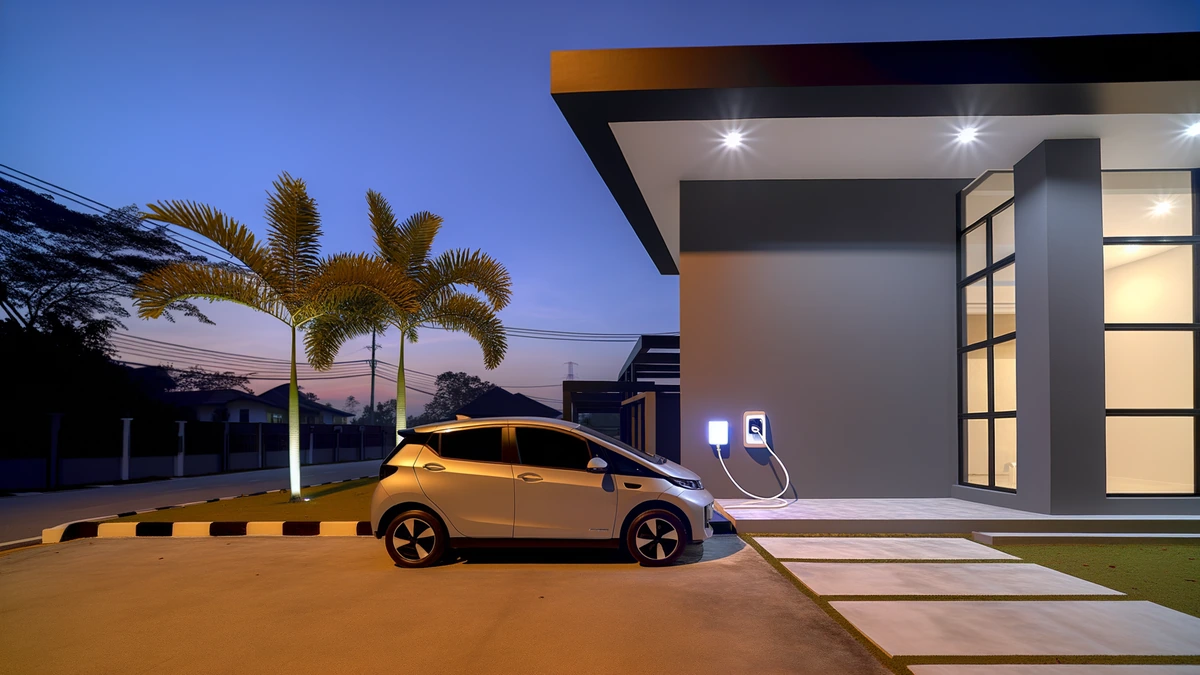
Choosing the best EV home charger in Malaysia is one of the most important decisions you’ll make after buying an electric vehicle. A good wallbox charger can cut your overnight charging time in half, protect your car’s battery, and save you thousands in public charging fees over the years. With dozens of brands now competing in the Malaysian market — from European giants like ABB and Schneider Electric to value-packed Chinese options — finding the right one at the right price can feel overwhelming.
This comprehensive buying guide breaks down every major EV home charger brand available in Malaysia, compares 7kW vs 11kW vs 22kW charging speeds with real cost breakdowns, and walks you through installation requirements so you know exactly what to expect. Whether you drive a BYD Atto 3, Tesla Model Y, or Proton e.MAS 7, we’ve got you covered.
ALSO READ: Complete Home EV Charging Guide Malaysia
Table of Contents
Why You Need a Dedicated Home EV Charger
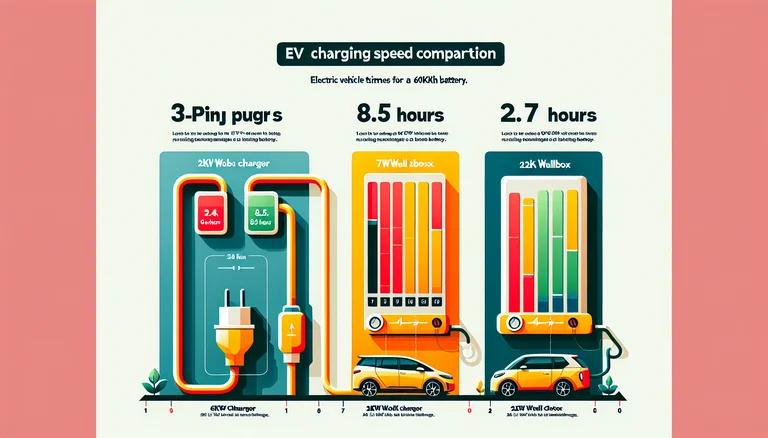
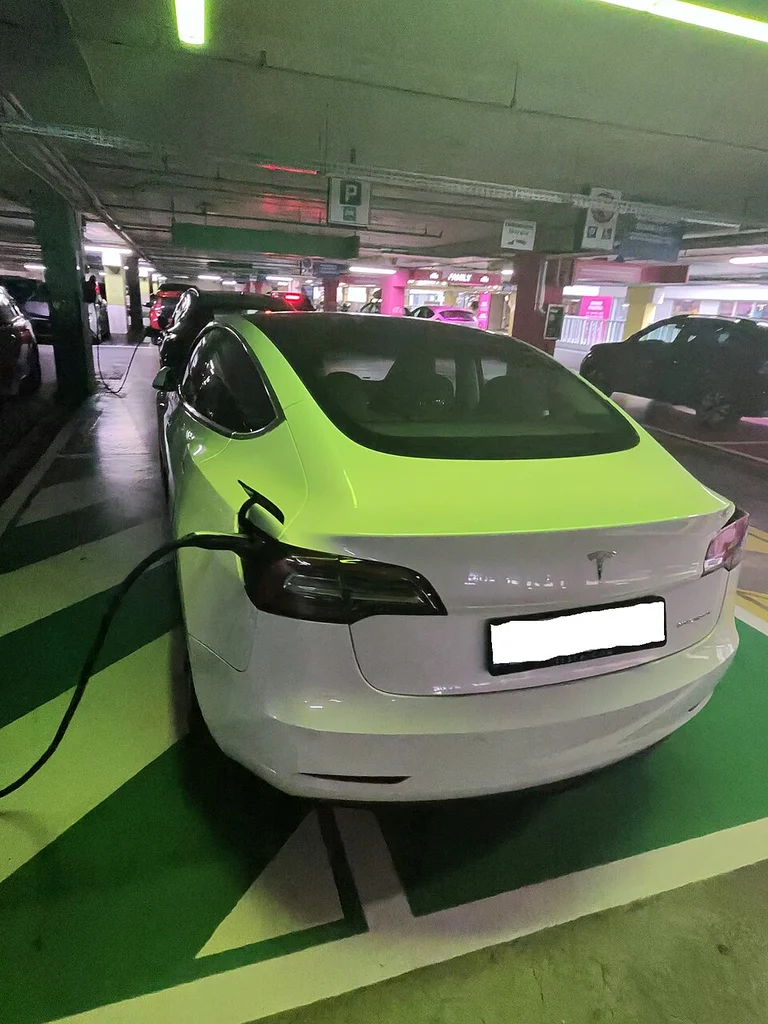
Plugging your EV into a regular 3-pin household socket (known as “trickle charging”) works in a pinch, but it’s painfully slow — a BYD Atto 3 with a 60.48 kWh battery would take over 24 hours to charge from empty. A dedicated 7kW wallbox cuts that to about 8-9 hours, perfectly timed for overnight charging.
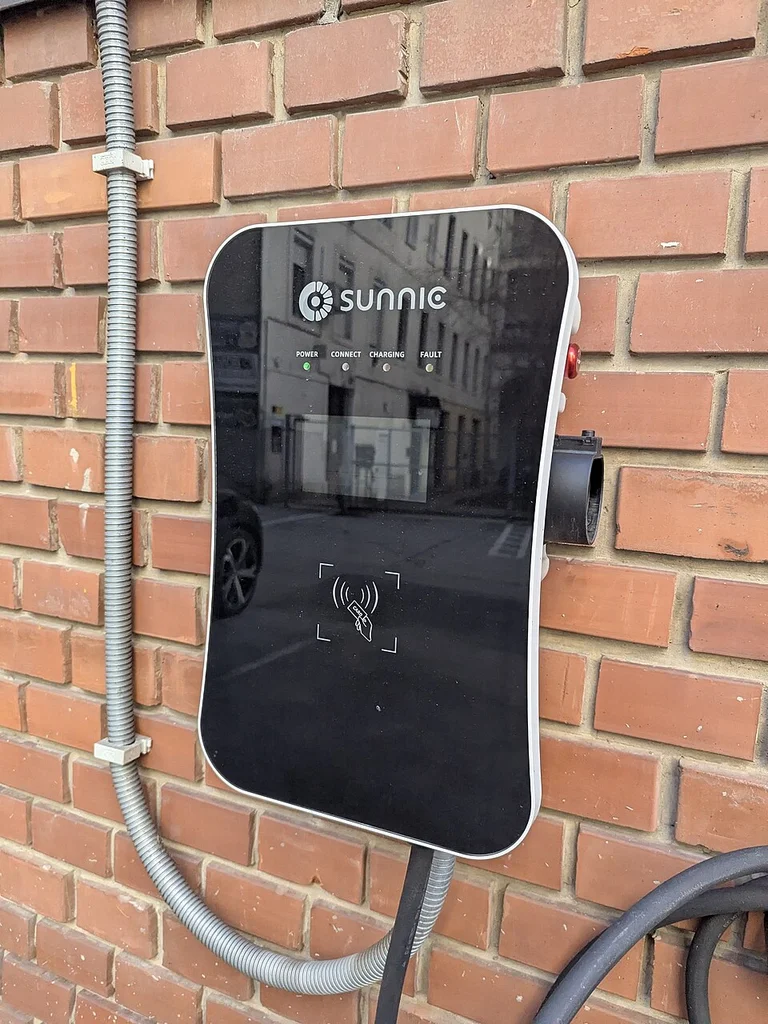
Beyond speed, a dedicated EV charger offers:
- Safety — Built-in RCCB (residual current circuit breaker) protection prevents electrical faults
- Smart features — Schedule charging during off-peak TNB hours (10pm-8am) to save on electricity
- Durability — IP54/IP65 weatherproofing for outdoor Malaysian conditions
- Warranty protection — Some EV manufacturers require a certified charger to maintain battery warranty
Best EV Home Charger Brands in Malaysia 2026 — Full Comparison
Here is our detailed comparison of the top EV home charger brands available in Malaysia, ranked by overall value:
| Brand & Model | Power | Price (Unit + Install) | Warranty | Best For |
|---|---|---|---|---|
| EV Sifu E1 | 7kW | RM1,299++ | 1 year | Budget-conscious buyers |
| Energi Elite E1.1 | 7/11/22kW | RM1,999–RM3,000+ | 1 year | Best value all-rounder |
| Wallbox Pulsar Plus | 7.4/22kW | RM3,500–RM6,000 | 2 years | Premium residential |
| ABB Terra AC | 7/22kW | RM4,500–RM7,099 | 1 year | Industrial-grade reliability |
| Schneider EVlink | 7/22kW | RM4,000–RM6,500 | 2 years | Smart building integration |
| Tesla Wall Connector | 11/22kW | RM3,600–RM4,880 | 4 years | Tesla owners |
| Star Charge AC | 7/22kW | RM2,800–RM5,500 | 2 years | Commercial + residential |
| SIGNERGY (Sigen) | 7/22kW | RM2,899–RM4,399 | 1 year | Mid-range value |
| Feyree Charger | 7kW | RM950++ | 1 year | Ultra-budget option |
| XCHARGE C2 | 7/22kW | RM3,299–RM7,299 | 1 year | Compact design |
Our Top Picks by Category
Best Overall Value: Energi Elite E1.1 — At RM1,999 for a 7kW unit with LCD touchscreen, app control, and custom colour options, it offers features that rival chargers costing twice as much. Available in 7kW, 11kW, and 22kW variants.
Best Premium Charger: Wallbox Pulsar Plus — Distributed by Mecomb (Sime Darby subsidiary), the Pulsar Plus is one of the smallest wallbox chargers in the world. The app experience is best-in-class. Starting from RM3,500 installed.
Best Budget Option: EV Sifu E1 / Feyree Charger — Starting from just RM950 for the unit, these chargers deliver reliable 7kW charging without the premium price tag.
Best for Tesla Owners: Tesla Wall Connector Gen 3 — Installed by certified Tesla installers like Saturn Pyro, with the longest warranty in the segment at 4 years. Priced from RM3,600 installed.
Best for Industrial-Grade Reliability: ABB Terra AC — An international brand rated for safety and durability. ABB chargers power electric bus depots in Sarawak — your car porch is a breeze for them. From RM4,500 installed.
ALSO READ: Cheapest EVs in Malaysia 2026
7kW vs 11kW vs 22kW — Which Charger Speed Do You Actually Need?
This is the question every Malaysian EV owner asks. Here is the honest answer: most people only need a 7kW charger. Here is why.
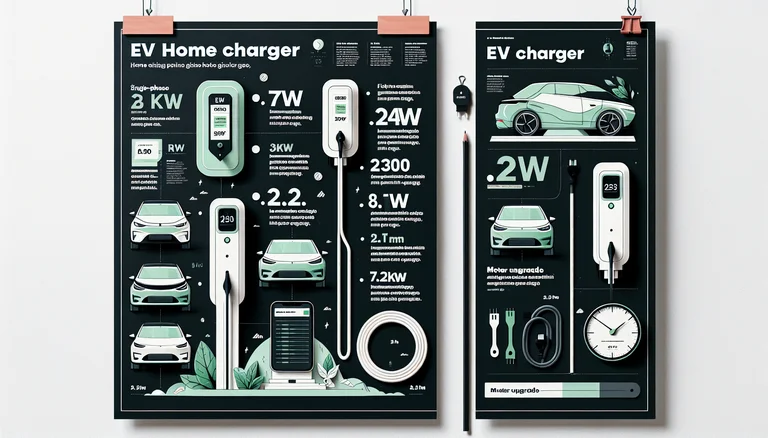
Charging Speed Comparison
| Specification | 7kW (Single-Phase) | 11kW (Three-Phase) | 22kW (Three-Phase) |
|---|---|---|---|
| Voltage | 230V | 415V | 415V |
| Current | 32A | 16A (per phase) | 32A (per phase) |
| Charge Time (60kWh battery) | ~8.5 hours | ~5.5 hours | ~2.7 hours |
| Wiring Required | Single-phase (existing) | Three-phase upgrade | Three-phase upgrade |
| Charger Unit Cost | RM950–RM4,000 | RM2,500–RM5,000 | RM3,000–RM7,300 |
| Installation Cost | RM1,100–RM2,000 | RM1,500–RM3,000 | RM2,000–RM3,500 |
| TNB Meter Upgrade | Usually not needed | 3-phase conversion needed | 3-phase conversion needed |
| Best For | Overnight charging | Faster top-ups | Commercial / heavy use |
The Honest Recommendation
Go with 7kW if:
- You charge overnight (most Malaysian EV owners do)
- Your home has single-phase wiring (most landed houses in Malaysia)
- You want the lowest total cost
- You drive less than 100km daily
Consider 22kW if:
- Your home already has three-phase wiring
- You need to charge multiple EVs
- You drive 200+ km daily (e.g., e-hailing drivers)
- Your EV actually supports 22kW AC charging (many don’t!)
Important: Only a few EVs in Malaysia support 22kW AC onboard charging — including the Mercedes EQS, BMW iX, and Hyundai Ioniq 6. Most popular models like the BYD Atto 3 and Tesla Model 3 max out at 7kW–11kW AC. Check your car’s specs before paying extra for a 22kW charger.
ALSO READ: EV vs Petrol Running Cost Malaysia
EV Charger Installation Requirements in Malaysia
Understanding the installation process saves you from surprises. Here is a complete breakdown of what is involved.
What You Need for a Standard 7kW Installation
| Component | Cost | Notes |
|---|---|---|
| MCB (Miniature Circuit Breaker) | RM30–RM40 | 2-pole, 32A rated |
| RCCB Type A/B | RM50–RM250 | Essential for EV safety |
| Copper Cable (6mm²) | RM42–RM52 per 5m | 32A rated, prices fluctuate |
| Sub-DB Housing (PVC) | RM10–RM60 | If main DB is full |
| PVC Conduit | RM1.50–RM2/meter | Wire protection |
| Isolator Switch | RM30–RM100 | Safety disconnect |
Total Installation Cost Breakdown
- Basic installation (7kW, up to 10m cabling): RM1,100–RM1,500
- Standard installation (7kW, up to 15m cabling): RM1,500–RM3,000
- Complex installation (concrete drilling, >30m cable, DB upgrade): RM3,000–RM8,000
- Three-phase meter upgrade (TNB application): RM2,000–RM10,000
Step-by-Step Installation Process
- Site survey — Electrician assesses your DB capacity, wiring distance, and meter type
- DB upgrade (if needed) — Add sub-DB if main board lacks space
- Cable routing — Run conduit from DB to charging point
- Charger mounting — Wall-mount the wallbox unit
- Wiring connection — Connect to DB with proper MCB and RCCB
- Testing & commissioning — Load test and safety verification
- Handover — App setup and user training
Pro tip: Always hire a certified electrician registered with Suruhanjaya Tenaga (Energy Commission). Uncertified installations void your warranty and risk electrical fires.
Installation for Condos & Apartments
Installing an EV charger in a condo involves extra steps:
- JMB/MC approval — Get written permission from your building management
- Dedicated metering — Most condos require a separate meter for EV charging
- Cable routing — Longer cable runs from the DB to basement parking increase costs
- Load study — Some buildings require an electrical load study before approval
Cost for condo installations typically runs RM3,000–RM8,000+ due to longer cable runs and additional requirements.
ALSO READ: EV Charger Installation Malaysia — Condo & Landed
Where to Buy EV Home Chargers in Malaysia
Authorized Distributors
| Distributor | Brands Carried | Best For |
|---|---|---|
| EV Sifu | E1, Feyree, multiple brands | Affordable packages + installation |
| Mecomb (Sime Darby) | Wallbox Pulsar Plus | Premium residential |
| KINETA (Sime Darby) | Wallbox, Tritium, StarCharge, Autel | Wide selection 7kW–22kW |
| Saturn Pyro / EV Hub | Tesla Wall Connector, multi-brand | Tesla certified installer |
| MyEV Mart | Enel X Way, Boxburn, OEM | Budget options |
| Gentari (Petronas) | ABB, Kempower | Commercial & property developers |
| Renergy Power Group | ReCharge (proprietary) | Condo revenue-sharing model |
Tax Relief — Save RM2,500
Malaysian taxpayers can claim a personal tax relief of RM2,500 for EV charger purchase and installation costs. The government has extended this incentive through Year of Assessment 2027, covering expenses for wallbox purchase, installation labour, hire-purchase instalments, and even monthly charging subscription fees.
To claim:
- Keep your purchase receipt and installation invoice
- Ensure the charger is installed at your residential property
- File under “Lifestyle” tax relief category with LHDN
How to Choose the Right EV Charger — Quick Decision Guide
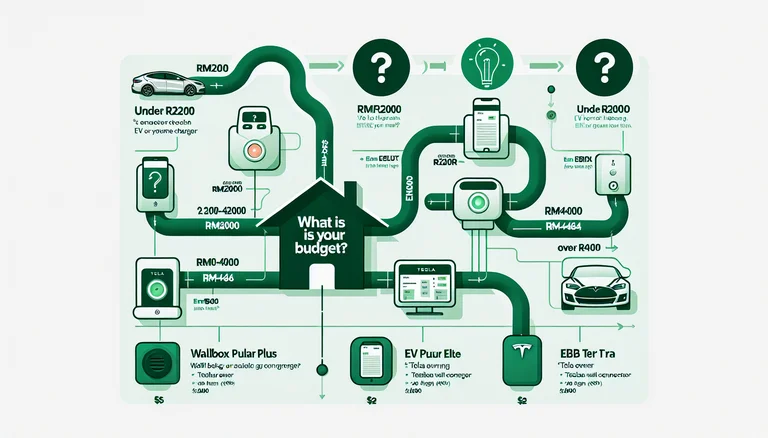
1. What is your budget?
- Under RM2,000 — EV Sifu E1 or Feyree
- RM2,000–RM4,000 — Energi Elite E1.1 or SIGNERGY
- RM4,000–RM7,000 — Wallbox Pulsar Plus or ABB Terra AC
- Tesla owner — Tesla Wall Connector
2. What is your home wiring?
- Single-phase — Stick with 7kW
- Three-phase — You can go up to 22kW
- Not sure — Ask your electrician to check your meter
3. What EV do you drive?
- BYD Atto 3 / Dolphin — 7kW AC max, so a 7kW charger is sufficient
- Tesla Model 3 / Y — 11kW AC max, so a 7kW or 11kW charger
- BMW iX / Mercedes EQS — 22kW AC, so a 22kW charger takes advantage
- Proton e.MAS 7 — 6.6kW AC max, so a 7kW charger is plenty
Key EV Charger Distributors Worth Knowing
Gentari (Petronas)
Gentari operates Malaysia’s largest public charging network and also provides commercial charging solutions. They use top-tier hardware (often white-labeled ABB or Kempower units) and offer a zero-capex partnership model for high-traffic commercial locations.
ChargeSini
ChargeSini has deployed chargers across major retail chains like Mydin and Lotus. Their Nexus (AC) and Hyper (DC) series feature Smart Lock technology to prevent unauthorized parking at charging bays.
Star Charge
Star Charge manufactures charging units for global brands like Mercedes-Benz and Volkswagen. They have set up a local office in KL and offer competitive pricing for both AC home chargers and DC fast chargers.
ALSO READ: EV Road Tax Malaysia 2026 — Rates & Exemptions
Frequently Asked Questions (FAQ)
How much does it cost to install an EV charger at home in Malaysia?
A basic 7kW home EV charger installation in Malaysia costs between RM2,400 and RM5,500 all-in (charger unit + installation). The charger unit ranges from RM950 to RM4,000, while installation labour costs RM1,100 to RM3,000 depending on cable length, DB condition, and wall type. Complex installations requiring DB upgrades or three-phase conversion can reach RM8,000–RM15,000.
Is a 7kW charger fast enough for daily EV charging in Malaysia?
Yes, a 7kW charger is more than sufficient for most Malaysian EV owners. It charges a typical 60kWh battery from 20% to 80% in about 5 hours — easily completed overnight. Unless you drive over 200km daily or own an EV that supports 22kW AC charging, a 7kW charger is the best value option.
Do I need to upgrade to three-phase wiring for an EV charger?
No — not if you are installing a 7kW charger. A 7kW charger runs on standard single-phase wiring (230V, 32A) that most Malaysian homes already have. You only need a three-phase upgrade (415V) if you are installing an 11kW or 22kW charger. The upgrade costs RM2,000–RM10,000 through TNB.
Can I install an EV charger in my condo in Malaysia?
Yes, but you need approval from your JMB (Joint Management Body) or MC (Management Corporation) first. Most condos require a dedicated sub-meter for EV charging. Cable runs to basement parking are longer, increasing installation costs to RM3,000–RM8,000+. Some condos partner with charging operators like Renergy who offer zero-upfront-cost shared charging solutions.
Which EV charger brand is the best in Malaysia?
For the best overall value, the Energi Elite E1.1 offers premium features at a mid-range price. For the best app experience, the Wallbox Pulsar Plus is hard to beat. For budget buyers, the EV Sifu E1 and Feyree chargers deliver reliable charging from just RM950. Tesla owners should go with the Tesla Wall Connector.
Is there a tax relief for EV charger installation in Malaysia?
Yes, Malaysian taxpayers can claim a personal tax relief of RM2,500 for EV charger purchase and installation costs. This incentive has been extended through Year of Assessment 2027, covering the charger unit, installation fees, hire-purchase instalments, and charging subscription fees.
How long does EV charger installation take?
A standard home installation takes 3 to 5 hours for a straightforward setup. This includes mounting the charger, running cable from your distribution board, installing safety breakers (MCB + RCCB), and testing. Complex installations may take a full day.
Do I need a permit to install an EV charger at home in Malaysia?
For a standard 7kW installation on existing single-phase wiring, no permit is typically required. However, if you need to upgrade your TNB meter or convert to three-phase wiring, you will need to apply through TNB. Condo installations require written approval from your building management.
What is the electricity cost to charge an EV at home in Malaysia?
At the current TNB domestic tariff of approximately RM0.218–RM0.546/kWh (depending on usage tier), charging a 60kWh EV battery from empty costs roughly RM13–RM33. That is equivalent to about RM2–RM5 per 100km — significantly cheaper than petrol at RM10–RM15 per 100km.
Conclusion
The Malaysian EV home charger market in 2026 offers excellent options at every price point — from budget-friendly units starting at RM950 to premium smart chargers from Wallbox and ABB. For most EV owners, a 7kW single-phase charger is the sweet spot: affordable, compatible with every EV, and fast enough for overnight charging.
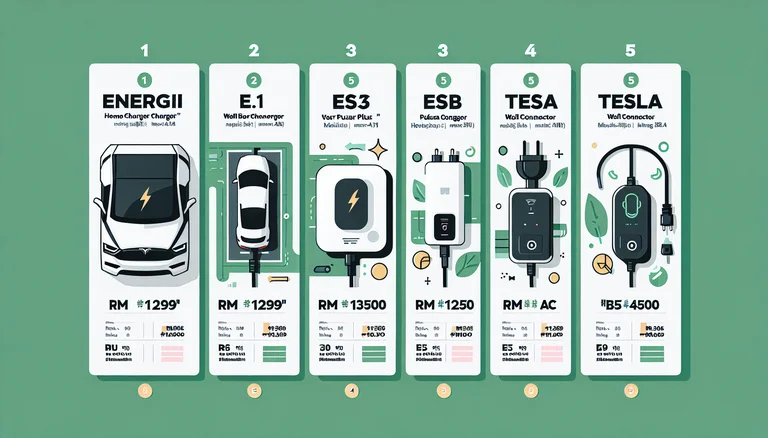
The key is matching your charger to your actual needs — do not overpay for 22kW if your car only charges at 7kW. And always invest in professional installation with proper safety components (MCB, RCCB, quality cables) from a certified electrician.