
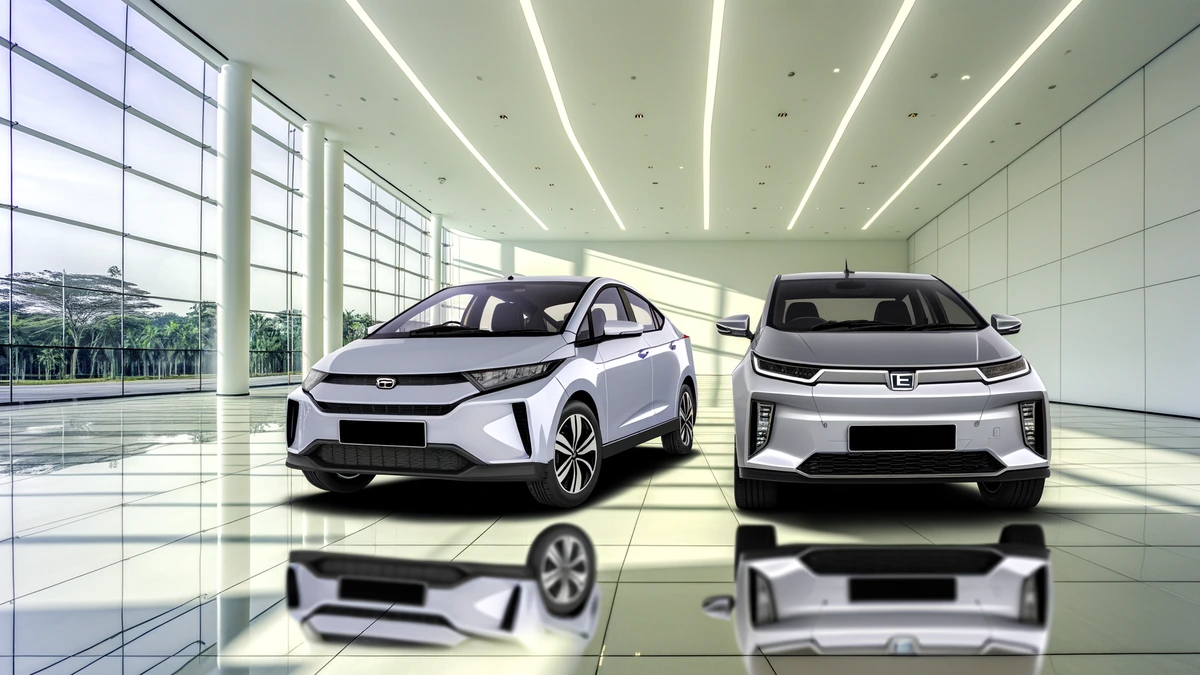
BYD Atto 3 vs Proton eMas 7: The Definitive Malaysia Buyer’s Verdict (2026)
Two of the most talked-about EVs in Malaysia right now — the BYD Atto 3 and the Proton eMas 7 — are squaring off for your ringgit. One is a battle-hardened Chinese EV with years of local sales data behind it; the other is a national pride play backed by Geely’s global EV platform.
Both sit in the sub-RM150,000 family SUV segment that Malaysians love. But they’re not the same car for the same buyer. This comparison cuts through the marketing noise with real specs, real ownership costs, and a clear winner in every category.
Published: April 03, 2026. Prices and specs based on latest official figures at time of writing.
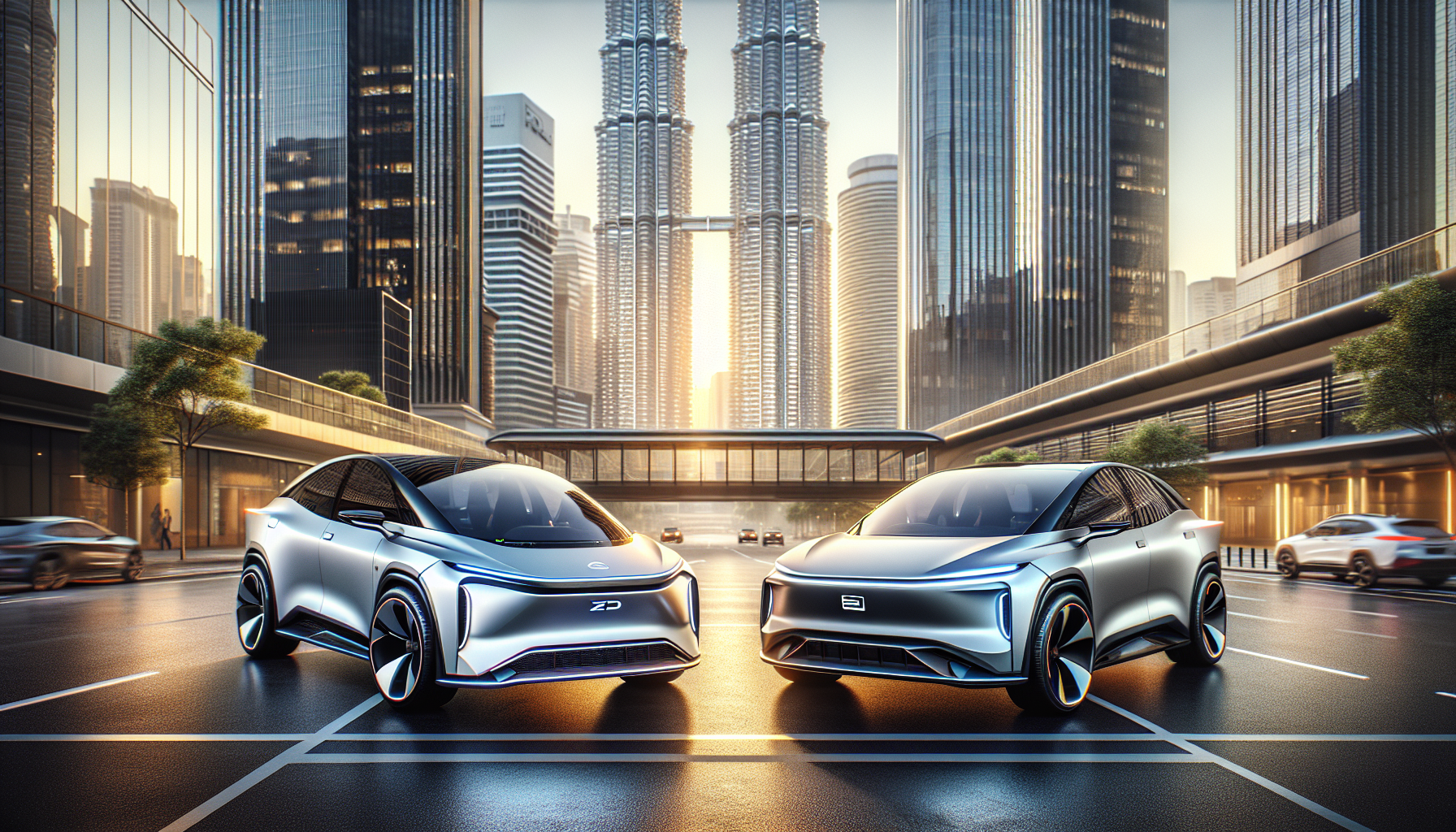
Side-by-Side Specs Comparison
Before we dive into the commentary, here’s the full specs table so you can see exactly what you’re getting from each car. Numbers don’t lie — even when marketing departments try to spin them.
| Specification | BYD Atto 3 (2026) | Proton eMas 7 (2026) |
|---|---|---|
| Price (OTR with insurance) | From RM149,800 | From RM109,800 (Standard Range) / RM124,800 (Long Range) |
| Body Style | Compact SUV / Crossover | Mid-size SUV |
| Drivetrain | Single motor, FWD | Single motor, FWD (SR) / Dual motor, AWD (LR) |
| Motor Output | 150 kW (204 PS) | 160 kW (218 PS) SR / 390 kW (530 PS) LR |
| Battery Capacity | 60.48 kWh (BYD Blade) | 66 kWh (SR) / 100 kWh (LR) |
| WLTP Range | ~420 km | ~430 km (SR) / ~560 km (LR) |
| 0–100 km/h | 7.3 seconds | 8.5 seconds (SR) / 4.0 seconds (LR) |
| Top Speed | 160 km/h | 175 km/h (SR) / 200 km/h (LR) |
| DC Fast Charging (max) | 88 kW | 80 kW (SR) / 120 kW (LR) |
| AC Charging (max) | 7 kW | 11 kW |
| Boot Space | 440 litres | 588 litres |
| Wheelbase | 2,720 mm | 2,850 mm |
| ADAS | BYD DiPilot (L2) | Geely ADAS Suite (L2+) |
| Warranty (battery) | 8 years / 160,000 km | 8 years / 160,000 km |
| Warranty (vehicle) | 6 years / 150,000 km | 5 years / 150,000 km |
Note: All prices are OTR with insurance, based on latest official Malaysian pricing. Specs may vary by variant. Always confirm with your authorised dealer.
Price & Value: Which Gives More Bang Per Ringgit?
The Proton eMas 7 wins on price — significantly. The Standard Range starts at RM109,800, which is a full RM40,000 cheaper than the Atto 3. That’s not a rounding error; that’s a family holiday fund.
The eMas 7 Long Range at RM124,800 still undercuts the Atto 3 by RM25,000, and it gives you a bigger battery, longer range, and an AWD option. On pure value arithmetic, the eMas 7 is difficult to argue against.
That said, the Atto 3 is no longer the newcomer it once was. BYD has built real resale value and a proven service network in Malaysia. The premium you pay comes with brand confidence that Proton’s EV division is still earning. If you want to explore other strong contenders at this price point, our guide to the best electric cars under RM150,000 in Malaysia 2026 gives the full market picture.
Category Winner: Proton eMas 7 🏆
Range & Charging: The Real-World Picture
Range is where the eMas 7 Long Range pulls decisively ahead, but for most Malaysians, the Standard Range is more than enough. A 430 km WLTP range from the SR variant comfortably covers KL–JB and KL–Penang with a single charge stop.
The Atto 3’s 420 km WLTP range is practically identical in everyday use. In Malaysian highway conditions — air-con on full, 110 km/h cruise — expect both to deliver around 300–350 km of real-world range. Neither will leave you stranded on the North-South Expressway.
Charging speed is where the comparison gets interesting. The Atto 3 tops out at 88 kW DC, while the eMas 7 SR matches it at 80 kW. The eMas 7 LR pulls ahead with 120 kW capability — but only if you can find a charger that delivers it. Malaysia’s public DC charging network is still catching up, so for most owners, this advantage is theoretical today.
One key win for the eMas 7: it supports 11 kW AC charging versus the Atto 3’s 7 kW. If you charge at home overnight, the eMas 7 tops up roughly 57% faster on AC. This matters — see our breakdown of best home EV chargers in Malaysia (7kW vs 11kW) to understand why this spec actually changes your morning routine.
Category Winner: Proton eMas 7 (especially LR variant) 🏆
Interior, Boot Space & Everyday Practicality
The eMas 7 is simply a bigger car, and that matters for Malaysian families. With a 2,850 mm wheelbase versus the Atto 3’s 2,720 mm, rear passengers get noticeably more legroom — critical if you’re doing regular highway trips with parents or in-laws in the back.
Boot space tells the same story: 588 litres for the eMas 7 against 440 litres for the Atto 3. That’s nearly 150 litres extra — enough for an airport run with full luggage for four, or a Tesco haul that actually fits without Tetris skills.
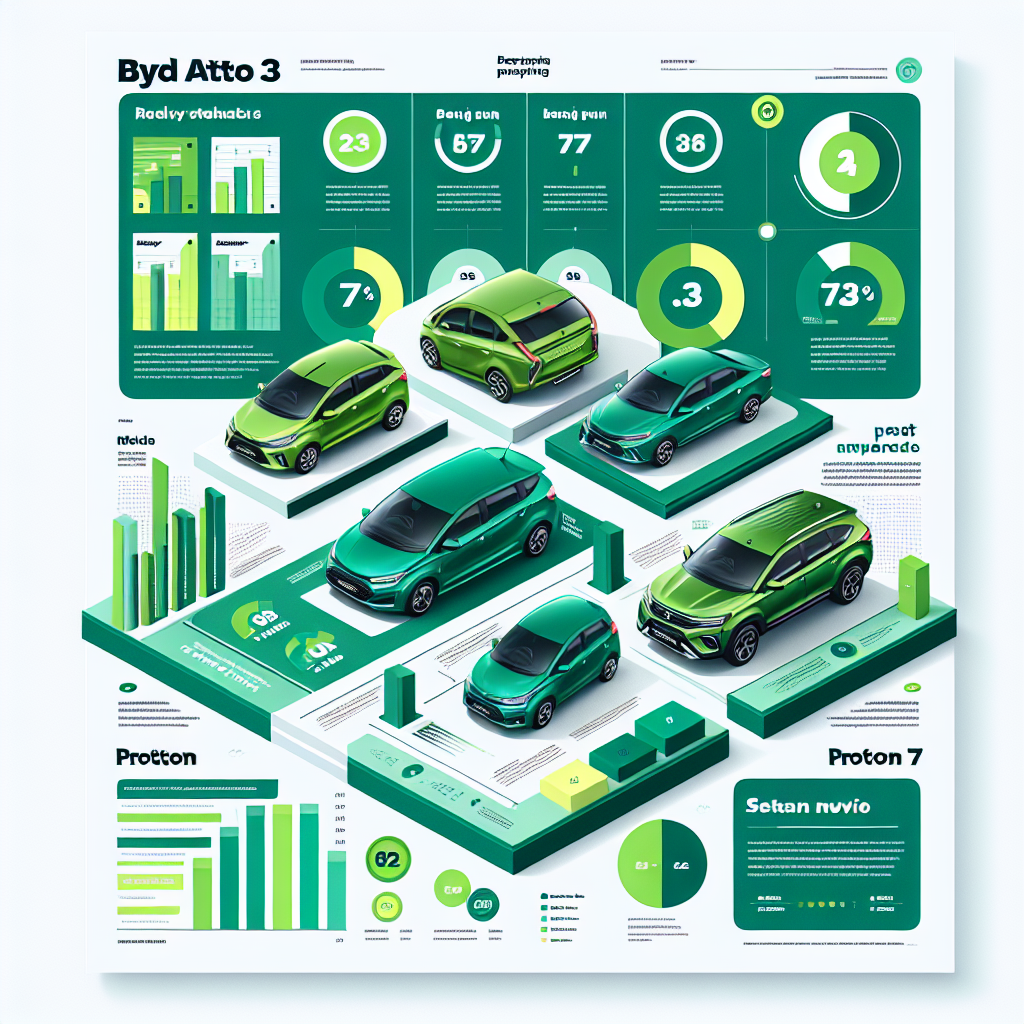
The Atto 3’s interior is familiar at this point — the rotating centre console, the 12.8-inch rotating screen, and the game-controller-inspired door panels are conversation starters that buyers either love or find gimmicky. Build quality is solid, materials are decent for the price, but it’s starting to show its age against newer entrants.
The eMas 7’s cabin benefits from Geely’s more recent platform. The dual-screen setup feels modern, ambient lighting is generous, and the overall fit and finish punches above its price point. Proton’s local calibration team has also tuned the suspension for Malaysian road conditions — pothole absorption is noticeably compliant.
Category Winner: Proton eMas 7 🏆
Tech, Safety & Features: Who Wins the Spec Sheet?
Both cars come with Level 2 ADAS, but the eMas 7’s suite is more comprehensive out of the box. Geely’s L2+ package includes adaptive cruise control, lane centring, automatic emergency braking, and blind-spot monitoring as standard across variants. The Atto 3’s DiPilot system is capable but slightly more conservative in its automation envelope.
The Atto 3 fights back with BYD’s ecosystem integration and the DiLink infotainment platform, which is mature, responsive, and well-localised for Malaysia. Over-the-air (OTA) updates have been rolling out steadily, keeping the software fresh.
Both vehicles carry a 5-star ASEAN NCAP rating, so safety credibility is equal. The eMas 7 adds a 360-degree camera system as standard — a feature that Atto 3 buyers only get on higher-spec variants. For urban parking in KL’s tight lots, that camera system alone is worth its weight.
The Atto 3 counters with Vehicle-to-Load (V2L) capability, letting you power external devices from the car. Glamping in Janda Baik? The Atto 3 becomes your power bank. The eMas 7 does not offer V2L at this time.
Category Winner: Draw — eMas 7 wins on ADAS and camera; Atto 3 wins on V2L and software maturity. 🤝
Ownership Costs: Beyond the Sticker Price
Both cars enjoy Malaysia’s EV road tax exemption, making annual ownership costs very similar on the government charges front. Under current policy, fully electric vehicles pay minimal road tax regardless of motor output — check the exact figures in our EV road tax Malaysia 2026 guide.
Servicing costs favour the Atto 3 today, simply because BYD’s authorised service centres are more established and widespread across Peninsular Malaysia. Proton’s eMas service network is expanding rapidly — especially since Proton’s existing dealer network is being upgraded — but parts availability and technician expertise are still catching up.
Insurance premiums will be higher for the eMas 7 LR given its higher sum insured value, but the SR variant’s RM109,800 base price keeps premiums reasonable. Both qualify for the same green lane EV insurance products now offered by major Malaysian insurers.
Electricity cost savings are real for both. The typical Malaysian EV owner spending primarily on home charging pays roughly RM0.50–RM0.55 per kWh (TNB Domestic Tariff). A full charge on the Atto 3 costs approximately RM30–RM33; the eMas 7 SR costs around RM36–RM38. Compare that to filling a petrol B-segment SUV at current RON95 prices, and the savings are substantial — our deep dive into EV vs petrol running costs in Malaysia shows the real numbers over a 5-year ownership period.
Category Winner: BYD Atto 3 (on service network maturity) 🏆
Pros & Cons at a Glance
BYD Atto 3
- ✅ Proven reliability track record in Malaysia
- ✅ Mature, widespread service network nationwide
- ✅ V2L capability — useful for outdoor activities
- ✅ Strong resale value established in the market
- ✅ 6-year vehicle warranty (longer than eMas 7)
- ✅ BYD Blade Battery — excellent safety record
- ❌ Smaller boot (440L) and shorter wheelbase
- ❌ Only 7 kW AC charging
- ❌ Higher purchase price vs eMas 7
- ❌ Ageing design — no major refresh since launch
Proton eMas 7
- ✅ More affordable entry price (from RM109,800)
- ✅ Larger boot (588L) and longer wheelbase
- ✅ 11 kW AC charging — faster home top-up
- ✅ More comprehensive ADAS suite as standard
- ✅ 360-degree camera standard across variants
- ✅ LR AWD variant offers serious performance at RM124,800
- ❌ Newer service network — still expanding
- ❌ Unproven long-term resale value in Malaysia
- ❌ No V2L capability
- ❌ Shorter vehicle warranty (5 years vs Atto 3’s 6)
Category Winners: The Scorecard
| Category | BYD Atto 3 | Proton eMas 7 | Winner |
|---|---|---|---|
| Price & Value | RM149,800 | From RM109,800 | 🏆 Proton eMas 7 |
| Range (WLTP) | ~420 km | ~430 km / ~560 km (LR) | 🏆 Proton eMas 7 |
| Charging Speed (AC) | 7 kW | 11 kW | 🏆 Proton eMas 7 |
| Boot Space | 440L | 588L | 🏆 Proton eMas 7 |
| ADAS & Safety Tech | L2 DiPilot | L2+ Geely Suite | 🏆 Proton eMas 7 |
| Service Network | Established nationwide | Still expanding | 🏆 BYD Atto 3 |
| Resale Value | Proven track record | Unproven (new model) | 🏆 BYD Atto 3 |
| Vehicle Warranty | 6 years / 150,000 km | 5 years / 150,000 km | 🏆 BYD Atto 3 |
| V2L / Smart Features | V2L capable | No V2L | 🏆 BYD Atto 3 |
| TOTAL | 4 wins | 5 wins | 📊 eMas 7 edges ahead |
Our Recommendation: Who Should Buy Which?
The Proton eMas 7 is the better buy for most Malaysians in 2026 — and it’s not particularly close on paper. It’s bigger, more affordable, charges faster at home, and comes better equipped with safety tech. The Long Range AWD variant at RM124,800 is, frankly, a shocking amount of car for the money.
However, “better on paper” and “better for you” are different questions. Here’s how to decide:
Buy the Proton eMas 7 if: You’re a family of four or more. You prioritise boot space and rear legroom. You’re budget-conscious and want to maximise value per ringgit. You have a home charger (the 11 kW AC support is a genuine daily advantage). You want modern ADAS as standard without hunting for an upgraded trim.
Buy the BYD Atto 3 if: You travel frequently to areas where BYD’s service network matters (rural Sabah, Sarawak, East Coast towns). You plan to keep the car 5+ years and resale value uncertainty worries you. You want V2L capability for outdoor use or backup power. You prioritise the longer 6-year vehicle warranty for peace of mind.
Also worth noting: if you’re comparing within a tighter budget, our guide to the cheapest electric cars in Malaysia 2026 may reveal options you haven’t considered. And if you’re cross-shopping the Atto 3 against other competitors, our BYD Atto 3 vs Chery Omoda E5 comparison is essential reading.
The bottom line: Proton’s EV journey was once a leap of faith. In 2026, the eMas 7 has made that faith earned. But BYD didn’t build Malaysia’s most trusted EV brand by accident either. Both are genuinely good cars — a sentence that would have felt unimaginable five years ago.
FAQ: BYD Atto 3 vs Proton eMas 7 Malaysia
1. Which is cheaper — the BYD Atto 3 or the Proton eMas 7?
The Proton eMas 7 is significantly cheaper, starting from RM109,800 for the Standard Range versus the BYD Atto 3’s RM149,800. Even the eMas 7 Long Range at RM124,800 undercuts the Atto 3 by RM25,000, making the Proton the clear value winner in this comparison.
2. Which EV has better real-world range in Malaysia?
In real-world Malaysian driving conditions (highway speeds, full air-con), both the Atto 3 and eMas 7 Standard Range deliver approximately 300–350 km per charge. The eMas 7 Long Range extends this to approximately 420–450 km real-world, making it the winner for long-distance interstate travel.
3. Is the Proton eMas 7 reliable? Should I trust a new EV from Proton?
The Proton eMas 7 is built on Geely’s proven SEA (Sustainable Experience Architecture) platform, which underpins millions of EVs globally including Zeekr and Volvo models. Early Malaysian owner feedback has been positive, though long-term local reliability data is still accumulating — BYD has a longer proven track record in Malaysia specifically.
4. Which car is better for families with young children?
The Proton eMas 7 is the better family car, offering a longer 2,850 mm wheelbase for more rear legroom, a larger 588-litre boot for prams and groceries, and a standard 360-degree camera that’s invaluable for parking safely in busy Malaysian malls. The eMas 7 SR delivers all of this at a family-friendly price point.
5. Do both cars qualify for Malaysia’s EV road tax exemption in 2026?
Yes, both the BYD Atto 3 and Proton eMas 7 qualify for Malaysia’s EV road tax incentive as fully battery-electric vehicles. For the exact rates and how the exemption is calculated, refer to our EV road tax Malaysia 2026 guide for the complete breakdown.
6. Which car charges faster — Atto 3 or eMas 7?
For AC home charging, the eMas 7 wins clearly with 11 kW support versus the Atto 3’s 7 kW. For DC public fast charging, the eMas 7 LR leads at 120 kW versus the Atto 3’s 88 kW, though the eMas 7 SR (80 kW) is marginally slower than the Atto 3 on a fast charger. For most Malaysians charging primarily at home, the eMas 7’s 11 kW AC advantage is the more practical consideration.
7. What about resale value? Which holds its value better?
The BYD Atto 3 currently holds better resale value in Malaysia, simply because it has a longer sales history and established second-hand market pricing. The Proton eMas 7 is too new to have meaningful resale data — this is a genuine risk factor for buyers who plan to sell within 3 years. If resale value is a priority, the Atto 3’s track record offers more certainty.
Whichever car you choose, getting your home charging setup right is just as important as the car itself. A proper 7 kW or 11 kW home charger transforms your EV ownership experience — no more range anxiety, just a full “tank” every morning. The team at can supply and professionally install a certified home EV charger for your landed home or condo unit — covering everything from site assessment to grid connection. Get a quote today and make your EV work harder for you.