
Choosing between an EV vs hybrid in Malaysia has never been more confusing — or more important for your wallet. With subsidised RON95 at RM1.99/litre, unsubsidised fuel climbing past RM3.87/litre, new kW-based EV road tax kicking in, and affordable EVs like the Proton e.MAS 5 starting from just RM59,800, the maths behind which powertrain actually saves you money has completely changed in 2026.
This guide breaks down the real-world running costs of electric, hybrid, and petrol cars in Malaysia — covering fuel and electricity costs, maintenance, road tax (cukai jalan), insurance, and resale value — so you can make a decision based on numbers, not hype.
Table of Contents
How We Compare: The Three Contenders
To keep this comparison fair, we’re using three popular, similarly-sized cars that a typical Malaysian buyer would cross-shop:
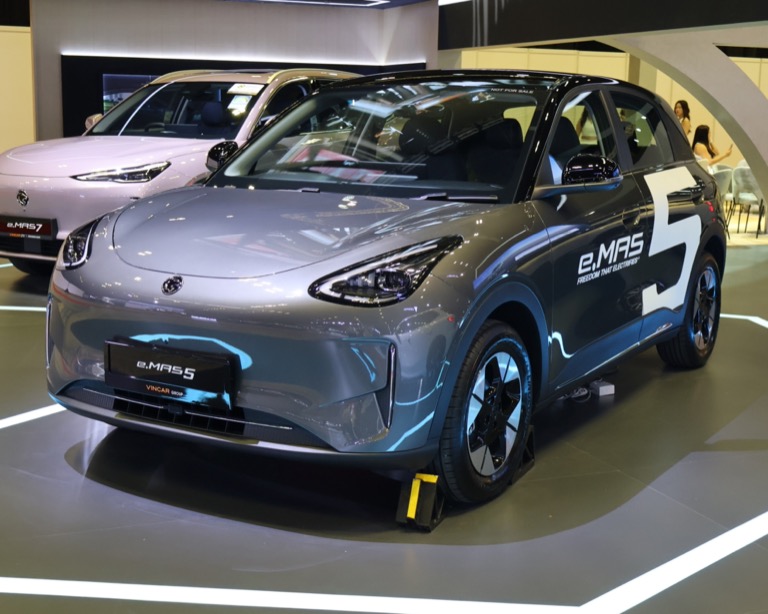
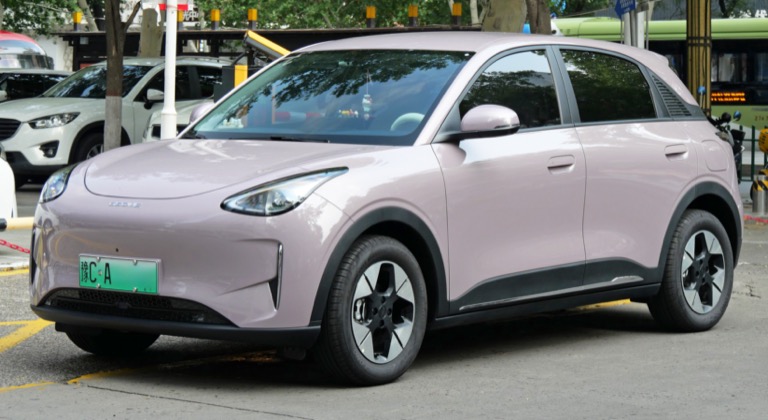
- Proton e.MAS 5 Premium (EV) — RM72,800, 85 kW motor, 325 km range
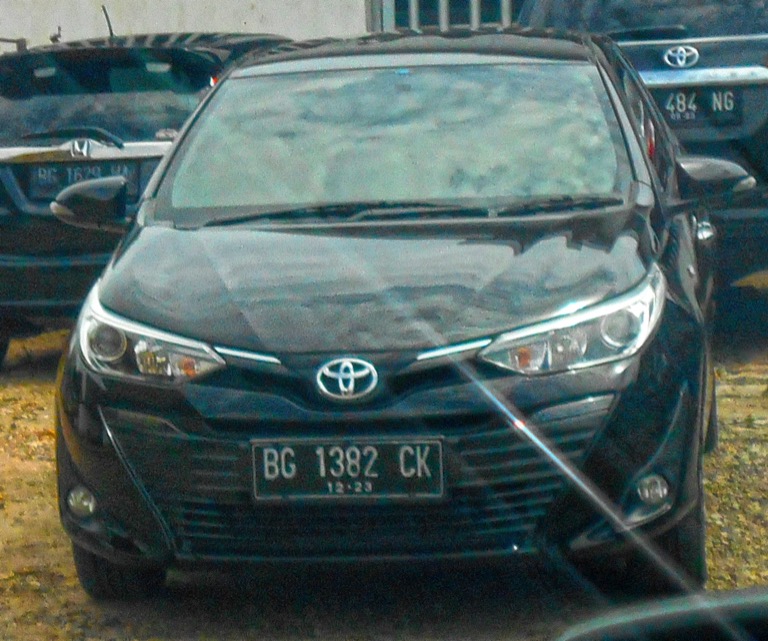
- Toyota Vios 1.5 HEV (Hybrid) — RM103,900, 111 PS, 3.6L/100km
- Toyota Vios 1.5G (Petrol) — RM96,600, 107 PS, 6.1L/100km
We also reference the BYD Atto 3 (RM123,800) and Honda City 1.5 eHEV RS (RM111,900) where relevant for broader context.
ALSO READ: Cheapest EV in Malaysia 2026
1. Fuel & Electricity Costs — The Biggest Differentiator
This is where EVs pull ahead dramatically. Let’s assume you drive 1,500 km per month (the Malaysian average for daily commuters).
Petrol (Toyota Vios 1.5G)
- Fuel consumption: 6.1L/100km
- Monthly fuel used: 91.5 litres
- Cost at subsidised RON95 (RM1.99/L): RM182/month
- Cost at unsubsidised RON95 (RM3.87/L): RM354/month
Hybrid (Toyota Vios 1.5 HEV)
- Fuel consumption: 3.6L/100km
- Monthly fuel used: 54 litres
- Cost at subsidised RON95 (RM1.99/L): RM107/month
- Cost at unsubsidised RON95 (RM3.87/L): RM209/month
EV (Proton e.MAS 5)
- Energy consumption: ~15 kWh/100km (estimated)
- Monthly electricity used: 225 kWh
- Cost at home charging (~RM0.35/kWh blended residential rate): RM79/month
- Cost at DC fast charging (~RM1.20/kWh): RM270/month
Key takeaway: Home-charging EV owners save RM103/month over petrol and RM28/month over hybrid — that’s RM1,236 to RM3,300 per year depending on fuel subsidy status. But if you rely solely on public DC fast charging, the savings shrink significantly.
If you’re charging at home, make sure you have the right setup. Browse affordable home EV chargers at evsifu.com.my — Malaysia’s trusted EV charger marketplace.
ALSO READ: EV vs Petrol Running Cost Malaysia
2. Maintenance Costs — EVs Win by a Wide Margin
One of the most overlooked advantages of electric cars is how little maintenance they need.
What EVs DON’T need:
- Engine oil changes
- Spark plug replacements
- Transmission fluid
- Exhaust system repairs
- Timing belt/chain replacement
Estimated 5-year maintenance costs:
| Item | Petrol (Vios) | Hybrid (Vios HEV) | EV (e.MAS 5) |
|---|---|---|---|
| Scheduled servicing | RM4,000 | RM3,200 | RM1,500 |
| Brake pads | RM800 | RM500 | RM400 |
| Tyres (2 sets) | RM2,400 | RM2,400 | RM2,800 |
| Other wear items | RM1,200 | RM900 | RM300 |
| Total (5 years) | RM8,400 | RM7,000 | RM5,000 |
Hybrids benefit from regenerative braking (less brake wear) but still have a petrol engine that needs regular servicing. EVs save roughly 40–60% on maintenance compared to pure petrol cars.
Note: EV tyres tend to cost slightly more due to the heavier vehicle weight and higher torque, but this is offset by savings everywhere else.
3. Road Tax (Cukai Jalan) — New 2026 kW-Based EV Rates
The full road tax exemption for EVs ended on 1 January 2026. Malaysia now uses a new kW-based road tax structure for electric vehicles — and it’s still significantly cheaper than petrol equivalents.
Annual road tax comparison:
| Car | Power | Annual Road Tax |
|---|---|---|
| Proton e.MAS 5 | 85 kW | ~RM80/year |
| BYD Atto 3 | 150 kW | ~RM160/year |
| Toyota Vios 1.5 HEV | 1,497cc | ~RM140/year |
| Toyota Vios 1.5G | 1,497cc | ~RM140/year |
| Honda City eHEV RS | 1,498cc | ~RM140/year |
For most mass-market EVs, you’ll pay between RM80 and RM200/year — still up to 85% cheaper than what an equivalent ICE car with the same performance output would cost under the old cc-based formula.
ALSO READ: EV Road Tax Malaysia 2026 — Rates & Exemptions
4. Insurance — EVs Cost More, But It’s Narrowing
This is one area where EVs are still at a disadvantage.
- EV insurance: RM1,800–RM2,300/year (typical)
- Petrol/hybrid insurance: RM1,200–RM1,700/year (typical)
EV premiums run 10–30% higher due to:
- Expensive battery replacement costs (RM30,000–RM80,000)
- Fewer authorised repair centres
- Higher parts costs for specialised EV components
However, the gap is narrowing as more insurers enter the EV space and repair networks expand. Some insurers now offer EV-specific policies with battery coverage included.
Pro tip: Factor in the fuel savings — even with higher insurance, the RM2,400–RM3,600/year you save on fuel more than covers the RM600–RM1,200/year insurance premium difference.
5. Resale Value & Depreciation — The EV Weak Spot
This is currently the biggest concern for Malaysian EV buyers.
Typical depreciation over 5 years:
| Powertrain | 3-Year Depreciation | 5-Year Depreciation |
|---|---|---|
| Petrol | 30–40% | 50–60% |
| Hybrid | 25–35% | 45–55% |
| EV | 40–50% | 55–65% |
EVs depreciate faster due to:
- Rapid technology advances making older models feel outdated
- Battery degradation concerns (even if actual degradation is minimal)
- Limited secondary market for used EVs in Malaysia
- Charging infrastructure anxiety among second-hand buyers
Hybrids currently hold value best because they offer fuel savings without the charging lifestyle commitment. Toyota and Honda hybrids especially enjoy strong resale demand.
However: As charging infrastructure improves and EV adoption increases, depreciation rates are expected to normalise. Buyers purchasing in 2026 may benefit from a more mature resale market by 2029–2031.
ALSO READ: BYD Atto 3 vs Chery Omoda E5 Malaysia 2026
The Complete 5-Year Cost Comparison
Here’s what it all adds up to over 5 years, assuming 1,500 km/month driving and home charging for the EV:
| Cost Category | Petrol (Vios 1.5G) | Hybrid (Vios HEV) | EV (e.MAS 5 Premium) |
|---|---|---|---|
| Purchase price | RM96,600 | RM103,900 | RM72,800 |
| Fuel/electricity (5yr) | RM10,920 | RM6,420 | RM4,740 |
| Maintenance (5yr) | RM8,400 | RM7,000 | RM5,000 |
| Road tax (5yr) | RM700 | RM700 | RM400 |
| Insurance (5yr, est.) | RM7,500 | RM7,500 | RM10,000 |
| Total 5-year cost | RM124,120 | RM125,520 | RM92,940 |
| Resale value (est.) | RM38,200 | RM46,755 | RM25,480 |
| Net cost of ownership | RM85,920 | RM78,765 | RM67,460 |
The verdict: The Proton e.MAS 5 delivers the lowest total cost of ownership over 5 years — saving you roughly RM18,460 compared to a petrol Vios and RM11,305 compared to a hybrid Vios. The lower purchase price and cheap home charging are game-changers.
Ready to start saving? Get your home EV charger installed today — check the best deals at evsifu.com.my.
So, Which Should You Buy?
Choose an EV if:
- You have home charging (landed house or condo with charger access)
- Your daily commute is under 100 km
- You want the lowest running costs
- You’re comfortable with the evolving charging network
Choose a Hybrid if:
- You cannot install a home charger
- You frequently drive outstation or long-distance
- You want fuel savings without lifestyle changes
- Resale value is a top priority
Choose Petrol if:
- You’re on a tight budget and need the lowest upfront cost (used market)
- Your driving is mostly highway at steady speeds
- You prefer maximum simplicity and the widest service network
What About PHEVs (Plug-in Hybrids)?
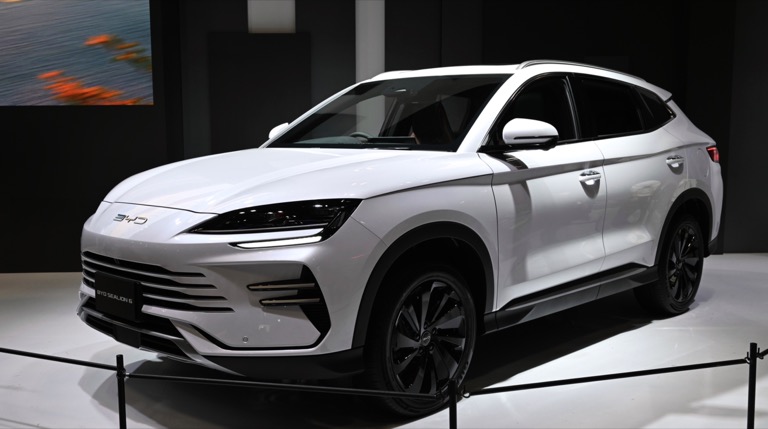
Plug-in hybrids deserve a mention. PHEVs like the BYD Sealion 6 DM-i offer the best of both worlds — short-range electric driving plus a petrol engine for long trips. However, they typically cost more upfront and require discipline to plug in regularly. If you don’t charge a PHEV consistently, you’re essentially driving a heavier, less efficient petrol car.
For most Malaysian buyers, a pure EV (if you can charge at home) or a full hybrid (if you can’t) makes more financial sense than a PHEV in 2026.
Charging at Home: The Key to EV Savings
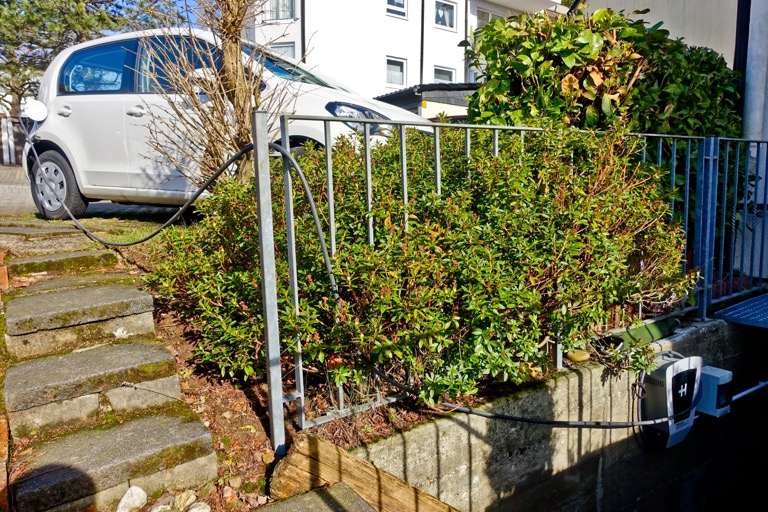
The entire EV cost advantage hinges on home charging. At residential TNB rates (~RM0.35/kWh blended), charging costs a fraction of public DC fast charging (RM1.00–RM1.50/kWh).
If you live in a landed property, installing a home charger is straightforward. For condo or apartment dwellers, it’s getting easier — many JMBs now approve EV charger installations, and there are dedicated solutions for strata properties.
Need a home charger? Visit evsifu.com.my to compare the best home EV chargers in Malaysia with professional installation.
ALSO READ: Complete Home EV Charging Guide Malaysia
Frequently Asked Questions
Is it cheaper to drive an EV or petrol car in Malaysia?
Yes, an EV is significantly cheaper to drive if you charge at home. Home charging costs roughly RM79/month for 1,500 km of driving, compared to RM182/month for a petrol car using subsidised RON95. That’s a saving of over RM1,200/year on fuel alone.
How much is EV road tax in Malaysia 2026?
EV road tax in 2026 uses a new kW-based structure. Most mass-market EVs pay between RM80 and RM200/year. For example, the Proton e.MAS 5 pays approximately RM80/year, while the BYD Atto 3 pays around RM160/year.
Is EV insurance more expensive than petrol car insurance in Malaysia?
Yes, EV insurance premiums are typically 10–30% higher than equivalent petrol cars, mainly due to expensive battery replacement costs. However, the fuel savings more than offset this difference.
Which has better resale value — EV, hybrid, or petrol?
Currently, hybrids hold their value best in Malaysia, depreciating roughly 25–35% over 3 years. EVs depreciate faster (40–50% over 3 years) due to rapid technology changes and battery concerns. However, this gap is expected to narrow.
Should I buy a hybrid or EV in Malaysia 2026?
If you can charge at home, an EV offers the lowest total cost of ownership. If you can’t install a home charger or frequently drive long distances, a hybrid is the smarter choice — it saves fuel without requiring any charging infrastructure.
How much does it cost to charge an EV at home in Malaysia?
At residential TNB rates (~RM0.35/kWh blended), a full charge for a Proton e.MAS 5 Premium (40.16 kWh battery) costs approximately RM14.00. For the BYD Atto 3 (49.92 kWh), a full charge costs around RM17.50.
What is the cheapest EV in Malaysia 2026?
The Proton e.MAS 5 is the cheapest EV in Malaysia, starting from RM59,800 for the Prime variant. It offers 225–325 km of range depending on the variant, making it an affordable entry point into EV ownership.
Final Thoughts
The EV vs hybrid vs petrol debate in Malaysia isn’t about which technology is “better” — it’s about which one fits your lifestyle and budget. The numbers are clear: if you can charge at home, an EV like the Proton e.MAS 5 offers the lowest 5-year cost of ownership. If home charging isn’t possible, a hybrid like the Toyota Vios HEV gives you meaningful fuel savings without any lifestyle disruption.
What’s certain is that the days of petrol being the obvious default choice are over. Whether you go electric or hybrid, you’ll save money compared to a pure petrol car — especially as Malaysia’s subsidised fuel prices face an uncertain future.
Looking to make the switch to electric? Start with the right home charging setup. Visit evsifu.com.my to find the best EV chargers for Malaysian homes, with expert installation support nationwide.