
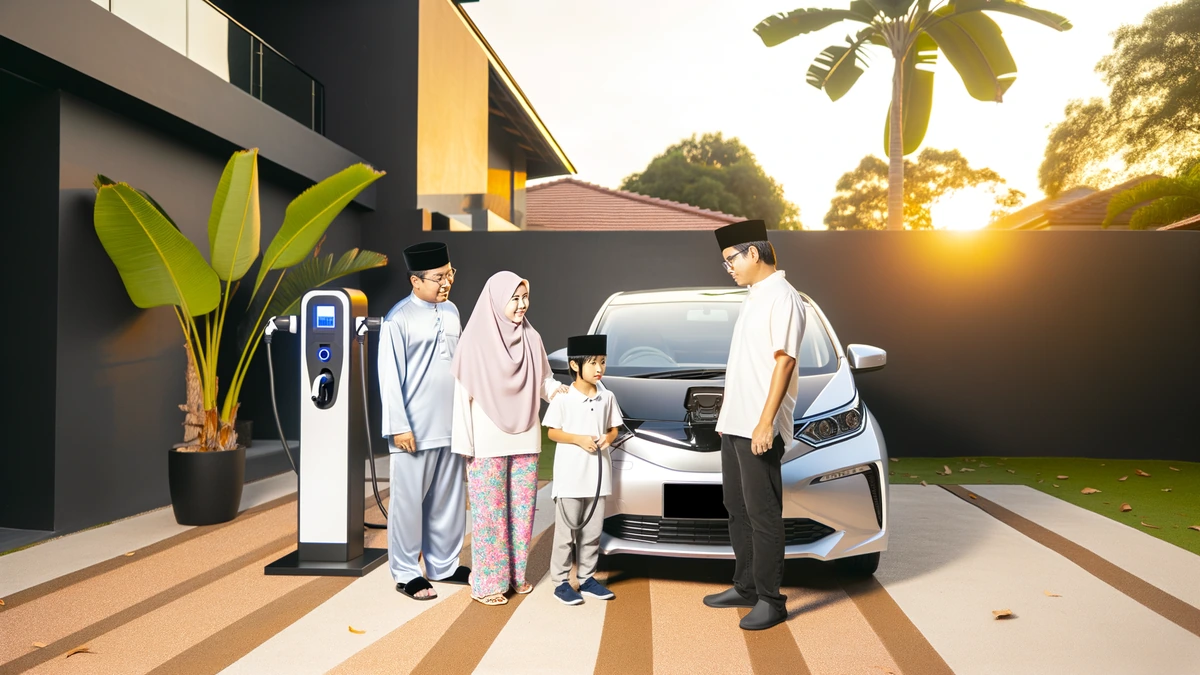
If you’ve been asking yourself “should I buy an EV in Malaysia?” — you’re not alone. With 8+ Reddit threads blowing up with hundreds of comments, it’s clear that Malaysians are seriously weighing the switch from petrol to electric. And for good reason: the Proton e.MAS 5 now starts at just RM59,800, road tax is as low as RM40/year, and home charging can cost as little as RM0.10 per km. Start with the right charger — check deals at evsifu.com.my.
But here’s the thing — EVs aren’t for everyone. Not yet, anyway. In this guide, we’ll give you the honest truth about owning an electric car in Malaysia in 2026, break down the costs for every budget tier, and help you decide if an EV actually makes sense for your lifestyle.
What’s In This Guide
- The Honest Truth About Owning an EV in Malaysia
- Budget Tier Breakdown: Which EV Can You Actually Afford?
- Running Cost Comparison: EV vs Petrol (Real Numbers)
- Charging Reality Check: Home vs Public
- Insurance, Maintenance, and Hidden Costs
- Resale Value and Depreciation
- Who Should NOT Buy an EV Yet
- Decision Flowchart: Is an EV Right for You?
- Frequently Asked Questions
The Honest Truth About Owning an EV in Malaysia
Let’s get the real pros and cons out of the way before we talk numbers.
The Good Stuff
- Dramatically lower fuel costs — Home charging costs roughly RM0.10/km vs RM0.15/km for petrol (RON95). That’s a 30–40% saving on every kilometre you drive.
- Almost zero maintenance — No engine oil changes, no spark plugs, no timing belt. Brake pads last longer too, thanks to regenerative braking.
- Road tax is cheap — The new kW-based road tax structure (effective January 2026) is 40–85% cheaper than equivalent petrol cars. Most mass-market EVs pay between RM40 and RM200/year.
- Smooth, quiet driving — Instant torque, no gear shifts, whisper-quiet cabin. Once you drive electric, petrol feels… outdated.
- Government incentives still active — While the road tax exemption ended in December 2025, the new rates remain highly competitive.
The Not-So-Good Stuff
- Higher upfront cost — Even the cheapest EV (Proton e.MAS 5 at RM59,800) costs more than budget petrol cars like the Perodua Axia.
- Charging infrastructure gaps — Public chargers are growing but still patchy outside KL/Selangor. Long-distance travel requires planning.
- Faster depreciation — EVs tend to lose value faster in the first 3–5 years due to rapid tech improvements and battery concerns.
- Battery replacement anxiety — While most batteries last 8–10 years, replacement costs remain a concern for long-term owners.
- Condo charging challenges — If you live in a condo without dedicated EV charging, daily ownership becomes significantly harder.
ALSO READ: EV vs Petrol Running Cost Malaysia: Which Actually Saves You More?
Budget Tier Breakdown: Which EV Can You Actually Afford?
Here’s the real question — what can you get at your budget? We’ve broken it down into four tiers so you can see exactly what’s available.
Tier 1: Under RM100,000 — The Entry Point
This tier has exploded in 2026. If you thought EVs were only for the rich, think again.
| Model | Price (OTR) | Range (WLTP) | Battery | Power |
|---|---|---|---|---|
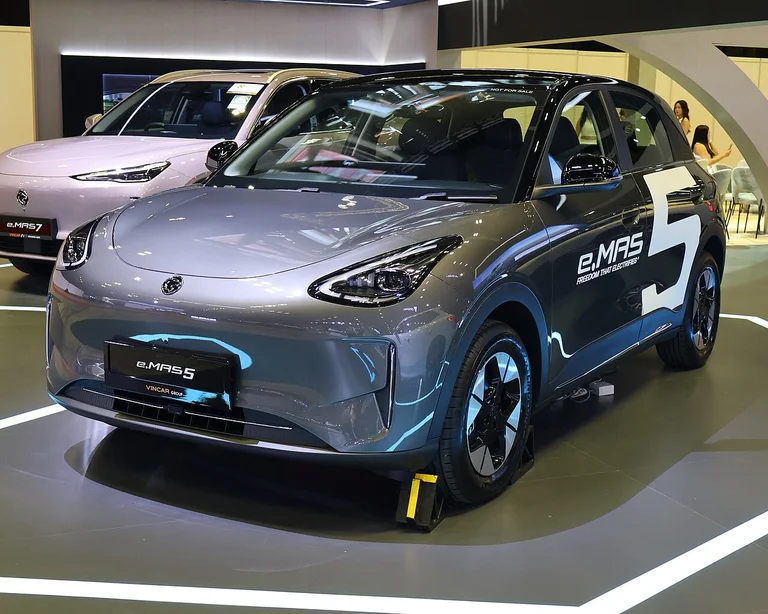
| Proton e.MAS 5 Prime | RM59,800 | 225 km | 30.12 kWh | 70 kW |
| Proton e.MAS 5 Premium | RM72,800 | 325 km | 40.16 kWh | 70 kW |
| Wuling Bingo EV | ~RM63,000 | 333 km | 31.9 kWh | 50 kW |
| Perodua QV-E | ~RM80,000 | ~300 km | TBC | TBC |
Best for: Daily city commuters in KL/Penang/JB with home charging. The Proton e.MAS 5 Premium with 325 km range handles most daily driving needs comfortably.
Need a home charger for your new EV? Browse portable and wallbox chargers at evsifu.com.my — from RM399 with nationwide delivery.
Reality check: At this price, you’re getting B-segment hatchbacks with limited range. These are second cars or city commuters, not highway tourers. If your daily commute is under 80 km return trip with home charging, this tier works brilliantly.
Tier 2: RM100,000 – RM150,000 — The Sweet Spot
This is where most Malaysians are shopping. You get proper range, better features, and SUV options. Make sure you’re set up for home charging — visit evsifu.com.my to compare wallbox chargers.
| Model | Price (OTR) | Range (WLTP) | Battery | Power |
|---|---|---|---|---|
| Neta V | ~RM99,800 | 380 km | 38.54 kWh | 70 kW |
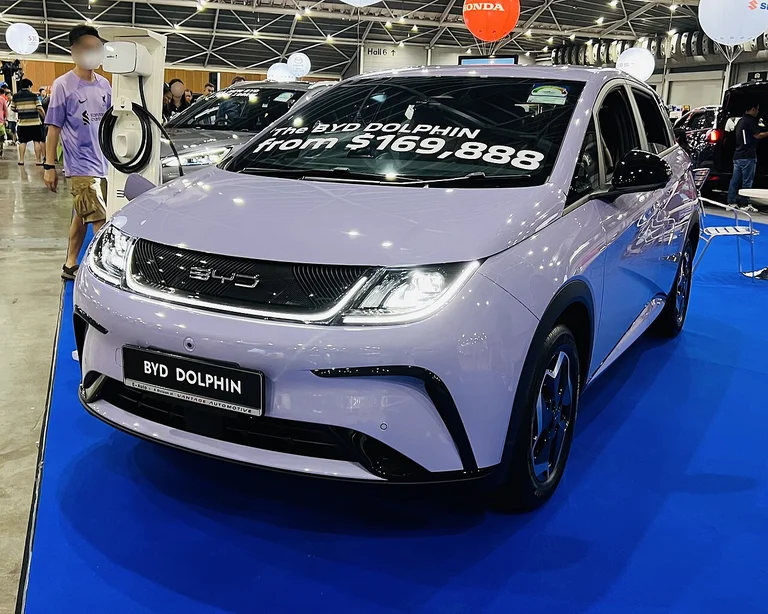
| BYD Dolphin | ~RM99,800 | 427 km | 44.9 kWh | 70 kW |
| BYD Atto 2 | ~RM100,000 | ~380 km | 45.1 kWh | 110 kW |
| Chery Omoda E5 | ~RM120,000 | 430 km | 61 kWh | 150 kW |
| BYD Atto 3 | ~RM123,800 | 420 km | 49.92 kWh | 150 kW |
| MG ZS EV | ~RM130,000 | 440 km | 51 kWh | 130 kW |
Best for: Families, daily commuters, and anyone who wants a primary car EV. With 400+ km range, these models handle daily driving and occasional outstation trips.
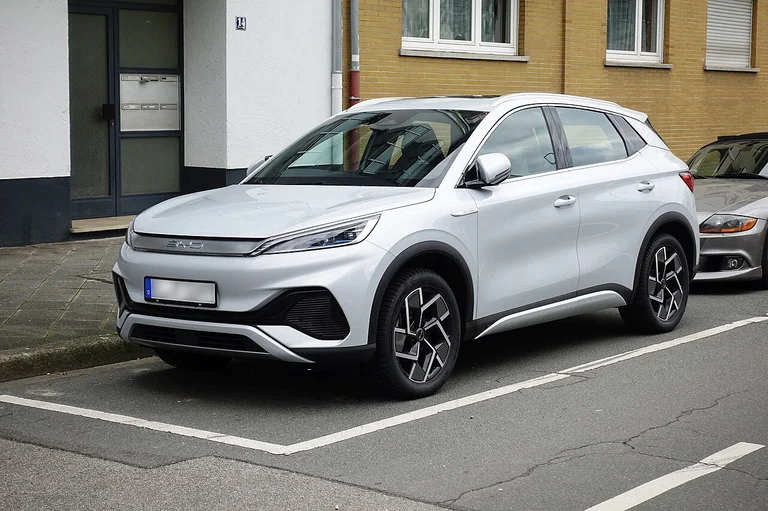
Reality check: This tier offers the best value-for-money in the Malaysian EV market right now. The BYD Atto 3 and Chery Omoda E5 are both compelling C-segment SUVs that compete directly with popular petrol choices like the Honda HR-V and Proton X50.
ALSO READ: BYD Atto 3 vs Chery Omoda E5 Malaysia 2026: Which Should You Buy?
Tier 3: RM150,000 – RM250,000 — Premium Performance
If you want Tesla-level tech, premium interiors, or serious performance, this is your tier.
| Model | Price (OTR) | Range (WLTP) | Battery | Power |
|---|---|---|---|---|
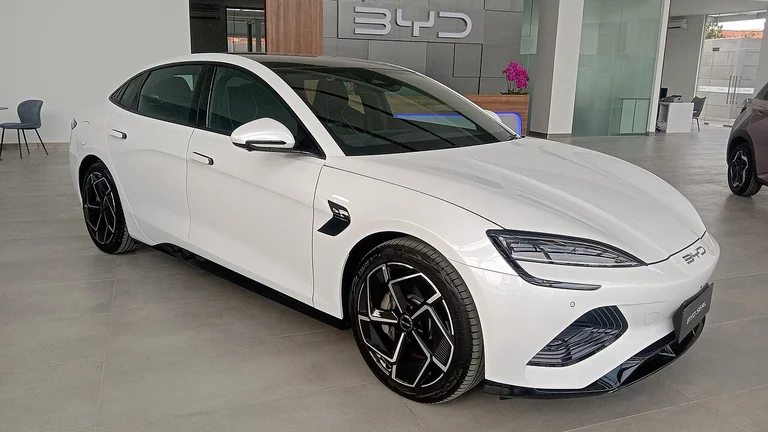
| BYD Seal | ~RM165,000 | 570 km | 82.56 kWh | 230 kW |
| BYD Sealion 7 | ~RM200,000 | 502 km | 82.56 kWh | 310 kW (AWD) |
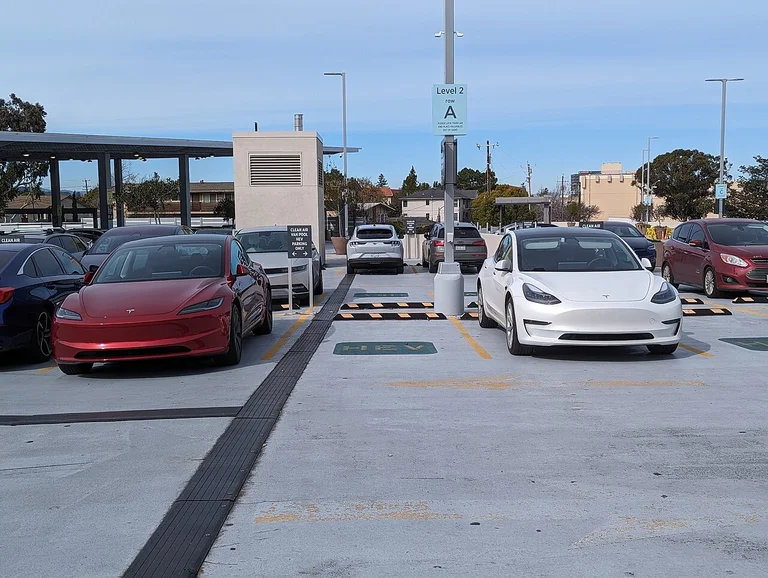
| Tesla Model 3 Highland | ~RM190,000 | 513 km | 60 kWh | 208 kW |
Best for: Enthusiasts and professionals who want long-range capability, premium features, and strong brand recognition. The BYD Seal with 570 km range is the standout for long-distance driving.
ALSO READ: BYD Atto 3 vs Tesla Model Y Malaysia: Full Comparison
Tier 4: Above RM250,000 — Luxury Electric
For those who want the best of the best.
| Model | Price (OTR) | Range (WLTP) | Battery | Power |
|---|---|---|---|---|
| Tesla Model Y | ~RM260,000 | 533 km | 75 kWh | 220 kW |
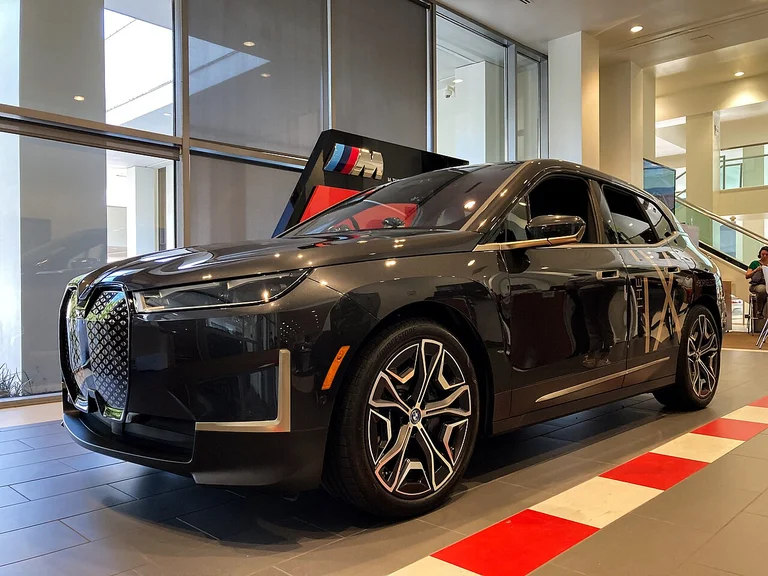
| BMW iX xDrive40 | ~RM350,000 | 425 km | 76.6 kWh | 240 kW |
| Mercedes EQS SUV | ~RM1,090,000 | 600+ km | 108.4 kWh | 265 kW |
Best for: Luxury buyers already cross-shopping BMW 5 Series, Mercedes E-Class, or Tesla fans.
ALSO READ: Cheapest EV in Malaysia 2026: Complete Price List
Running Cost Comparison: EV vs Petrol (Real Numbers)
Let’s talk ringgit and sen. Here’s what it actually costs to run an EV vs a petrol car over 5 years, based on 15,000 km/year driving.
Cost Per Kilometre
| Cost Component | EV (Home Charging) | EV (Public DC Fast) | Petrol (RON95) |
|---|---|---|---|
| Energy/Fuel cost per km | ~RM0.07–0.10 | ~RM0.22–0.32 | ~RM0.13–0.17 |
| Maintenance per km | ~RM0.02 | ~RM0.02 | ~RM0.05 |
| Total per km | ~RM0.09–0.12 | ~RM0.24–0.34 | ~RM0.18–0.22 |
5-Year Total Cost Comparison (75,000 km)
| Expense | EV (Home Charging) | Petrol Equivalent |
|---|---|---|
| Fuel/Energy | ~RM6,000 – RM7,500 | ~RM10,000 – RM12,750 |
| Maintenance & Service | ~RM1,500 | ~RM3,750 |
| Road Tax (5 years) | ~RM800 (avg RM160/yr) | ~RM1,900 (avg RM380/yr) |
| Insurance (5 years) | ~RM12,000 | ~RM10,000 |
| Total Running Cost | ~RM20,300 | ~RM27,400 |
| Savings with EV | ~RM7,100 over 5 years | — |
The bottom line: If you charge at home, an EV saves you roughly RM1,400/year in running costs. Over 5 years, that’s RM7,100 back in your pocket — enough to cover a holiday or a few months of car payments.
Warning: If you rely mainly on public DC fast charging (RM1.25–1.80/kWh), your energy costs can actually exceed petrol. Home charging is essential to make the EV economics work.
ALSO READ: EV vs Petrol Running Cost Malaysia: The Complete Breakdown
Charging Reality Check: Home vs Public
Charging is the single biggest lifestyle change when switching to an EV. Here’s what you need to know.
Home Charging (The Best Option)
- Cost: RM0.22–0.57/kWh depending on your TNB tariff tier
- Off-peak (ToU tariff): As low as RM0.24/kWh — charge overnight for maximum savings
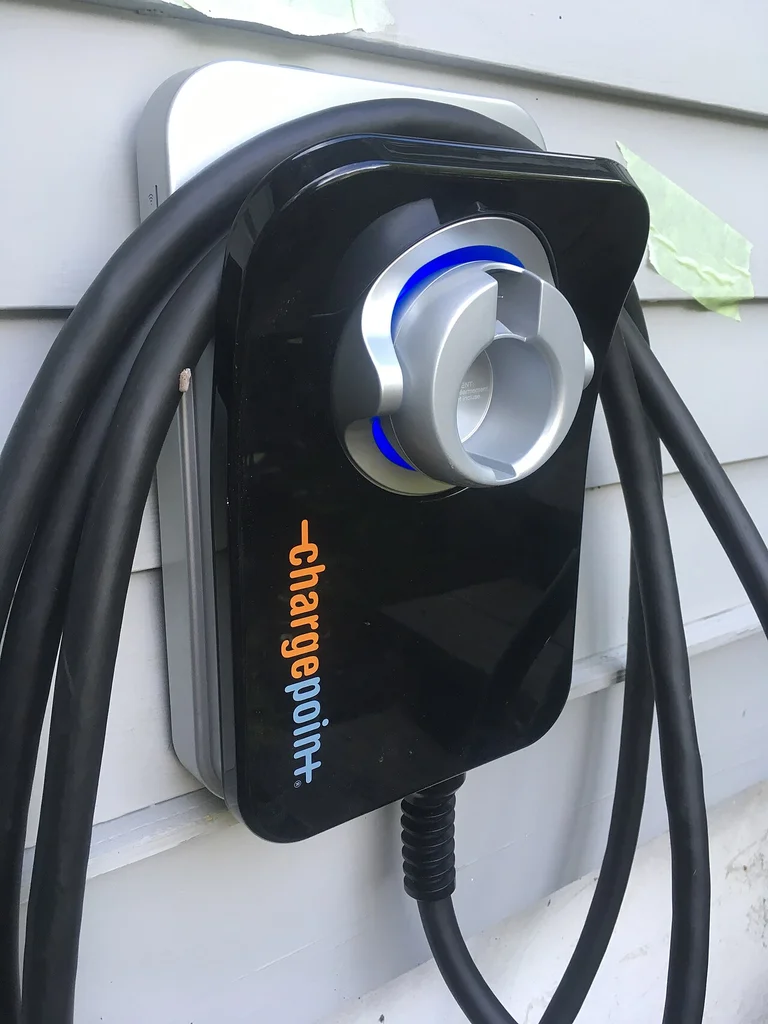
- Time: 6–10 hours for a full charge on a 7kW wall charger
- Installation cost: RM2,000–5,000 for a home wallbox charger with wiring
If you live in a landed property, home charging is straightforward. For condo residents, check if your management has installed EV charging bays — many newer developments now include them.
Public Charging
- DC Fast Charging: RM1.25–1.80/kWh (30–80% in 20–40 minutes)
- AC Destination Charging: RM1.00–1.50/kWh (slower, often at malls and hotels)
- Tesla Supercharger: RM1.25/kWh (Tesla owners only, expanding network)
Network coverage: Klang Valley, Penang, and JB have decent coverage. Heading to East Coast or East Malaysia? Plan your charging stops carefully — apps like ChargEV and JomCharge help you find available chargers along your route.
Pro tip: The TNB Time-of-Use (ToU) tariff lets you charge at just RM0.24/kWh during off-peak hours (10pm–8am). That drops your cost per km to under RM0.05 — cheaper than a kapchai motorcycle.
ALSO READ: Complete Home EV Charging Guide Malaysia
Insurance, Maintenance, and Hidden Costs
Road Tax (2026 Rates)
The EV road tax exemption ended December 31, 2025. From January 1, 2026, EVs pay road tax based on motor power (kW) instead of engine cc. Here’s what popular models pay:
| Model | Power (kW) | Annual Road Tax |
|---|---|---|
| Proton e.MAS 5 | 70 kW | ~RM50 |
| BYD Dolphin | 70 kW | ~RM50 |
| BYD Atto 3 | 150 kW | ~RM160 |
| Tesla Model 3 | 208 kW | ~RM280 |
| BYD Sealion 7 AWD | 310 kW | ~RM500 |
Compare that to a 2.0L petrol car paying RM380/year — most EVs come out well ahead.
Insurance
EV insurance premiums are generally 10–20% higher than equivalent petrol cars due to higher vehicle values and specialised repair costs. However, insurers now offer EV-specific add-ons:
- Home wallbox charger protection
- Charging cable theft coverage
- Mobile charging assistance (like a tow, but they charge your battery)
Hidden Costs to Budget For
- Home charger installation: RM2,000–5,000 (one-time)
- Tyre replacement: EV tyres wear faster due to heavier vehicle weight and instant torque. Budget RM800–2,000 per set.
- Battery health check: Free under warranty (typically 8 years), but after warranty, a health check costs RM200–500.
ALSO READ: EV Road Tax Malaysia 2026: Rates and Exemptions Explained
Resale Value and Depreciation: The Elephant in the Room
Let’s address the big concern — will your EV hold its value?
The honest answer: EVs currently depreciate faster than petrol cars in the first 3–5 years. Expect to retain roughly 40–60% of the original price after 5 years, compared to 50–70% for popular petrol models like the Honda City or Toyota Vios.
Why?
- Rapid tech improvements make older EVs feel dated quickly
- Battery degradation concerns (real or perceived)
- Still-developing secondhand EV market in Malaysia
The silver lining:
- Popular models like BYD and Tesla hold value better thanks to strong brand recognition
- As the secondhand market matures, EV resale values are expected to improve
- Government incentives and infrastructure growth support long-term value
Our advice: If depreciation keeps you up at night, consider these strategies:
- Buy a popular model with strong brand support (BYD, Tesla, Proton)
- Keep your EV for 7+ years to maximize running cost savings that offset depreciation
- Consider certified pre-owned EVs — you can now get used EVs from RM35,000 in Malaysia
ALSO READ: Malaysia EV Market 2026 Overview: Everything You Need to Know
Who Should NOT Buy an EV Yet
We love EVs at EVSIFU, but we’ll be the first to tell you — an EV is not right for everyone in 2026. Don’t buy an EV if:
- You don’t have home charging access — Relying solely on public chargers is expensive and inconvenient. If you live in an older condo without EV charging and your management won’t install it, hold off.
- You frequently drive long distances (300+ km daily) — While 400+ km range EVs exist, frequent long highway drives with charging stops add significant time. If you’re a sales rep covering Peninsular Malaysia daily, a hybrid might suit you better.
- You’re buying purely to save money and your budget is under RM60k — At this price, a Perodua Axia or Myvi still offers lower total ownership costs. The EV running cost advantage doesn’t overcome the higher purchase price at the very bottom of the market.
- You need to tow or carry very heavy loads regularly — The affordable EV segment doesn’t offer towing-capable models yet.
- You plan to sell within 2–3 years — Faster depreciation means you’ll lose more on resale compared to a popular petrol model.
Decision Flowchart: Is an EV Right for You?
Ask yourself these questions:
1. Do you have home charging (or reliable workplace charging)?
- ✅ Yes → Move to question 2
- ❌ No → An EV will be frustrating. Consider a hybrid instead, or push your condo management for charging bays.
2. What’s your daily commute distance?
- Under 100 km → Any EV works, even Tier 1 models
- 100–200 km → Tier 2+ recommended (400+ km range)
- Over 200 km daily → Tier 3+ or consider a hybrid
3. What’s your budget?
- Under RM60k → Proton e.MAS 5 Prime is your only new option. Consider used EVs from RM35k.
- RM60–100k → Proton e.MAS 5 Premium or Wuling Bingo EV
- RM100–150k → BYD Atto 3, Chery Omoda E5, or BYD Dolphin — best value
- RM150k+ → BYD Seal, Tesla Model 3, or luxury options
4. Is this your only car?
- If yes, get Tier 2 or above for the range flexibility
- If it’s a second/city car, Tier 1 is perfect
5. How long will you keep it?
- 5+ years → EV savings compound significantly. Go for it.
- Under 3 years → Depreciation may eat your running cost savings. Think carefully.
Our verdict: If you have home charging, drive under 150 km daily, budget RM100k+, and plan to keep the car 5+ years — yes, buy an EV in 2026. The running cost savings are real, the driving experience is superior, and the market has never had this many affordable options.
Ready to Make the Switch? Start Here
If you’ve decided an EV is right for you, here’s your next step:
👉 Browse EV chargers and accessories at evsifu.com.my — we carry home wallbox chargers, portable EV chargers, and charging cables from top brands. Get your home charging sorted before your EV arrives.
Need help choosing the right charger? Check out our guides:
Frequently Asked Questions
Is it worth buying an EV in Malaysia in 2026?
Yes, for most urban Malaysians with home charging access. With models starting from RM59,800 (Proton e.MAS 5), road tax as low as RM40–50/year, and running costs 30–50% cheaper than petrol, the economics increasingly favour EVs — especially if you keep the car for 5+ years.
What is the cheapest EV in Malaysia right now?
The Proton e.MAS 5 Prime at RM59,800 is the cheapest new EV in Malaysia as of April 2026. For used EVs, you can find options from around RM35,000.
How much does it cost to charge an EV at home in Malaysia?
Using TNB’s standard domestic tariff, home charging costs roughly RM0.30–0.57/kWh. For a car with 400 km range and a 50 kWh battery, a full charge costs approximately RM15–28. With the Time-of-Use (ToU) tariff at off-peak rates (~RM0.24/kWh), it drops to about RM12 for a full charge.
Ready to go electric? Get your home charging sorted first. Visit evsifu.com.my for expert advice and the best EV charger deals in Malaysia.
Do EVs pay road tax in Malaysia in 2026?
Yes. The EV road tax exemption ended on December 31, 2025. From January 1, 2026, EVs pay road tax based on motor power output (kW). Rates range from RM20 to RM4,890/year, but most popular models pay between RM40 and RM300 — still 40–85% cheaper than equivalent petrol cars.
Is EV insurance more expensive in Malaysia?
Generally 10–20% higher than equivalent petrol cars due to higher vehicle values and specialised repair requirements. However, insurers now offer EV-specific coverage including wallbox protection and charging cable theft cover. Shop around — premiums vary significantly between insurers.
How fast do EVs depreciate in Malaysia?
EVs currently depreciate faster than petrol cars, retaining roughly 40–60% of value after 5 years compared to 50–70% for popular petrol models. However, strong brands like BYD and Tesla hold value better, and the secondhand EV market is maturing rapidly.
Can I charge an EV in a condo in Malaysia?
It depends on your condo management. Newer developments increasingly include EV charging bays. For older condos, you’ll need management approval and potentially a dedicated meter. Check our EV charger installation guide for condos for the full process.
Should I buy a hybrid or EV in Malaysia?
If you have home charging and drive mostly in the city, an EV offers lower running costs and a better driving experience. If you frequently drive long distances (300+ km), lack home charging, or want the lowest purchase price, a hybrid is the safer bet in 2026.
Looking for the right EV charger for your home? Visit evsifu.com.my for Malaysia’s widest selection of home and portable EV chargers, with free consultation on the best setup for your home.