
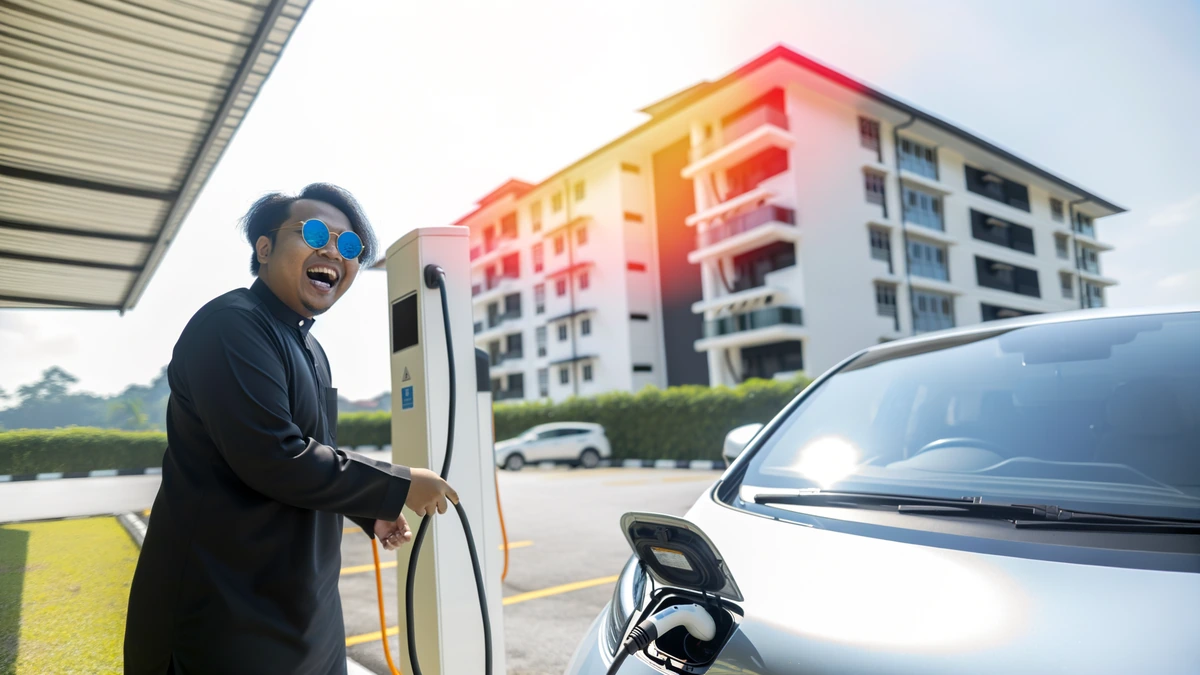
If you have recently installed — or are planning to install — a home EV charger in Malaysia, the government wants to help cover the cost. The EV charger subsidy Malaysia programme includes two key incentives: an RM2,500 per year income tax relief on EV charging equipment (valid until 2027), and a separate home charging station rebate of up to RM3,000 for qualifying EV owners.
Combined, these incentives can save you RM3,000–RM5,500 on your home charger installation — significantly reducing the cost of going electric. But many EV owners miss out simply because they do not know the claiming process or eligibility requirements.
This guide breaks down exactly what you need to know: who qualifies, what expenses are covered, how to file the claim, and common mistakes to avoid.
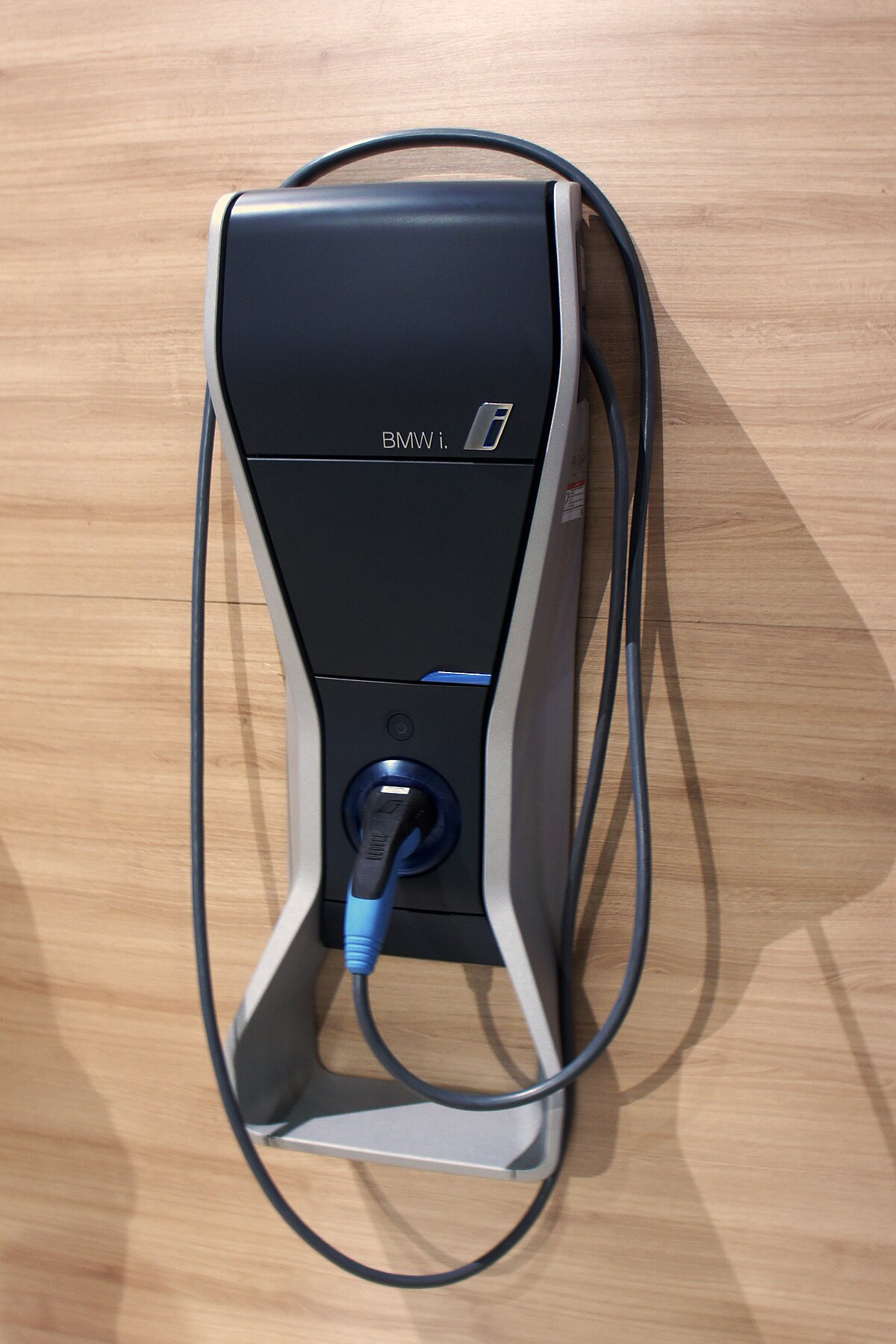
Table of Contents
ALSO READ: Home EV Charger Installation Guide Malaysia 2026
What EV Charger Incentives Are Available in Malaysia?
Malaysia offers two distinct financial incentives for EV charging equipment:
1. RM2,500 Income Tax Relief (LHDN)
This is a personal income tax relief — meaning it reduces your taxable income by up to RM2,500 per year. It covers:
- Purchase of home EV charging equipment (wallbox, charger unit)
- Installation costs (labour, wiring, safety devices)
- Rental or hire-purchase of EV charging equipment
- Subscription fees for public EV charging services (e.g., ChargEV, JomCharge)
Validity: Year of Assessment 2023 to 2027 (you can claim for expenses incurred in 2026 when filing taxes in 2027).
How much you actually save: The tax relief reduces your taxable income, not your tax bill directly. Depending on your tax bracket:
| Your Tax Bracket | Tax Relief (RM2,500) | Actual Tax Savings |
|---|---|---|
| 13% (RM50k–RM70k income) | RM2,500 | RM325 |
| 21% (RM70k–RM100k income) | RM2,500 | RM525 |
| 24% (RM100k–RM250k income) | RM2,500 | RM600 |
| 25.5% (RM250k–RM400k income) | RM2,500 | RM637.50 |
2. RM3,000 Home Charging Station Rebate
In addition to the tax relief, the government offers a direct rebate of up to RM3,000 for qualifying EV owners who install a home charging station. This rebate programme is part of the National EV Roadmap and targets making home charging more accessible.
Key requirements:
- Must own a registered EV in Malaysia
- Charger must meet Suruhanjaya Tenaga (ST) standards
- Installation must be performed by an ST-registered contractor
- Only EVs approved under the National EV Roadmap may qualify
Important: The RM3,000 rebate and RM2,500 tax relief are separate programmes — you can potentially claim BOTH, reducing your net charger installation cost by up to RM3,625–RM3,637 (rebate + tax savings combined).
Who Is Eligible?
For the RM2,500 Tax Relief
Eligibility is straightforward:
- Any Malaysian taxpayer — you do not even need to own an EV
- Covers expenses on EV charging equipment purchase, installation, rental, or subscription
- You must have valid receipts/invoices as proof
- Maximum RM2,500 per year of assessment
- Claimed under the “Lifestyle” relief category in LHDN e-Filing
Note: Even if you do not own an EV yet, you can claim the tax relief if you have subscribed to a public charging service or installed a charger at home in anticipation of your EV purchase.
For the RM3,000 Rebate
The rebate has stricter requirements:
- Must be a registered EV owner in Malaysia
- Your EV must be approved under the National EV Roadmap
- The charger must comply with ST guidelines
- Installation must be done by an ST-registered contractor
- Only applicable to home installations (not commercial)
ALSO READ: EV Road Tax Malaysia 2026: Rates and Exemptions
How to Claim the RM2,500 Income Tax Relief (Step by Step)
Step 1: Collect and Keep All Receipts
Throughout the year, save every receipt related to EV charging expenses:
- Charger purchase invoice — from the charger brand/distributor
- Installation receipt — from your ST-registered installer
- Rental/subscription invoices — from charging apps like ChargEV, JomCharge, or charger rental providers
Pro tip: Create a dedicated folder (physical or digital) for all EV charging receipts. LHDN can request proof for up to 7 years after filing.
Step 2: Verify Your Installer Is ST-Registered
The Suruhanjaya Tenaga (Energy Commission) requires that all EV charger installations are performed by registered contractors. Check your installer’s registration at the ST website or request their registration number.
Why this matters: If audited by LHDN, an installation by an unregistered contractor may not qualify for the tax relief.
Step 3: File Your Tax Return via LHDN e-Filing
During your annual tax filing (typically March–June for the previous year’s assessment):
- Log in to LHDN e-Filing at ez.hasil.gov.my
- Navigate to the Relief section
- Look for “Lifestyle” relief category
- Find the line item for “Electric vehicle charging facilities”
- Enter your total qualifying expenses (up to RM2,500)
- Submit your tax return
Step 4: Keep Records for 7 Years
After filing, retain all receipts and documentation. LHDN may audit your claim within the standard review period.
How to Claim the RM3,000 Rebate
Step 1: Confirm Your EV Qualifies
Check that your electric vehicle is registered and approved under the National EV Roadmap. Most major EV brands sold officially in Malaysia (BYD, Tesla, Proton e.MAS, Perodua, Mercedes-Benz, BMW, etc.) should qualify.
Step 2: Choose an Approved Charger and Installer
- The charger must meet Suruhanjaya Tenaga standards
- Installation must be performed by an ST-registered contractor
- Request a proper invoice showing itemised costs for the charger unit and installation separately
Step 3: Complete the Installation
Have your charger professionally installed. Upon completion, you should receive:
- A Suruhanjaya Tenaga compliance certificate
- Itemised invoice for equipment and labour
- Charger warranty documentation
Step 4: Submit Your Rebate Application
Apply through the designated government portal or your EV dealer’s rebate programme. You will need:
- Proof of EV ownership (vehicle registration card / JPJ record)
- Charger purchase and installation invoices
- ST compliance certificate
- Bank account details for rebate disbursement
Step 5: Wait for Processing
Rebate processing times vary. Plan for 4–8 weeks from submission to disbursement.
ALSO READ: Best Home EV Chargers Malaysia 2026
Which Chargers Qualify?
Both the tax relief and rebate require that your charger meets Malaysian safety and quality standards. Here are common qualifying charger brands:
| Brand | Models | Price Range (RM) | ST Compliant |
|---|---|---|---|
| ABB Terra AC | 7kW – 22kW | RM4,500–RM5,900 | Yes |
| Wallbox Pulsar Plus | 7.4kW – 22kW | RM3,800–RM5,500 | Yes |
| Autel MaxiCharger | 7kW – 22kW | RM3,200–RM4,800 | Yes |
Key requirement: The charger must be installed as a permanent wall-mounted unit with proper wiring, MCB, and RCD/RCCB protection. Portable chargers (the 3-pin cable that comes with your EV) do NOT qualify for the rebate, though their purchase may qualify for the tax relief.
Can You Combine With Other EV Incentives?
Yes! The EV charger incentives stack with other government EV benefits:
| Incentive | Type | Amount | Valid Until |
|---|---|---|---|
| EV Charger Tax Relief | Income tax relief | RM2,500/year | 2027 |
| EV Charger Rebate | Direct rebate | Up to RM3,000 | Check current status |
| EV Road Tax | Reduced rate | ~85% less than petrol | Ongoing from 2026 |
| CKD EV Import Duty | Full exemption | 100% duty-free | Dec 2027 |
| EV Sales Tax | Exemption | 100% exempt (CKD) | Dec 2027 |
Common Mistakes to Avoid
- Not keeping receipts — Digital receipts from charging apps count, but download and save them. LHDN requires proof for 7 years.
- Using an unregistered installer — Always verify your installer is ST-registered. Non-compliant installations void both the rebate and may invalidate your tax relief claim.
- Forgetting charging subscriptions — Many EV owners do not realise that public charging app subscriptions (ChargEV, JomCharge, etc.) also qualify for the RM2,500 tax relief.
- Claiming more than RM2,500 — The tax relief is capped at RM2,500 per year of assessment.
- Missing the filing deadline — Include your EV charging expenses during your annual LHDN e-Filing. The deadline is typically 30 April for employment income or 30 June for business income.
- Confusing tax relief with direct rebate — The RM2,500 is a tax relief (reduces taxable income), NOT a cash rebate. Your actual savings depend on your tax bracket.
Timeline: When Can You Claim?
| Expense Incurred | Tax Relief Filing Period | How to Claim |
|---|---|---|
| January – December 2026 | March – April 2027 | LHDN e-Filing (YA 2026) |
| January – December 2025 | March – April 2026 | LHDN e-Filing (YA 2025) |
The tax relief can be claimed every year from YA 2023 to YA 2027. For the RM3,000 rebate, apply as soon as your installation is complete — there is no need to wait for tax season.
ALSO READ: EV vs Petrol Running Cost Malaysia
Frequently Asked Questions (FAQ)
How much is the EV charger subsidy in Malaysia?
Malaysia offers two incentives: an RM2,500 per year income tax relief through LHDN (valid until YA 2027), and a direct rebate of up to RM3,000 for qualifying home charger installations. The two incentives can be combined.
Do I need to own an EV to claim the RM2,500 tax relief?
No. Any Malaysian taxpayer can claim the RM2,500 tax relief for EV charging equipment purchases, installation, rental, or subscription fees — even if you do not currently own an EV.
What receipts do I need for the tax relief claim?
Keep your charger purchase invoice, installation receipt from an ST-registered contractor, and any charging subscription invoices (from apps like ChargEV or JomCharge). LHDN can request proof for up to 7 years after filing.
Can I claim the tax relief for public charging subscriptions?
Yes. The RM2,500 tax relief covers subscription fees for public EV charging services in addition to home charger purchases and installation.
How long does the RM3,000 rebate take to process?
Processing times vary, but plan for approximately 4–8 weeks from submission to receiving the rebate.
Can I claim both the RM2,500 tax relief AND the RM3,000 rebate?
Yes, the two programmes are separate. You can claim the RM3,000 direct rebate for your charger installation AND claim the remaining costs under the RM2,500 income tax relief.
Is the RM2,500 tax relief a one-time benefit or annual?
It is annual — you can claim up to RM2,500 per year of assessment from YA 2023 to YA 2027. If you have ongoing charging subscription costs, you can claim the relief every year.
The Malaysian government is making it easier and more affordable to charge your EV at home. Between the RM2,500 annual tax relief and the RM3,000 direct rebate, you can recover a significant portion of your home charger installation cost.