
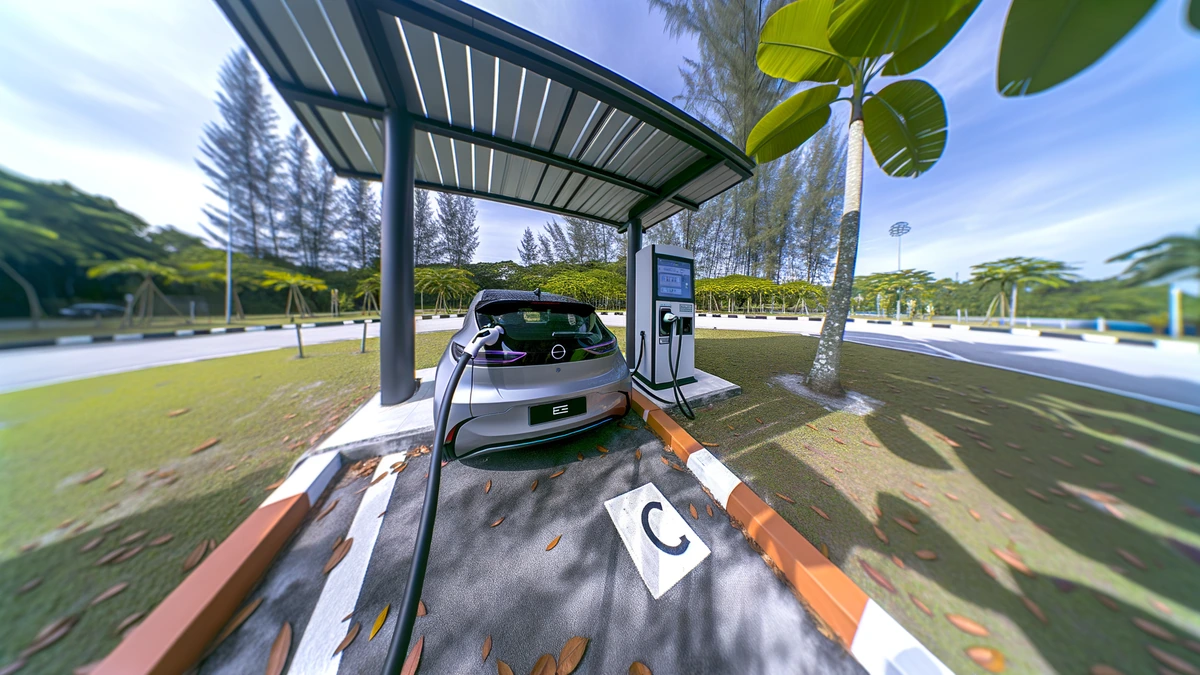
If you are considering switching to an electric vehicle, the cost to charge an EV in Malaysia is probably your biggest question — and the answer might surprise you. Charging at home can cost as little as RM6 per 100 km, which is less than half of what you would spend on petrol for a comparable car. But public charging? That is a different story entirely.
In this complete guide, we break down every charging scenario — from plugging in at home using TNB electricity to tapping DC fast chargers on the highway — so you know exactly what to expect before making the switch.
Table of Contents
Home Charging Costs: The Cheapest Way to Charge Your EV
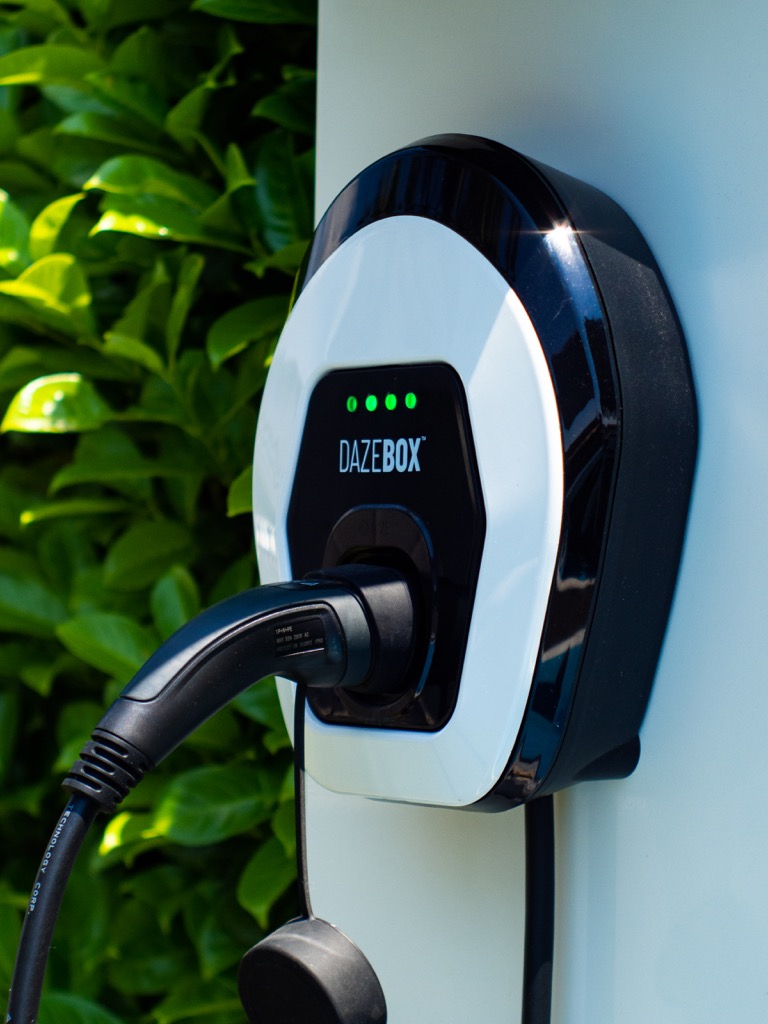
For most Malaysian EV owners, home charging accounts for 80–90% of all charging. It is by far the most affordable option, and all you need is a dedicated EV wallbox charger (Level 2) or even a standard 3-pin plug (Level 1, much slower).
TNB Residential Tariff Rates (2026)
Tenaga Nasional Berhad (TNB) uses a progressive tiered tariff for residential users. The more electricity you use, the higher your per-kWh rate:
| Usage Tier | Rate (sen/kWh) |
|---|---|
| First 200 kWh | 21.8 sen |
| 201 – 300 kWh | 33.4 sen |
| 301 – 600 kWh | 51.6 sen |
| 601 – 900 kWh | 54.6 sen |
| 901 kWh and above | 57.1 sen |
Note: An 8% service tax applies once your monthly usage exceeds 600 kWh.
Most Malaysian households already consume 300–500 kWh per month before EV charging. Adding an EV typically pushes your usage into the RM0.516–RM0.571/kWh tiers, meaning your actual EV charging cost at home is roughly RM0.40–RM0.55 per kWh on average.
What Does Home Charging Actually Cost?
Let us do the maths for a typical Malaysian EV owner driving 1,500 km per month (about 18,000 km per year):
- Average EV energy consumption: 15 kWh per 100 km
- Monthly electricity needed: 225 kWh
- Cost at RM0.45/kWh (average mid-tier): approximately RM101 per month
Compare that to a petrol car like the Honda City consuming 7L/100 km at RM2.05/L — that same 1,500 km would cost you roughly RM215 in petrol. That is more than double.
ALSO READ: EV vs Petrol Running Cost Malaysia — Complete Comparison
TNB Time-of-Use (ToU) Tariff: Charge Smarter, Pay Less
TNB introduced the Enhanced Time of Use (eToU) tariff option that rewards you for shifting electricity usage to off-peak hours — perfect for overnight EV charging.
- Off-peak rate (10 PM – 8 AM): approximately 24.43 sen/kWh
- Mid-peak and peak rates: higher than standard tariff
If you schedule your EV to charge overnight (which most modern EVs support), you could charge at just RM0.2443/kWh — bringing your monthly charging bill down to approximately RM55 for 1,500 km. That is roughly RM1.83 per day to drive an EV.
Home Charging Hardware Costs
Before you start saving on fuel, factor in the one-time cost of a home charger:
- 3-pin plug charging (Level 1): No extra cost, but painfully slow (8–12 hours for a partial charge)
- 7 kW AC wallbox (Level 2): RM1,500–RM3,500 installed
- 11 kW AC wallbox (Level 2): RM2,500–RM5,000 installed
- 22 kW AC wallbox (Level 2): RM4,000–RM8,000 installed
Most EV owners find a 7 kW wallbox sufficient for overnight charging — it fully charges most EVs in 6–9 hours.
Pro tip: Looking for a reliable home charger? Check out our recommended picks at evsifu.com.my for the best home EV chargers with installation.
ALSO READ: Best Home EV Charger Malaysia 2026 — Top Picks
Public AC Charging Costs in Malaysia
Public AC chargers (typically 7 kW to 22 kW) are found at shopping malls, office buildings, and parking lots. They are slower than DC chargers but significantly cheaper.
Public AC Charging Rates by Provider (2026)
| Provider | Rate per kWh | Charger Speed | Notes |
|---|---|---|---|
| ChargEV | RM0.90 | 7–22 kW | Subscription plan available (RM240/year) |
| Gentari | RM1.05 | 11–22 kW | Increased from RM0.80 in 2024 |
| Shell Recharge | RM1.20 | 7–22 kW | Limited AC locations |
| Tesla Destination | RM1.00 | 7–22 kW | Select locations open to all EVs |
At RM0.90–RM1.20/kWh, public AC charging costs roughly 2–3x more than home charging but remains far cheaper than DC fast charging. A full charge on a BYD Atto 3 (60.48 kWh battery) at a public AC charger would cost approximately RM54–RM73.
Public DC Fast Charging Costs in Malaysia
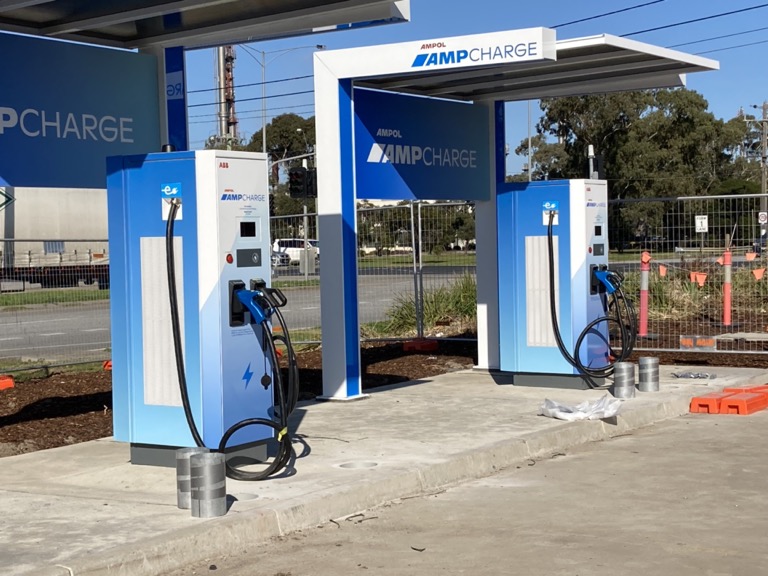
DC fast chargers are the highway warriors — they charge your EV in 20–40 minutes but come at a premium price. Here is what the major operators charge in 2026.
DC Fast Charging Rates by Provider (2026)
| Provider | Rate per kWh | Max Speed | Coverage |
|---|---|---|---|
| Kuro EV | RM0.88–RM1.20 | 50 kW | Limited (KL area) |
| DC Handal | RM1.00–RM1.30 | 120–400 kW | Highways (WCE, DUKE) |
| Tesla Supercharger | RM1.25 (Tesla) / RM1.80 (non-Tesla) | 250 kW | 15+ locations, select sites open to all EVs since March 2026 |
| ChargEV | RM1.13–RM1.50 | 50–150 kW | Nationwide |
| Gentari | RM1.30–RM1.80 | 60–180 kW | Largest network (17+ highway stations) |
| Shell Recharge | RM1.50–RM1.80 | 60–180 kW | 13+ stations |
The Hidden Costs: Overstay Fees and Idle Charges
Watch out for overstay fees — most operators now charge penalties if your car stays plugged in after charging is complete:
- Gentari: RM1.00 per minute after charging completes
- Shell Recharge: RM1.00 per minute idle fee
- Tesla Supercharger: up to RM2.00 per minute if the station is busy
These fees can add up fast if you forget to move your car. Set a phone alarm or use your car’s app to monitor charging progress.
Save on charging costs with the right home setup. Browse our curated selection of EV chargers at evsifu.com.my — free delivery nationwide.
ALSO READ: Complete Home EV Charging Guide Malaysia
Real-World Charging Costs: Popular EVs in Malaysia
Let us calculate the actual charging costs for three of Malaysia’s most popular EVs, based on real-world energy consumption figures.
BYD Atto 3 Ultra
- Price: from RM118,800
- Battery: 60.48 kWh (LFP Blade)
- WLTP range: 420 km
- Real-world consumption: approximately 15.5 kWh/100 km
| Charging Method | Cost per 100 km | Monthly Cost (1,500 km) | Full Charge Cost |
|---|---|---|---|
| Home (RM0.45/kWh avg) | RM6.98 | RM105 | RM27 |
| Home ToU off-peak | RM3.79 | RM57 | RM15 |
| Public AC (RM0.95/kWh) | RM14.73 | RM221 | RM57 |
| Public DC (RM1.50/kWh) | RM23.25 | RM349 | RM91 |
| Petrol equivalent (Honda City) | RM14.35 | RM215 | — |
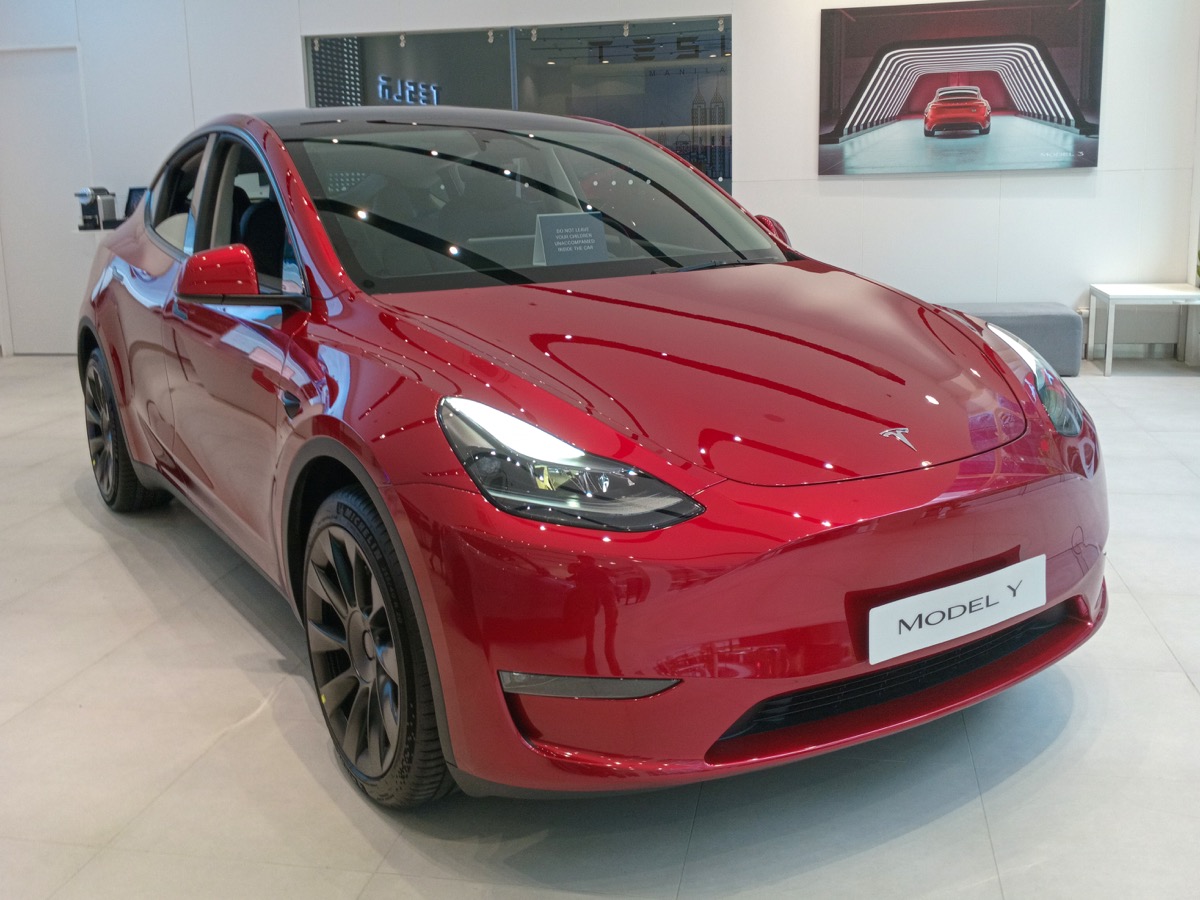
Tesla Model Y Long Range RWD
- Price: from RM216,450
- Battery: 81 kWh (NMC)
- WLTP range: 661 km
- Real-world consumption: approximately 14.5 kWh/100 km
| Charging Method | Cost per 100 km | Monthly Cost (1,500 km) | Full Charge Cost |
|---|---|---|---|
| Home (RM0.45/kWh avg) | RM6.53 | RM98 | RM36 |
| Home ToU off-peak | RM3.54 | RM53 | RM20 |
| Tesla Supercharger (RM1.25/kWh) | RM13.49 | RM202 | RM75 |
| Public DC (RM1.50/kWh) | RM21.75 | RM326 | RM122 |
| Petrol equivalent (Toyota Corolla) | RM14.35 | RM215 | — |
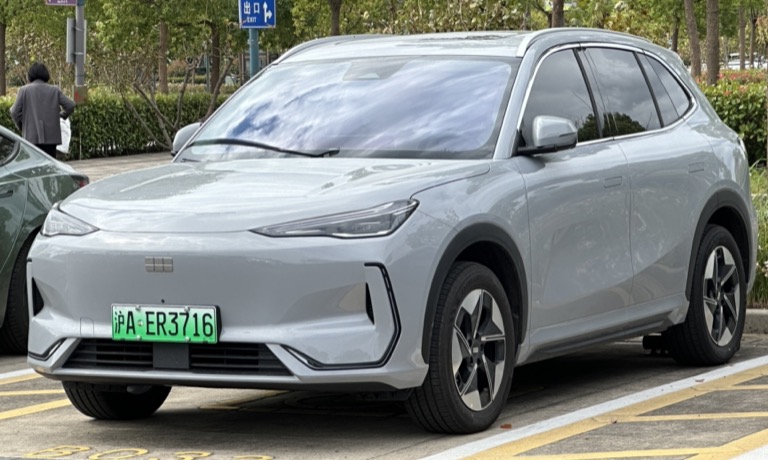
Proton eMAS 7 Premium
- Price: from RM119,800 (or RM115,800 with government rebate)
- Battery: 60.22 kWh (LFP AEGIS Short Blade)
- WLTP range: 410 km
- Real-world consumption: approximately 16 kWh/100 km
| Charging Method | Cost per 100 km | Monthly Cost (1,500 km) | Full Charge Cost |
|---|---|---|---|
| Home (RM0.45/kWh avg) | RM7.20 | RM108 | RM27 |
| Home ToU off-peak | RM3.91 | RM59 | RM15 |
| Public AC (RM0.95/kWh) | RM15.20 | RM228 | RM57 |
| Public DC (RM1.50/kWh) | RM24.00 | RM360 | RM90 |
| Petrol equivalent (Proton X50) | RM14.76 | RM221 | — |
ALSO READ: BYD Atto 3 vs Chery Omoda E5 Malaysia 2026
Master Comparison: Home vs Public AC vs DC vs Petrol
Here is the big picture — how every charging method stacks up for a typical driver covering 18,000 km per year:
| Method | Cost per km | Annual Fuel/Charging Cost | Annual Savings vs Petrol |
|---|---|---|---|
| Home charging (avg TNB) | RM0.068 | RM1,215 | RM1,367 |
| Home charging (ToU off-peak) | RM0.037 | RM660 | RM1,922 |
| Public AC charging | RM0.143 | RM2,574 | RM8 |
| Public DC fast charging | RM0.225 | RM4,050 | -RM1,468 (more expensive!) |
| Petrol (avg sedan) | RM0.144 | RM2,582 | — |
The takeaway is crystal clear: home charging saves you RM1,300–RM1,900 per year compared to petrol. Public DC fast charging, however, is actually more expensive than petrol — use it only when you need the speed.
7 Tips to Reduce Your EV Charging Costs in Malaysia
1. Switch to TNB’s Time-of-Use Tariff
Schedule overnight charging during off-peak hours (10 PM – 8 AM) to get rates as low as 24.43 sen/kWh — nearly half the standard rate.
2. Install a Home Wallbox Charger
A 7 kW home wallbox pays for itself within 1–2 years through savings versus public charging. Visit evsifu.com.my for competitively priced options with professional installation.
3. Install Solar Panels
With solar panels, your effective charging cost can drop to RM0.00/kWh during daylight hours. A 10 kW solar system can offset your entire EV charging needs.
4. Use Subscription Plans
ChargEV offers a yearly subscription (RM240/year) that can unlock discounted rates if you rely on their network frequently.
5. Hunt for Budget-Friendly DC Operators
DC Handal and Tesla Superchargers offer some of the lowest DC rates at RM1.25–RM1.30/kWh — significantly cheaper than Gentari or Shell Recharge. Since March 2026, select Tesla Supercharger locations are open to non-Tesla EVs at RM1.80/kWh.
6. Avoid Overstay Fees
Set reminders to unplug once your charging session is complete. Overstay fees of RM1.00–RM2.00 per minute can add RM20–RM30+ to a single session.
7. Plan Your Route
Use apps like ChargEV, PlugShare, or A Better Route Planner to find the cheapest chargers along your route before you travel.
ALSO READ: EV Charger Installation Malaysia — Condo and Landed Guide
EV Charging Cost vs Petrol Cost: 5-Year Comparison
Over 5 years (90,000 km total), here is how an EV compares to a petrol car:
| Cost Item | EV (Home Charging) | Petrol Sedan |
|---|---|---|
| Fuel/charging cost | RM6,075 | RM12,915 |
| Road tax (5 years) | RM0 (exempted until 2027) | RM450 |
| Service/maintenance | RM2,500 | RM7,500 |
| Total running cost | RM8,575 | RM20,865 |
| 5-year savings | RM12,290 | — |
That is RM12,290 saved over 5 years — enough to cover the cost of a home charger several times over.
Frequently Asked Questions
How much does it cost to fully charge an EV at home in Malaysia?
Depending on your TNB tariff tier, a full home charge costs between RM13 and RM35 for most EVs. For example, charging a BYD Atto 3 (60.48 kWh battery) at the average home rate of RM0.45/kWh costs approximately RM27. Using TNB’s Time-of-Use off-peak rate, this drops to about RM15.
Is it cheaper to charge an EV or fill up with petrol in Malaysia?
Home charging is significantly cheaper than petrol. Charging an EV at home costs about RM0.04–RM0.07 per km, while petrol costs approximately RM0.14 per km. However, public DC fast charging at RM1.50/kWh can actually be more expensive than petrol.
How much does public DC fast charging cost in Malaysia?
Public DC fast charging rates in Malaysia range from RM0.88 to RM1.80 per kWh depending on the operator. Budget operators like DC Handal charge RM1.00–RM1.30/kWh, while premium networks like Shell Recharge charge up to RM1.80/kWh. A full DC charge for a 60 kWh EV costs approximately RM60–RM108.
What is the cheapest EV charging operator in Malaysia?
For DC charging, DC Handal offers rates from RM1.00/kWh at select locations, and Tesla Superchargers charge RM1.25/kWh for Tesla vehicles (select locations now open to all EVs at RM1.80/kWh). For AC charging, ChargEV at RM0.90/kWh is among the most affordable. However, the cheapest option overall is always home charging at RM0.22–RM0.57/kWh.
Should I install a home EV charger or use public chargers?
Installing a home charger is almost always worth it. A 7 kW wallbox costs RM1,500–RM3,500 and pays for itself within 1–2 years through savings versus public charging. Home charging at RM0.45/kWh costs less than half of even the cheapest public AC rate. Visit evsifu.com.my for recommended home chargers with installation.
How long does it take to charge an EV at home in Malaysia?
With a 7 kW wallbox, most EVs charge from 10% to 100% in 6–9 hours — perfect for overnight charging. A standard 3-pin plug takes 18–24 hours for a full charge and is not recommended as a daily solution. An 11 kW or 22 kW charger can reduce charging time to 3–5 hours.
Does charging an EV increase my electricity bill significantly?
Yes, but the increase is modest. A typical EV owner driving 1,500 km/month adds about 225 kWh to their monthly electricity bill, costing approximately RM100–RM130 extra. This is still RM80–RM110 less than the equivalent petrol cost of about RM215/month.
The Bottom Line
The cost to charge an EV in Malaysia depends entirely on where and when you charge. Home charging — especially with TNB’s Time-of-Use off-peak tariff — is the undeniable winner, costing as little as RM55 per month for typical driving. Public DC fast charging should be reserved for road trips and emergencies, not daily use.
If you are serious about maximising your EV savings, investing in a quality home charger is the single best decision you can make. Browse our curated selection of home EV chargers at evsifu.com.my — we offer competitive prices, professional installation, and nationwide delivery.
Ready to slash your fuel bill? Shop EV chargers at evsifu.com.my and start saving from day one.
Written by Sarah Ibrahim | Last updated: April 2026