
Finding a reliable EV charging station in Malaysia has never been easier — but choosing the right network, connector, and pricing plan can still feel overwhelming. As of early 2026, Malaysia has 5,624 public charging points installed nationwide, up from just 3,354 in late 2024. With the government now targeting the original 10,000-charger milestone to be achieved by end of 2026, the charging landscape is expanding fast.
Whether you drive a BYD Atto 3, Tesla Model Y, or Chery Omoda E5, this guide breaks down every major charging network, what they cost, where to find them, and how to charge smarter across Peninsular Malaysia.
Table of Contents
- Malaysia’s EV Charging Infrastructure: Where We Stand in 2026
- Every Major EV Charging Network in Malaysia (2026)
- EV Charging Network Comparison Table
- EV Charging Types Explained: AC vs DC
- Highway EV Charging Corridor Guide
- How Much Does Public EV Charging Cost?
- Essential EV Charging Apps to Download
- Tips for Using Public EV Chargers
- What’s Coming Next in 2026 and Beyond
- Frequently Asked Questions
Malaysia’s EV Charging Infrastructure: Where We Stand in 2026
The numbers tell a promising story. According to MITI (Ministry of Investment, Trade and Industry), Malaysia had 5,624 public chargers installed as of 31 December 2025 — comprising 1,923 DC fast chargers and 3,701 AC chargers. While that’s only 56% of the original 10,000 target set for 2025, the growth trajectory is steep.
The top 10 Charge Point Operators (CPOs) expanded their combined infrastructure by 55.8% in 2025 alone, adding nearly 1,400 new charging points. The total network now stands at approximately 3,894 points from the top 10 CPOs, with smaller operators making up the rest.
Key milestones for 2026:
- DC chargers have exceeded their sub-target by 128% (1,923 installed vs 1,500 target)
- AC charger deployment remains behind at 40% of the 8,500 target
- CBU EV importers may soon be required to install charging stations as part of import conditions
- Malaysia’s first highway-integrated EV charging hub (Terra ChargEV at Seremban R&R) is under construction
ALSO READ: Complete Home EV Charging Guide Malaysia
Every Major EV Charging Network in Malaysia (2026)
Here’s your complete breakdown of every major CPO operating in Malaysia, ranked by network size.
1. ChargeSini — Malaysia’s Largest CPO
ChargeSini (ChargeHere EV Solution Sdn Bhd) leads the pack with 1,110 charging points as of 2025, having added 376 new chargers (+51% growth) in a single year. They offer a mix of AC and DC chargers deployed across malls, offices, and residential areas.
- App: ChargeSini
- Connector types: AC Type 2, CCS2
- Pricing: From RM0.80/kWh (AC) to RM1.50/kWh (DC)
2. JomCharge — The Reliable Runner-Up
JomCharge (EV Connection Sdn Bhd) operates 680 charging points, up from 476 in 2024. JomCharge is known for its strong coverage in the Klang Valley and partnerships with major mall operators.
- App: JomCharge
- Connector types: AC Type 2, CCS2
- Pricing: From RM0.75/kWh (AC) to RM1.50/kWh (DC)
- Roaming: Cross-network access with Gentari and chargEV
3. chargEV (Green EV Charge) — The Fast Riser
chargEV is one of the fastest-growing networks, surging from 196 to 501 charging points — a massive 155% expansion in 2025. Originally established by MGTC, the chargEV network has deep roots in Malaysia’s early EV infrastructure.
- App: chargEV
- Connector types: AC Type 2, CCS2
- Pricing: From RM0.80/kWh (AC) to RM1.50/kWh (DC)
- Bonus: Powers the BMW ChargeNow network
4. Gentari — Petronas-Backed Powerhouse
Gentari (Gentari Green Mobility Sdn Bhd), owned by Petronas, operates 395 charging points with an ambitious target of 9,000 public charging points across Malaysia and India by end of 2026.
- App: Gentari Go
- Connector types: AC Type 2, CCS2
- Pricing:
- AC 7kW: RM0.90/kWh
- AC 11kW/22kW: RM1.05/kWh
- DC up to 30kW: RM1.30/kWh
- DC 50kW–180kW: RM1.50/kWh
- Overstay fee: RM1.00/min after charging completes
- Roaming: Cross-access with JomCharge and chargEV via app integration
ALSO READ: EV vs Petrol Running Cost Malaysia
5. Charge N Go — The Rapid Expander
Charge N Go nearly tripled its network size in 2025, expanding from 134 to 378 charging points — adding 244 new chargers. This makes it one of the most aggressive CPO expansions in the country.
- App: Charge N Go
- Connector types: AC Type 2, CCS2
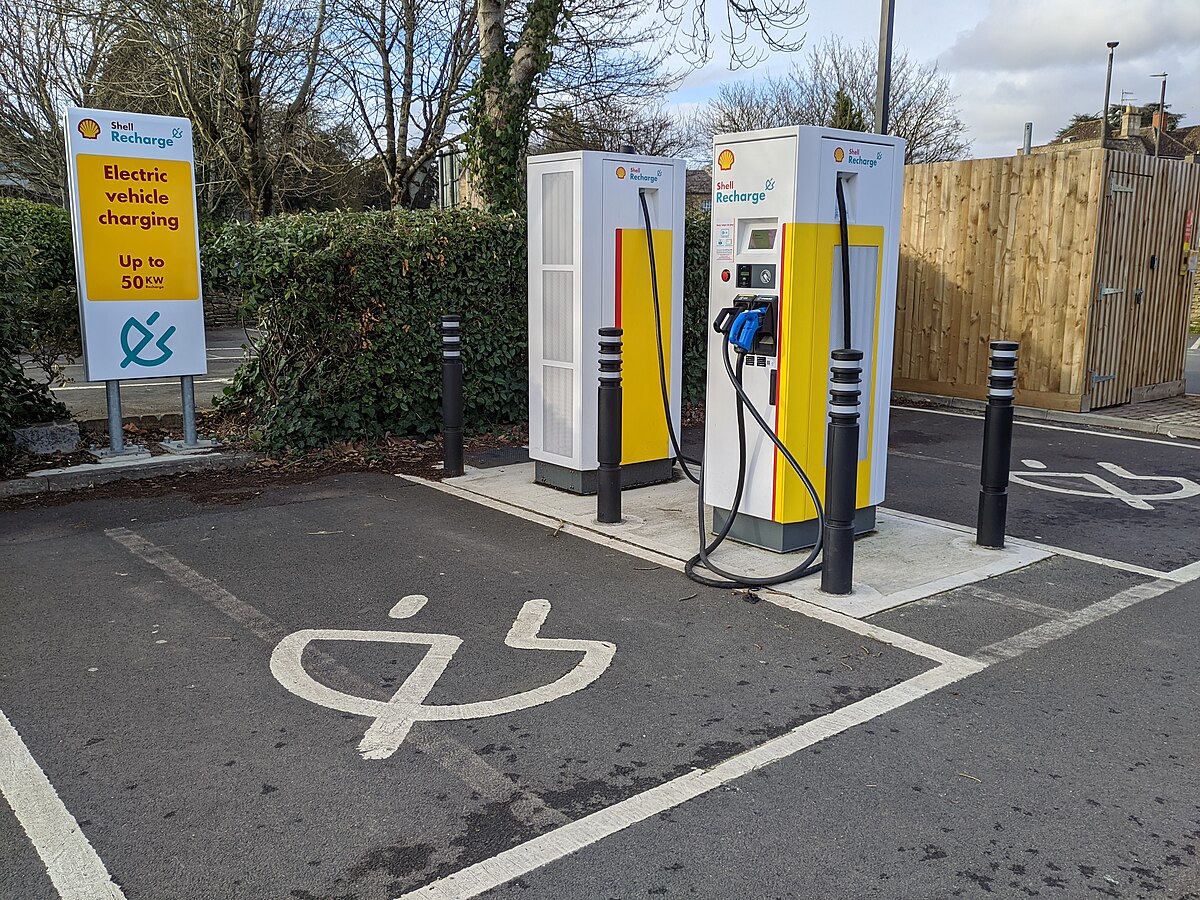
6. Shell Recharge — Global Brand, Stable Network
Shell Recharge (Pixelbyte Sdn Bhd) maintains 194 charging points across Shell petrol station locations. Growth has been modest (only 1 new charger added in 2025), but Shell’s strategic station locations along highways make them valuable for long-distance trips.
- App: Shell Recharge
- Connector types: AC Type 2, CCS2
- Pricing: From RM1.20/kWh (DC)
- Integration: Cross-access via Gentari Go app (combined 450+ charging points)
7. DC Handal — DC-Only Specialist
DC Handal (Handal Green Mobility Sdn Bhd) focuses exclusively on DC fast charging, operating 153 charging points. They’re known for deploying ultra-fast chargers up to 400kW — among the fastest in Malaysia.
- App: DC Handal
- Connector types: CCS2 only (DC fast charging)
- Pricing: From RM1.00/kWh at select locations
- Highlight: Medini EV Forecourt in Johor — 28 terminals, up to 300kW each
- Highway presence: 400kW charger at Trong Toll Plaza, West Coast Expressway
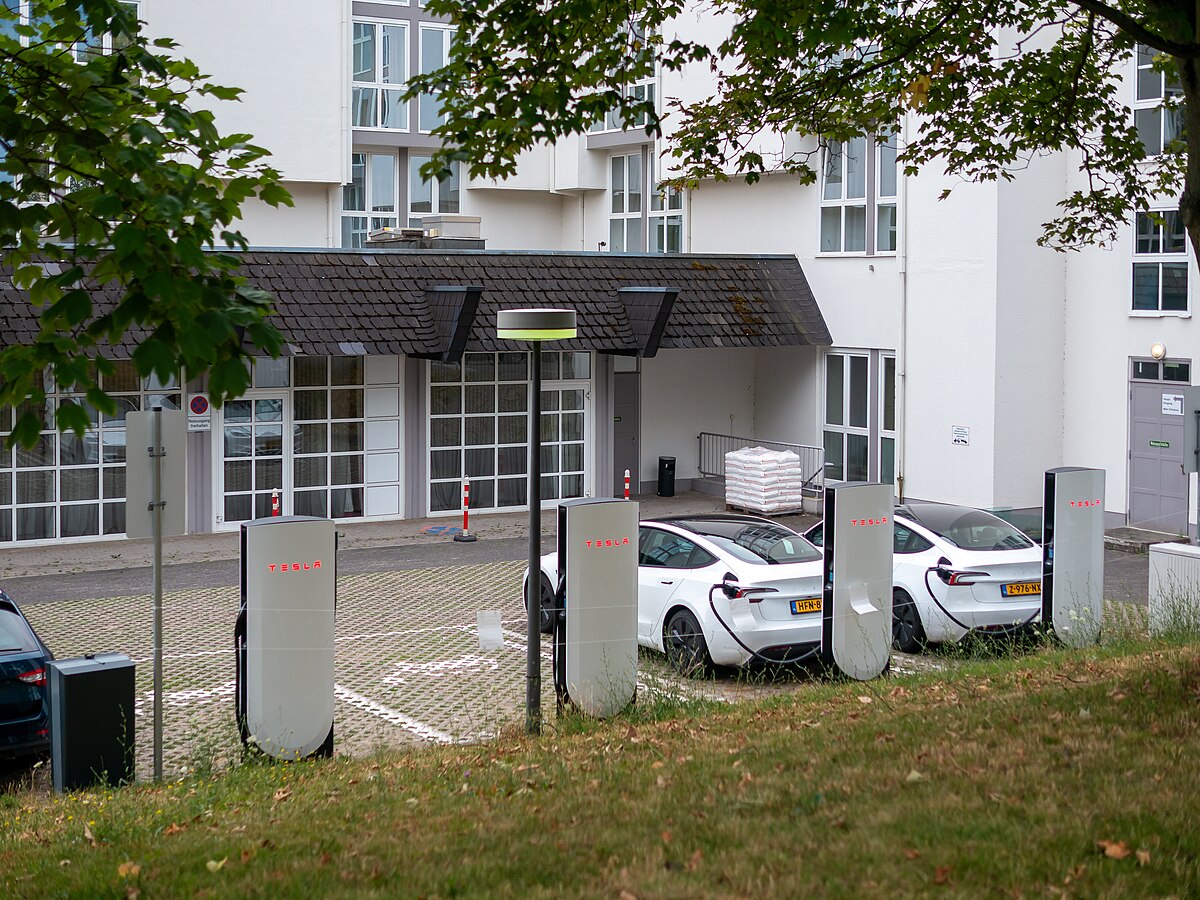
8. Tesla Supercharger — Now Open to All EVs
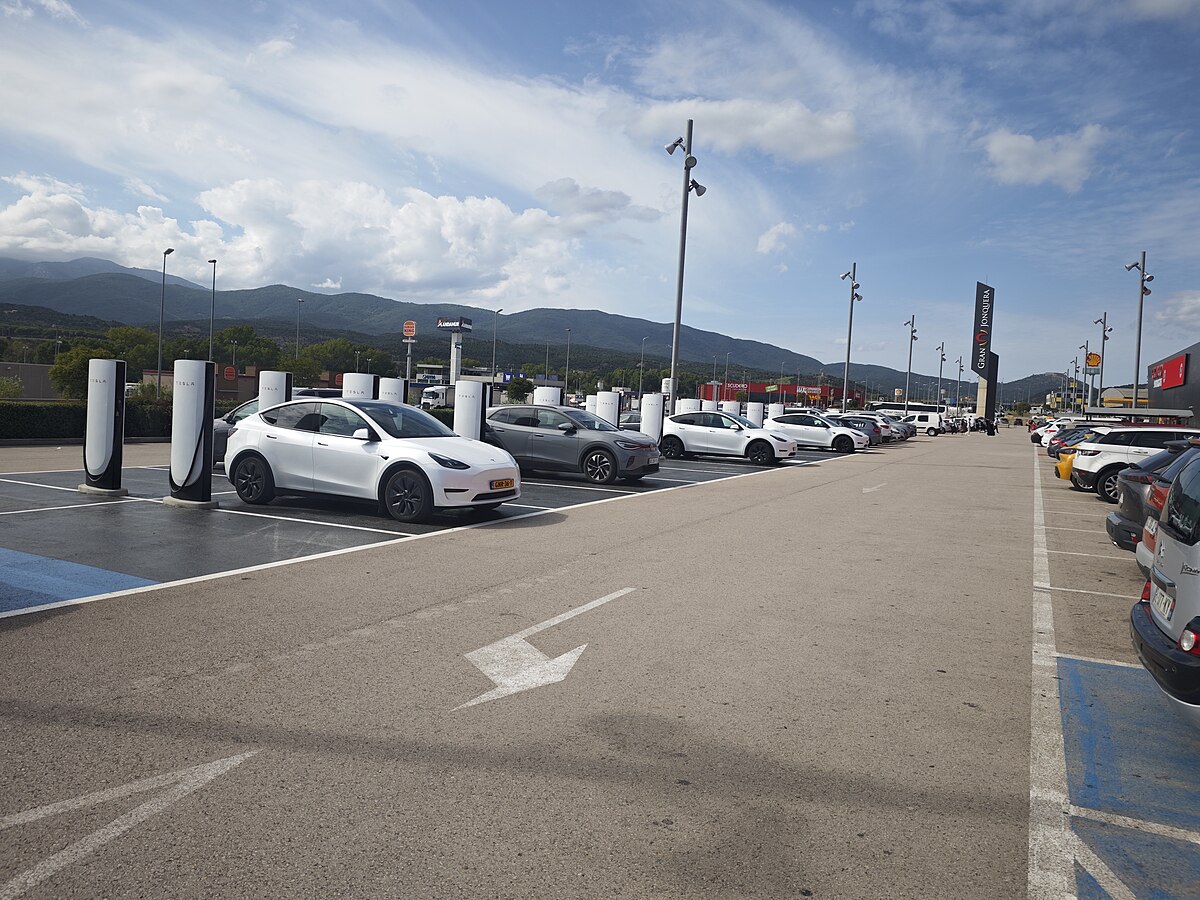
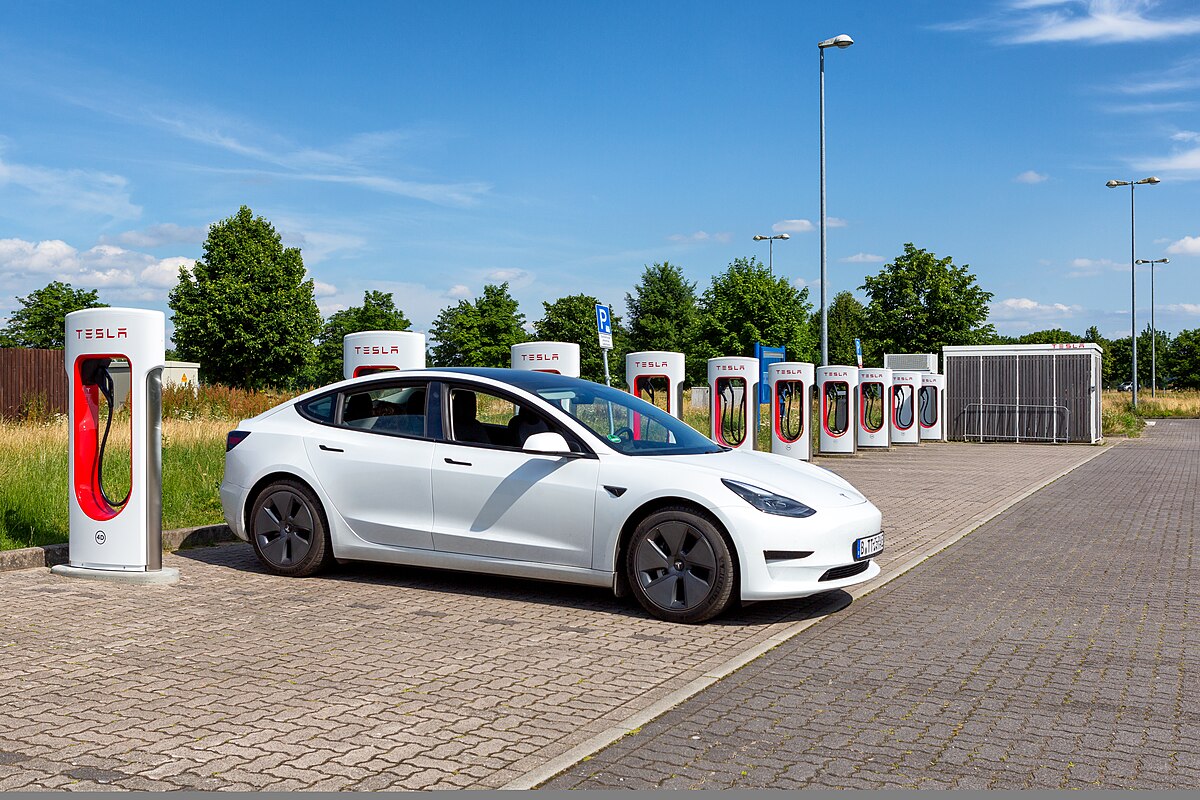
Tesla operates 17+ Supercharger locations in Malaysia, and as of March 2026, selected locations are open to non-Tesla EVs. The open sites include V3 stations at Pavilion KL and Gamuda Cove, and V4 stations at i-City Shah Alam and IOI City Mall Putrajaya.
- App: Tesla app (non-Tesla owners must download it)
- Connector types: CCS2 (via adapter for non-Tesla), Tesla connector
- Pricing:
- Tesla owners: RM1.25/kWh
- Non-Tesla owners: RM1.80/kWh
- Congestion fee: Up to RM2.00/min at busy sites
- Speed: Up to 250kW (V4 Superchargers)
9. TNB Electron — Government-Linked Highway Chargers
TNB Electron, the EV charging arm of Tenaga Nasional Berhad (TNB), focuses heavily on highway R&R locations along the North-South Expressway and East Coast Expressway.
- App: GO TO-U (activation via app or card terminal)
- Connector types: CCS2, CHAdeMO
- Pricing: RM1.35–RM1.80/kWh depending on charger speed and location
- Locations: Highway R&R areas, TNB outlets (including new TNB Bangsar hub opened March 2026)
10. Mercedes-Benz / BMW ChargeNow — Brand Networks
Mercedes-Benz Malaysia maintains 134 charging points, while BMW ChargeNow provides access to over 2,020 EV charging stations through partnerships with various CPOs including chargEV and JomCharge.
- BMW ChargeNow: Access via BMW ConnectedDrive or chargEV app
- Mercedes-Benz: Expanding through DC Handal partnership
ALSO READ: Cheapest EV in Malaysia 2026
EV Charging Network Comparison Table
| Network | Charging Points | AC Price (/kWh) | DC Price (/kWh) | App | Connectors |
|---|---|---|---|---|---|
| ChargeSini | 1,110 | From RM0.80 | From RM1.50 | ChargeSini | Type 2, CCS2 |
| JomCharge | 680 | From RM0.75 | From RM1.50 | JomCharge | Type 2, CCS2 |
| chargEV | 501 | From RM0.80 | From RM1.50 | chargEV | Type 2, CCS2 |
| Gentari | 395 | RM0.90–1.05 | RM1.30–1.50 | Gentari Go | Type 2, CCS2 |
| Charge N Go | 378 | ~RM0.80 | ~RM1.50 | Charge N Go | Type 2, CCS2 |
| Shell Recharge | 194 | ~RM0.90 | From RM1.20 | Shell Recharge | Type 2, CCS2 |
| DC Handal | 153 | N/A (DC only) | From RM1.00 | DC Handal | CCS2 |
| Mercedes-Benz | 134 | Varies | Varies | DC Handal | Type 2, CCS2 |
| Tesla | 17+ sites | N/A | RM1.25–1.80 | Tesla | CCS2, Tesla |
| TNB Electron | 60+ | N/A | RM1.35–1.80 | GO TO-U | CCS2, CHAdeMO |
ALSO READ: Best Home EV Charger Malaysia
EV Charging Types Explained: AC vs DC, Type 2 vs CCS2 vs CHAdeMO
Not all chargers are built the same. Here’s what you need to know about the three main connector types found at Malaysian EV charging stations.
AC Type 2 (Slow/Medium Charging)
- Speed: 3.7kW to 22kW
- Charging time: 4–12 hours (depending on battery size)
- Best for: Overnight parking at malls, offices, condos
- Connector: Type 2 (standard for all EVs sold in Malaysia)
CCS2 / CCS Combo 2 (DC Fast Charging)
- Speed: 50kW to 400kW
- Charging time: 20–60 minutes (20% to 80%)
- Best for: Highway stops, quick top-ups
- Connector: CCS2 (standard for most EVs including BYD, Tesla, BMW, Mercedes)
CHAdeMO (Legacy DC Fast Charging)
- Speed: Up to 100kW
- Charging time: 30–60 minutes
- Best for: Older Nissan Leaf, Mitsubishi Outlander PHEV
- Note: Being phased out in Malaysia — CCS2 is now the dominant standard
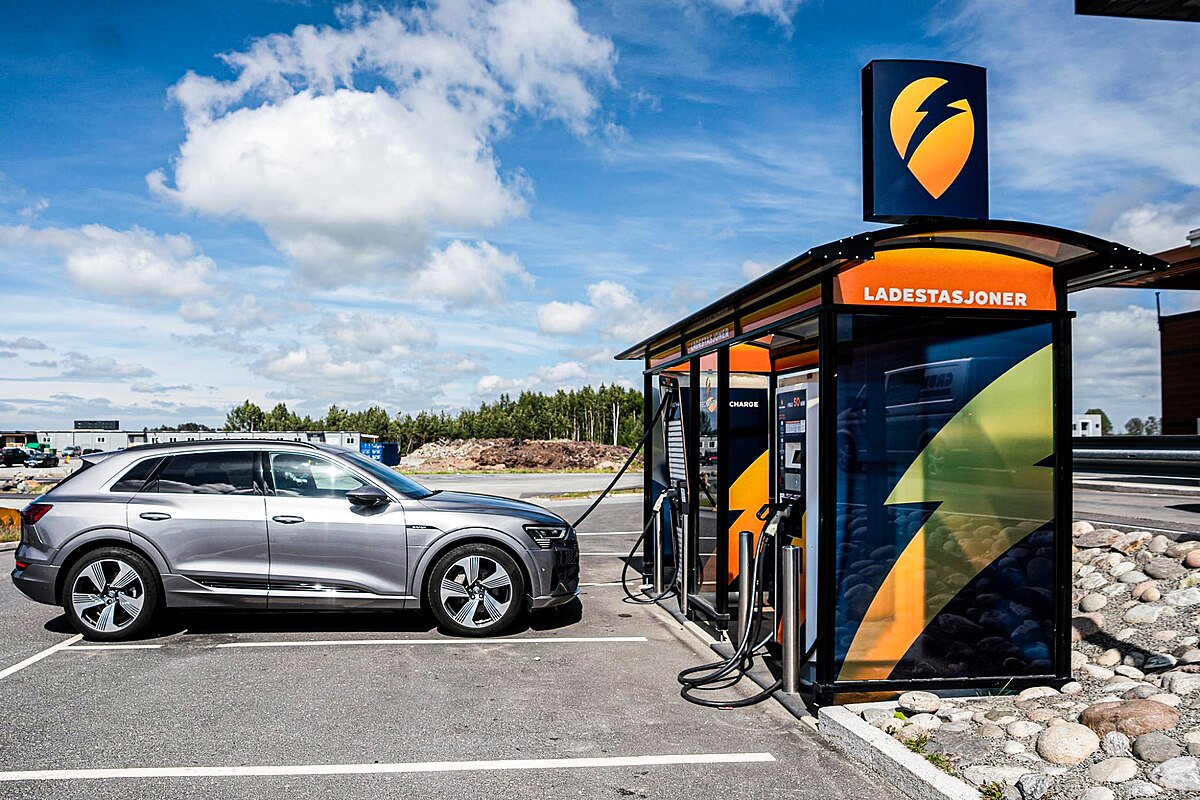
Pro tip: If you’re buying a new EV in Malaysia, make sure it supports CCS2 for DC fast charging. This gives you access to the widest charging network.
Highway EV Charging Corridor Guide
Planning a road trip? Here’s where to find DC fast chargers along Malaysia’s major highways.
North-South Expressway (PLUS Highway)
The N-S Expressway is the best-covered highway for EV charging, with approximately 60 charging stations at R&R areas and petrol stations along the route.
Key charging stops (Southbound — KL to JB):
- Seremban R&R — Gentari, ChargeSini
- Ayer Keroh R&R — TNB Electron, JomCharge
- Tangkak R&R — Shell Recharge
- Machap R&R — TNB Electron
- Skudai R&R — Tesla Supercharger (first highway Supercharger)
Key charging stops (Northbound — KL to Penang):
- Tapah R&R — TNB Electron, JomCharge
- Ipoh (city) — Multiple CPOs
- Sungai Perak R&R — Shell Recharge
- Penang (city) — Multiple CPOs including Gentari, ChargeSini
East Coast Expressway (LPT)
Coverage is sparser but improving:
- Genting Sempah — Available chargers
- Kuantan — Multiple CPOs in city
- Kota Bharu — Limited coverage (plan ahead)
West Coast Expressway (WCE)
- Trong Toll Plaza — DC Handal 400kW ultra-fast charger (one of Malaysia’s fastest)
ALSO READ: EV Charger Installation Malaysia: Condo and Landed Guide
Highway Charging Tips
- Plan your route using apps like Gentari Go, JomCharge, or PlugShare before departing
- Charge to 80% — DC fast charging slows significantly above 80% SoC
- Have at least 2 charging apps installed — charger availability varies
- Avoid peak hours (10am–2pm on weekends) at popular R&R locations
- Keep a 20% buffer — don’t run your battery to near-zero between stops
How Much Does Public EV Charging Cost in Malaysia?
Here’s the real-world cost breakdown for charging a typical EV (e.g., BYD Atto 3 with a 60.48kWh battery) from 20% to 80% at different networks:
| Charging Method | Cost per kWh | Cost (20% to 80%) | Time |
|---|---|---|---|
| Home (TNB tariff) | RM0.45–0.55 | RM16–20 | 8–10 hours |
| Public AC (mall/office) | RM0.75–1.05 | RM27–38 | 4–8 hours |
| Public DC (50kW) | RM1.00–1.50 | RM36–54 | 45–60 min |
| Public DC (150kW+) | RM1.30–1.80 | RM47–65 | 20–30 min |
| Tesla (non-Tesla) | RM1.80 | RM65 | 20–30 min |
Bottom line: Home charging remains 3–4x cheaper than public DC fast charging. Install a home charger if you can — explore home EV charger options for Malaysian homes.
Essential EV Charging Apps to Download
Every EV owner in Malaysia should have these apps installed:
- Gentari Go — Access Gentari + Shell Recharge network (400+ chargers)
- JomCharge — 680 chargers with roaming access to chargEV and Gentari
- chargEV — 500+ chargers, powers BMW ChargeNow
- ChargeSini — Malaysia’s largest network (1,110+ chargers)
- Tesla — Required for Tesla Superchargers (even non-Tesla owners)
- GO TO-U — For TNB Electron highway chargers
- DC Handal — Ultra-fast DC charging specialist
- PlugShare — Community-powered map showing ALL networks
Tip: Download at least 3–4 apps. No single network covers everywhere, and roaming agreements don’t always work seamlessly.
ALSO READ: BYD Atto 3 vs Chery Omoda E5 Malaysia 2026
Tips for Using Public EV Chargers in Malaysia
Before You Charge
- Check real-time availability on the app before driving to a station
- Bring your own cable for AC Type 2 charging (some stations don’t provide tethered cables)
- Ensure your payment method is set up in the app (credit card or e-wallet)
While Charging
- Stay near your car — some stations have time limits
- Don’t charge past 80% on DC fast chargers (it’s slow and expensive above 80%)
- Watch for overstay fees — Gentari charges RM1.00/min, Tesla up to RM2.00/min
Etiquette
- Move your car once charging is complete
- Don’t park at charging bays if you’re not charging
- Report broken chargers on the app to help the community
What’s Coming Next: Malaysia EV Charging in 2026 and Beyond
The charging landscape is set for major upgrades:
- Terra ChargEV Hub at Seremban R&R — Malaysia’s first highway-integrated charging hub with 20 simultaneous DC fast charging bays (expected completion early 2027)
- 10,000-charger target now pushed to 2026, with MITI actively working on policy to require CBU EV importers to contribute charging stations
- More Tesla Superchargers opening to all EVs — currently 4 open locations, more expected through 2026
- Ultra-fast 400kW+ chargers becoming more common, led by DC Handal
- Cross-border charging expanding — Gentari already supports Thailand and Singapore roaming
Frequently Asked Questions (FAQ)
How many EV charging stations are there in Malaysia in 2026?
As of early 2026, Malaysia has approximately 5,624 public EV charging points installed nationwide, comprising 1,923 DC fast chargers and 3,701 AC chargers. The government is working toward the 10,000-charger target, now expected to be achieved by end of 2026.
How much does it cost to charge an EV at a public charging station in Malaysia?
Public charging costs range from RM0.75/kWh for AC charging to RM1.80/kWh for DC fast charging, depending on the network and charger speed. Home charging on TNB tariff costs only RM0.45–0.55/kWh, making it 3–4 times cheaper than public DC fast charging.
What is the best EV charging app in Malaysia?
There is no single best app — you’ll need multiple apps. ChargeSini has the most chargers (1,110+), Gentari Go offers access to Gentari and Shell Recharge combined (400+), and JomCharge provides roaming with chargEV and Gentari. Download at least 3–4 apps for the best coverage.
Can non-Tesla EVs use Tesla Superchargers in Malaysia?
Yes, as of March 2026, Tesla has opened selected Supercharger locations to non-Tesla EVs in Malaysia, including stations at Pavilion KL, Gamuda Cove, i-City Shah Alam, and IOI City Mall. Non-Tesla EVs pay RM1.80/kWh compared to RM1.25/kWh for Tesla owners.
What type of EV charging connector is used in Malaysia?
Malaysia uses AC Type 2 for slow/medium charging and CCS2 (CCS Combo 2) for DC fast charging. These are the standard connectors for all new EVs sold in Malaysia, including BYD, Tesla, BMW, and Mercedes. CHAdeMO is available at some older stations but is being phased out.
Are there EV charging stations along Malaysian highways?
Yes, the North-South Expressway (PLUS Highway) has approximately 60 charging stations at R&R areas and petrol stations, operated by TNB Electron, Gentari, Shell Recharge, JomCharge, and Tesla. The East Coast Expressway and West Coast Expressway also have growing coverage.
How long does it take to charge an EV at a public DC fast charger?
At a 50kW DC charger, expect 45–60 minutes to charge from 20% to 80%. At a 150kW+ charger, this drops to 20–30 minutes. Ultra-fast 400kW chargers (like DC Handal at WCE) can deliver even quicker top-ups for compatible vehicles.
Is it cheaper to charge an EV at home or at a public station?
Home charging is significantly cheaper at RM0.45–0.55/kWh versus RM1.00–1.80/kWh at public stations. For a BYD Atto 3, a full home charge costs around RM27–33, while public DC fast charging costs RM60–109. See our home charger recommendations.
Malaysia’s EV charging network is growing rapidly, with more stations, faster chargers, and better app integration every month. Bookmark this guide — we update it regularly as new stations come online.