
In This Guide
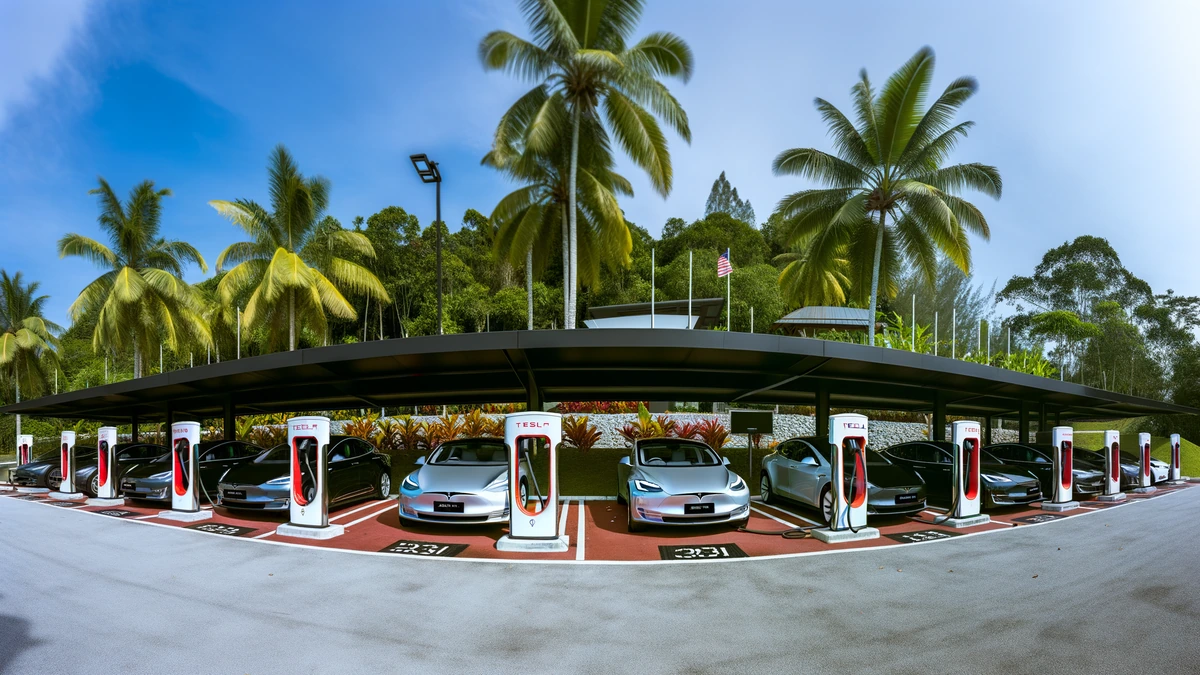
Tesla has officially opened its Supercharger network in Malaysia to non-Tesla electric vehicles — and it’s a game-changer for the local EV charging landscape. As of March 2026, selected Tesla Supercharger open network Malaysia locations now accept any EV with a CCS2 charging port, giving thousands of non-Tesla EV owners access to some of the fastest and most reliable DC chargers in the country.
But before you rush to plug in your BYD, Hyundai, or Mercedes-Benz EV, there are important details you need to know — from pricing at RM1.80/kWh to charging speed limitations and compatibility issues that could catch you off guard.
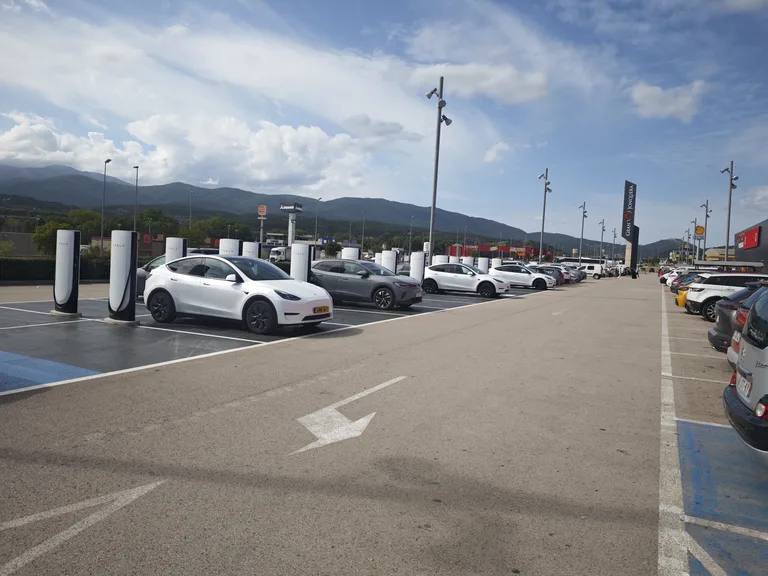
Here’s everything you need to know about using Tesla Superchargers as a non-Tesla EV owner in Malaysia.
Why Did Tesla Open Its Supercharger Network in Malaysia?
Tesla’s decision to open its charging network isn’t purely goodwill — it’s a government requirement. Under Malaysia’s Battery Electric Vehicle (BEV) Global Leaders programme, Tesla committed to installing at least 50 DC fast chargers with a minimum output of 180 kW by 2026. Crucially, at least 30% of those stalls must be accessible to non-Tesla EV brands.
This policy ensures that Tesla’s infrastructure investment benefits the broader Malaysian EV ecosystem, not just Tesla owners. It’s a smart move by the Malaysian government (JPJ and MITI) to accelerate EV adoption by expanding the public charging network.
ALSO READ: Complete Home EV Charging Guide Malaysia
Tesla Supercharger Open Network Locations in Malaysia (2026)
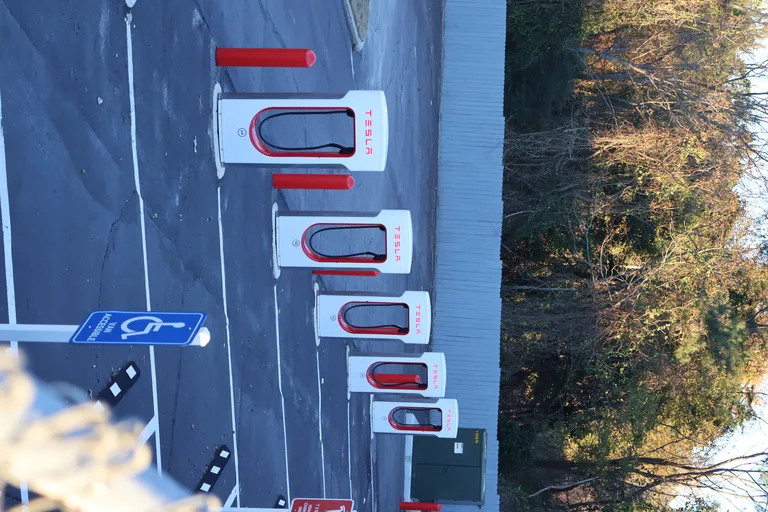
As of April 2026, four Tesla Supercharger locations in the Klang Valley are open to non-Tesla EVs:
| Location | Area | Charger Version | Stalls | Max Speed |
|---|---|---|---|---|
| Pavilion KL | Kuala Lumpur | V3 | 8 | 250 kW |
| i-City Finance Avenue | Shah Alam, Selangor | V4 | 4 | 250 kW |
| IOI City Mall | Putrajaya | V4 | 4 | 250 kW |
| Gamuda Cove | Dengkil, Selangor | V3 | 6 | 250 kW |
That’s a total of 22 open-access stalls across four sites — all within the greater Klang Valley region.
What About Other Tesla Supercharger Locations?
Tesla currently operates approximately 17 Supercharging stations across Malaysia with around 68 individual stalls, plus 16 Destination Charging locations. Other known Supercharger sites include:
- Toppen Shopping Centre, Johor Bahru (4 stalls, 250 kW — opened March 2026)
- Nexus Bangsar South, KL (V4, 4 CCS2 stalls, 250 kW)
- The Gardens Mall, KL
- Pavilion Damansara Heights
- Mid Valley Southkey, Johor
- Skudai R&R, Johor (4 stalls, 250 kW, 24/7)
- Alor Gajah, Melaka (Freeport A’Famosa)
However, only the four Klang Valley locations listed above currently support non-Tesla EVs. Tesla has not announced a timeline for expanding open access to other locations, but given the government mandate, more sites are expected to open throughout 2026.
ALSO READ: EV Charger Installation Malaysia — Condo & Landed Guide
How Much Does It Cost? Tesla Supercharger Pricing for Non-Tesla EVs
Here’s the pricing breakdown that every non-Tesla EV owner needs to understand:
| Fee Type | Tesla Owners | Non-Tesla EVs |
|---|---|---|
| Charging rate | From RM0.93/kWh | RM1.80/kWh |
| Congestion/idle fee | Standard rates | Up to RM2.00/min |
| Pre-authorisation hold | Standard | RM80 per session |
| Membership (est.) | Included | ~RM50-60/month (reduces rate to RM0.99-1.08/kWh) |
Is RM1.80/kWh a Good Deal?
Let’s be honest — RM1.80/kWh is on the expensive side compared to other DC fast charging networks in Malaysia. Here’s how it stacks up:
| Charging Network | DC Fast Charging Rate | Max Speed |
|---|---|---|
| Tesla Supercharger (non-Tesla) | RM1.80/kWh | 250 kW |
| Tesla Supercharger (Tesla owners) | From RM0.93/kWh | 250 kW |
| Xpeng Charge+ (KL Eco City) | RM1.50/kWh | 350 kW |
| Gentari | RM1.20-1.80/kWh | Up to 360 kW |
| JomCharge | RM1.20/kWh | 50 kW |
| Shell Recharge | Up to RM2.80/kWh | Up to 180 kW |
| ChargEV | RM1.00-1.50/kWh | Varies |
Tesla’s pricing for non-Tesla EVs is 30 sen/kWh more than alternatives like Xpeng Charge+ — and that difference adds up. On a 100 kWh battery (like the Tesla Model S or Mercedes EQS), a full charge costs RM180 at Tesla versus RM150 at Charge+. That’s RM30 extra per session.
The membership option (approximately RM50-60/month) brings the rate down to around RM0.99-1.08/kWh, which is extremely competitive. If you charge frequently, this subscription could save you hundreds of ringgit per month.
Pro tip: If you charge more than 3-4 times per month at Tesla Superchargers, the membership pays for itself. Do the math based on your driving habits.
ALSO READ: EV vs Petrol Running Cost Malaysia
How to Use Tesla Superchargers as a Non-Tesla EV Owner
Using the Tesla Supercharger open network in Malaysia is straightforward, but there are a few steps to set up first.
Step-by-Step Guide
- Download the Tesla app (available on iOS and Android)
- Create a Tesla account and add your payment method
- Navigate to an open-access location (check the app for “Open to All EVs” labels)
- Plug in the CCS2 cable to your vehicle
- In the app, tap “Find a Charger” then select your location and press “Charge Here”
- Select the stall number you’re parked at and confirm
- Wait up to 2 minutes for the session to activate
- Monitor your charge in the Tesla app and unplug when done
Important Tips
- Pre-authorisation hold: Tesla places an RM80 hold on your payment method when you start a session. This is released after charging is complete.
- Congestion fee warning: If the station is busy, you may be charged up to RM2.00 per minute for staying plugged in after reaching 80% charge. Move your car promptly.
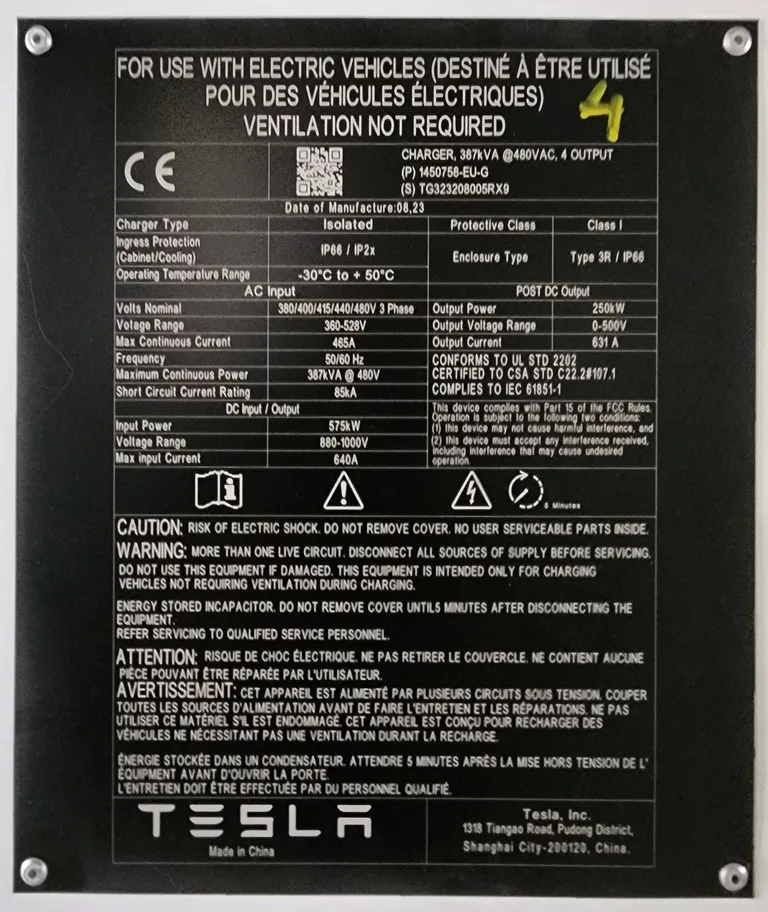
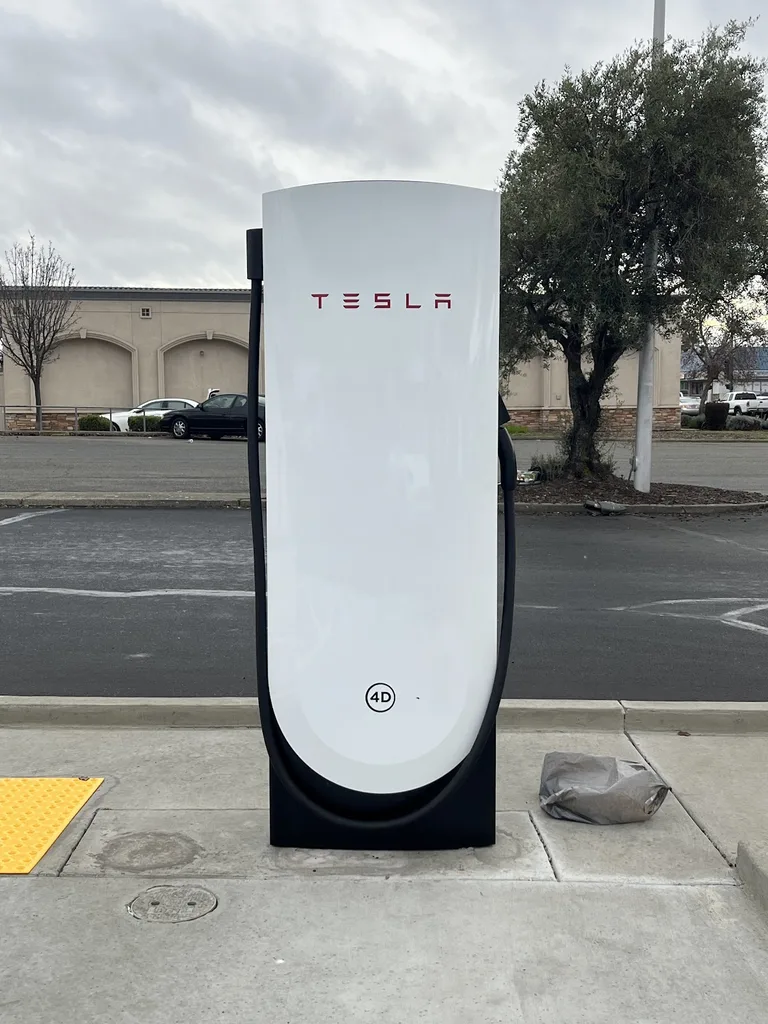
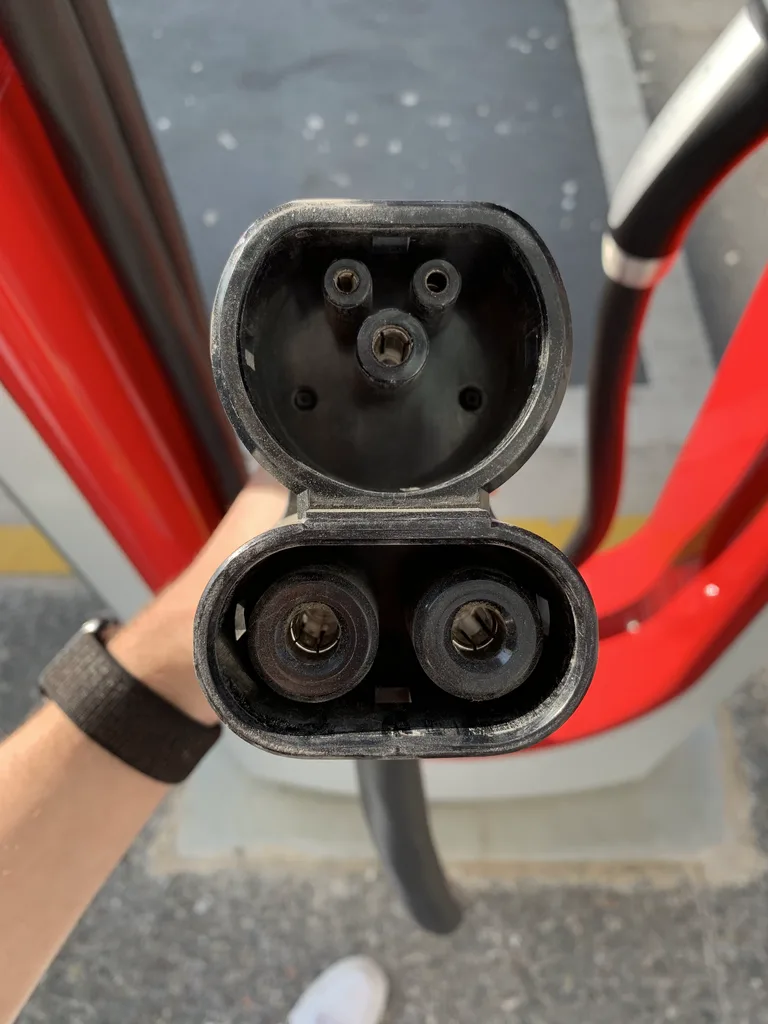
- V4 chargers are better for non-Tesla EVs: V4 stalls (i-City Shah Alam, IOI City Mall) have longer cables that reach most CCS2 port positions. V3 stalls (Pavilion KL, Gamuda Cove) have shorter Tesla-optimised cables that may not reach comfortably on some vehicles.
Charging Speed: What Non-Tesla EVs Actually Get
Here’s something most articles won’t tell you — your non-Tesla EV probably won’t hit 250 kW at a Tesla Supercharger.
The 800V Problem
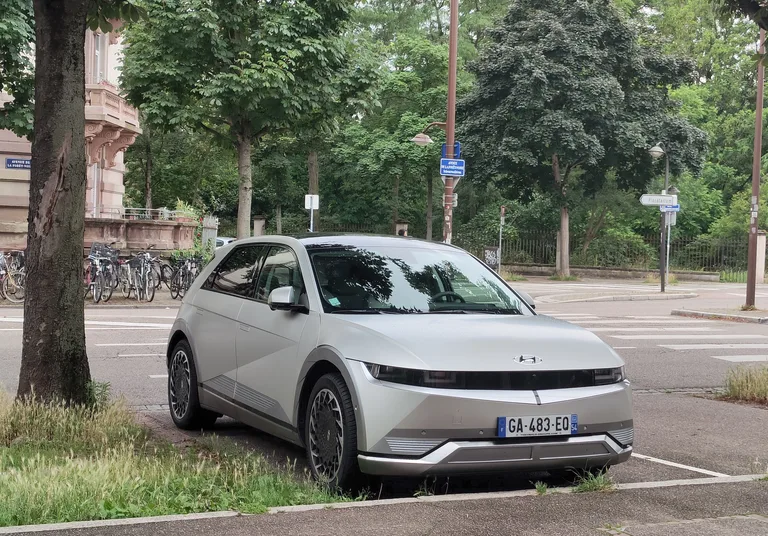
Tesla Superchargers are optimised for 400-volt vehicle architecture. If your EV uses an 800-volt system (like the Hyundai Ioniq 5, Ioniq 6, Kia EV6, or Porsche Taycan), you’ll experience significantly reduced charging speeds.
Real-world testing shows:
| Vehicle | Rated Max DC Speed | Actual Speed at Tesla SC | Speed at 800V Charger |
|---|---|---|---|
| Hyundai Ioniq 6 | 235 kW | ~97 kW | ~155 kW |
| Kia EV6 | 233 kW | ~98 kW | ~200 kW |
| 400V vehicles (e.g., BYD Seal) | 150 kW | ~130-150 kW | ~130-150 kW |
The reason? 800-volt vehicles use a built-in DC-DC converter to step down to 400 volts at Tesla Superchargers, which limits current to approximately 100 kW. At a native 800-volt charger (like Xpeng Charge+ at 350 kW), the same vehicle charges 50-100% faster.
Bottom Line on Speed
- 400V EVs (BYD, most Mercedes, BMW): You’ll get near-full charging speeds at Tesla Superchargers — good value.
- 800V EVs (Hyundai, Kia, Porsche): You’ll get roughly half your rated speed — consider using Charge+ or Gentari’s high-power chargers instead.
ALSO READ: Best Home EV Charger Malaysia
Compatibility: Which EVs Can (and Can’t) Use Tesla Superchargers
Compatible Vehicles
Any EV with a CCS2 (Combined Charging System Type 2) port can use Tesla’s open Supercharger network. This includes the vast majority of EVs sold in Malaysia:
- BYD Atto 3 (2024+), Seal, Dolphin, Sealion 6/7
- Tesla Model 3, Model Y, Model S, Model X
- Hyundai Ioniq 5, Ioniq 6
- Kia EV6, EV9
- Mercedes-Benz EQA, EQB, EQE, EQS
- BMW iX, i4, i5, i7
- Volvo EX30, EX40, EC40, EX90
- Chery Omoda E5
- Smart #1, #3
- Porsche Taycan
Known Incompatibility
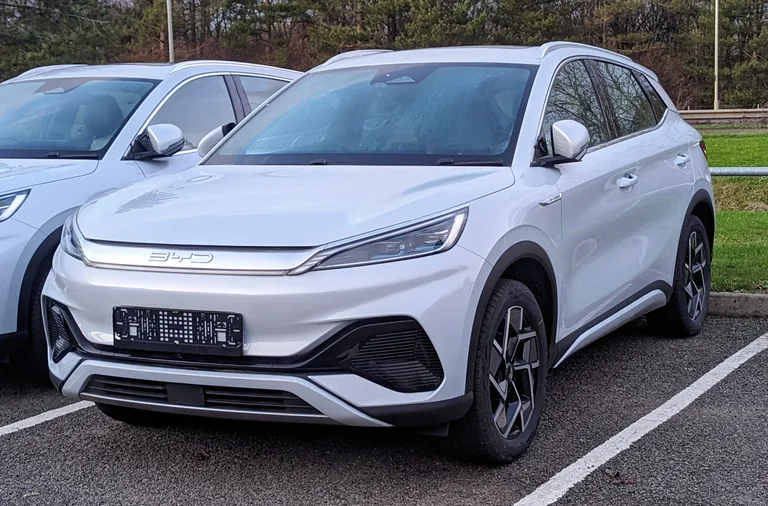
The 2022/2023 pre-facelift BYD Atto 3 is NOT compatible with Tesla Superchargers. This has been confirmed through real-world testing at Gamuda Cove. You can identify affected models by their Atlas A51 “Batman” tyres. Newer models (from September 2024 onwards) with Continental EcoContact 6Q tyres work fine.
BYD Australia offers a retrofit wiring harness fix costing approximately AUD300-400 (~RM900-1,200), but availability in Malaysia is unconfirmed. If you own a pre-facelift Atto 3, contact your BYD dealer for options.
V3 vs V4 Superchargers: Which Is Better for Non-Tesla EVs?
Tesla operates both V3 and V4 Supercharger hardware in Malaysia. Here’s what matters for non-Tesla users:
| Feature | V3 Supercharger | V4 Supercharger |
|---|---|---|
| Max output | 250 kW | 250 kW |
| Cable length | Short (Tesla-optimised) | Longer (universal-friendly) |
| CCS2 port reach | May not reach rear/side ports | Better reach for all vehicles |
| Open locations | Pavilion KL, Gamuda Cove | i-City Shah Alam, IOI City Mall |
Verdict: If you drive a non-Tesla EV, prioritise V4 locations (i-City Shah Alam and IOI City Mall Putrajaya) for a smoother experience. V3 chargers have short cables designed for Tesla’s rear-left charging port, which can force non-Tesla vehicles to park awkwardly across multiple bays.
ALSO READ: EV Road Tax Malaysia 2026 — Rates & Exemptions
Tesla Supercharger vs Other Malaysia Charging Networks: Full Comparison
Here’s a comprehensive comparison to help you decide whether Tesla Supercharger is the right choice for your non-Tesla EV:
| Feature | Tesla SC | Gentari | Xpeng Charge+ | ChargEV | Shell Recharge |
|---|---|---|---|---|---|
| DC rate | RM1.80/kWh | RM1.20-1.80/kWh | RM1.50/kWh | RM1.00-1.50/kWh | Up to RM2.80/kWh |
| Max speed | 250 kW | Up to 360 kW | 350 kW | Varies | Up to 180 kW |
| 800V support | Limited (~100 kW) | Native | Native (350 kW) | Varies | Limited |
| Locations (MY) | 4 open-access | 400+ | Limited | 600+ | 50+ |
| Reliability | Very high | Good | Good | Variable | Good |
| App required | Tesla app | Gentari app | Charge+ app | ChargEV app | Shell Recharge |
| Idle fee | RM2.00/min | RM1.00/min | Varies | Varies | Varies |
When Tesla Supercharger Makes Sense
- You drive a 400V EV and want reliable, fast charging in the Klang Valley
- You’re willing to pay a premium for reliability (Tesla Superchargers have excellent uptime)
- You sign up for the membership to get rates below RM1.10/kWh
- You’re already in the Tesla ecosystem (e.g., own a Tesla and a non-Tesla)
When Other Networks Are Better
- You drive an 800V EV — use Charge+ or Gentari for much faster speeds
- You charge outside the Klang Valley — Tesla only has 4 open-access sites
- You want the cheapest rate — ChargEV and JomCharge are significantly cheaper
- You need highway charging — Gentari and Shell Recharge have better coverage on the PLUS highway
What’s Next for Tesla Supercharger Open Network in Malaysia?
While Tesla hasn’t officially announced expansion plans for the open network, several factors suggest more locations will open soon:
- Government mandate: The BEV Global Leaders programme requires ongoing compliance — expect Tesla to exceed the 30% open-access requirement as new stations are built
- New station openings: The Toppen Johor Bahru Supercharger (opened March 2026) and future stations are likely candidates for open access
- Competition pressure: With Gentari, ChargEV, and new players expanding aggressively, Tesla needs open-network revenue to justify infrastructure costs
- Global trend: Tesla has opened Superchargers in Europe, North America, and Australia — Malaysia’s expansion is part of this global rollout
The Malaysian EV market is growing fast, with sales expected to surpass 30,000 units in 2026. Tesla’s open Supercharger network will play an increasingly important role in supporting this growth.
Frequently Asked Questions (FAQ)
Can I charge my non-Tesla EV at any Tesla Supercharger in Malaysia?
No. Only four locations are currently open to non-Tesla EVs: Pavilion KL, i-City Shah Alam, IOI City Mall Putrajaya, and Gamuda Cove Dengkil. All other Tesla Supercharger stations remain Tesla-only.
How much does it cost to charge a non-Tesla EV at a Tesla Supercharger?
Non-Tesla EVs pay RM1.80 per kWh. A subscription membership (approximately RM50-60/month) can reduce this to around RM0.99-1.08/kWh. Tesla owners pay from RM0.93/kWh.
Do I need the Tesla app to charge my non-Tesla EV?
Yes. You must download the Tesla mobile app (iOS or Android), create an account, and add a payment method. There is no RFID card or plug-and-charge option for non-Tesla vehicles.
Will my 800V EV charge at full speed on a Tesla Supercharger?
No. 800-volt EVs like the Hyundai Ioniq 5/6, Kia EV6, and Porsche Taycan will only achieve approximately 97-100 kW at Tesla Superchargers due to voltage conversion limitations. For faster charging, use a native 800V-compatible charger like Xpeng Charge+ (350 kW).
Is the pre-facelift BYD Atto 3 compatible with Tesla Superchargers?
No. The 2022/2023 pre-facelift BYD Atto 3 (identifiable by Atlas A51 “Batman” tyres) is confirmed incompatible. Only the 2024+ facelift model with Continental EcoContact 6Q tyres works. A retrofit wiring harness may be available — check with your BYD dealer.
What is the Tesla Supercharger congestion fee?
Tesla charges up to RM2.00 per minute as a congestion/idle fee if you remain plugged in after your charging session ends or after reaching 80% state of charge at a busy station. Always move your car promptly after charging.
How long does it take to charge at a Tesla Supercharger?
For a typical 60 kWh battery (like the BYD Atto 3), charging from 10% to 80% takes approximately 25-35 minutes at full 250 kW speed. 800V vehicles may take longer due to reduced charging speeds.
Will Tesla open more Supercharger locations to non-Tesla EVs in Malaysia?
Tesla hasn’t confirmed a timeline, but the BEV Global Leaders programme requires at least 30% of stalls to be open-access. As Tesla builds more stations in 2026, additional locations are expected to open to non-Tesla EVs.
Final Verdict: Should You Use Tesla Superchargers for Your Non-Tesla EV?
Tesla’s open Supercharger network in Malaysia is a welcome addition to the EV charging landscape, but it’s not the best option for everyone.
Best for: 400V EV owners in the Klang Valley who value reliability and are willing to pay a premium (or subscribe for cheaper rates).
Not ideal for: 800V EV owners (who get much better speeds elsewhere), drivers outside KL/Selangor (limited open locations), or budget-conscious EV owners (other networks are cheaper).
The real game-changer will come when Tesla expands open access beyond the Klang Valley and offers native 800V support. Until then, use Tesla Superchargers strategically — and keep your Gentari and ChargEV apps handy for everything else.
Looking for a home EV charger to avoid public charging fees altogether? Browse Malaysia’s best home EV chargers at evsifu.com — with professional installation options for both landed homes and condominiums.
ALSO READ: EV Charger Installation Malaysia — Condo & Landed Guide