
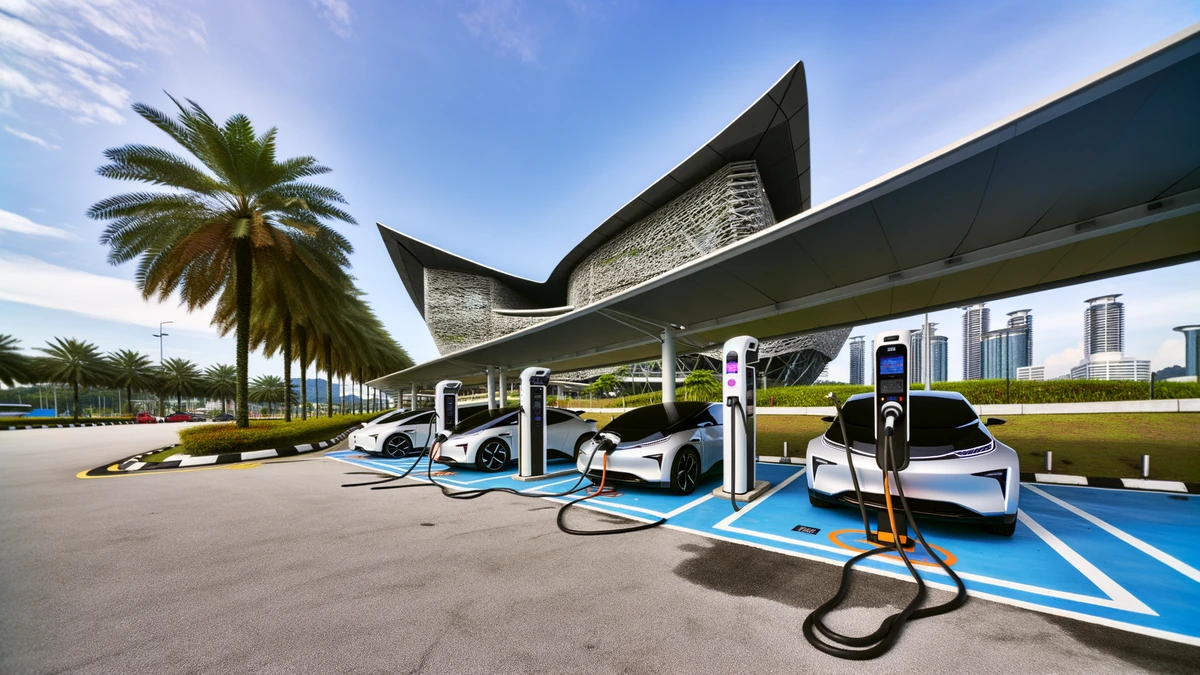
Malaysia’s electric vehicle market continues its rapid growth trajectory in 2026. After recording over 20,000 EV registrations in 2024, the market is accelerating with new locally assembled models, expanding charging infrastructure, and evolving government policies.
From just 278 EVs registered in 2021 to a projected 50,000+ cumulative registrations by end-2026, the transformation of Malaysia’s automotive landscape is undeniable. Here’s what you need to know.
EV Sales in Malaysia — The Numbers
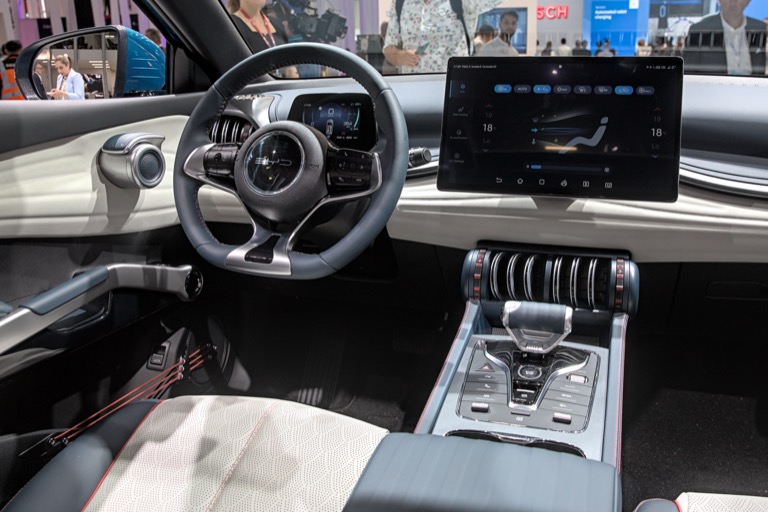
Malaysia’s EV adoption has grown dramatically in recent years. In 2021, just 278 EVs were registered. By 2023, that number surged to over 13,000 units, and 2024 saw the figure exceed 20,000. BYD leads the market with over 8,500 registrations in 2024, followed by Tesla with over 5,100 units.
The trend shows no signs of slowing. With more affordable models entering the market and government incentives still in play, 2026 is shaping up to be another record-breaking year for Malaysian EV sales.
ALSO READ: Cheapest EVs in Malaysia 2026: Complete Buyer’s Guide
Top-Selling EV Brands in Malaysia
| Rank | Brand | 2024 Units | Key Models |
|---|---|---|---|
| 1 | BYD | 8,570 | Atto 3, Dolphin, Seal |
| 2 | Tesla | 5,137 | Model 3, Model Y |
| 3 | BMW | 1,000+ | iX, i4, i5 |
| 4 | Mercedes-Benz | ~750 | EQA, EQB, EQS |
| 5 | GWM/Ora | 615 | Good Cat |
ALSO READ: BYD Atto 3 vs Tesla Model Y Malaysia: Complete Comparison
Government EV Policy Updates 2026
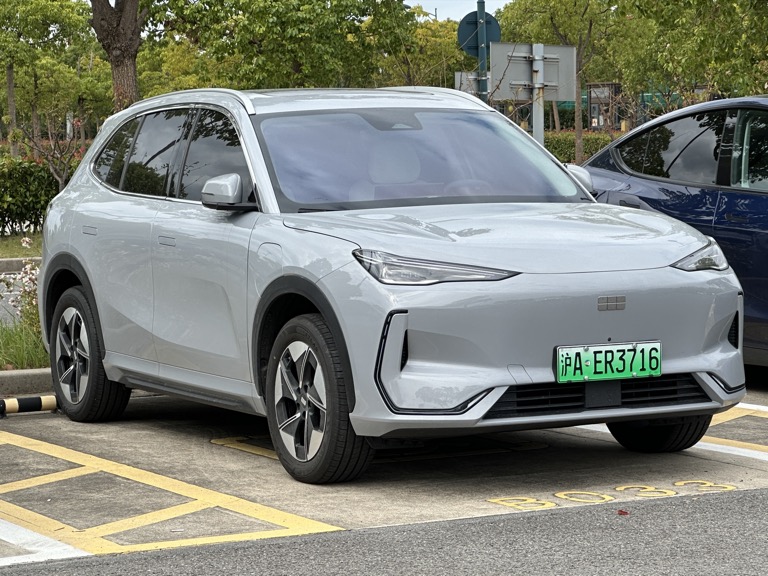
The Malaysian government has been actively supporting EV adoption through various incentives. Key policy developments include the Budi Madani programme adjustments, evolving road tax structures for EVs, and ongoing discussions about charging infrastructure mandates for new developments.
Current EV incentives in Malaysia include:
- Road tax exemption for EVs until 2027
- Import duty exemption on fully imported CBU EVs
- Excise duty exemption on locally assembled CKD EVs
- Tax relief of up to RM2,500 for EV charging equipment
ALSO READ: EV Road Tax Malaysia 2026: How Much Do You Really Pay?
Charging Infrastructure Growth
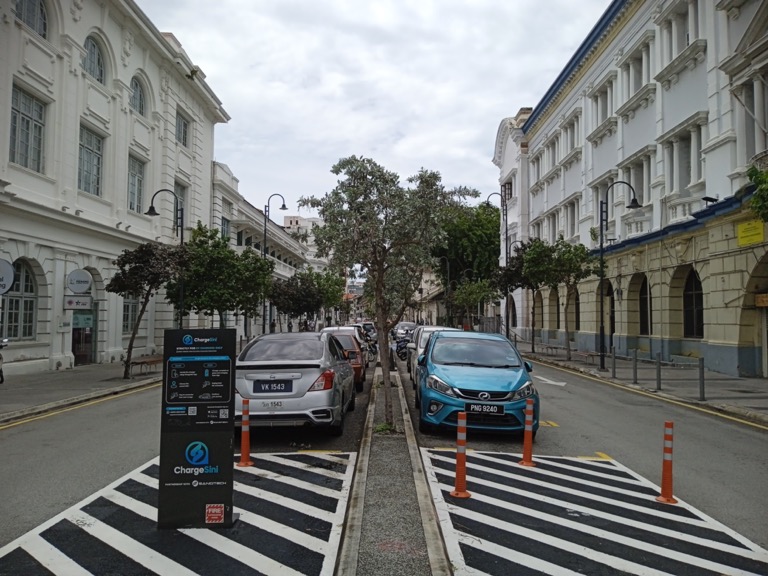
As of mid-2024, Malaysia had over 2,600 EV charging bays. Selangor leads with 876 bays, followed by Kuala Lumpur with 674. The government’s target of 10,000 chargers continues to drive expansion, with highway operators like PLUS Malaysia installing more DC fast chargers along major routes.
Home charging remains the most convenient option for Malaysian EV owners, with professional installation available from multiple providers. The growing availability of 7 kW and 11 kW home chargers has made overnight charging a hassle-free daily routine for most owners.
ALSO READ: Complete Guide to Home EV Charging in Malaysia 2026
What’s Coming in 2026
Several major developments are expected in the Malaysian EV market this year:
- BYD’s local assembly plant in Tanjong Malim — the first Chinese EV factory in Malaysia
- Proton eMas range launch — Malaysia’s national car brand enters the EV race
- Toyota’s EV offensive in ASEAN — new models targeting the Malaysian market
- Continued growth in the affordable EV segment under RM100,000
- Chery/Omoda expanding dealership and service networks nationwide
ALSO READ: EV vs Petrol Car Running Costs in Malaysia: Real Numbers
Frequently Asked Questions
How many EVs are there in Malaysia?
As of early 2026, there are approximately 40,000+ registered electric vehicles in Malaysia, with numbers growing rapidly each month.
Is it worth buying an EV in Malaysia in 2026?
Yes. With lower running costs, expanding charging infrastructure, and increasingly affordable models like the Proton eMas 5, EV ownership in Malaysia is more practical than ever. Running costs can be 60–70% cheaper than equivalent petrol cars.
What is the cheapest EV in Malaysia?
As of 2026, the most affordable EVs start from around RM100,000, with models like the BYD Dolphin and upcoming Proton eMas range targeting budget-conscious buyers.
Will EV road tax exemption continue after 2027?
The current road tax exemption for EVs is confirmed until 2027. Whether it will be extended depends on government policy reviews, but industry observers expect some form of continued incentive to support the EV transition.
ALSO READ: BYD Atto 3 vs Chery Omoda E5: Which EV to Buy in 2026?