
In This Guide
One of the biggest fears holding Malaysians back from buying an EV is the question: “How much will it cost to replace the battery?” The truth about EV battery replacement cost Malaysia is nuanced — prices range from RM11,000 for budget EVs to over RM100,000 for premium models. But here is what most people miss: the vast majority of EV owners will never need to replace their battery during typical ownership.
Modern EV batteries are designed to last 10–15 years with normal degradation of just 1.5–2.5% per year. And every EV sold in Malaysia comes with a battery warranty of at least 8 years or 160,000 km. This guide breaks down the real costs, brand by brand, and what you can do to maximise your battery’s lifespan in Malaysia’s hot climate.
ALSO READ: EV vs Petrol Running Cost Malaysia — Which Is Actually Cheaper?
Battery Replacement Cost by Brand
| Brand | Model | Battery Capacity | Est. Replacement Cost | Cost Per kWh |
|---|---|---|---|---|
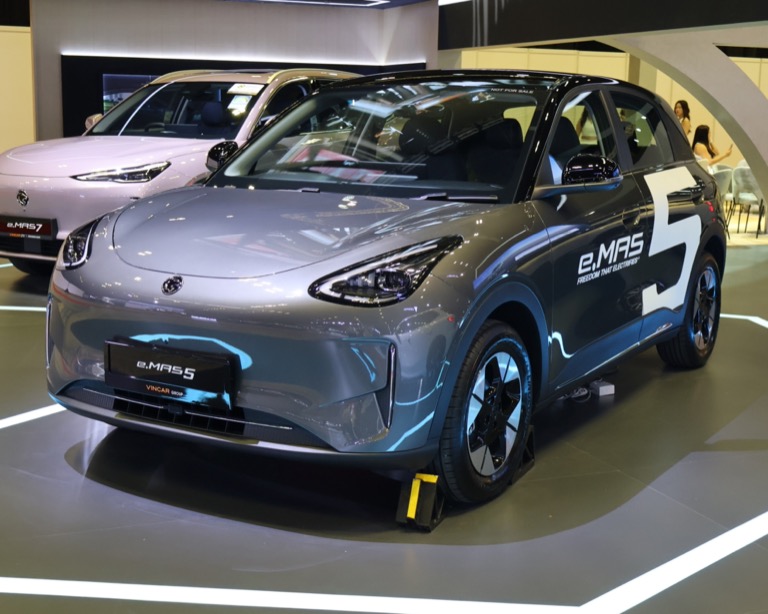
| Proton | e.MAS 5 Prime | 30.12 kWh LFP | ~RM11,000–RM15,000 | ~RM365–RM500 |
| Proton | e.MAS 5 Premium | 40.16 kWh LFP | ~RM15,000–RM18,000 | ~RM375–RM450 |
| Proton | e.MAS 7 Premium | 60.22 kWh LFP | ~RM20,000–RM25,000 | ~RM330–RM415 |
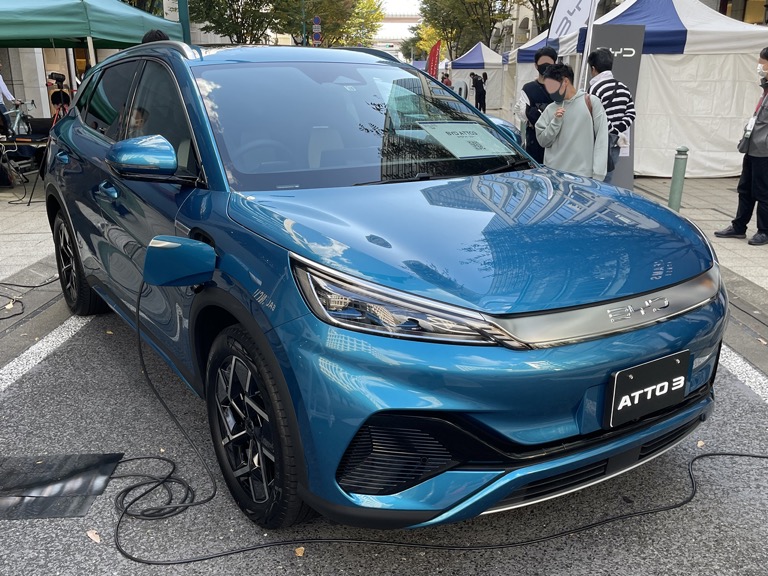
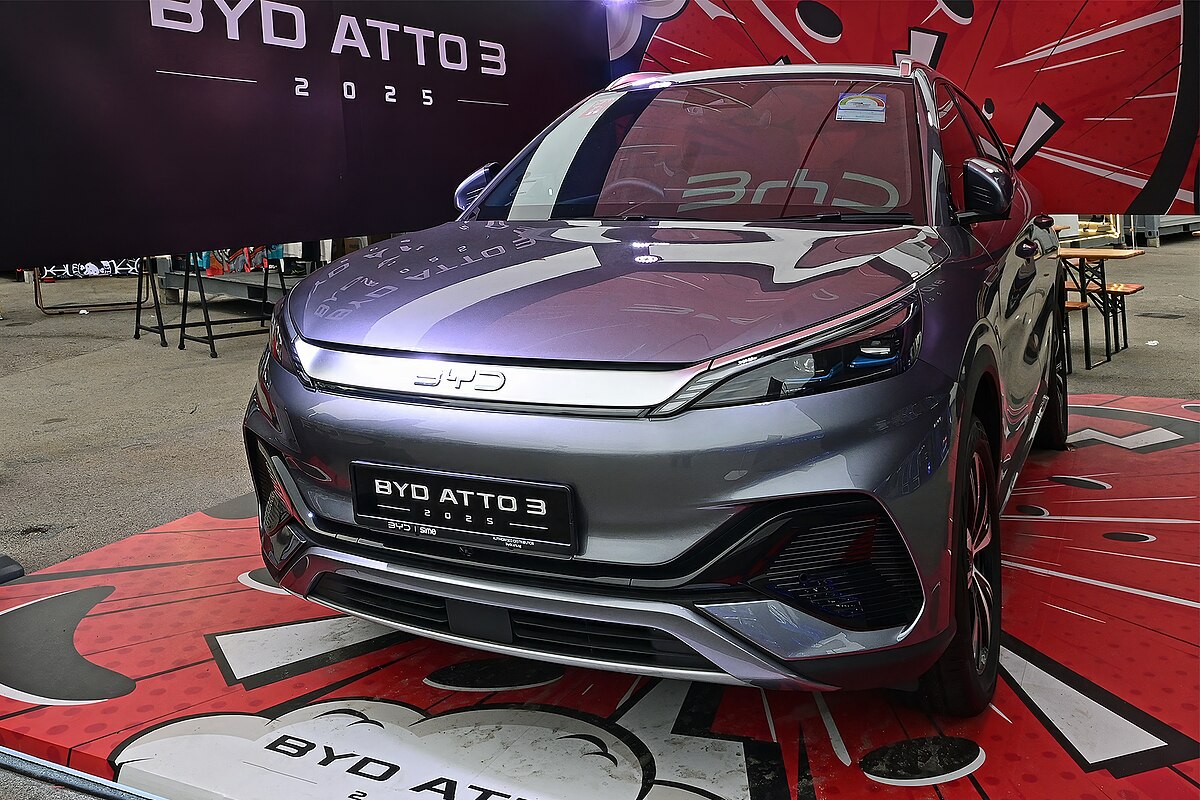
| BYD | Atto 3 Standard | 49.92 kWh LFP | ~RM22,800 | ~RM457 |
| BYD | Atto 3 Extended | 60.48 kWh LFP | ~RM27,000–RM30,000 | ~RM450–RM500 |
| BYD | Seal Performance | 82.5 kWh LFP | ~RM31,000 | ~RM376 |
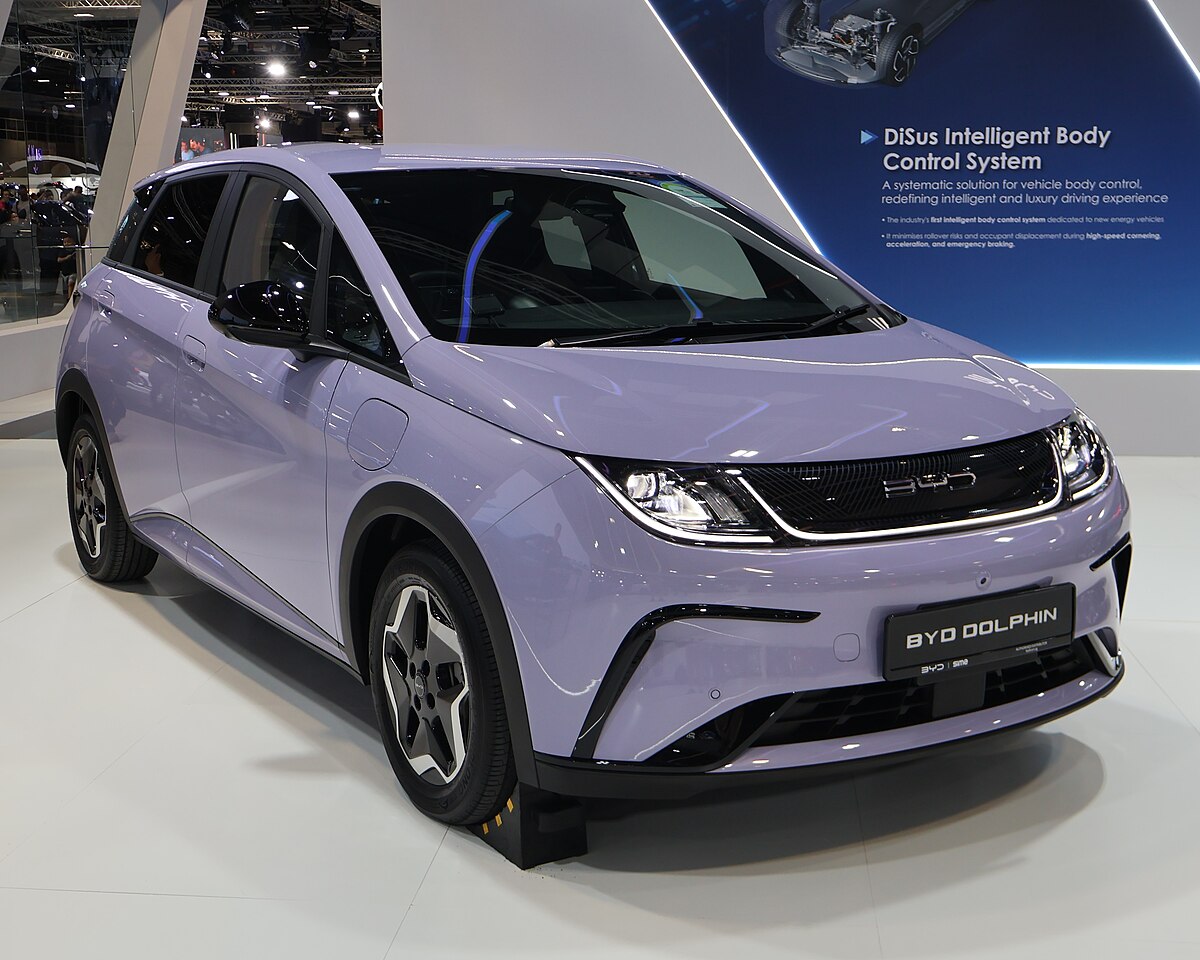
| BYD | Dolphin Dynamic | 44.9 kWh LFP | ~RM18,000–RM22,000 | ~RM400–RM490 |
| Tesla | Model 3 (any) | ~60–75 kWh NMC | RM40,000–RM106,000 | ~RM667–RM1,400 |
| Tesla | Model Y (any) | ~60–82 kWh NMC | RM30,000–RM100,000 | ~RM500–RM1,220 |
| BMW | iX1 | 64.7 kWh NMC | ~RM50,000–RM70,000 | ~RM775–RM1,080 |
| Mercedes | EQA | 66.5 kWh NMC | ~RM55,000–RM75,000 | ~RM825–RM1,130 |
| Volvo | EX30 | 51 kWh LFP | ~RM25,000–RM35,000 | ~RM490–RM685 |
Key insight: LFP (lithium iron phosphate) batteries used by BYD and Proton are significantly cheaper to replace than NMC (nickel manganese cobalt) batteries used by Tesla, BMW, and Mercedes. This is one reason CKD Chinese-brand EVs have lower total cost of ownership.
ALSO READ: Best EVs Under RM100k Malaysia 2026
Battery Warranty Comparison
Before worrying about replacement costs, check your warranty — you are likely covered for 8+ years:
| Brand | Vehicle Warranty | Battery Warranty | Degradation Guarantee |
|---|---|---|---|
| Proton | 5 years / 150,000 km | 8 years / 200,000 km | Min 70% SoH |
| BYD | 6 years / 150,000 km | 8 years / 160,000 km | Min 70% SoH |
| Tesla | 4 years / 80,000 km | 8 years / 160,000 km | Min 70% capacity |
| Perodua | 5 years / 150,000 km | BaaS (9 years) | Covered by subscription |
| BMW | 3 years / unlimited km | 8 years / 160,000 km | Min 70% SoH |
| Mercedes | 3 years / unlimited km | 8 years / 160,000 km | Min 70% capacity |
| Volvo | 3 years / unlimited km | 8 years / 160,000 km | Min 70% SoH |
| Hyundai | 5 years / unlimited km | 8 years / 160,000 km | Min 70% SoH |
What “70% SoH” means: If your battery’s State of Health (capacity) drops below 70% of its original capacity within the warranty period, the manufacturer will replace it for free. For example, a BYD Atto 3 with a 49.92 kWh battery is guaranteed to retain at least 34.9 kWh (70%) for 8 years.
What Affects Battery Degradation in Malaysia’s Climate?
Malaysia’s tropical climate — with temperatures consistently above 30°C and high humidity — does impact EV battery longevity. Here is what matters most:
Heat Exposure
Prolonged exposure to temperatures above 29°C accelerates battery degradation. Research shows vehicles in hot climates degrade approximately 0.4% faster per year than those in mild climates.
What to do:
- Park in shaded areas or covered parking whenever possible
- Use your EV’s pre-conditioning feature to cool the battery before driving
- Avoid leaving your EV fully charged in direct sunlight for extended periods
Charging Habits
High-power DC fast charging (above 100 kW) is the single biggest factor in battery degradation — causing degradation rates up to 2x faster than regular AC charging (3.0% vs 1.5% per year).
What to do:
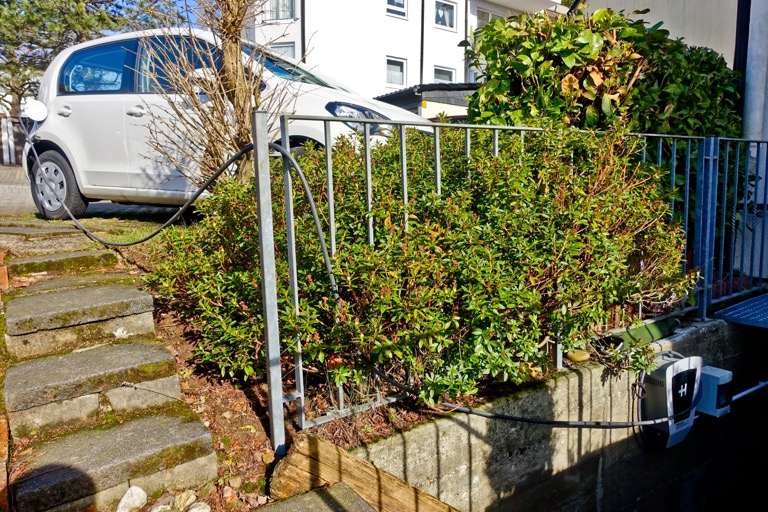
- Use home AC charging (7 kW) for daily charging — this is gentlest on the battery
- Reserve DC fast charging for road trips and emergencies
- Keep your State of Charge between 20% and 80% for daily use
Driving Patterns
Aggressive acceleration and frequent high-speed driving increase battery temperature and accelerate wear.
What to do:
- Drive smoothly — regenerative braking helps extend range AND battery life
- Use Eco mode for daily commuting
Charge at home to maximise battery life. AC home charging at 7 kW is the gentlest on your battery. Get a home charger installed by EVSIFU — prices from RM1,999.
ALSO READ: Home EV Charger Installation Guide Malaysia 2026
How to Check Your EV Battery Health
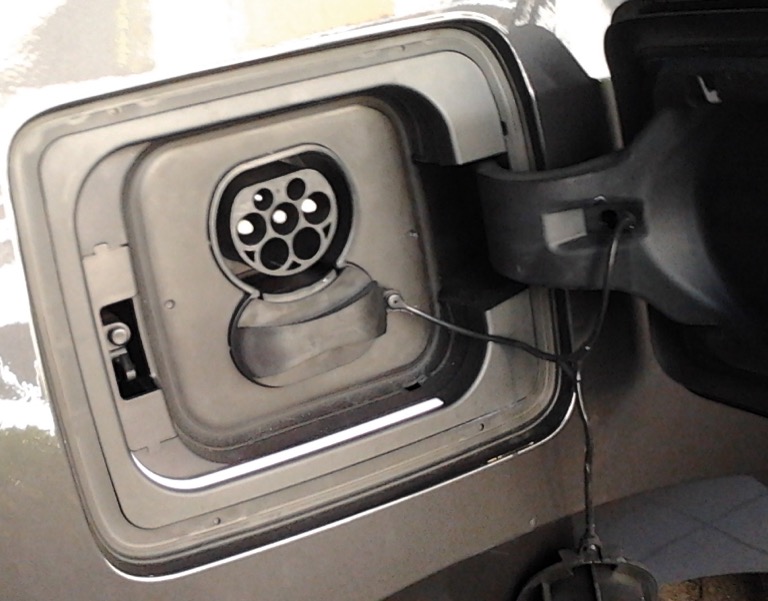
Method 1: In-Car Display
Most modern EVs show battery health data in the infotainment system or dedicated EV menu:
- BYD: Check battery SoH via the BYD app or infotainment
- Tesla: Battery health is shown in the Service menu (some variants require a Tesla service appointment for detailed data)
- Proton e.MAS: Battery health displayed in the EV status menu
Method 2: OBD-II Diagnostic Tools
Third-party OBD-II scanners and apps (such as Carscanner, Leaf Spy for Nissan, or ScanMyTesla) can read detailed battery cell data, including individual cell voltages and overall SoH percentage.
Method 3: Dealer Service Check
All authorised EV dealers in Malaysia can perform a comprehensive battery health check during scheduled servicing. Request a Battery Health Report — this is especially important if buying a used EV.
Will Battery Costs Go Down?
Yes. Global battery pack costs are declining rapidly:
| Year | Average Battery Cost (per kWh) | Trend |
|---|---|---|
| 2020 | ~RM580/kWh | Baseline |
| 2023 | ~RM490/kWh | -16% |
| 2025 | ~RM400/kWh | -31% |
| 2026 (est.) | ~RM360/kWh | -38% |
| 2030 (proj.) | ~RM250/kWh | -57% |
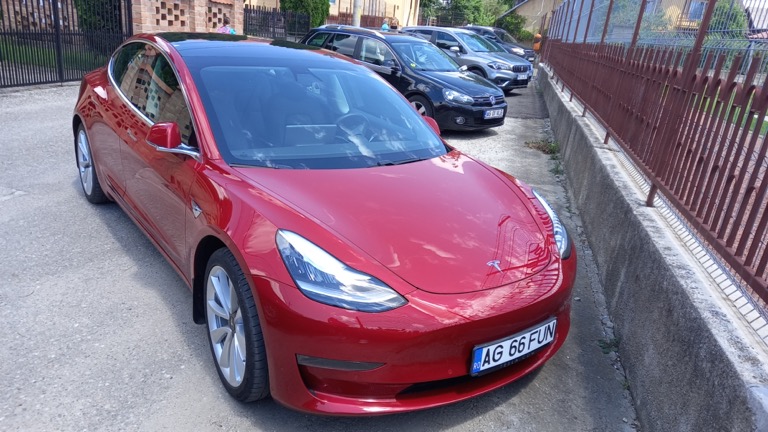
By the time your 8-year warranty expires, replacement batteries will likely cost 30–50% less than today’s prices. For affordable EVs like the Proton e.MAS 5, a replacement battery could cost as little as RM8,000–RM10,000 by 2033.
The Bottom Line: Should You Worry?
For most Malaysian EV owners: no. Here is why:
- 8-year warranty covers you for the most critical period
- Normal degradation is only 1.5–2.5% per year — after 8 years you will still have ~80–88% capacity
- Battery costs are falling — replacements will be much cheaper when you eventually need one
- LFP batteries (BYD, Proton) are especially durable and affordable to replace
- Home AC charging minimises degradation — get a home charger from EVSIFU
The real total cost of ownership for an EV — including a hypothetical battery replacement — is still significantly lower than a petrol car when you factor in fuel savings, lower maintenance, and reduced road tax.
ALSO READ: EV Road Tax Malaysia 2026 — Rates & Exemptions
Frequently Asked Questions
How much does it cost to replace an EV battery in Malaysia?
Costs range from RM11,000 (Proton e.MAS 5 Prime) to over RM100,000 (Tesla Model 3/Y with large NMC battery). LFP batteries used in BYD and Proton EVs are significantly cheaper to replace than NMC batteries in Tesla, BMW, and Mercedes models.
Will I need to replace my EV battery?
Most likely no during typical ownership (5–8 years). Modern EV batteries are designed to last 10–15 years with normal degradation of 1.5–2.5% per year. After 8 years, expect 80–88% of original capacity remaining.
What is the EV battery warranty in Malaysia?
All major EV brands in Malaysia offer 8-year / 160,000 km battery warranties with a minimum 70% State of Health guarantee. Proton offers 8 years / 200,000 km. Perodua’s QV-E uses a 9-year Battery-as-a-Service subscription.
Does Malaysia’s hot weather damage EV batteries?
Hot climates do accelerate degradation by approximately 0.4% faster per year compared to mild climates. Mitigate this by parking in shade, using home AC charging (not DC fast charging for daily use), and keeping charge between 20–80%.
Is it cheaper to replace an LFP or NMC battery?
LFP batteries are significantly cheaper — roughly RM350–RM500 per kWh for BYD/Proton vs RM670–RM1,400 per kWh for Tesla/BMW NMC batteries. LFP also tends to be more durable with longer cycle life.
How do I check my EV battery health?
Check your in-car display or EV app for State of Health (SoH) percentage. You can also use OBD-II diagnostic tools or request a Battery Health Report during dealer servicing. This is essential when buying a used EV.
Will EV battery replacement costs go down?
Yes. Battery costs are declining approximately 10–15% per year. By 2030, replacement costs are projected to be 50–57% lower than 2020 prices. A budget EV battery that costs RM15,000 today could cost RM8,000–RM10,000 by 2033.
Have questions about EV battery health? Contact EVSIFU for expert advice and home charger installation that maximises your battery’s lifespan.