
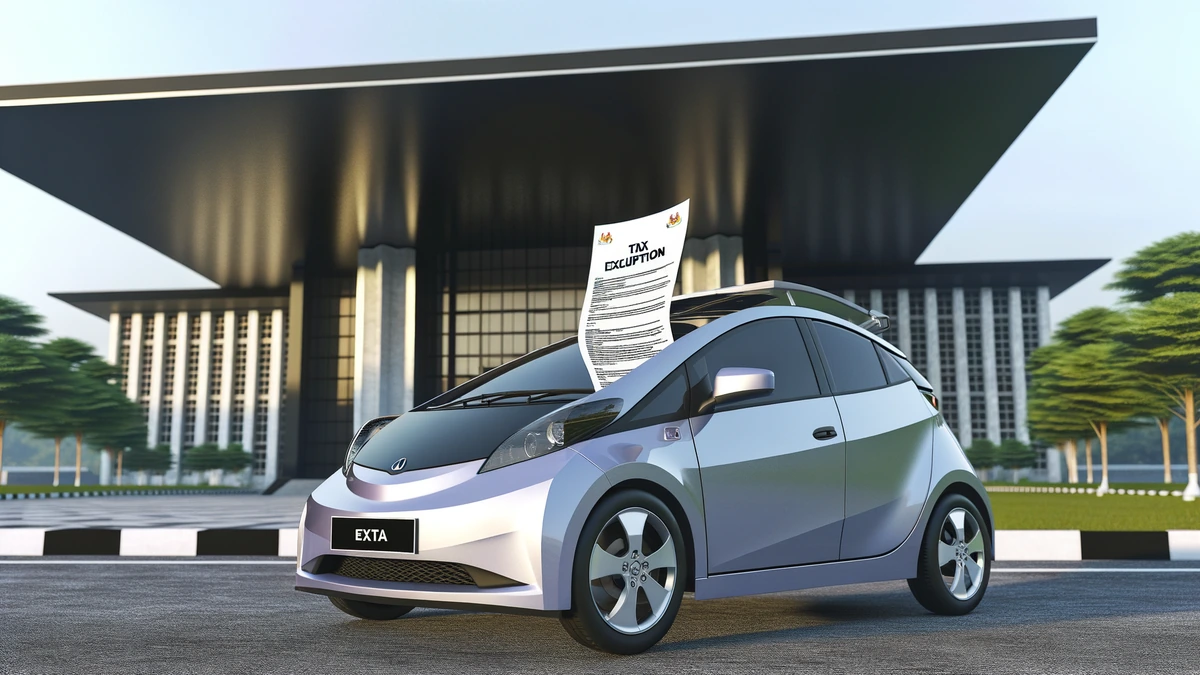
The landscape of EV incentives Malaysia 2026 has changed significantly from previous years. While locally assembled (CKD) electric vehicles continue to enjoy full duty exemptions until December 2027, fully imported (CBU) EVs now face import and excise duties for the first time — and the road tax exemption has been replaced with a new kW-based structure.
If you are considering buying an EV in Malaysia, this guide covers every incentive still available in 2026 — what has changed, what remains, and how much you can actually save. Whether you are eyeing a Proton e.MAS 5, BYD Atto 3, or Tesla Model Y, understanding these incentives can save you tens of thousands of ringgit.
ALSO READ: Cheapest EVs in Malaysia 2026 — Full Price List
Table of Contents
- Quick Summary: What Changed in 2026
- CKD (Locally Assembled) EV Incentives
- CBU (Fully Imported) EV Tax Changes
- EV Road Tax 2026 — New kW-Based Structure
- RM2,500 EV Charger Income Tax Relief
- Green Technology Financing Scheme (GTFS 5.0)
- Total Savings: How Much Can You Actually Save?
- Key Deadlines to Watch
- Frequently Asked Questions
Quick Summary: What Changed in 2026
| Incentive | Before 2026 | From January 1, 2026 |
|---|---|---|
| CKD EV import duty | 100% exempt | Still 100% exempt (until Dec 2027) |
| CKD EV excise duty | 100% exempt | Still 100% exempt (until Dec 2027) |
| CKD EV sales tax | 100% exempt | Still 100% exempt (until Dec 2027) |
| CBU EV import duty | 100% exempt | Now taxed (~30% import duty) |
| CBU EV excise duty | 100% exempt | Now taxed (~10% excise duty) |
| CBU EV sales tax | 100% exempt | Now taxed (~10% sales tax) |
| EV road tax | 100% exempt | New kW-based rates (85% lower than petrol) |
| EV charger tax relief | RM2,500/year | Still available (until YA 2027) |
1. CKD (Locally Assembled) EV Incentives — Still Fully Exempt
The biggest incentive still in place: CKD electric vehicles enjoy full duty exemptions until December 31, 2027. This covers:
- Import duty on EV components: 100% exempt
- Excise duty: 100% exempt
- Sales tax: 100% exempt
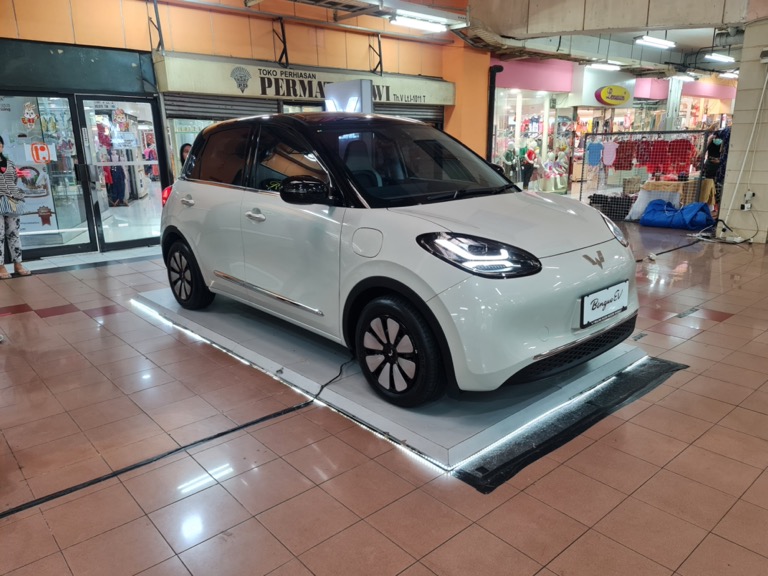
This is why CKD EVs like the Proton e.MAS 5 (from RM59,800, or RM56,800 with launch rebate), TQ Wuling Bingo (from RM62,800), and Perodua QV-E (RM80,000 + BaaS) are priced so competitively.
What Qualifies as CKD?
A CKD EV is one that is assembled in Malaysia from imported components. Current CKD EVs include:
| CKD EV Model | Assembled At | Price From |
|---|---|---|
| Proton e.MAS 5 | Proton Tanjung Malim | RM59,800 (RM56,800 with rebate) |
| TQ Wuling Bingo | Tan Chong plant | RM62,800 |
| Perodua QV-E | Perodua Rawang | RM80,000† |
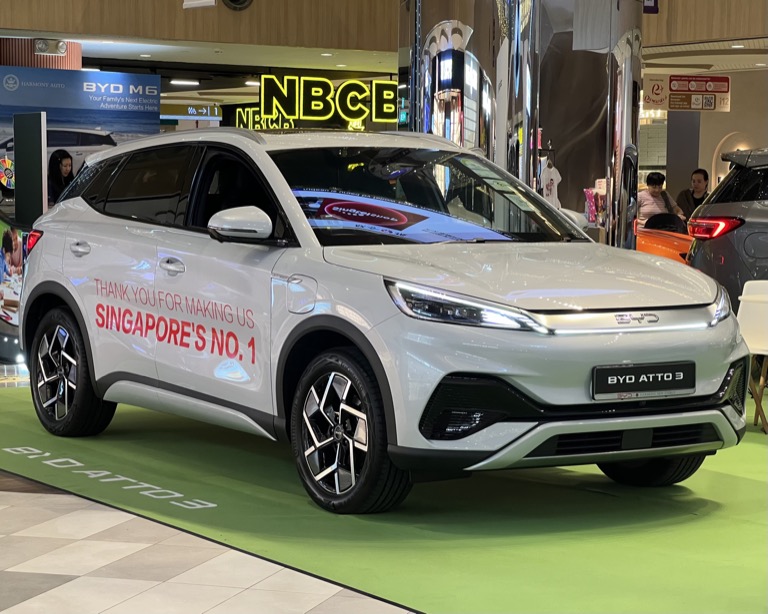
| BYD Atto 3 | BYD Kulim | RM139,800 |
| BYD Dolphin | BYD Kulim | RM100,530 |
†Battery not included — RM275/month BaaS.
Key takeaway: If you want the best value EV in Malaysia, buy CKD. These vehicles benefit from zero import, excise, and sales taxes — savings that can amount to 30–50% of the vehicle price compared to what you would pay for a CBU equivalent.
ALSO READ: BYD Atto 3 vs Chery Omoda E5 — Best EV Under RM150k Malaysia 2026
2. CBU (Fully Imported) EV Tax Changes — What You Pay Now
Starting January 1, 2026, the full tax exemption for CBU (fully imported) EVs has expired. This means imported EVs now face:
- Import duty: ~30%
- Excise duty: ~10%
- Sales tax: ~10%
Impact on Prices
This has significantly increased prices for CBU EVs. For example:
| CBU EV Model | 2025 Price (Tax-Free) | 2026 Price (With Duties) | Increase |
|---|---|---|---|
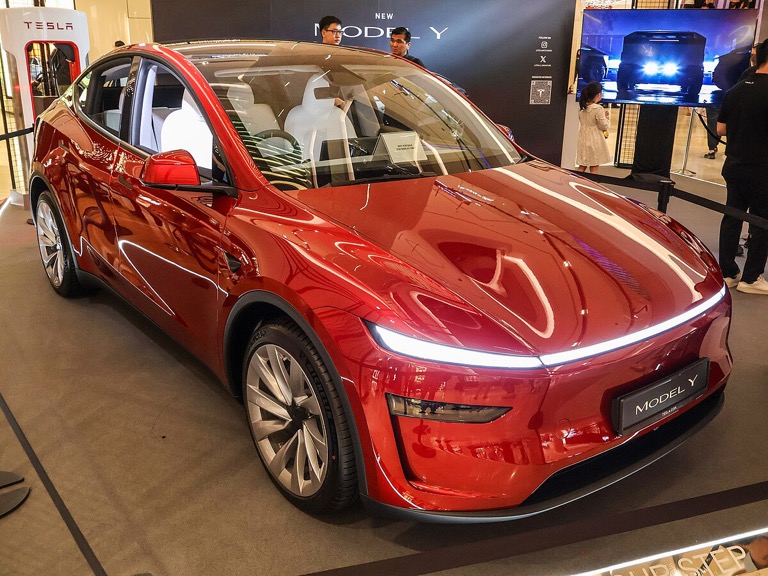
| Tesla Model Y | ~RM199,000 | ~RM249,000+ | ~25–30% |
| BMW iX | ~RM420,000 | ~RM520,000+ | ~25% |
| Mercedes EQS | ~RM580,000 | ~RM750,000+ | ~30% |
Prices are estimates and may vary by variant.
Important exception: CBU EVs that physically entered Malaysia before December 28, 2025 still qualify for the old tax-free pricing — even if they are registered in 2026.
3. EV Road Tax 2026 — New kW-Based Structure
The full road tax exemption for EVs ended on December 31, 2025. From January 1, 2026, EVs pay road tax based on their motor power output in kilowatts (kW) — but at rates approximately 85% lower than equivalent petrol vehicles.
2026 EV Road Tax Bands
| Power Band | Motor Output | Annual Road Tax |
|---|---|---|
| Band 1 | 1–100 kW | RM20–RM70 |
| Band 2 | 100–210 kW | RM80–RM280 |
| Band 3 | 210–310 kW | RM305–RM575 |
| Band 4 | 310–410 kW | RM615–RM1,065 |
Actual Road Tax for Popular EVs
| EV Model | Motor Power | 2026 Road Tax |
|---|---|---|
| Wuling Bingo | 50 kW | RM20/year |
| Proton e.MAS 5 Premium | 85 kW | ~RM50/year |
| BYD Dolphin (Standard) | 70 kW | ~RM40/year |
| BYD Atto 3 | 150 kW | ~RM160/year |
| Proton e.MAS 7 | 200 kW | ~RM260/year |
| Tesla Model Y | 220 kW | ~RM320/year |
For comparison, a typical 1.5L petrol car pays RM90–RM200/year in road tax. Most affordable EVs now pay less in road tax than their petrol equivalents.
ALSO READ: EV Road Tax Malaysia 2026 — Rates and Exemptions
4. RM2,500 EV Charger Income Tax Relief
The government continues to offer RM2,500 per year in personal income tax relief for EV charging equipment expenses. This relief is confirmed through Year of Assessment 2027.
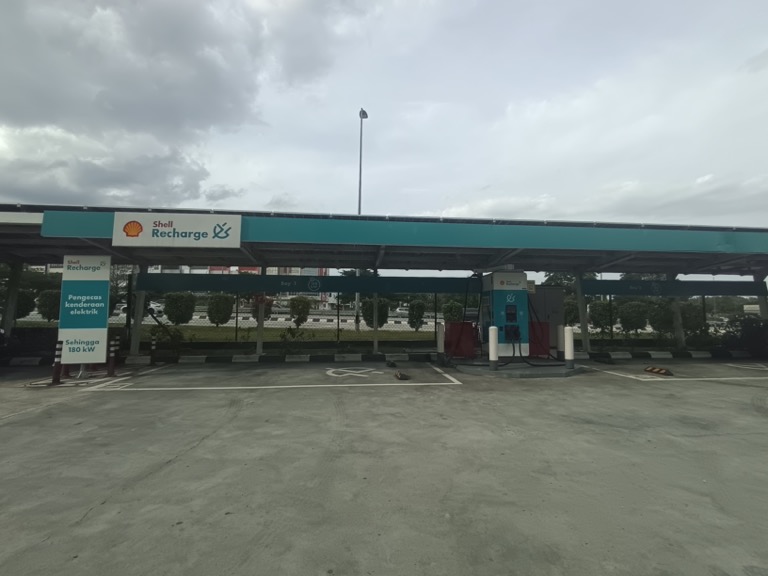
What You Can Claim
- Home EV charger purchase and installation
- Charging equipment rental or hire-purchase
- Public charging subscription fees (ChargEV, JomCharge, TNB Electron)
Actual Tax Savings
| Your Income Bracket | Tax Rate | Savings From RM2,500 Relief |
|---|---|---|
| RM50k–RM70k | 13% | RM325 |
| RM70k–RM100k | 21% | RM525 |
| RM100k–RM250k | 24% | RM600 |
Claim it during annual LHDN e-Filing under the Lifestyle relief category.
Planning to install a home charger? Get professional installation from EVSIFU — we provide all documentation needed for your LHDN tax relief claim.
ALSO READ: Complete Home EV Charging Guide Malaysia
5. Green Technology Financing Scheme (GTFS 5.0)
The GTFS 5.0 provides financing support for green investments including EV purchases, with up to RM1.0 billion allocated until December 31, 2026.
Key Details
- Government guarantee: 60–80% on green component financing
- Eligible sectors: Transport (including EVs), Energy, Manufacturing, Building, Waste, Water
- Guarantee fee: 0.5% per annum
- Interest subsidy: No longer available under GTFS 5.0 (previous versions offered 1.5% rebate)
GTFS 5.0 is primarily for businesses investing in green technology — individual EV buyers typically benefit more from the income tax relief and duty exemptions above.
6. Total Savings: How Much Can You Actually Save?
Here is a realistic savings example for someone buying a CKD EV in 2026:
Scenario: Buying a Proton e.MAS 5 Premium
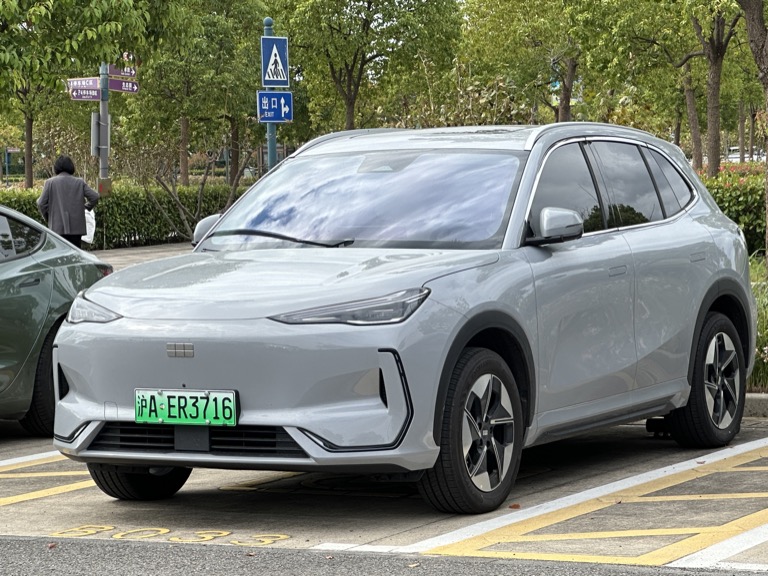
| Savings Category | Amount Saved |
|---|---|
| Import duty exemption (CKD) | ~RM15,000–RM20,000 |
| Excise duty exemption (CKD) | ~RM5,000–RM8,000 |
| Sales tax exemption (CKD) | ~RM5,000–RM7,000 |
| Road tax savings vs petrol (per year) | ~RM50–RM150 |
| Fuel savings vs petrol (per year) | ~RM2,400–RM4,800 |
| RM2,500 charger tax relief (one-time) | RM325–RM600 |
| Total first-year savings | RM28,000–RM40,000+ |
The biggest savings come from the CKD duty exemptions — without them, a Proton e.MAS 5 would cost significantly more. The running cost savings (fuel + road tax + maintenance) add up to RM3,000–RM6,000 per year on top of that.
Ready to make the switch? Visit EVSIFU for expert EV advice and home charger installation across Malaysia.
ALSO READ: EV vs Petrol Running Cost Malaysia
7. Key Deadlines to Watch
| Deadline | What Expires |
|---|---|
| December 31, 2026 | GTFS 5.0 financing scheme ends |
| December 31, 2027 | CKD EV duty exemptions expire |
| YA 2027 (filed 2028) | Last year for RM2,500 charger tax relief |
If you are planning to buy a CKD EV, the window of full duty exemption closes at the end of 2027. After that, CKD EVs may also face partial duties unless the government extends the incentives.
Frequently Asked Questions
Are EVs still tax-free in Malaysia in 2026?
CKD (locally assembled) EVs remain fully exempt from import, excise, and sales tax until December 2027. However, CBU (fully imported) EVs are no longer tax-free — they now face approximately 30% import duty + 10% excise duty + 10% sales tax from January 1, 2026.
How much is EV road tax in Malaysia in 2026?
EV road tax is now based on motor power output (kW). Most affordable EVs (under 100kW) pay RM20–RM70/year. Mid-range EVs (100–210kW) pay RM80–RM280/year. These rates are approximately 85% lower than equivalent petrol vehicles.
What happened to the EV road tax exemption?
The full road tax exemption for EVs ended on December 31, 2025. From January 1, 2026, all EVs pay road tax under the new kW-based structure. While no longer free, EV road tax rates remain significantly lower than petrol equivalents.
Is the EV charger tax relief still available?
Yes. The RM2,500 per year income tax relief for EV charging equipment (purchase, installation, rental, subscriptions) is valid through Year of Assessment 2027. Claim it via LHDN e-Filing under the Lifestyle relief category.
Will CBU EVs get cheaper again?
Unless the government introduces new exemptions, CBU EVs will remain subject to import, excise, and sales duties. The government’s strategy is to incentivise local CKD assembly — brands that set up local plants (like BYD in Kulim) benefit from ongoing exemptions.
Should I buy a CKD or CBU EV in 2026?
CKD EVs offer significantly better value due to full duty exemptions. A CKD EV can be 30–50% cheaper than an equivalent CBU model. Unless you specifically want a model only available as CBU (e.g., certain Tesla or BMW variants), CKD is the smarter financial choice.
When do CKD EV incentives expire?
CKD EV duty exemptions are currently set to expire on December 31, 2027. The Malaysian Automotive Association (MAA) has called for extensions, but no confirmation has been announced yet.
Stay updated on Malaysia’s EV incentives. Visit EVSIFU for the latest news, expert advice, and professional home charger installation.