
In This Guide
- Why Did Malaysia End the EV Road Tax Exemption?
- How Is EV Road Tax Calculated in Malaysia?
- Complete 2026 EV Road Tax Rate Table
- Road Tax for Every Popular EV in Malaysia
- EV vs Petrol Road Tax Comparison
- How to Calculate Your EV Road Tax
- How to Renew via MyJPJ
- Exemptions Still Available in 2026
- Frequently Asked Questions
The free ride is officially over. Starting 1 January 2026, every electric vehicle on Malaysian roads must pay road tax (cukai jalan) under a brand-new kW-based structure introduced by the Ministry of Transport (MOT). If you own — or plan to buy — an EV in Malaysia, understanding your EV road tax obligation is essential.
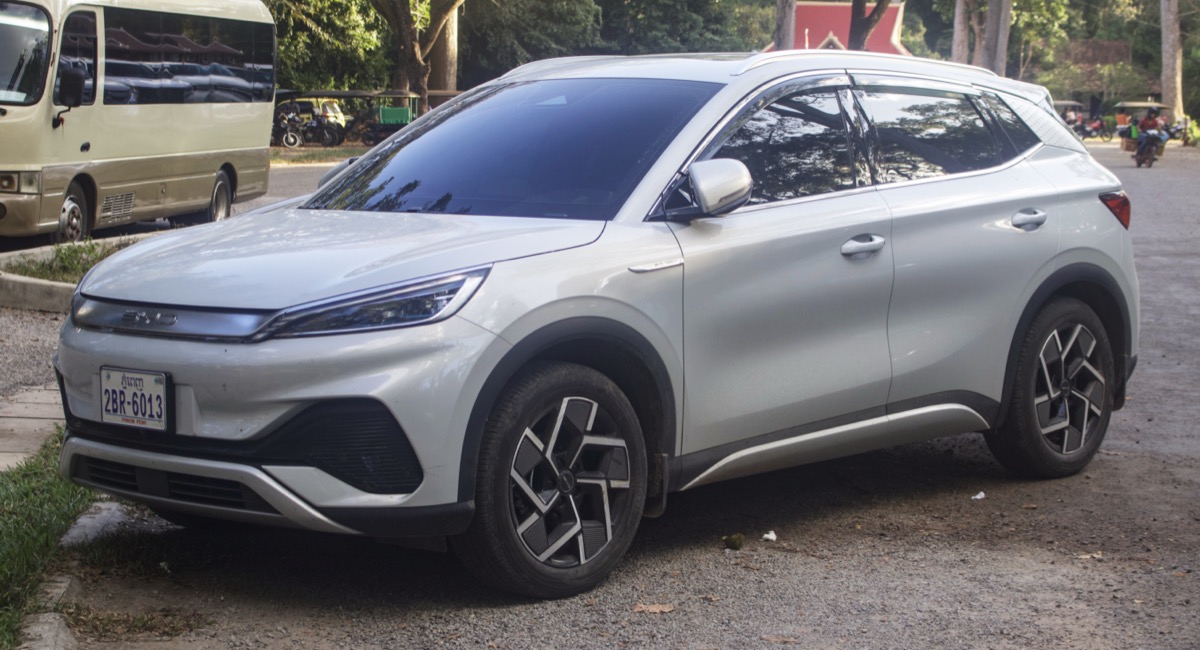
The good news? Even though the exemption period has ended, the new rates are still up to 85% cheaper than what equivalent petrol cars pay. A BYD Atto 3 owner, for example, pays just RM160/year — less than many 1.5-litre sedans.
In this complete guide, we break down the 2026 EV road tax rate table, show you exactly what popular models cost, explain how to calculate your rate, and walk you through the renewal process on MyJPJ.
ALSO READ: EV vs Petrol Running Cost Malaysia — Which Really Saves You More?
Why Did Malaysia End the EV Road Tax Exemption?
From 1 January 2022 to 31 December 2025, all EVs registered in Malaysia enjoyed RM0 road tax as part of the government’s push to accelerate EV adoption. That four-year tax holiday helped Malaysia’s EV registrations surge from a few hundred to tens of thousands annually.
With EV adoption now firmly established, the government transitioned to a permanent, affordable rate structure rather than extending the exemption indefinitely. The new framework ensures EVs contribute to road maintenance funding while keeping ownership costs significantly lower than petrol equivalents.
How Is EV Road Tax Calculated in Malaysia?
Unlike petrol and diesel vehicles (which use engine displacement in cc), EV road tax is calculated based on motor power output in kilowatts (kW).
Key things to know:
- Your rate is determined by motor output (kW), NOT battery capacity (kWh)
- The exact kW figure is listed on your Vehicle Ownership Certificate (Geran) under “Keupayaan Enjin”
- For dual-motor AWD EVs, the combined total output of both motors is used
- Rates are structured in progressive bands — higher power = higher tax, but with diminishing increments
Pro tip: Don’t confuse kW (kilowatts — motor power) with kWh (kilowatt-hours — battery size). Your 70 kWh battery BYD Atto 3 has a 150 kW motor — it’s the 150 kW that determines your road tax.
ALSO READ: Cheapest EVs in Malaysia 2026 — Full Price List
Complete 2026 EV Road Tax Rate Table
Here is the official rate structure gazetted by JPJ, effective 1 January 2026:
| Band | Motor Output (kW) | Base Rate (RM) | Per 10 kW Block (RM) | Max Tax for Band (RM) |
|---|---|---|---|---|
| 1 | 0.001 – 100 | 20 | +10 | 70 |
| 2 | 100.1 – 210 | 80 | +20 | 280 |
| 3 | 210.1 – 310 | 305 | +30 | 575 |
| 4 | 310.1 – 410 | 615 | +50 | 1,065 |
| 5 | 410.1 – 510 | 1,140 | +100 | 2,040 |
| 6 | 510.1 – 610 | 2,165 | +150 | 3,515 |
| 7 | 610.1 – 710 | 3,690 | +200 | 5,490 |
| 8 | 710.1 – 810 | 5,715 | +250 | 7,965 |
| 9 | 810.1 – 910 | 8,240 | +300 | 10,940 |
| 10 | 910.1 – 1,010 | 11,265 | +350 | 14,415 |
| 11 | 1,010.1+ | 20,000 (flat) | N/A | 20,000 |
How to read this table:
- Find which band your EV’s motor output falls into
- Start with the base rate for that band
- Add the per-block rate for every additional 10 kW above the band’s starting point
- Your total cannot exceed the max tax for that band
Calculation Example: BYD Atto 3 (150 kW)
- Falls in Band 2 (100.1 – 210 kW)
- Base rate: RM80
- Additional: (150 – 100) / 10 = 5 blocks × RM20 = RM100
- Total: RM80 + RM100 = RM160/year
Road Tax for Every Popular EV in Malaysia (2026)
Here’s what owners of the most popular EVs in Malaysia will pay annually:
Budget & Mid-Range EVs (Under RM200,000)
| Model | Motor Output | Band | Annual Road Tax |
|---|---|---|---|
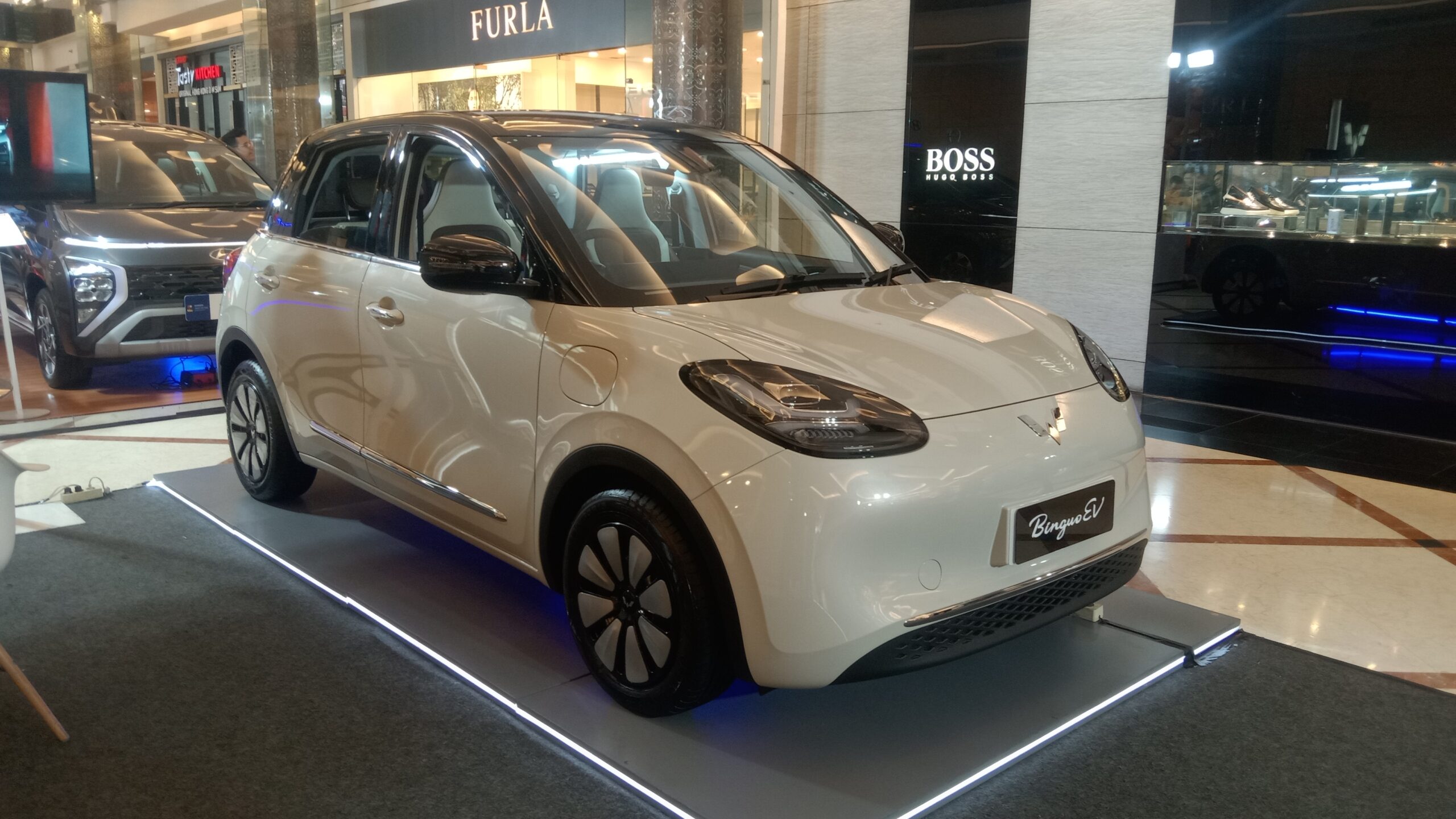
| Wuling Bingo EV | 50 kW | 1 | RM20 |
| Neta V | 70 kW | 1 | RM40 |
| BYD Dolphin Dynamic | 70 kW | 1 | RM40 |
| Hyundai Kona Electric | 100 kW | 1 | RM70 |
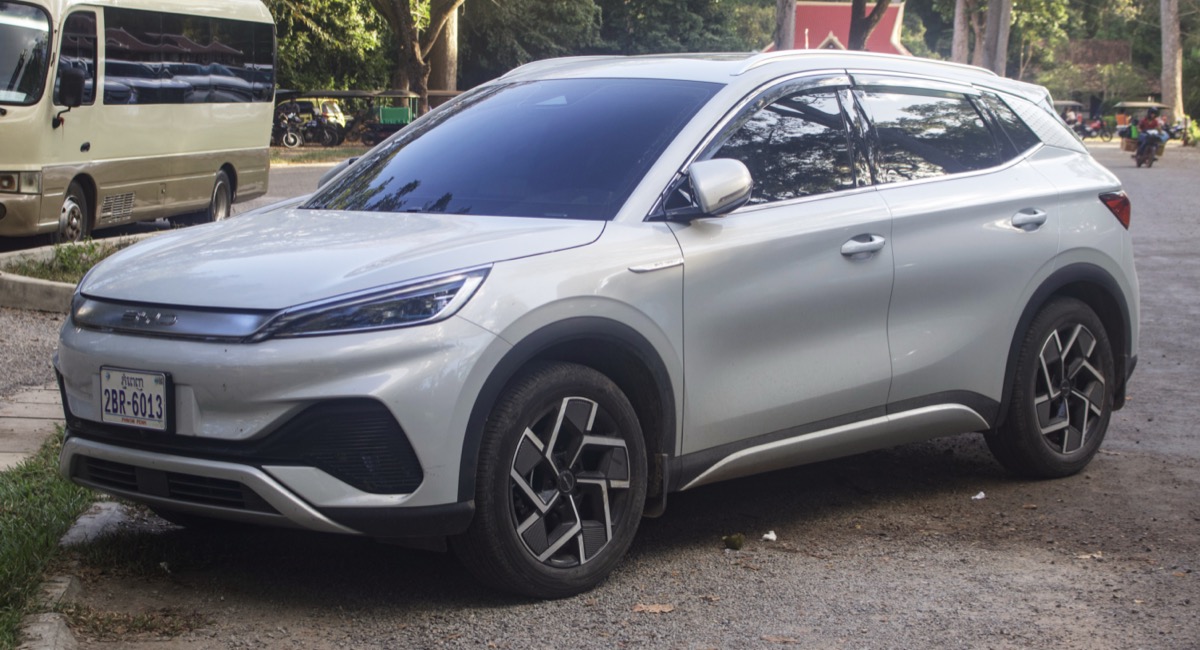
| BYD Atto 3 | 150 kW | 2 | RM160 |
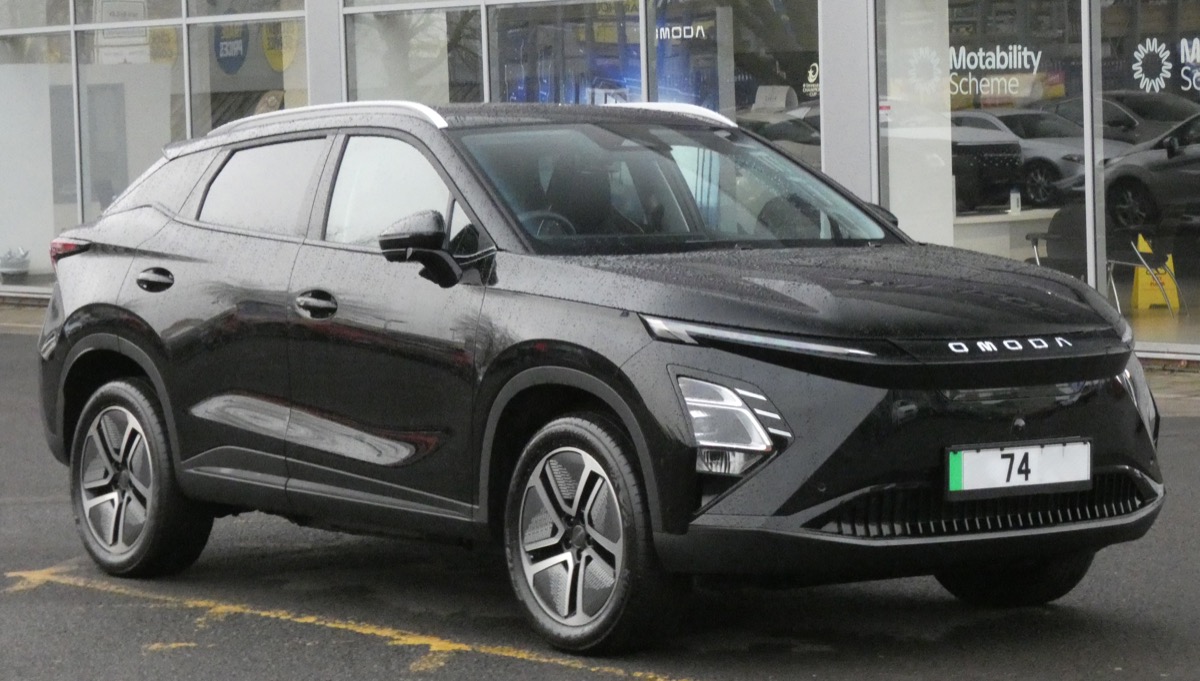
| Chery Omoda E5 | 150 kW | 2 | RM160 |
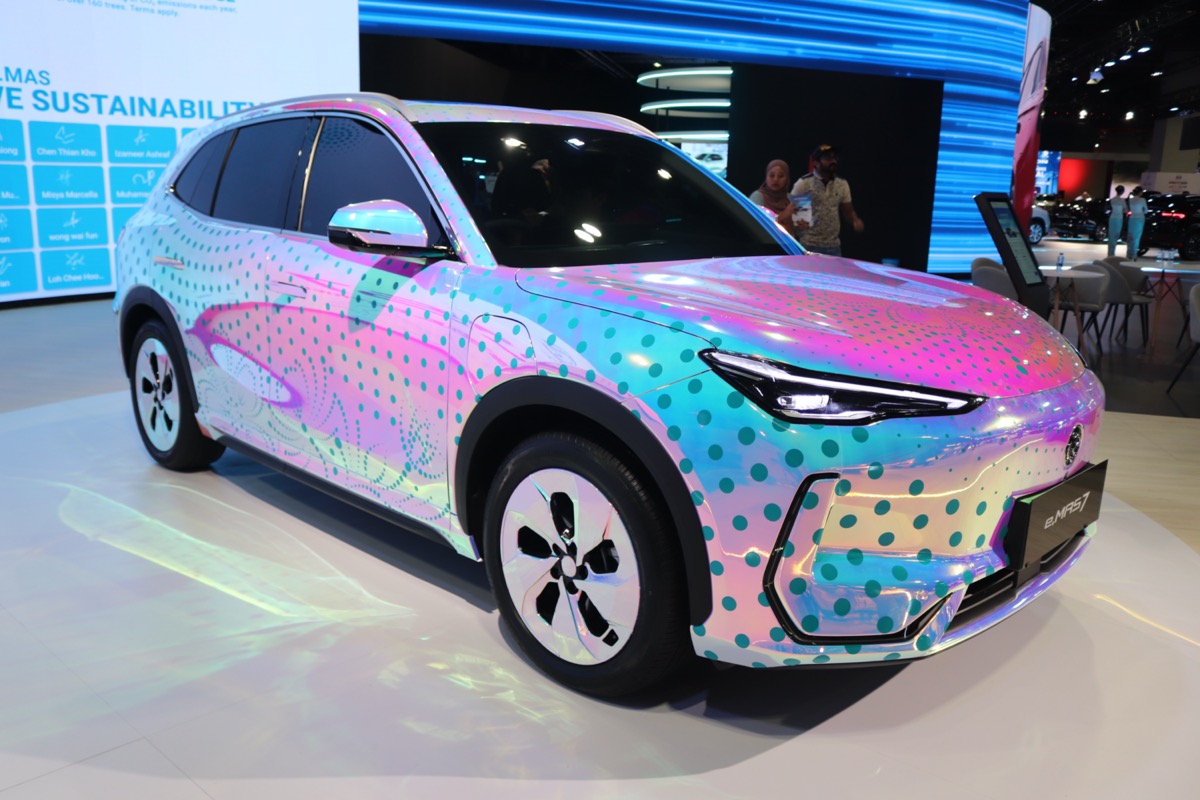
| Proton eMAS 7 | 160 kW | 2 | RM200 |
| Smart #1 Pro | 200 kW | 2 | RM260 |
Premium EVs (RM200,000 – RM400,000)
| Model | Motor Output | Band | Annual Road Tax |
|---|---|---|---|
| Tesla Model 3 Standard Range | 208 kW | 2 | RM280 |
| BMW i4 eDrive35 | 210 kW | 2 | RM280 |
| BYD Seal Premium | 230 kW | 3 | RM335 |
| BMW i5 eDrive40 | 250 kW | 3 | RM395 |
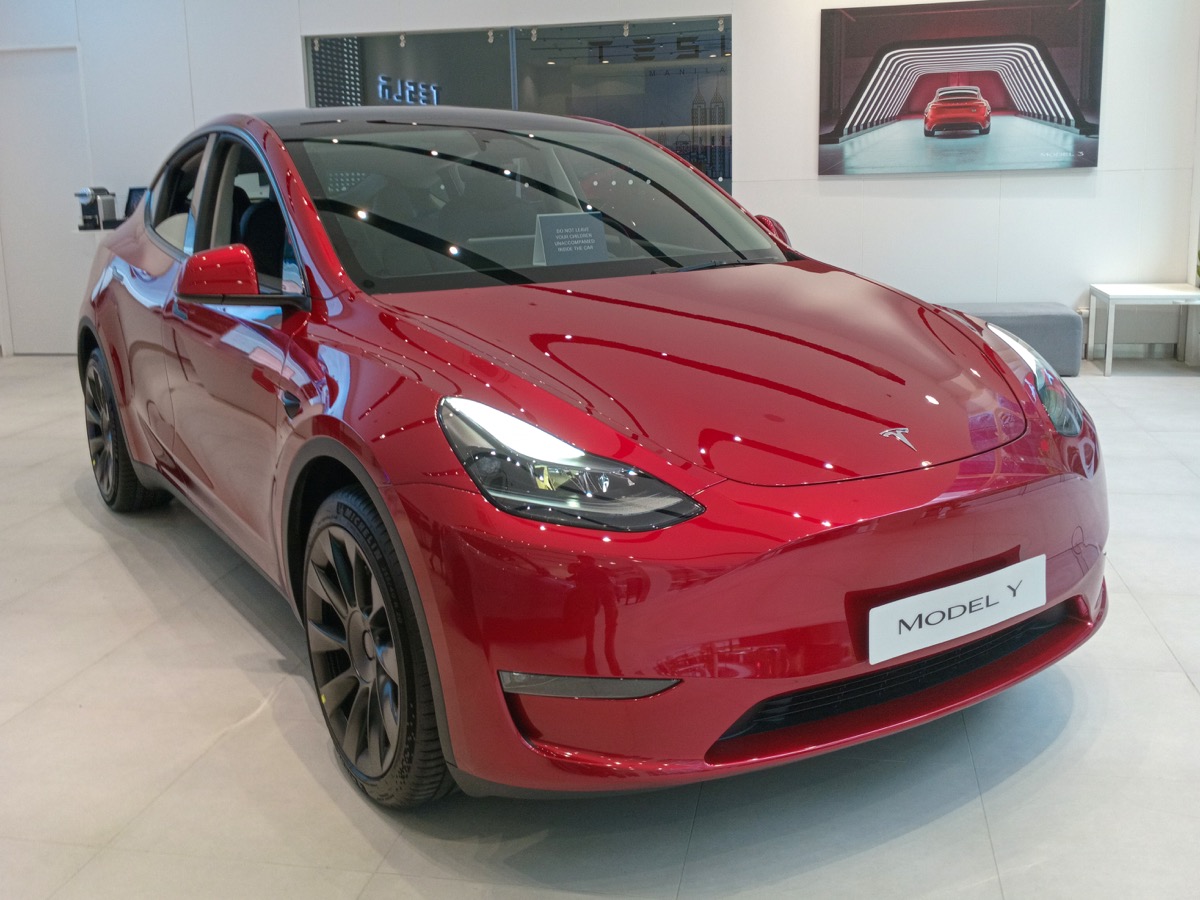
| Tesla Model Y Long Range | 378 kW | 4 | RM915 |
Performance & Luxury EVs (RM400,000+)
| Model | Motor Output | Band | Annual Road Tax |
|---|---|---|---|
| Tesla Model 3 Performance | 343 kW | 4 | RM715 |
| Tesla Model Y Performance | 393 kW | 4 | RM945 |
| Porsche Taycan Turbo S | 560 kW | 6 | RM2,100 |
| Lotus Eletre/Emeya 900 | 675 kW | 7 | RM4,890 |
ALSO READ: BYD Atto 3 vs Chery Omoda E5 — Which Budget EV Wins in Malaysia?
EV vs Petrol Road Tax — How Much Do You Actually Save?
One of the biggest advantages of the new EV road tax structure is the massive savings compared to petrol vehicles. Here’s a direct comparison:
| Comparison | EV Road Tax | Petrol Equivalent | Savings |
|---|---|---|---|
| BYD Atto 3 vs Toyota Corolla Cross | RM160 | ~RM380 | 58% |
| Tesla Model 3 vs BMW 3 Series | RM280 | ~RM750 | 63% |
| Proton eMAS 7 vs Proton X70 | RM200 | ~RM300 | 33% |
| BMW i5 vs BMW 5 Series | RM395 | ~RM800 | 51% |
| Porsche Taycan Turbo S vs Panamera Turbo | RM2,100 | ~RM12,000+ | 82% |
The savings are most dramatic at the luxury end. A Rolls-Royce Spectre owner pays approximately RM1,240/year versus a staggering RM19,005 for the petrol Phantom — a saving of over RM17,000 annually on road tax alone.
On average, EV owners pay 85% less in road tax compared to equivalent petrol vehicles. This is one of the many ownership cost advantages that make EVs increasingly attractive in Malaysia.
ALSO READ: Complete Home EV Charging Guide Malaysia
How to Calculate Your EV Road Tax
If your specific model isn’t listed above, you can calculate it yourself in three simple steps:
Step 1: Find Your Motor Output (kW)
Check your Vehicle Ownership Certificate (Geran/VOC) — look for “Keupayaan Enjin” which will show the kW rating. Alternatively, check your car’s specification sheet or the manufacturer’s website.
Step 2: Identify Your Band
Using the rate table above, find which band your kW figure falls into.
Step 3: Calculate
Use this formula:
Road Tax = Base Rate + (Number of 10 kW blocks above band start × Per-block rate)
Quick Calculation Example: Smart #1 Brabus (315 kW)
- Motor output: 315 kW
- Falls in Band 4 (310.1 – 410 kW), base rate RM615
- Additional: (315 – 310) / 10 = 0.5 rounds to 1 block × RM50 = RM50
- Total: RM615 + RM50 = RM665/year
How to Renew Your EV Road Tax via MyJPJ
Renewing your EV road tax is now fully digital through the MyJPJ app. Here’s the step-by-step process:
Prerequisites
- Valid motor insurance (must be renewed first — road tax cannot be processed without active insurance)
- No outstanding JPJ summons or compound fines
- Vehicle must pass Puspakom inspection if applicable (vehicles older than specified years)
Renewal Steps
- Renew your motor insurance through your insurer or an online platform
- Open the MyJPJ app then tap “Profile” then “Motor Vehicle License”
- Select your vehicle registration number
- Choose renewal duration — 6 months or 12 months
- Select payment method — FPX, credit/debit card, or e-wallet
- Confirm and pay — you will receive a digital confirmation
- Your e-LKM (digital road tax) will be displayed in the app immediately
Important Notes
- You can renew up to 2 months before your road tax expiry date
- The physical road tax disc is no longer required — enforcement uses the digital system
- Renewal is also available at JPJ counters, Post Office (Pos Malaysia), and authorised kiosks
- If you are in East Malaysia (Sabah/Sarawak), the same rates apply but renewal may have slightly different portal options
ALSO READ: EV Charger Installation Malaysia — Condo & Landed Guide
EV Road Tax Exemptions Still Available in 2026
While the blanket EV road tax exemption has ended, there are still some exemptions:
- OKU (Persons with Disabilities): One EV per registered OKU owner continues to enjoy 100% road tax exemption, following the same criteria as petrol vehicles
- Government & diplomatic vehicles: Standard government exemptions continue to apply
- Classic/vintage EVs: Vehicles registered as classic (25+ years) may qualify for reduced rates under existing JPJ provisions
What Happens If You Don’t Renew Your EV Road Tax?
Driving without valid road tax in Malaysia is an offence under the Road Transport Act 1987. Penalties include:
- Fine up to RM2,000 or imprisonment up to 6 months (first offence)
- Your vehicle may be clamped or towed by JPJ enforcement
- You cannot renew your road tax if you have outstanding summons
- Insurance claims may be complicated if you are involved in an accident with expired road tax
Given how affordable EV road tax is (as low as RM20/year), there is simply no reason to risk it.
Tips to Minimise Your EV Road Tax Cost
- Choose a single-motor variant — AWD/dual-motor versions have higher combined kW and therefore higher road tax. The Tesla Model Y RWD pays significantly less than the Performance variant.
- Check kW before buying — Two EVs with similar performance may have different rated outputs. Compare the Geran kW figure, not just advertised horsepower.
- Consider the total ownership picture — Even if a higher-powered EV has more road tax, the fuel savings, maintenance savings, and potential insurance differences may more than offset it.
Planning to buy an EV? Visit evsifu.com.my for the best deals on home EV chargers — the single most important accessory for any EV owner in Malaysia.
Frequently Asked Questions (FAQ)
How much is EV road tax in Malaysia 2026?
EV road tax in Malaysia starts from RM20/year for low-powered EVs (under 50 kW) and goes up to RM20,000 for hypercars above 1,010 kW. Most popular mass-market EVs like the BYD Atto 3 and Chery Omoda E5 pay around RM160/year, while a Tesla Model 3 Standard Range pays RM280/year.
How is EV road tax calculated in Malaysia?
EV road tax is calculated based on your electric motor’s power output in kilowatts (kW), not battery capacity (kWh). The kW rating is found on your Vehicle Ownership Certificate (Geran) under “Keupayaan Enjin”. Rates use a progressive band structure where higher motor output means higher road tax.
Is EV road tax still free in Malaysia?
No. The EV road tax exemption ended on 31 December 2025. From 1 January 2026, all EVs must pay road tax under the new kW-based structure. However, the new rates are approximately 85% cheaper than equivalent petrol vehicle road tax.
What is the road tax for BYD Atto 3 in Malaysia?
The BYD Atto 3 has a 150 kW motor, placing it in Band 2. The annual road tax is RM160 — roughly equivalent to what a 1.5-litre petrol car pays.
What is the road tax for Tesla Model Y in Malaysia?
It depends on the variant. The Tesla Model Y Long Range AWD (378 kW) pays approximately RM915/year, while the Performance variant (393 kW) pays around RM945/year. Single-motor variants pay less.
Can I renew EV road tax online?
Yes. You can renew your EV road tax through the MyJPJ app, which supports FPX, credit/debit cards, and e-wallets. You can also renew at JPJ counters, Pos Malaysia offices, and authorised kiosks.
Do I still need a physical road tax disc for my EV?
No. Malaysia has transitioned to a digital road tax system (e-LKM). Your valid road tax is stored digitally and can be verified by enforcement through the JPJ system. The e-LKM is displayed in your MyJPJ app.
Is EV road tax the same in Sabah and Sarawak?
Yes. The EV road tax rates are uniform nationwide across Peninsular Malaysia, Sabah, and Sarawak. The same kW-based rate table applies regardless of state.
What happens if my EV has two motors (AWD)?
For dual-motor EVs, the combined total output of both motors is used to calculate road tax. This is why AWD variants like the Tesla Model Y Performance (393 kW combined) pay significantly more than single-motor versions.
Does the Proton eMAS 7 pay road tax?
Yes. The Proton eMAS 7 BEV has a 160 kW motor and pays RM200/year in road tax. The PHEV variant’s road tax is calculated differently as it falls under plug-in hybrid regulations.
Conclusion
Malaysia’s 2026 EV road tax structure strikes a fair balance — EV owners now contribute to road funding, but at rates that are 85% cheaper than petrol equivalents. For most Malaysians driving popular EVs like the BYD Atto 3, Proton eMAS 7, or Chery Omoda E5, annual road tax sits comfortably between RM40 and RM260 — a small price for the massive fuel and maintenance savings EVs deliver.
Combined with lower electricity costs versus petrol, reduced maintenance needs, and available EV incentives, the total cost of EV ownership in Malaysia remains highly competitive heading into 2026.
Ready to maximise your EV savings? A home charger is the #1 way to cut your running costs even further. Browse the best home EV chargers at evsifu.com.my and start charging at home for as little as RM0.22/kWh.
ALSO READ: Best Home EV Charger Malaysia 2026