
Table of Contents
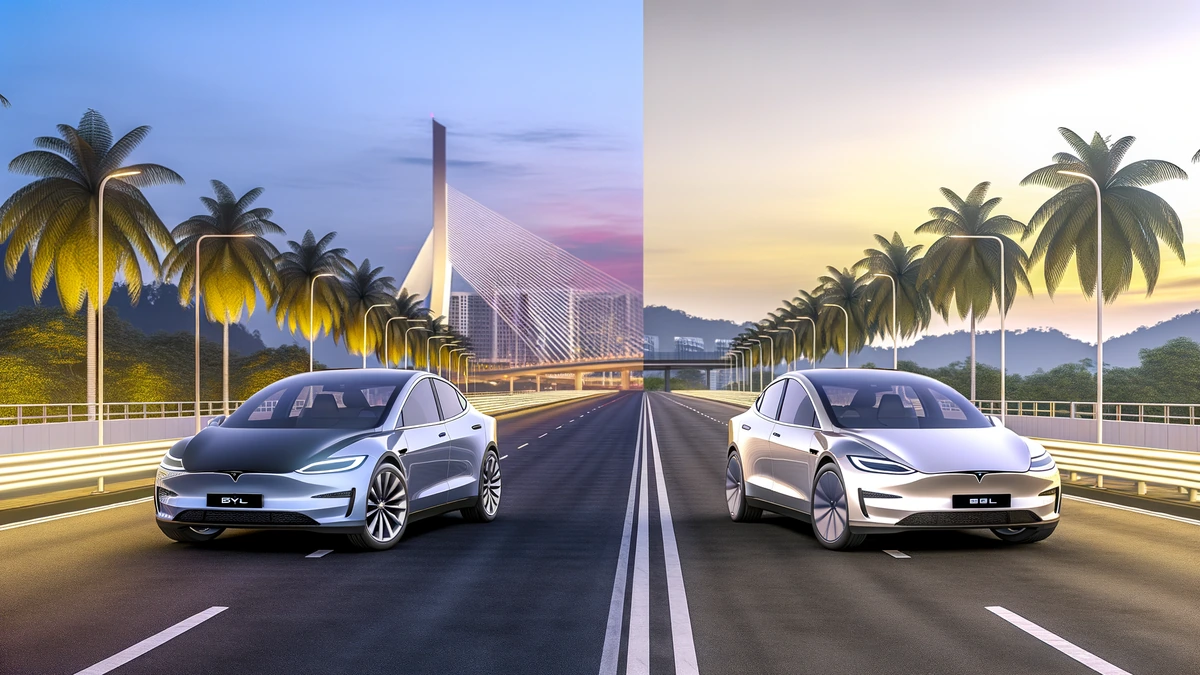
The BYD Seal and Tesla Model 3 are the two most talked-about electric sedans in Malaysia right now — and choosing between them isn’t easy. With the BYD Seal vs Tesla Model 3 Malaysia showdown heating up in 2026, both cars offer compelling packages at very different price points, from RM147,600 all the way up to RM229,000.
Whether you’re after the longest range, the fastest charging, or simply the best value for money, this head-to-head comparison breaks down everything you need to know before signing on the dotted line.
Price Comparison: BYD Seal vs Tesla Model 3 Malaysia
Let’s start with what matters most to many Malaysian buyers — price. The Tesla Model 3 offers several variants, including a budget-friendly Standard trim that undercuts everything else in this segment.
Tesla Model 3 Highland 2026 Price List
| Variant | Price (RM) |
|---|---|
| Standard RWD | RM147,600 |
| Premium RWD | RM169,000 |
| Long Range RWD | RM185,000 |
| Performance AWD | RM229,000 |
BYD Seal 2026 Price List
| Variant | Price (RM) |
|---|---|
| Premium RWD | RM171,800 |
| Performance AWD | RM191,800 |
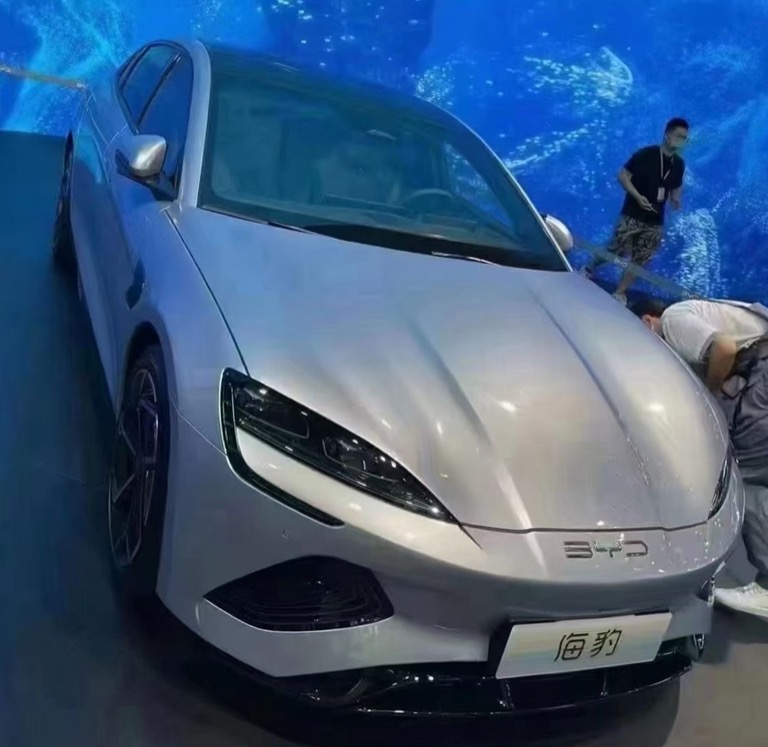
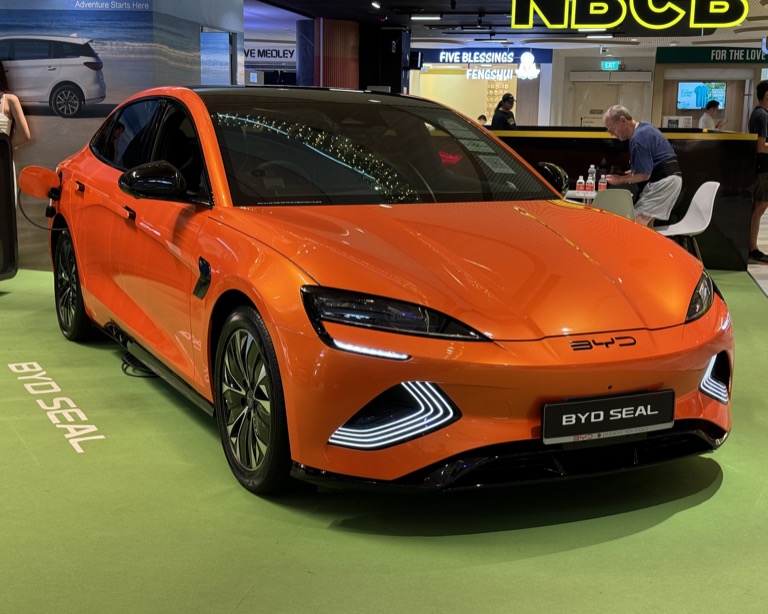
The Tesla Model 3 Standard RWD at RM147,600 is the cheapest entry point into either car, though it comes with significant feature cuts. The most like-for-like comparison is the BYD Seal Premium (RM171,800) versus the Tesla Model 3 Premium RWD (RM169,000) — separated by just RM2,800.
For performance enthusiasts, the BYD Seal Performance at RM191,800 is a staggering RM37,200 cheaper than the Tesla Model 3 Performance at RM229,000.
ALSO READ: Cheapest EVs in Malaysia 2026 — Complete Buyer’s Guide
Full Specs Comparison Table
Here’s the side-by-side spec sheet for the most popular variants:
| Spec | BYD Seal Premium | Tesla Model 3 Premium RWD | BYD Seal Performance | Tesla Model 3 Performance AWD |
|---|---|---|---|---|
| Price | RM171,800 | RM169,000 | RM191,800 | RM229,000 |
| Power | 313 PS (230 kW) | 279 hp | 530 PS (389 kW) | 460 hp |
| Torque | 360 Nm | 450 Nm | 670 Nm | 660 Nm |
| Battery | 82.5 kWh LFP | ~60 kWh LFP | 82.5 kWh LFP | 79 kWh LFP |
| Range (WLTP) | 570 km | 520 km | 520 km | 571 km |
| 0-100 km/h | 5.9 seconds | 6.1 seconds | 3.8 seconds | 3.1 seconds |
| Top Speed | 180 km/h | 201 km/h | 180 km/h | 261 km/h |
| DC Charging | 150 kW | 170 kW | 150 kW | 250 kW |
| AC Charging | 7 kW | 11 kW | 7 kW | 11 kW |
| Drivetrain | RWD | RWD | AWD | AWD |
| Boot Space | 400L + 53L frunk | 594L | 400L + 53L frunk | 594L |
| Kerb Weight | 2,055 kg | ~1,760 kg | 2,185 kg | ~1,830 kg |
Range & Battery: Who Goes Further?
Range anxiety is still a real concern for Malaysian EV buyers, so let’s break this down.
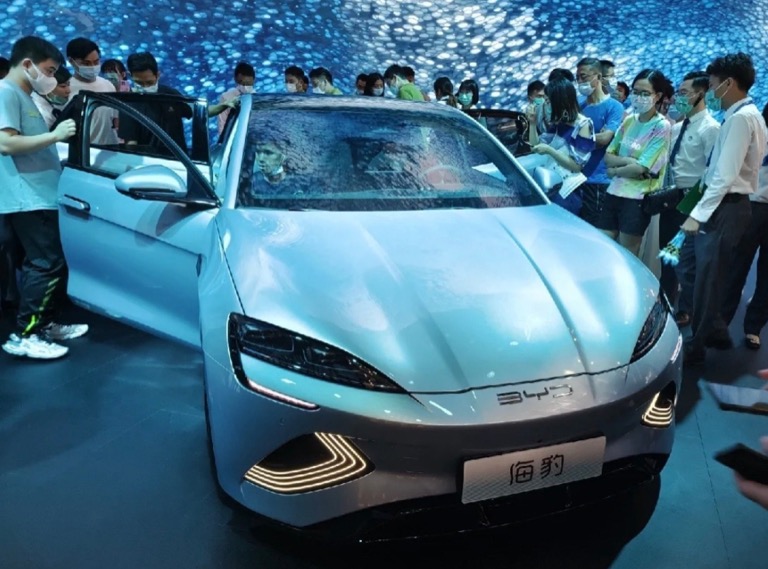
The BYD Seal Premium leads the pack with an impressive 570 km WLTP range, thanks to its larger 82.5 kWh Blade battery. This is BYD’s proprietary lithium iron phosphate (LFP) technology, known for its safety, longevity, and thermal stability — particularly relevant in Malaysia’s hot climate.
The Tesla Model 3 Premium RWD offers 520 km on a smaller battery pack, which actually speaks to Tesla’s superior energy efficiency. The Model 3 simply does more with less, partly due to its lighter kerb weight (roughly 300 kg lighter than the Seal).
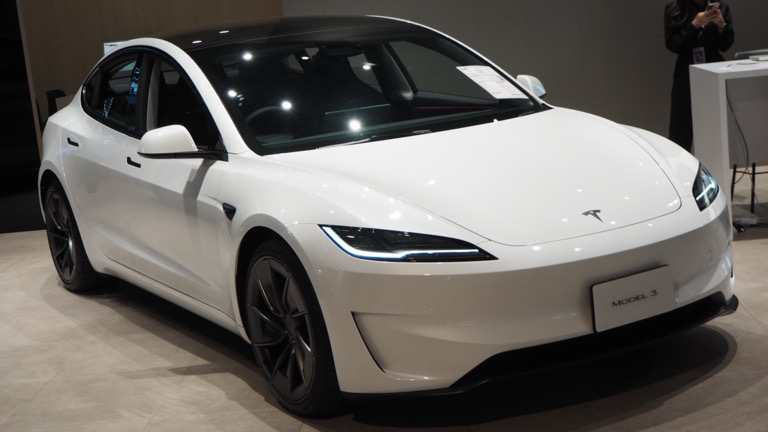
For the longest range in the Tesla lineup, the Tesla Model 3 Long Range RWD stretches to an impressive 750 km WLTP — comfortably the best figure across both models. However, it comes at a premium price of RM185,000.
For the dual-motor variants, the Tesla Model 3 Performance claims 571 km versus the BYD Seal Performance’s 520 km — making Tesla the range winner in the AWD segment.
ALSO READ: EV vs Petrol Running Cost Malaysia — Which Is Cheaper?
Charging Speed: Tesla’s Supercharger Advantage
Charging infrastructure can make or break the EV ownership experience, and this is where Tesla has a clear edge.
DC Fast Charging
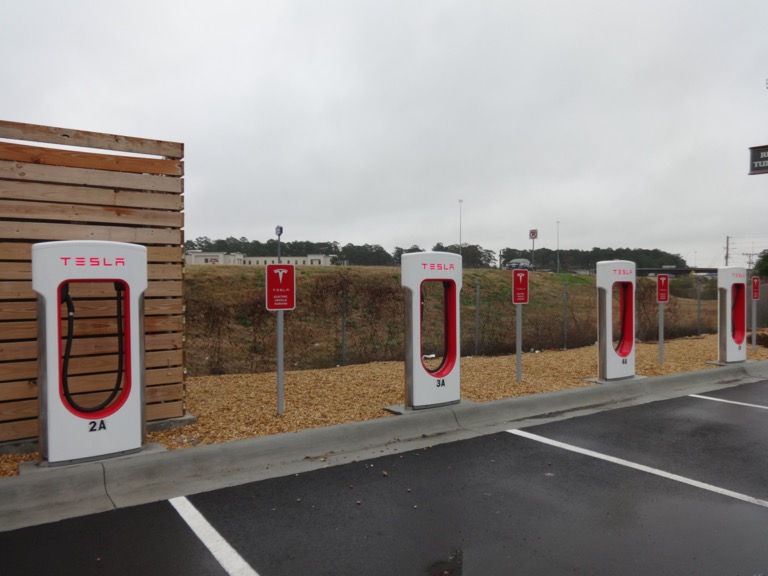
The Tesla Model 3 Performance supports DC fast charging at up to 250 kW, meaning you can add hundreds of kilometres of range in under 20 minutes at a Tesla Supercharger. The Standard, Premium, and Long Range RWD variants max out at 170 kW, which is still respectable.
The BYD Seal caps out at 150 kW DC charging across both variants, with BYD quoting a 30-80% charge time of approximately 32 minutes.
AC Home Charging
For home charging — which is how most Malaysian EV owners charge daily — the Tesla Model 3 supports 11 kW AC versus the BYD Seal’s 7 kW AC. That’s a meaningful difference for overnight charging convenience, especially if you’re coming home late.
Charging Network
Tesla owners get access to the Tesla Supercharger network, which is expanding rapidly across Malaysia with stations at key locations along the North-South Expressway and in major cities. BYD owners rely on third-party networks like ChargEV, DC Handal, and others — which are growing but still less seamless than Tesla’s integrated experience.
Looking to install a home charger? Check out our Complete Home EV Charging Guide Malaysia or browse our range of home chargers at evsifu.com.my.
ALSO READ: Best Home EV Charger Malaysia 2026
Performance & Driving Experience
Acceleration
If outright speed is your thing, the Tesla Model 3 Performance is the undisputed king here with a blistering 3.1-second 0-100 km/h time and a 261 km/h top speed. It’s one of the fastest sedans you can buy in Malaysia at any price.
The BYD Seal Performance is no slouch at 3.8 seconds to 100 km/h, but it can’t match Tesla’s straight-line brutality. Its top speed is electronically limited to 180 km/h.
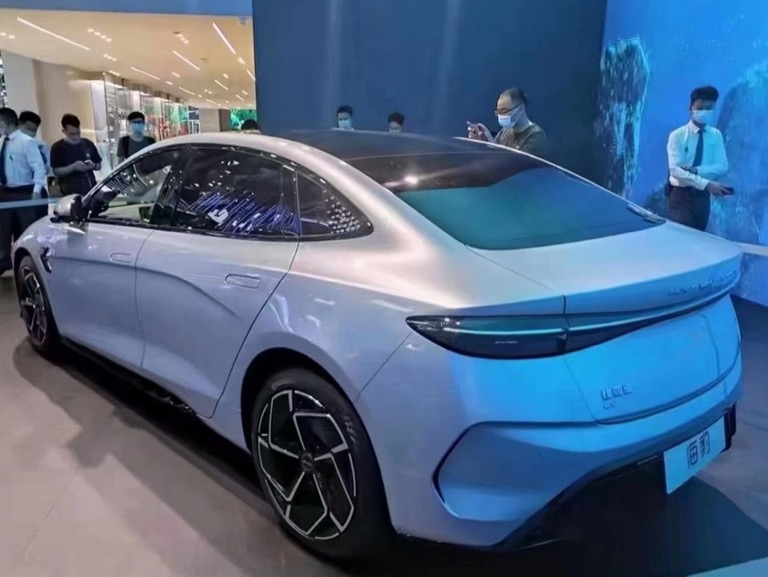
For the single-motor variants, the BYD Seal Premium actually edges out the Tesla Model 3 Premium in acceleration — 5.9 seconds versus 6.1 seconds — thanks to its higher power output of 313 PS versus 279 hp.
Handling & Ride Quality
On the road, the Tesla Model 3 is widely regarded as the sharper, more engaging car to drive. Its lighter weight and lower centre of gravity give it go-kart-like responsiveness. The steering is direct, and the chassis feels planted through corners.
The BYD Seal offers a more comfortable, cushioned ride — especially the Performance variant which gets BYD’s DiSus-C adaptive continuous damping control suspension system. The Premium variant uses frequency selective damping (FSD), which is still comfortable but less sophisticated.
Neither car is a bad choice here — it depends on whether you prioritise driving fun (Tesla) or cruising comfort (BYD).
ALSO READ: BYD Atto 3 vs Tesla Model Y Malaysia — Which SUV Wins?
Interior, Tech & Features
BYD Seal Interior
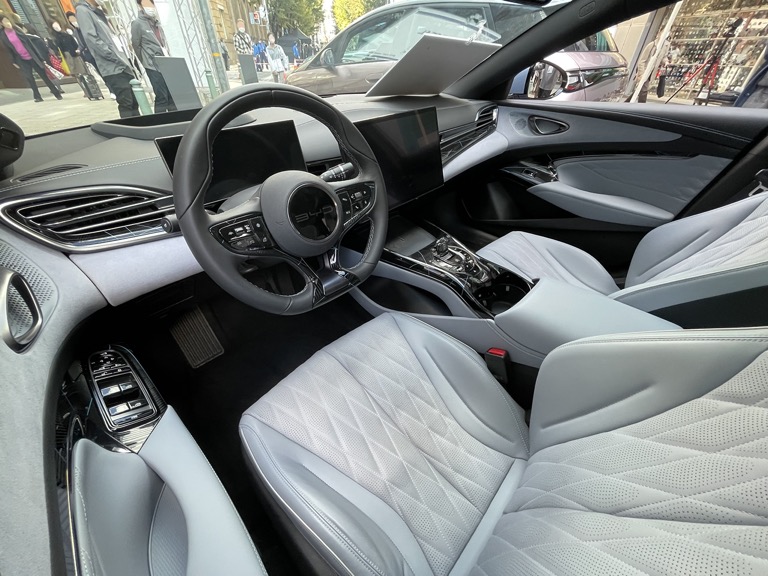
The BYD Seal’s cabin feels premium, with soft-touch materials and a rotating 15.6-inch touchscreen that can switch between portrait and landscape modes. Key highlights include:
- Wireless Android Auto and Apple CarPlay — a major advantage over Tesla
- 12-speaker Dynaudio sound system
- NFC phone key functionality
- Powered sunroof with powered blind
- Ventilated front seats
- Sunglasses compartment
- Vehicle-to-Load (V2L) capability
Tesla Model 3 Interior
The Tesla Model 3 Highland’s interior is minimalist but functional, centred around a 15.4-inch touchscreen and a new 8-inch rear passenger display. Key highlights:
- Tesla Autopilot with Auto Steer as standard
- 17-speaker audio with dual amplifiers and subwoofers (Long Range/Performance)
- Ambient lighting
- Powered trunk
- No Apple CarPlay or Android Auto — Tesla’s native apps only
- Over-the-air (OTA) software updates
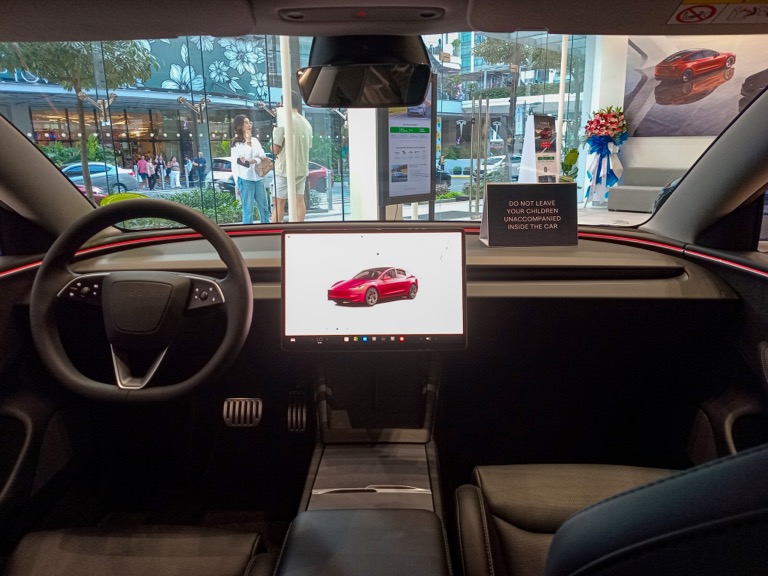
The Model 3 Standard loses several features to hit its price point: no FM radio, textile seats (no ventilation), manual steering wheel adjustment, passive suspension, and a 7-speaker system.
The Verdict on Features
The BYD Seal offers more standard equipment for the money, including Apple CarPlay/Android Auto, ventilated seats, and V2L. Tesla counters with Autopilot, arguably the best driver-assistance system in this price range, plus the seamless OTA update ecosystem that genuinely improves the car over time.
Safety
Both cars come with comprehensive safety packages:
BYD Seal Safety Features
- 11 airbags
- AEB with pedestrian detection
- Lane keep assist
- Adaptive cruise control
- Blind spot monitoring
- Rear cross-traffic alert
- 360-degree camera
Tesla Model 3 Safety Features
- 8 airbags
- 8-camera vision system
- Autopilot (Auto Steer + Traffic-Aware Cruise Control)
- Lane departure avoidance
- Automatic emergency braking
- Blind spot monitoring (camera-based)
- 5-star Euro NCAP rating
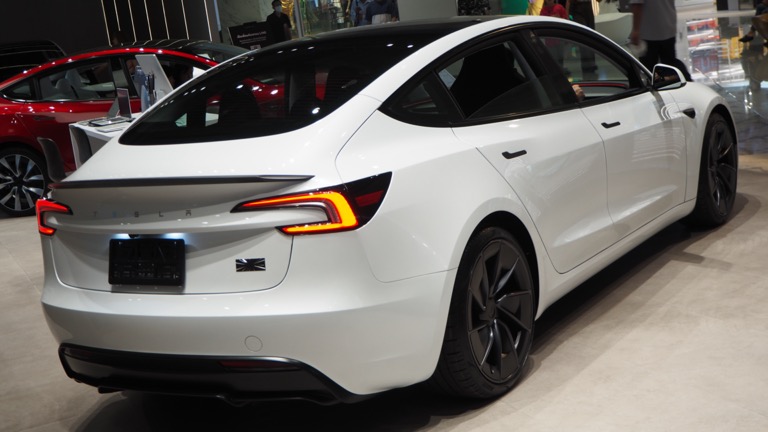
The BYD Seal has more airbags (11 vs 8), while Tesla’s camera-based system offers more advanced autonomous driving features as standard.
Running Costs & Ownership
Road Tax (Cukai Jalan)
As of 1 January 2026, Malaysia’s EV road tax exemption has ended. EVs are now subject to a new power-based road tax structure set by JPJ. Under the 2026 rates, annual road tax for electric vehicles typically ranges from RM40 to RM200 per year, depending on the motor’s power output (kW).
For context, the BYD Seal Premium at 230 kW and the Tesla Model 3 Premium at approximately 208 kW would both fall into the higher end of this range — but still far cheaper than equivalent petrol sedans.
ALSO READ: EV Road Tax Malaysia 2026 — Rates & Exemptions
Insurance
The Tesla Model 3 generally attracts slightly higher insurance premiums due to repair costs — Tesla parts can be expensive and sourcing sometimes takes longer. BYD’s local partnership with Sime Darby through Sime Motors provides a more established parts and service network.
Electricity Costs
At Malaysia’s domestic tariff of approximately RM0.218/kWh (first 200 kWh block), both cars cost roughly RM3-5 per 100 km to run — a fraction of what a comparable petrol sedan costs in fuel.
Warranty
| Coverage | BYD Seal | Tesla Model 3 |
|---|---|---|
| Vehicle Warranty | 6 years / 150,000 km | 4 years / 80,000 km |
| Battery Warranty | 8 years / 150,000 km | 8 years / 160,000 km |
BYD offers a more generous vehicle warranty, while Tesla’s battery warranty covers slightly more distance.
Which One Should You Buy?
Buy the BYD Seal if:
- You want Apple CarPlay/Android Auto
- You prioritise comfort over sporty handling
- You want the performance AWD variant without paying RM229K
- A longer vehicle warranty matters to you
- You value V2L capability for outdoor charging
- You prefer a bigger battery (82.5 kWh) for peace of mind
Buy the Tesla Model 3 if:
- You want the cheapest entry point (RM147,600 Standard)
- Supercharger access and fast 250 kW DC charging matter to you
- You want the sharpest driving experience
- Autopilot and advanced driver assistance are priorities
- You want a lighter, more efficient car
- OTA updates and Tesla’s ecosystem appeal to you
- You need the most boot space (594L vs 400L)
The Sweet Spot
For most Malaysian buyers, the BYD Seal Premium (RM171,800) and the Tesla Model 3 Premium RWD (RM169,000) represent the best value matchup. At just RM2,800 apart, it really comes down to whether you value BYD’s feature-rich cabin or Tesla’s driving dynamics and Supercharger network.
If budget is king, the Tesla Model 3 Standard at RM147,600 is impossible to ignore — even with its feature compromises, it’s a genuine Tesla with Autopilot for under RM150K.
For those who want the best range possible, the Tesla Model 3 Long Range RWD at RM185,000 delivers an outstanding 750 km WLTP — ideal for frequent long-distance drivers.
Ready to make the switch to electric? Whether you choose BYD or Tesla, you’ll need a reliable home charger. Browse our curated selection of home EV chargers at evsifu.com.my — we offer installation services across Malaysia for both landed homes and condos.
ALSO READ: EV Charger Installation Malaysia — Condo & Landed Guide
FAQ: BYD Seal vs Tesla Model 3 Malaysia
Which is cheaper, BYD Seal or Tesla Model 3 in Malaysia?
The Tesla Model 3 Standard RWD at RM147,600 is the cheapest variant across both models. However, when comparing fully-featured variants, the BYD Seal Premium (RM171,800) and Tesla Model 3 Premium RWD (RM169,000) are within RM3K of each other.
Which has better range, BYD Seal or Tesla Model 3?
The BYD Seal Premium offers the best single-charge range at 570 km (WLTP) among the RWD variants. The Tesla Model 3 Long Range RWD extends to approximately 750 km WLTP but costs RM185,000. Overall, both brands offer competitive range figures.
Does the BYD Seal have Apple CarPlay?
Yes. The BYD Seal supports both wireless Apple CarPlay and Android Auto, which is a significant advantage over the Tesla Model 3, which does not support either platform.
Is the Tesla Model 3 faster than the BYD Seal?
In the performance variants, yes — the Tesla Model 3 Performance does 0-100 km/h in 3.1 seconds versus the BYD Seal Performance’s 3.8 seconds. However, in single-motor form, the BYD Seal Premium (5.9s) is marginally quicker than the Tesla Model 3 Premium (6.1s).
Which EV has faster charging in Malaysia?
The Tesla Model 3 wins on charging speed. The Performance variant supports up to 250 kW DC fast charging, and Tesla owners have access to the Supercharger network. The BYD Seal maxes out at 150 kW DC.
What battery type does the BYD Seal use?
The BYD Seal uses an 82.5 kWh LFP (lithium iron phosphate) Blade battery — BYD’s proprietary technology known for excellent thermal stability and longevity, which is well-suited to Malaysia’s tropical climate.
Is the BYD Seal worth buying in Malaysia?
The BYD Seal offers excellent value with its large battery, generous features (including CarPlay), competitive pricing, and a strong 6-year warranty. It’s particularly compelling if you want an AWD performance sedan for under RM200K — something the Tesla Model 3 can’t match.
How much does it cost to charge a BYD Seal or Tesla Model 3 at home in Malaysia?
At domestic electricity rates (~RM0.218/kWh), a full charge costs approximately RM13-18 for the BYD Seal (82.5 kWh) and RM13-17 for the Tesla Model 3 (60-79 kWh depending on variant). This translates to roughly RM3-5 per 100 km — far cheaper than petrol.
ALSO READ: EV Charger Installation Malaysia — Condo & Landed
Looking for more EV comparisons, charging guides, and ownership tips? Visit evsifu.com for the latest Malaysian EV content, and head to evsifu.com.my to shop for home EV chargers with professional installation.