
The Hyundai Ioniq 5 remains one of the most compelling electric vehicles you can buy in Malaysia in 2026. Priced from RM207,808 to RM270,408, this retro-futuristic crossover combines 800V ultra-fast charging, genuine all-wheel-drive performance in its top variant, and a spacious cabin that rivals vehicles a class above. But with competitors like the BYD Atto 3 now available from just RM123,800 and the Tesla Model 3 starting at RM147,600 (source: paultan.org, Jan 2026), does the Ioniq 5 still justify its premium? We break down everything Malaysian buyers need to know.
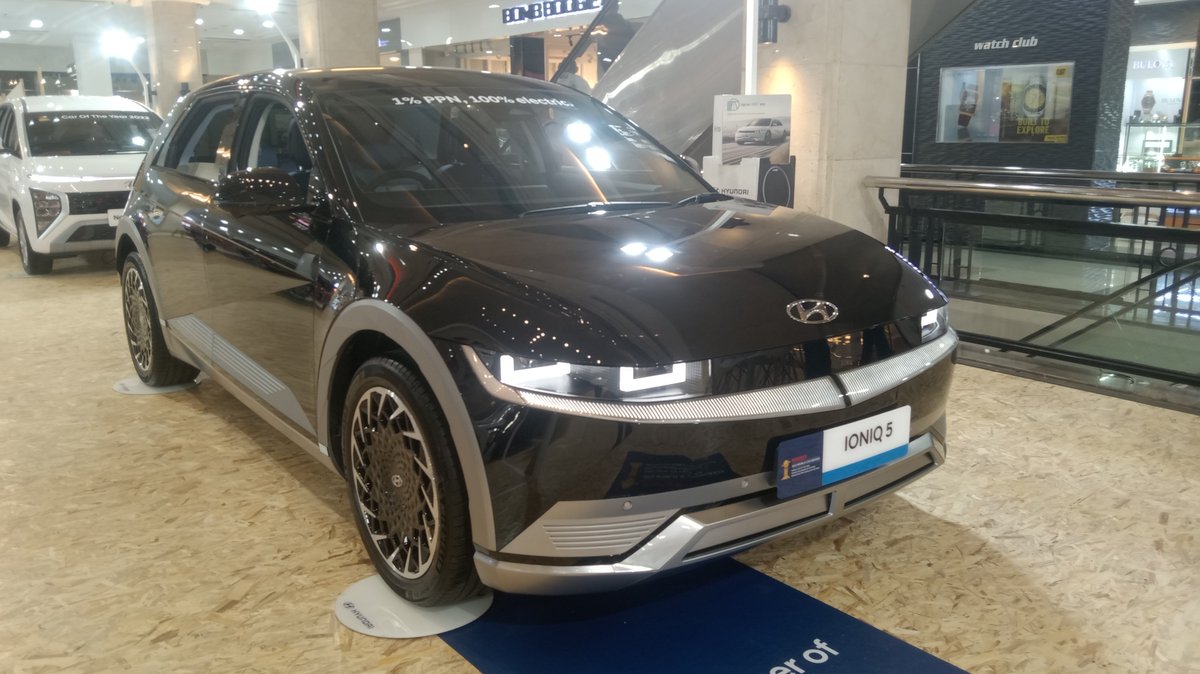
Hyundai Ioniq 5 Malaysia 2026 — Price & Variants
Hyundai Sime Motors Malaysia offers the Ioniq 5 in three variants, each targeting a different buyer profile:
| Variant | Battery | Drivetrain | Power | Price (OTR) |
|---|---|---|---|---|
| Ioniq 5 Lite | 58 kWh | RWD | 125 kW (170 PS) | RM207,808 |
| Ioniq 5 Plus | 58 kWh | RWD | 125 kW (170 PS) | RM238,408 |
| Ioniq 5 Max | 72.6 kWh | AWD | 225 kW (305 PS) | RM270,408 |
The Lite and Plus share the same 58 kWh battery and single rear motor (RWD) — the Plus adds premium features like upgraded interior trim, additional comfort options, and enhanced tech. Only the Max gets the dual-motor AWD powertrain with the larger 72.6 kWh battery.
All prices include the current EV incentive structure. Note that since 1 January 2026, EVs in Malaysia are no longer exempt from road tax (cukai jalan), though the new kW-based structure keeps costs reasonable — more on that below.
ALSO READ: Cheapest EVs in Malaysia 2026 — Complete Buyer’s Guide
Design & Exterior — Retro-Futuristic Done Right
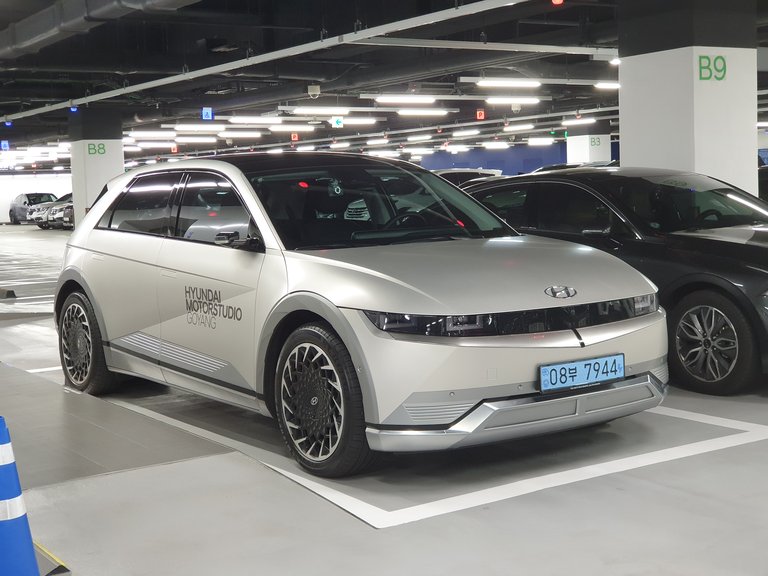
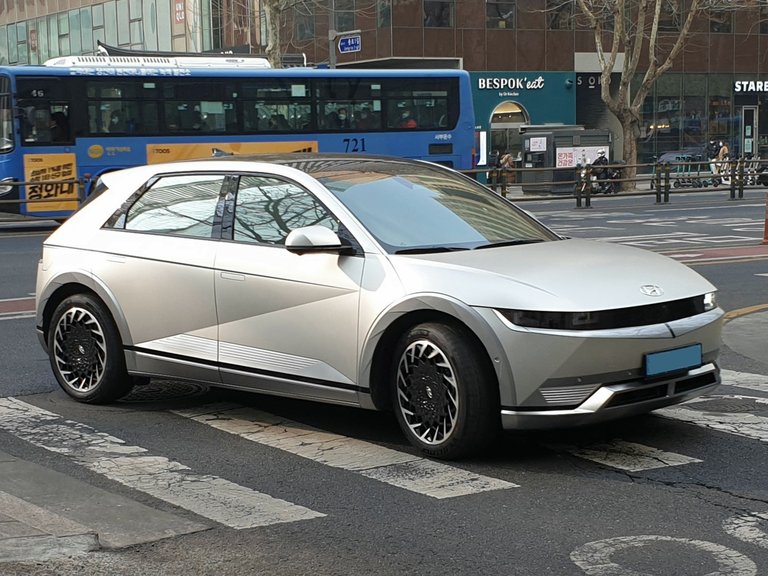
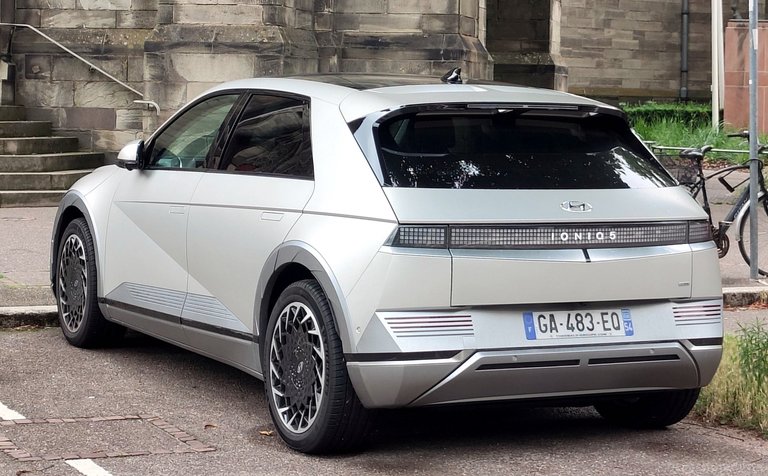
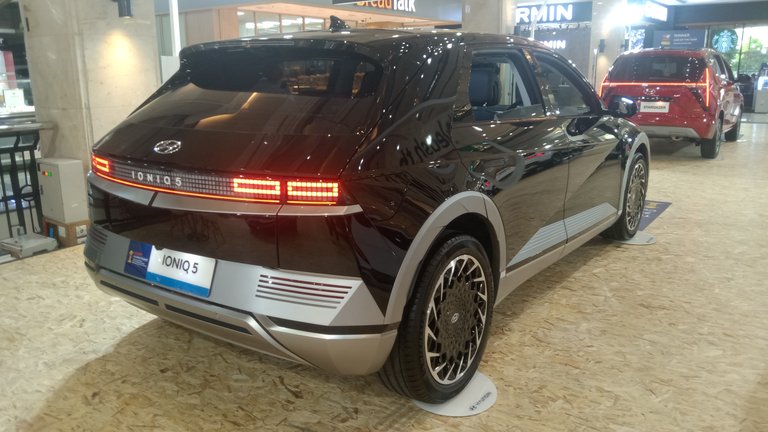
The Ioniq 5’s design is instantly recognisable. Inspired by Hyundai’s 1974 Pony Coupe Concept, it blends sharp pixel-inspired LED headlights with clean, flat surfaces that give it a look unlike anything else on Malaysian roads.
Key dimensions:
- Length: 4,635 mm
- Width: 1,890 mm
- Height: 1,605 mm
- Wheelbase: 3,000 mm
- Ground clearance: 160 mm
That 3,000 mm wheelbase is a standout figure — longer than many D-segment sedans — and it translates directly into exceptional interior space. The Ioniq 5 sits in the crossover sweet spot: tall enough for Malaysian speed bumps and floods, but not so large that it’s difficult to park in KL’s tight basement car parks.
Interior & Cabin — The Space Champion
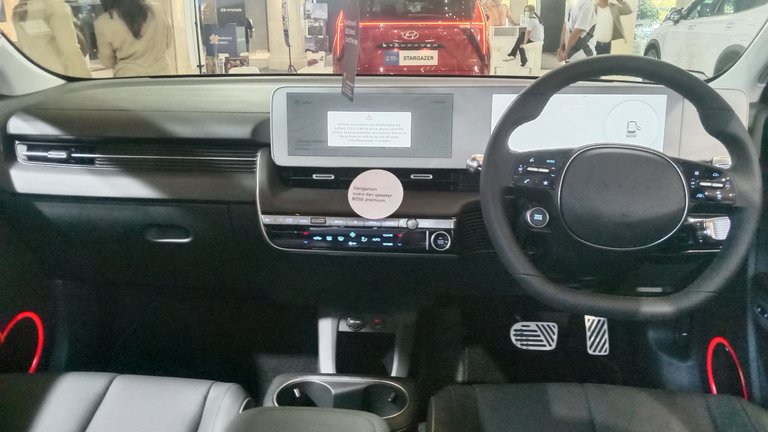
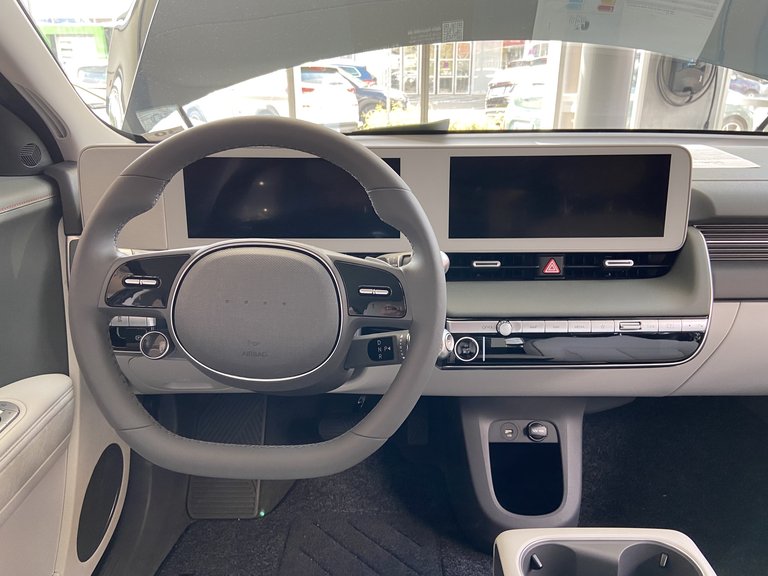
Step inside the Ioniq 5 and the first thing that strikes you is the sheer amount of space. The flat EV floor, combined with that enormous wheelbase, creates a living-room feel that’s hard to match at this price point.
Key Interior Highlights
- 12.3-inch dual screens — infotainment and digital instrument cluster sit side by side
- Universal Island console — slides 140 mm fore and aft, doubling as an armrest or extra legroom
- Eco-processed leather — made with flaxseed oil; sustainable textile options throughout
- Dual-zone automatic climate control on all variants
- Wireless phone charging and 5 USB ports
- Apple CarPlay & Android Auto (wired and wireless)
- Boot space: 527 litres expanding to 1,587 litres with rear seats folded
- Optional Bose premium audio (6-7 speakers depending on variant)
The rear seats recline and the flat floor means three adults can sit comfortably across the back bench — something your passengers will thank you for on road trips to Penang or Cameron Highlands.
ALSO READ: EV vs Petrol Running Cost Malaysia — Complete Comparison
Performance & Driving Experience
Ioniq 5 Lite & Plus (RWD)
Both the Lite and Plus use a single 125 kW (170 PS) rear motor producing 350 Nm of torque. The 0-100 km/h sprint takes 8.5 seconds — adequate for daily driving and highway merging, though you won’t be winning any traffic-light races. Top speed is 185 km/h.
For most Malaysian buyers doing the daily commute from Petaling Jaya to KL city centre, this powertrain is perfectly sufficient. RWD also means slightly better efficiency compared to the heavier AWD Max.
The Plus differentiates itself from the Lite not in powertrain, but in comfort and tech features — think upgraded interior materials, additional driver-convenience features, and enhanced infotainment options.
Ioniq 5 Max (AWD)
Step up to the Max and you get dual motors producing a combined 225 kW (305 PS) and 605 Nm of torque. The 0-100 km/h time drops to a rapid 5.2 seconds — properly quick by any standard. AWD also means better traction during Malaysia’s torrential downpours.
The ride quality across all variants is composed and comfortable. The Ioniq 5 handles Malaysian road surfaces well, with the suspension soaking up most bumps without feeling floaty at highway speeds.
Range & Real-World Efficiency
Range is always a hot topic for Malaysian EV buyers, especially those who do long-distance drives to Johor Bahru or up to Langkawi.
| Variant | Battery | Drivetrain | WLTP Range | Real-World Estimate* |
|---|---|---|---|---|
| Lite (RWD) | 58 kWh | RWD | 384 km | ~320-350 km |
| Plus (RWD) | 58 kWh | RWD | 384 km | ~320-350 km |
| Max (AWD) | 72.6 kWh | AWD | 430 km | ~360-400 km |
*Real-world estimates based on mixed Malaysian driving (city + highway, air-con on, average 80-100 km/h)
Malaysian owners report energy consumption figures of approximately 14.3-15.5 kWh per 100 km under normal driving conditions, which is competitive for a vehicle of this size. With air-conditioning running constantly (as it will in our climate), expect to sit closer to the lower end of the real-world range estimates.
The Max variant with its 72.6 kWh battery is the pick for anyone who regularly drives between KL and Penang (~350 km) without wanting to stop for a charge.
ALSO READ: Complete Home EV Charging Guide Malaysia
Charging Speed — The Ioniq 5’s Secret Weapon
This is where the Ioniq 5 truly shines. Thanks to its 800V electrical architecture (a feature shared with the Porsche Taycan and Kia EV6), it supports blistering DC fast-charging speeds.
Charging Times by Method
| Charging Method | Power | Time (10-80%) |
|---|---|---|
| DC Ultra-Fast | 350 kW | ~18 minutes |
| DC Fast | 50 kW | ~47 minutes |
| Home AC (3-phase) | 11 kW | ~5-6 hours |
| Home AC (single-phase) | 7 kW | ~7.5-9 hours |
Just 5 minutes of DC fast charging adds approximately 100 km of WLTP-rated range — enough to get you from a Petronas station pitstop back on the highway with plenty of buffer.
The 800V architecture also means the Ioniq 5 supports both 400V and 800V charging infrastructure. In Malaysia, most DC fast chargers currently operate at 400V, so the car’s built-in voltage booster ensures compatibility across the entire charging network.
Charging Costs in Malaysia
Assuming TNB’s domestic tariff of approximately RM0.57/kWh for off-peak home charging:
- Lite/Plus (58 kWh, 10-80%): ~RM23 for ~270 km of range
- Max (72.6 kWh, 10-80%): ~RM29 for ~300 km of range
That works out to roughly RM6-8 per 100 km — a fraction of what a comparable petrol SUV would cost.
Looking to install a home charger? Check out our guide on the Best Home EV Chargers in Malaysia.
V2L — Vehicle-to-Load: Power Your Campsite
One of the Ioniq 5’s party tricks is Vehicle-to-Load (V2L) technology. This feature lets you draw up to 3.6 kW of power from the car’s battery to run external appliances — essentially turning your Ioniq 5 into a massive portable power bank.
V2L ports are available in two locations:
- Inside — under the rear seat bench
- Outside — at the external charging port (with adapter)
You can power laptops, electric grills, camping lights, portable fans, and even a small air-conditioning unit. For Malaysian families who enjoy weekend camping at Janda Baik or Fraser’s Hill, this is a genuinely useful feature that no petrol car can match.
Safety & ADAS — SmartSense Suite
The Ioniq 5 comes loaded with Hyundai SmartSense, a comprehensive suite of Advanced Driver Assistance Systems (ADAS):
- 7 airbags across all variants
- Forward Collision-Avoidance Assist (car, pedestrian, cyclist detection)
- Blind-Spot Collision-Avoidance Assist
- Rear Cross-Traffic Collision-Avoidance Assist
- Lane Keeping Assist & Lane Following Assist
- Smart Cruise Control with Stop & Go
- Driver Attention Warning
- Rear Occupant Alert
- Safe Exit Warning
This is a comprehensive safety package that covers all the bases — a clear advantage over some competitors that reserve higher-tier ADAS features for top variants only.
Ownership Costs — Road Tax, Insurance & Maintenance
Road Tax (Cukai Jalan) 2026
Under Malaysia’s new kW-based EV road tax structure (effective 1 January 2026):
| Variant | Motor Output | Estimated Annual Road Tax |
|---|---|---|
| Lite / Plus | 125 kW | ~RM280 |
| Max | 225 kW | ~RM380 |
These rates are significantly cheaper than what an equivalent petrol SUV would pay. For comparison, a 2.0-litre petrol SUV typically costs RM380-RM800+ in annual road tax.
Insurance
EV insurance premiums in Malaysia are generally 10-20% higher than comparable petrol vehicles due to higher repair costs for battery and electrical components. For the Ioniq 5, expect annual comprehensive insurance in the range of RM3,500-RM5,500 depending on your NCD (No Claim Discount), variant, and insurer.
Maintenance
With no engine oil, spark plugs, or transmission fluid to worry about, EV maintenance costs are substantially lower. The Ioniq 5’s scheduled maintenance primarily involves:
- Brake fluid replacement
- Cabin air filter
- Tyre rotation and replacement
- Battery health checks
Annual maintenance costs are estimated at RM500-RM800 — roughly 40-50% less than a comparable petrol vehicle.
ALSO READ: EV Road Tax Malaysia 2026 — Rates & Exemptions
Hyundai Ioniq 5 vs Competitors — How Does It Stack Up?
Here’s how the Ioniq 5 Max (the AWD variant) compares against its two closest competitors in the Malaysian market:
| Feature | Hyundai Ioniq 5 Max | BYD Atto 3 Extended | Tesla Model 3 Long Range |
|---|---|---|---|
| Price | RM270,408 | RM167,800 | RM218,000 |
| Battery | 72.6 kWh | 60.48 kWh | 75 kWh |
| Range (WLTP) | 430 km | 420 km | 629 km |
| Power | 225 kW (305 PS) | 150 kW (201 PS) | 340 kW (460 PS) |
| 0-100 km/h | 5.2s | 7.3s | 4.4s |
| DC Fast Charge | 350 kW (18 min) | 80 kW (~45 min) | 250 kW (~25 min) |
| V2L | Yes (3.6 kW) | No | No |
| Drivetrain | AWD | FWD | AWD |
| Body Type | Crossover/SUV | Crossover/SUV | Sedan |
The Verdict on Competitors
vs BYD Atto 3: The Atto 3 is roughly RM100,000 cheaper and offers decent range, making it the value champion. But the Ioniq 5 Max crushes it in charging speed (18 min vs 45 min), has AWD, V2L, and a significantly more spacious cabin. Even the base Ioniq 5 Lite offers faster charging and more space. If budget allows, the Ioniq 5 is the better car.
vs Tesla Model 3: The Model 3 offers superior range and raw performance, plus access to Tesla’s Supercharger network. However, it’s a sedan (less practical), lacks V2L, and Tesla’s after-sales service in Malaysia remains a concern for some buyers. The Ioniq 5 wins on practicality and versatility.
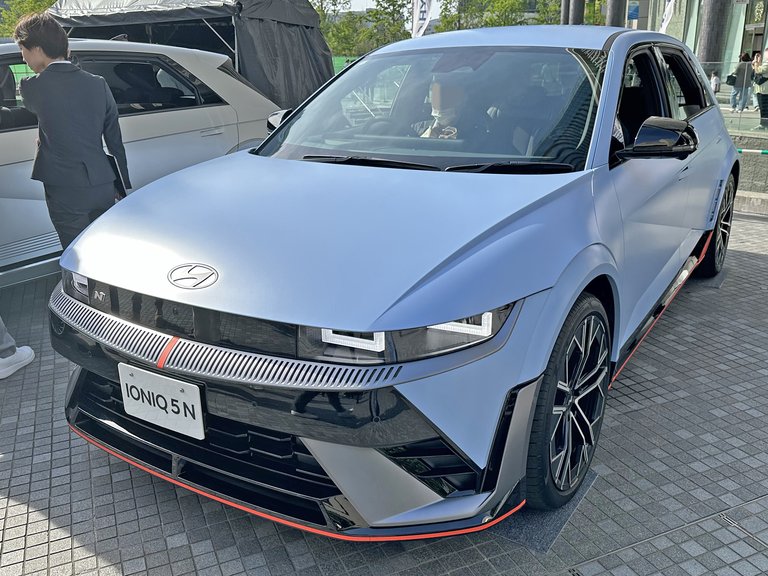
Ioniq 5 N — Coming to Malaysia Q2 2026
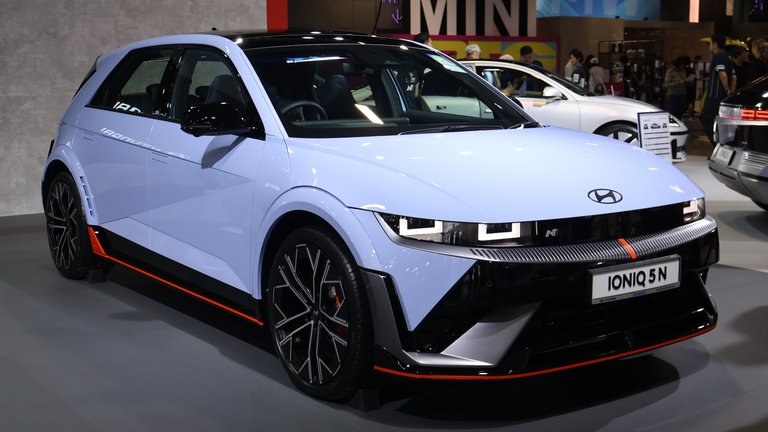
Exciting news for performance enthusiasts: Hyundai Motor Malaysia has confirmed that the Ioniq 5 N will arrive in Malaysia in Q2 2026 (April-June). The Ioniq 5 N is a full-blown performance EV featuring:
- 478 kW (650 PS) with N Grin Boost
- 0-100 km/h in 3.4 seconds
- 84 kWh battery with 448 km WLTP range
- N e-shift — simulated gear changes for a more engaging drive
- N Active Sound+ — synthesised engine sounds
- N Drift Optimizer and track-focused driving modes
Malaysian pricing hasn’t been confirmed, but expect it to sit well above the current Max variant. If you want the ultimate Ioniq 5 experience, it may be worth waiting.
Pros & Cons — Our Honest Take
Pros
- Ultra-fast 800V charging — 18 minutes 10-80% is class-leading
- Exceptional interior space — 3,000 mm wheelbase creates genuine room for 5
- V2L technology — uniquely practical; no competitor at this price offers it
- Strong AWD performance in Max — 5.2s 0-100 with dual motors
- Comprehensive ADAS — 7 airbags and full SmartSense suite across all variants
- Head-turning design — love it or hate it, it gets noticed
- Low running costs — cheap road tax, minimal maintenance
Cons
- Price premium — significantly more expensive than Atto 3 and base Model 3
- Real-world range — 58 kWh variants (Lite/Plus) may not comfortably do KL-Penang one-charge
- No frunk — unlike Tesla, there’s no front trunk storage
- Infotainment lag — some owners report occasional sluggishness in the touchscreen
- Hyundai Malaysia service network — fewer service centres compared to Japanese brands
- No AWD on mid-range — only the top Max variant gets dual motors and AWD
Who Should Buy the Hyundai Ioniq 5?
The Ioniq 5 is ideal for:
- Families who need space and practicality — the flat floor and sliding console make it perfect for car seats and kids
- Frequent travellers who value fast charging — that 18-minute charge time means less waiting at rest stops
- Tech enthusiasts who want V2L and cutting-edge features
- Buyers upgrading from a petrol SUV who want a premium feel without going full luxury price
- Performance seekers — the Max AWD variant delivers 5.2s 0-100 km/h with confident all-weather traction
It’s not the best choice if:
- You’re on a tight budget (consider the BYD Atto 3 instead)
- You prioritise maximum range above all else (consider the Tesla Model 3 Long Range)
- You need a large 7-seater (wait for the Hyundai Ioniq 7 or consider the Tesla Model Y)
Ready to make the switch to electric? Browse home EV chargers and accessories at evsifu.com.my — everything you need to charge smarter at home.
Frequently Asked Questions (FAQ)
What is the price of the Hyundai Ioniq 5 in Malaysia?
The Hyundai Ioniq 5 starts at RM207,808 for the Lite variant and goes up to RM270,408 for the fully-loaded Max AWD variant. The mid-range Plus is priced at RM238,408 and shares the same RWD powertrain as the Lite but with upgraded features.
How far can the Hyundai Ioniq 5 go on a full charge in Malaysia?
The WLTP-rated range is 384 km for the 58 kWh variants (Lite and Plus, both RWD) and 430 km for the 72.6 kWh Max AWD. In real-world Malaysian conditions with air-con running, expect approximately 300-400 km depending on variant and driving style.
How fast can the Hyundai Ioniq 5 charge?
The Ioniq 5 supports 800V DC fast charging, achieving 10-80% in just 18 minutes on a 350 kW charger. Even on a more common 50 kW DC charger, it takes about 47 minutes. Home charging on an 11 kW AC charger takes 5-6 hours.
What is V2L on the Hyundai Ioniq 5?
V2L (Vehicle-to-Load) lets you use the Ioniq 5’s battery to power external devices via a standard plug, supplying up to 3.6 kW. You can run laptops, camping equipment, small appliances, and even charge another EV. Ports are located under the rear seats and at the external charging port.
How much is the road tax for Hyundai Ioniq 5 in Malaysia?
Under Malaysia’s 2026 kW-based EV road tax structure, the Ioniq 5 Lite and Plus (both 125 kW RWD) pay approximately RM280/year, while the Max AWD variant (225 kW) pays approximately RM380/year.
Is the Hyundai Ioniq 5 worth it compared to the BYD Atto 3?
The Ioniq 5 costs about RM40,000-RM100,000 more than the Atto 3 depending on variant. You get significantly faster charging (18 min vs 45 min), an AWD option in the Max, V2L capability, a larger cabin, and more comprehensive ADAS. If your budget allows, the Ioniq 5 offers a meaningfully better ownership experience. For budget-conscious buyers, the Atto 3 remains excellent value.
When is the Hyundai Ioniq 5 N coming to Malaysia?
Hyundai Motor Malaysia has confirmed the Ioniq 5 N will launch in Malaysia in Q2 2026 (between April and June). It will feature 478 kW (650 PS) and a 0-100 km/h time of 3.4 seconds.
How much does it cost to charge the Hyundai Ioniq 5 at home?
Charging the 58 kWh variant from 10-80% at home costs approximately RM23 at TNB’s domestic tariff (~RM0.57/kWh). The 72.6 kWh Max costs about RM29 for the same charge. This works out to roughly RM6-8 per 100 km — far cheaper than petrol.
Does the Hyundai Ioniq 5 come with a warranty in Malaysia?
Yes. Hyundai Sime Motors Malaysia offers a standard 2-year/50,000 km vehicle warranty, with an optional paid extension to 5 years/100,000 km (costs approximately RM10,000 and includes 3-year/50,000 km service maintenance). The 8-year/160,000 km battery warranty is standard across all variants.
Final Verdict
The Hyundai Ioniq 5 earns its place as one of the best EVs you can buy in Malaysia in 2026. Its combination of 800V ultra-fast charging, spacious interior, V2L capability, and strong Max AWD performance creates a package that no single competitor can fully match.
Yes, it’s more expensive than the BYD Atto 3, and it can’t match the Tesla Model 3’s raw range. But for Malaysian families and professionals who want a practical, fast-charging, feature-rich electric crossover — the Ioniq 5 delivers on every front.
Our pick? The Ioniq 5 Plus at RM238,408 offers the best balance of features and value — you get the full SmartSense safety suite, upgraded interior, and all the tech goodies, while the 125 kW RWD powertrain and 58 kWh battery are sufficient for most daily use cases. If you want AWD performance and longer range for road trips, stretch to the Max at RM270,408 for dual motors, the larger battery, and extra peace of mind.
Start your EV journey today. Visit evsifu.com.my to find the right home charger for your Ioniq 5 — and check out our EV Charger Installation Guide for Malaysian Homes to get set up right.
Article last updated: April 2026. Prices and specifications verified against zigwheels.my, paultan.org, and wapcar.my. Always verify with your nearest Hyundai Sime Motors dealership for the latest pricing and availability.