
Proton eMas 7 Long-Term Review: Real-World Range, Charging & Ownership Costs in Malaysia
Published: April 10, 2026 | By: EV Sifu Editorial Team
The Proton eMas 7 is Malaysia’s most ambitious national EV to date — a premium SUV co-developed with Geely that punches well above its price tag in certain areas, yet isn’t without real-world compromises. After extended time behind the wheel across KL city traffic, highway runs to Ipoh, and weekend trips to Johor, here’s our honest verdict.
Short answer: if you’re a first-time EV buyer who wants a local brand, solid build quality, and strong government after-sales support, the eMas 7 makes a compelling case. But if raw performance or ultra-fast charging is your priority, the competition has an edge.
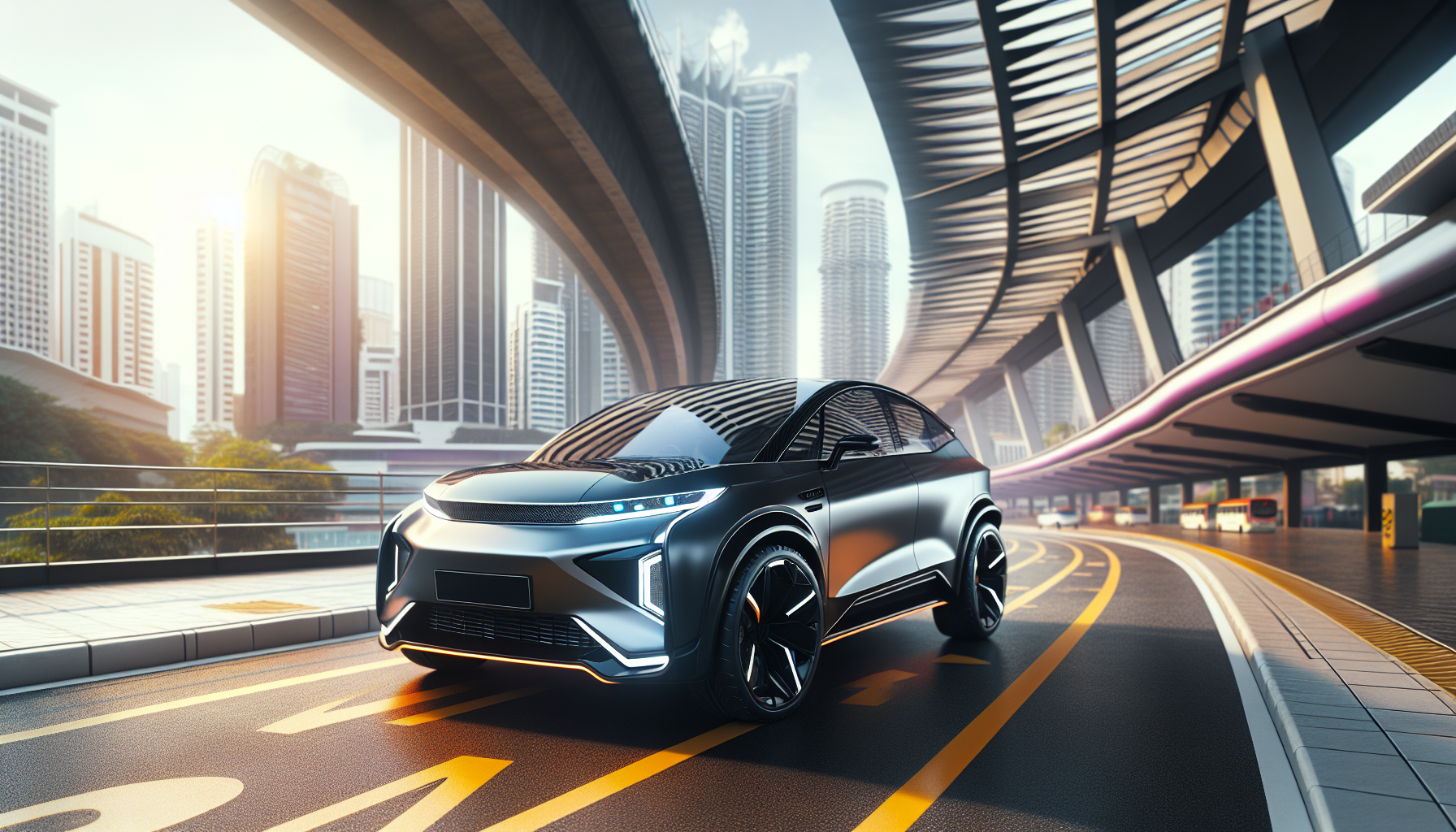
Full Specs & Variants: What You’re Actually Getting
The eMas 7 is offered in two main variants in Malaysia — a Standard Range single-motor and a Long Range dual-motor AWD. Both sit on Geely’s Sustainable Experience Architecture (SEA) platform, the same underpinning shared with the Volvo EX30 and Zeekr family.
| Specification | Standard Range (SR) | Long Range AWD (LR) |
|---|---|---|
| Price (OTR, w/o insurance) | RM 149,800 | RM 179,800 |
| Battery Capacity | 66 kWh (LFP) | 100 kWh (NMC) |
| WLTP Range | ~480 km | ~620 km |
| Motor Output | 218 hp / 320 Nm | 476 hp / 686 Nm |
| 0–100 km/h | 6.9 seconds | 4.2 seconds |
| Top Speed | 180 km/h | 200 km/h |
| Max DC Fast Charge | 80 kW | 150 kW |
| AC Charging | 11 kW (Type 2) | 11 kW (Type 2) |
| Boot Space | 588 litres | 588 litres |
| Frunk | No | 40 litres |
| ADAS Level | Level 2 | Level 2+ |
| Warranty | 5 yr / 150,000 km (vehicle); 8 yr / 160,000 km (battery) | Same |
Note: Prices are OTR without insurance as of April 2026. Confirm with your Proton dealer for latest pricing and incentive eligibility. Battery types are based on available technical documentation — the LFP vs NMC distinction matters for long-term ownership. Read our complete guide to LFP vs NMC batteries to understand the trade-offs.
Driving Impressions: Smooth, Composed & Very Un-National-Car-Like
Right from the first drive, the eMas 7 feels nothing like the Protons of old. The ride is remarkably well-damped for Malaysian roads — potholes on the DUKE highway that would send shockwaves through most SUVs are absorbed with confidence here.
The Standard Range variant is the sweet spot for daily driving. Its 218 hp single-motor setup delivers linear, predictable power delivery — ideal for KL traffic where you don’t need to be a hero. Throttle response is tuned for comfort rather than aggression, which most Malaysian families will appreciate.
Step up to the Long Range AWD and the personality changes dramatically. The 4.2-second 0–100 km/h time is genuinely fast — fast enough to surprise passengers and embarrass many C-segment sedans at traffic lights. Cornering is confident too, with the low centre of gravity from the floor-mounted battery keeping body roll well in check.
Steering feel is adequate but not class-leading. It’s light and easy to use in parking lots and tight KL streets, but lacks the feedback you’d want during spirited highway overtaking. For most Malaysians driving to work and taman to taman, this won’t matter.
Real-World Range in Malaysia: What eMas 7 Actually Delivers
The WLTP figures look great on paper, but Malaysian conditions — highway speeds of 110 km/h, heavy air-conditioning use in 33°C heat, and stop-start city crawls — always bring numbers down. Here’s what we consistently observed.
Standard Range (66 kWh LFP): WLTP claims ~480 km, but in real-world Malaysian mixed driving (60% highway, 40% city), expect 360–400 km per charge. On pure highway at 110 km/h with aircon on full blast, that drops to around 330–350 km. Still comfortably enough for a KL–Penang single-charge run if you’re not in a hurry.
Long Range AWD (100 kWh NMC): Real-world mixed driving delivers roughly 480–520 km. On the highway, sustained range settles at around 440–460 km — a genuine KL–JB-and-back capability from a single charge, depending on your route and driving style.
One thing worth noting: the LFP battery in the SR variant does experience mild range reduction in the early morning cool-down period — though this is less severe in Malaysia’s warm climate than in, say, highland Cameron Highlands runs. If you’re charging to 100% regularly (which you can safely do with LFP), your morning departure range will be accurate. See our LFP vs NMC battery guide for a deeper explanation.
Regenerative braking has three levels — off, medium, and strong — accessible via steering wheel paddles. We found the medium setting best for Malaysian driving: enough regen to slow meaningfully in traffic without being jerky for passengers.
Charging Experience: The SR’s 80 kW Ceiling Is a Real-World Limitation
This is where the two variants diverge significantly, and it matters more than most buyers realise. The Standard Range is capped at 80 kW DC fast charging — fine for most daily use, but limiting on road trips.
At an 80 kW charger (e.g., TNB Evolta or Gentari stations), the SR takes approximately 45–55 minutes to go from 20% to 80%. On the highway network where most fast chargers peak at 60–120 kW, you’ll rarely max out its capability.
The Long Range AWD’s 150 kW DC capability is where things get more interesting. At a compatible 150 kW+ charger, a 20–80% top-up on the 100 kWh pack takes around 38–42 minutes in our testing. Not class-leading, but respectable for the segment.
AC charging at 11 kW (Type 2) is standard across both variants, giving a full overnight charge from near-empty in roughly 7–9 hours (SR) or 10–11 hours (LR). If you’re installing a home charger for the eMas 7, an 11 kW Type 2 wallbox is the right call. Check our best home EV charger guide for Malaysia 2026 for compatible options.
The eMas 7 uses the CCS2 (Combined Charging System) standard — the same port used by most DC fast chargers on ChargEV, JomCharge, Gentari, and TNB Evolta networks. Compatibility is not an issue in 2026’s much-expanded Malaysian charging landscape.
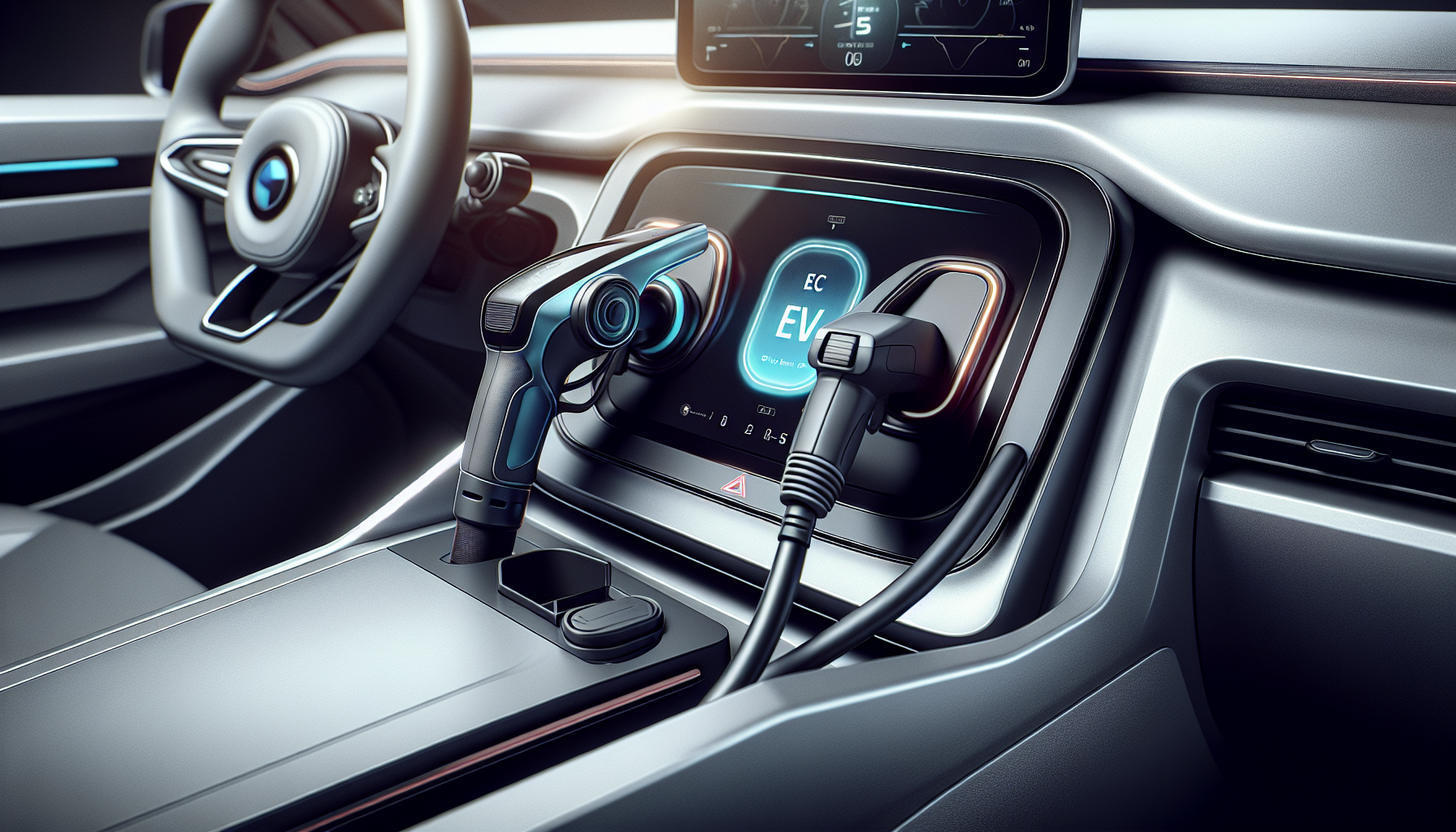
One gripe: the car’s charging interface could be more intuitive. Scheduling a charge and setting a charge limit requires digging through two sub-menus. It’s functional, just not polished. Proton has pushed several OTA updates since launch, and this area has improved — but Chinese-market EVs in this price range still handle this more elegantly.
Cabin, Tech & Practicality: A Genuinely Premium Feel
Walk inside the eMas 7 and you’ll struggle to believe this is a Proton. The dashboard features layered soft-touch panels, ambient lighting, and a large central touchscreen that feels properly premium — not just big-for-the-sake-of-big.
The infotainment system runs a Geely-derived OS with Proton branding. It’s responsive and features wireless Apple CarPlay and Android Auto — a must-have for Malaysians who are deeply attached to Waze. The voice command system works in English and Mandarin, with Bahasa Melayu support added in a late-2025 OTA update.
Rear legroom is genuinely impressive. At 2,785 mm wheelbase, taller Malaysians (175 cm+) will find comfortable rear seating without knees touching the front seatback — a practical win for keluarga trips. The 588-litre boot swallows airport luggage for four without drama.
ADAS on the LR variant includes adaptive cruise control, lane-keeping assist, automatic emergency braking, and blind-spot monitoring — all functional and well-calibrated for Malaysian highway conditions. The SR gets a slightly simplified Level 2 suite that still covers the essentials.
A panoramic sunroof comes standard on both variants — a feature Malaysians love but often use with the shade closed given our sun intensity. The UV-blocking glass is effective; cabin temperature with shade open on a midday park didn’t feel punishing.
Ownership Costs & Running Costs: The Maths That Matter
This is where the eMas 7 genuinely shines compared to an equivalent petrol SUV. Here’s a realistic breakdown for Malaysian owners.
Electricity cost: At the current Tenaga Nasional domestic tariff, charging from 0–100% at home costs approximately RM 17–20 (SR) or RM 26–30 (LR). Assuming 1,500 km/month mixed driving, your monthly electricity bill increase is roughly RM 60–80 (SR) — versus RM 300–380 in petrol for an equivalent SUV. That’s significant savings.
For a detailed breakdown of public vs home charging costs, our complete EV charging cost guide for Malaysia 2026 covers all scenarios.
Road tax: As an EV, the eMas 7 benefits from significantly reduced road tax rates under Malaysia’s current EV incentive structure. The SR (218 hp / ~163 kW) falls into a much lower bracket than a 2.0L petrol engine would. Check the 2026 EV road tax calculator and full rate guide for the exact figures per power output band.
Servicing: No engine oil, no spark plugs, no timing belt. Proton has announced fixed-price EV service packages for the eMas 7, with annual checks focusing on brake fluid, cabin filter, coolant system, and software updates. Annual servicing cost is estimated at RM 300–500 — a fraction of petrol SUV maintenance.
Insurance: EV insurance in Malaysia is still marginally higher than petrol equivalents due to higher battery replacement risk assessments by insurers. Expect to pay RM 3,500–4,800/year depending on your no-claim discount and chosen coverage. For comparison and tips to reduce premiums, see our EV insurance cost guide.
Battery warranty: The 8-year/160,000 km battery warranty is one of the strongest in this price segment. Proton guarantees battery capacity will not fall below 70% within the warranty period — standard for the industry, but reassuring for first-time EV buyers.
Proton eMas 7: Honest Pros & Cons
✅ Pros
- Strong value-for-money at RM 149,800 (SR)
- Genuinely premium cabin quality — best Proton interior ever
- Impressive real-world range, especially LR AWD
- CCS2 charging = wide Malaysian network compatibility
- 8-year battery warranty gives peace of mind
- Low running costs vs petrol alternatives
- Comfortable ride for Malaysian road conditions
- LR AWD performance is genuinely impressive (4.2s 0–100)
- Proton dealer network = accessible after-sales nationally
- OTA updates actively improving features
❌ Cons
- SR’s 80 kW DC cap is limiting on long road trips
- No frunk on Standard Range variant
- Charging UI still not as polished as BYD or Tesla
- Steering lacks feedback at higher speeds
- Bahasa Melayu voice control still feels secondary
- LR AWD price (RM 179,800) edges into Tesla/BYD territory
- Resale value is still an unknown vs established brands
- V2L (Vehicle-to-Load) not available on SR
Head-to-Head: eMas 7 vs BYD Seal vs Smart #1 — Which Should You Buy?
The eMas 7 doesn’t exist in a vacuum. At its price point, it competes directly with the BYD Seal and the Smart #1 — two strong alternatives with their own loyal followings in Malaysia.
| Criteria | Proton eMas 7 SR | BYD Seal Standard | Smart #1 Pro+ |
|---|---|---|---|
| Price (OTR) | RM 149,800 | ~RM 159,800 | ~RM 169,000 |
| Body Type | SUV | Sedan | SUV / Crossover |
| WLTP Range | ~480 km | ~570 km | ~420 km |
| Max DC Charging | 80 kW | 150 kW | 130 kW |
| 0–100 km/h | 6.9s | 5.9s | 6.7s |
| Boot Space | 588 L | 400 L + 53 L frunk | 273 L + 15 L frunk |
| Battery Warranty | 8 yr / 160,000 km | 8 yr / 150,000 km | 8 yr / 150,000 km |
| ADAS | Level 2 | Level 2 | Level 2+ |
| Best For | Families, SUV lovers, local brand loyalty | Range-focused highway users | Urban lifestyle, design-conscious buyers |
Competitor prices are approximate OTR as of April 2026 and may vary. Always verify with official distributors.
The BYD Seal’s faster DC charging rate and longer WLTP range make it the better choice for highway warriors. The Smart #1 wins on design and brand prestige. But for space, practicality, and local ownership peace of mind, the eMas 7 SR is hard to fault at RM 149,800.
For a fuller three-way SUV comparison including the BYD Atto 3 and Chery Omoda E5, read our dedicated EV SUV under RM160K comparison. And if you’re specifically deciding between the BYD Seal and the eMas 7 LR AWD, our BYD Seal vs Tesla Model 3 review gives further context on how the Seal performs at its upper trim levels.
Frequently Asked Questions: Proton eMas 7 in Malaysia
1. What is the Proton eMas 7 price in Malaysia?
The Proton eMas 7 starts at RM 149,800 for the Standard Range (OTR without insurance) and RM 179,800 for the Long Range AWD variant. These prices were current as of April 2026 — always confirm with your nearest Proton dealer, as promotional packages and government EV incentives may apply.
2. What is the real-world range of the eMas 7 in Malaysia?
In real-world Malaysian mixed driving conditions, the Standard Range achieves approximately 360–400 km per charge, while the Long Range AWD delivers around 480–520 km. These figures account for highway speeds of 110 km/h and heavy air-conditioning use — both unavoidable realities of driving in Malaysia. Pure highway driving at 110 km/h reduces range by approximately 10–15%.
3. Can the Proton eMas 7 charge at Malaysian public charging stations?
Yes — the eMas 7 uses the CCS2 (Combined Charging System 2) standard, which is compatible with the vast majority of public DC fast chargers in Malaysia, including ChargEV, JomCharge, Gentari, and TNB Evolta stations. AC charging uses the standard Type 2 connector, compatible with all AC public chargers and home wallboxes.
4. Is the Proton eMas 7 eligible for Malaysia’s EV incentives and tax exemptions?
Yes — as a fully electric vehicle assembled locally under Proton’s CKD programme, the eMas 7 qualifies for Malaysia’s existing EV import duty and excise duty exemptions, which have been extended through 2026. Buyers should also check eligibility for road tax discounts and the EV charger installation rebate. Our complete guide to EV incentives and tax exemptions in Malaysia 2026 covers all available schemes and how to claim them.