
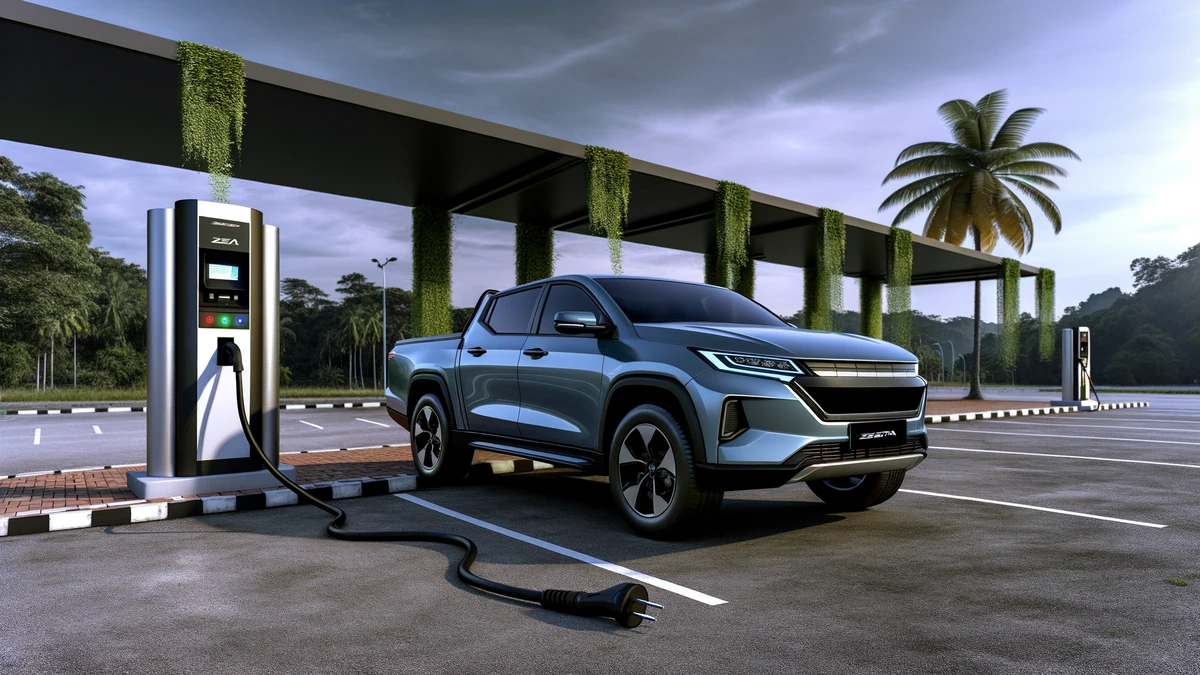
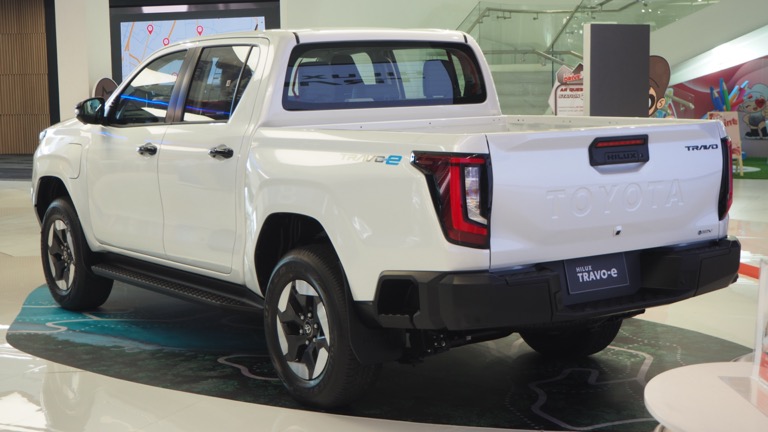
The Toyota Hilux BEV has officially launched in Malaysia — and it rewrites the rules for pickup trucks in this market. Priced at RM226,300 OTR (Peninsular Malaysia), the Toyota Hilux EV Malaysia launch marks the arrival of the country’s first fully electric pickup truck, built on the same legendary ladder-frame chassis that has made the Hilux a workhorse icon across Southeast Asia.
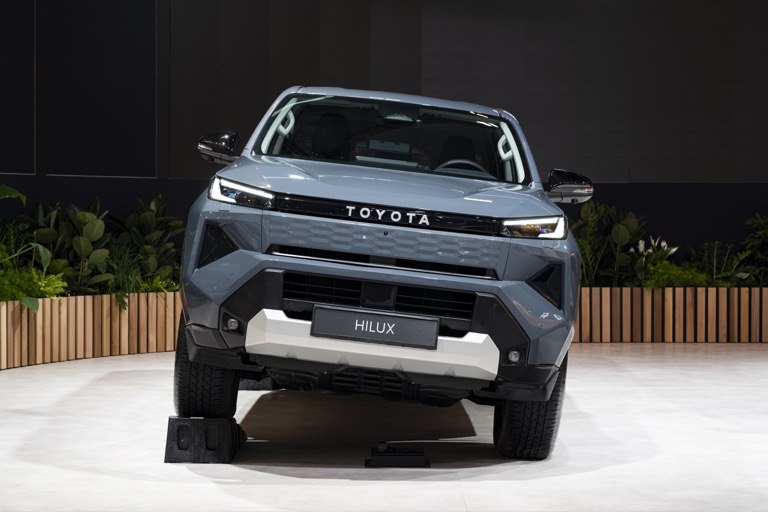
Launched on 2 April 2026, the Hilux BEV is a CBU import from Thailand. It packs a dual-motor AWD system producing 196 PS (144 kW), a 59.2 kWh battery, and a WLTP range of 257 km. But can an electric pickup genuinely replace the diesel workhorse Malaysians know and love? Let’s break it all down.
ALSO READ: Cheapest EVs in Malaysia 2026 – Complete Buyer’s Guide
What’s in This Review
Toyota Hilux BEV Price in Malaysia
The Hilux BEV launches as a single-variant model in Malaysia.
| Detail | Specification |
|---|---|
| Price | RM226,300 OTR (Peninsular Malaysia, without insurance) |
| Colour surcharge | Platinum White Pearl: +RM800 |
| Available colours | Super White 2, Platinum White Pearl, Ash Grey |
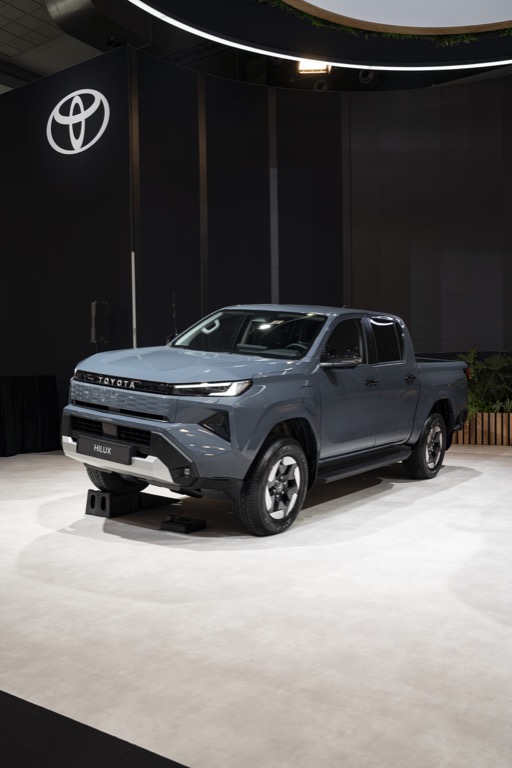
For context, the ICE Toyota Hilux 2.8 Rogue — the top-spec diesel variant — retails from around RM159,000–RM163,000. That makes the BEV roughly RM63,000–RM67,000 more expensive upfront, though significantly cheaper to run on a per-kilometre basis thanks to lower electricity costs versus diesel and reduced maintenance.
It’s worth noting that Malaysia’s tax exemptions for fully imported (CBU) EVs — which previously included 0% import duty and 0% excise duty — expired on 31 December 2025 and were not extended. The Hilux BEV’s RM226,300 price tag already reflects the applicable duties for 2026. Additionally, the EV road tax exemption also ended on 31 December 2025 — from 2026, all EVs pay kW-based road tax (cukai jalan). For the Hilux BEV’s 144 kW motors, expect to pay approximately RM120–RM160/year in road tax, which is still significantly lower than most ICE pickups.
ALSO READ: EV vs Petrol Running Cost Malaysia – The Real Numbers
Powertrain and Performance
Under the bed lies a dual-motor electric AWD system — one eAxle at the front and one at the rear. Here’s the full breakdown:
| Spec | Detail |
|---|---|
| Powertrain | Dual-motor AWD (front + rear eAxles) |
| Combined output | 144 kW (196 PS) |
| Front motor torque | 206 Nm |
| Rear motor torque | 267 Nm |
| Chassis | Ladder frame (same architecture as ICE Hilux) |
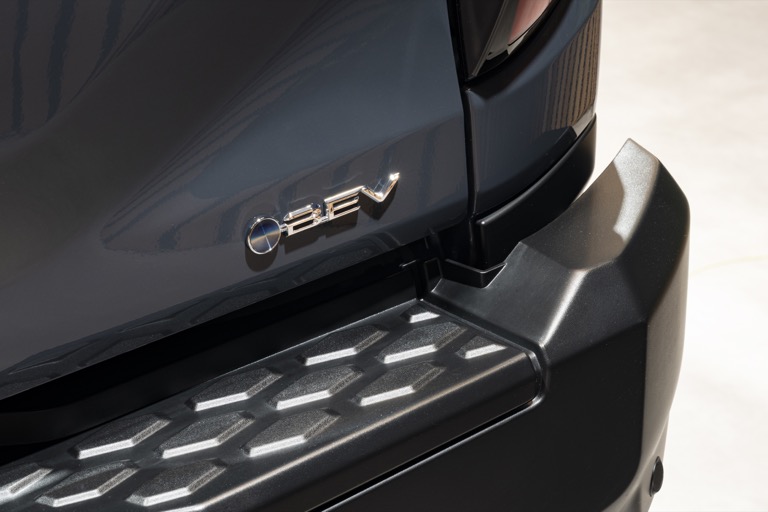
The decision to retain the ladder-frame chassis is significant. Unlike many EV pickups globally that use skateboard platforms, Toyota kept the proven body-on-frame construction. This means the Hilux BEV should handle rough terrain, heavy loads, and the kind of abuse Malaysian plantation roads and construction sites dish out — just like its diesel sibling.
The AWD system is always on, distributing torque between front and rear axles electronically. There’s no transfer case or mechanical differential to worry about — fewer moving parts, less maintenance.
Battery, Range, and Charging
This is where prospective buyers will scrutinise the Hilux BEV most carefully.
| Spec | Detail |
|---|---|
| Battery capacity | 59.2 kWh (80-cell lithium-ion) |
| WLTP range | 257 km |
| NEDC range | 315 km |
| DC fast charging | 150 kW — 10–80% in ~30 minutes |
| AC charging | 10 kW — 10–100% in ~6.5 hours |
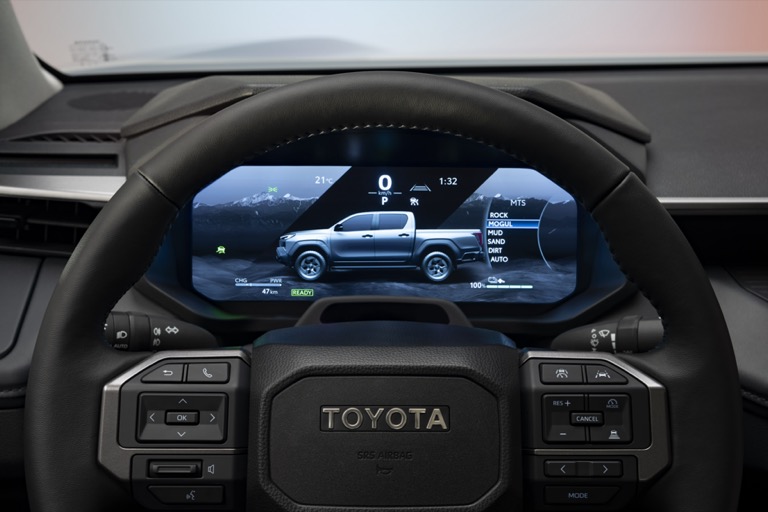
Let’s be honest: 257 km WLTP is modest by 2026 EV standards. Most EV sedans and SUVs in the Malaysian market offer 350–500+ km. But context matters — the Hilux BEV isn’t a highway cruiser. It’s a utility vehicle. If your daily work route is under 100 km (which covers the vast majority of Malaysian commercial use cases), you’ll charge every 2–3 days at most.
A note on real-world range: The 257 km figure is WLTP-rated. Some sources, such as SoyaCincau, report a real-world estimate closer to ~240 km depending on load, terrain, and driving style. In Malaysia’s hot climate with air-conditioning running, expect the practical range to sit somewhere between 200–250 km under typical conditions.
The 150 kW DC fast charging capability is excellent. A 30-minute stop at a DC charger gets you from 10% to 80% — enough for another 180+ km. For overnight home charging, the 10 kW AC onboard charger will fully replenish the battery in about 6.5 hours — plug in after work, wake up to a full charge.
Pro tip: If you’re considering a home EV charger for your Hilux BEV, check out our complete home EV charging guide for installation costs and recommended chargers.
ALSO READ: Best Home EV Chargers in Malaysia 2026
Interior and Technology
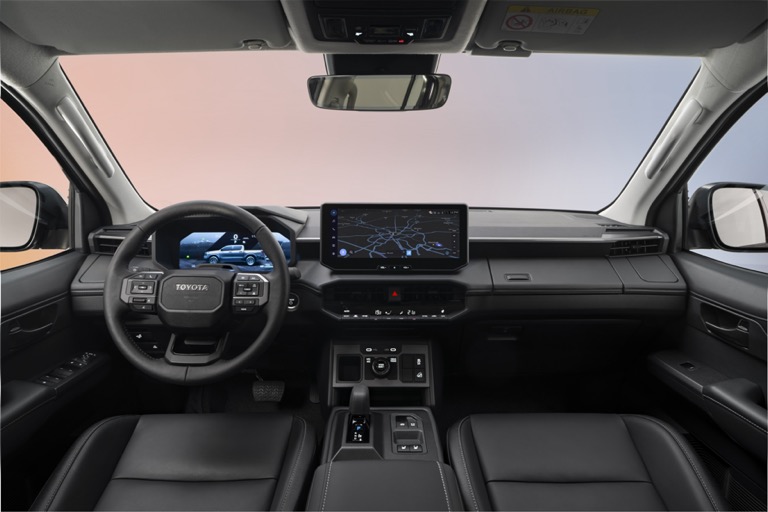
Step inside the Hilux BEV and you’ll notice this isn’t a stripped-down work truck — Toyota has loaded it with comfort and tech features that rival its passenger car lineup.
Infotainment and Connectivity
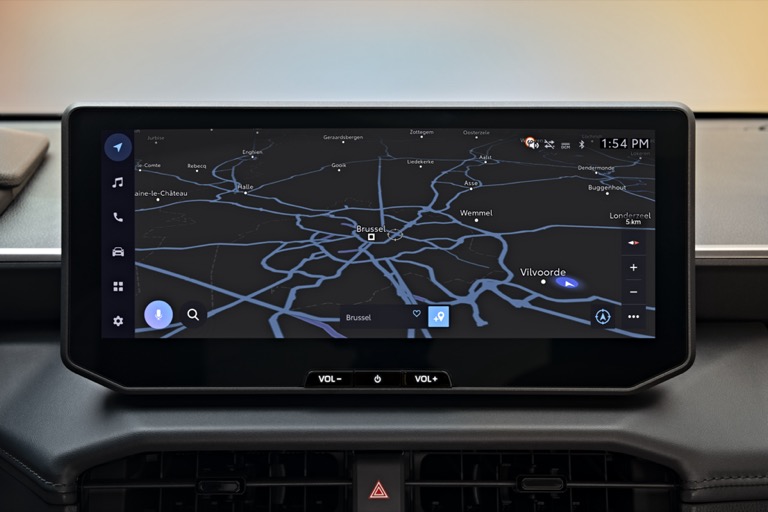
- 12.3-inch touchscreen infotainment display with 8 speakers
- Wireless Apple CarPlay and Android Auto
- 12.3-inch digital instrument cluster
- Qi wireless charging pad
- Multiple USB-C ports throughout the cabin
Comfort Features
- 8-way powered driver’s seat with lumbar support
- Dual-zone automatic climate control
- 360-degree Panoramic View Monitor — essential for a vehicle this size
The 360-degree camera system is particularly useful given the Hilux’s dimensions (5,320 mm long, 1,855 mm wide, 1,865 mm tall). Parking in tight Malaysian car parks will be much less stressful.
Safety Features
Toyota has equipped the Hilux BEV with its third-generation Toyota Safety Sense (TSS 3.0) suite:
- Pre-Collision System (PCS) with pedestrian and cyclist detection
- Adaptive Cruise Control (ACC)
- Lane Tracing Assist (LTA)
- Blind Spot Monitor (BSM)
- Rear Cross-Traffic Alert (RCTA)
- 7 SRS airbags
This is a comprehensive safety package — matching or exceeding what you get on the ICE Hilux Rogue.
ALSO READ: EV Road Tax Malaysia 2026 – Rates, Exemptions, and How to Check
Off-Road and Utility Credentials
The Hilux BEV isn’t just about city driving. Here’s what makes it a legitimate work truck:
| Capability | Specification |
|---|---|
| Maximum payload | 750 kg |
| Towing capacity | 2,000 kg |
| Water fording depth | 700 mm |
| Wheelbase | 3,085 mm |
| Dimensions (LxWxH) | 5,320 x 1,855 x 1,865 mm |
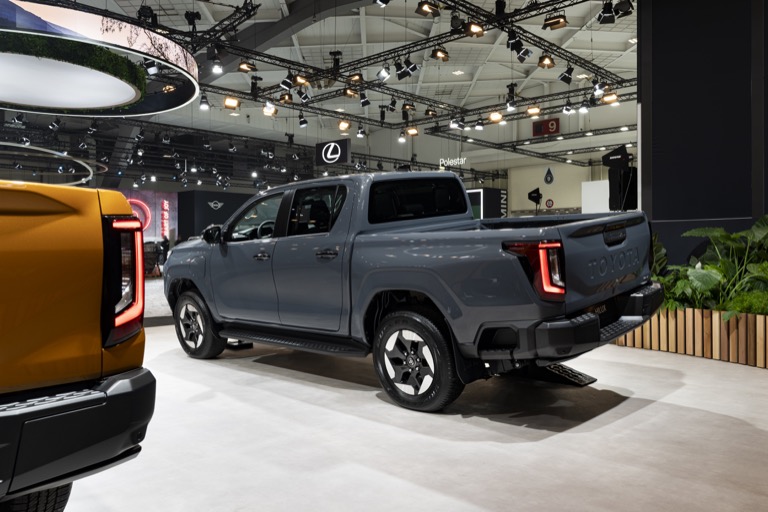
The 750 kg payload is lower than the diesel Hilux’s 1,000+ kg capacity, and the 2,000 kg towing is similarly reduced from the diesel’s 3,500 kg. This is a trade-off of the battery weight — the BEV is significantly heavier than its ICE counterpart. For heavy-duty hauling, the diesel still wins. But for most commercial and lifestyle use cases, 750 kg of payload is more than adequate.
The 700 mm water fording capability deserves attention. Malaysia’s monsoon season regularly floods roads, and this figure gives the Hilux BEV genuine wet-weather confidence — the sealed battery pack actually provides better water protection than a diesel engine with air intake concerns.
Toyota Hilux BEV vs ICE Hilux — Comparison Table
| Feature | Hilux BEV | Hilux 2.8 Rogue (Diesel) |
|---|---|---|
| Price | RM226,300 | ~RM160,000 |
| Powertrain | Dual-motor AWD | 2.8L Turbo Diesel |
| Power | 196 PS | 204 PS |
| Torque | 206/267 Nm (front/rear) | 500 Nm |
| Range/Fuel | 257 km (WLTP) | ~800 km (diesel tank) |
| Payload | 750 kg | ~1,000 kg |
| Towing | 2,000 kg | 3,500 kg |
| Charging/Refuel | 30 min (10–80% DC) | 5 min diesel |
| Road tax | ~RM120–RM160/yr (kW-based) | ~RM380/yr |
| Annual fuel/energy cost | ~RM1,500–2,000 | ~RM8,000–12,000 |
| Water fording | 700 mm | 700 mm |
| Warranty | 5yr/150k + 8yr battery | 5yr/150k |
Note: The BYD Shark 6 — a plug-in hybrid pickup — has been previewed in Malaysia and is expected to launch in H2 2026. We’ll update this comparison once official Malaysian specs and pricing are confirmed.
Warranty and After-Sales
Toyota offers a solid warranty package:
- Vehicle warranty: 5 years / 150,000 km
- Battery warranty: 8 years / unlimited mileage
- Extended battery warranty: 10-year option available (terms TBC)
The unlimited-mileage battery warranty is a strong commitment — especially important for commercial users who may rack up high kilometres. Toyota’s extensive dealer network across Malaysia (the largest of any brand) also means servicing should be straightforward, even in rural areas.
Who Should Buy the Toyota Hilux BEV?
The Hilux BEV is ideal for:
- Fleet operators with predictable daily routes under 200 km — delivery companies, plantation managers, construction supervisors
- Lifestyle pickup buyers who want a modern, tech-loaded truck for weekend adventures and daily commuting
- Eco-conscious businesses looking to green their fleet without sacrificing utility
- Urban professionals who love the Hilux but hate diesel costs and want drastically lower running costs
It might NOT be for you if:
- You need 500+ km highway range for long-distance trips
- Your work demands 1,000+ kg payload regularly
- You tow heavy trailers exceeding 2,000 kg
- You operate far from DC fast chargers and can’t charge overnight
ALSO READ: EV Charger Installation Malaysia – Condo & Landed Guide
Frequently Asked Questions (FAQ)
How much does the Toyota Hilux BEV cost in Malaysia?
The Toyota Hilux BEV is priced at RM226,300 OTR in Peninsular Malaysia (without insurance). Choosing the Platinum White Pearl colour adds RM800 to the price. Note that CBU EV tax exemptions (0% import and excise duty) expired on 31 December 2025, so the current price reflects applicable 2026 duties.
What is the range of the Toyota Hilux EV?
The Hilux BEV offers a WLTP-rated range of 257 km on a full charge from its 59.2 kWh battery. The NEDC-rated range is 315 km. Real-world range may be closer to ~240 km depending on load, terrain, air-conditioning usage, and driving conditions.
How long does it take to charge the Toyota Hilux BEV?
Using a 150 kW DC fast charger, the Hilux BEV charges from 10% to 80% in approximately 30 minutes. With a 10 kW AC home charger, a full charge (10–100%) takes about 6.5 hours — perfect for overnight charging.
Does the Toyota Hilux BEV get free road tax in Malaysia?
No. The EV road tax exemption (RM0 cukai jalan) ended on 31 December 2025. From 1 January 2026, all EVs in Malaysia pay road tax based on motor output in kW. For the Hilux BEV with 144 kW motors, the annual road tax is approximately RM120–RM160/year — still significantly cheaper than most ICE pickups.
Can the Toyota Hilux BEV go off-road?
Yes. The Hilux BEV retains the same ladder-frame chassis as the ICE Hilux and features dual-motor AWD. It offers 700 mm water fording depth and is built for rough terrain. However, its 750 kg payload and 2,000 kg towing capacity are lower than the diesel version.
What warranty does Toyota offer on the Hilux BEV battery?
Toyota provides an 8-year / unlimited-mileage battery warranty on the Hilux BEV, with an option to extend to 10 years. The vehicle itself is covered by a 5-year / 150,000 km warranty.
Where can I charge the Toyota Hilux BEV in Malaysia?
You can charge at any DC fast charger (CCS2 connector) across Malaysia’s growing network — including ChargEV, JomCharge, TNB Electron, and Shell Recharge stations. For home charging, a 7 kW–10 kW wallbox is recommended.
Verdict — Is the Toyota Hilux BEV Worth It?
The Toyota Hilux BEV at RM226,300 isn’t cheap — but it’s a genuinely groundbreaking vehicle for the Malaysian market. It’s the first electric pickup available here, and it comes from a brand with the deepest dealer network and strongest resale values in the country.
The 257 km range won’t suit everyone, and the reduced payload and towing versus diesel are real trade-offs. But for urban and peri-urban use, daily commuters, fleet operators, and lifestyle buyers who don’t need maximum hauling capacity, the Hilux BEV makes a compelling case: affordable kW-based road tax at just ~RM120–RM160/year, drastically lower fuel costs, Toyota reliability, and the same rugged Hilux DNA.
If your daily drive is under 150 km and you can charge overnight at home, the running cost savings alone could recoup the price premium within 3–5 years versus a diesel Hilux.
Ready to make the switch to electric? Browse our recommended EV chargers to set up your home charging station, or check out our EV charger installation guide if you live in a condo or landed property.
All prices and specifications are based on official Toyota Malaysia data as of April 2026. Prices may vary for East Malaysia.