
Table of Contents
- How Heat Affects EV Batteries — The Science, Simplified
- Real-World Battery Degradation Data
- Thermal Management Systems Compared
- Battery Warranty Comparison — Every Malaysian EV
- 7 Tips to Protect Your EV Battery in Malaysia’s Heat
- LFP vs NMC — Which Battery Chemistry Wins in Malaysia?
- FAQ — EV Battery Life in Malaysia
One of the biggest concerns for Malaysian EV buyers is whether EV battery life in Malaysia’s hot weather will hold up over time. With average temperatures of 27–35°C year-round and humidity regularly exceeding 80%, it’s a fair question. Will your EV battery degrade faster than in cooler countries? Should you worry about replacing a RM30,000–RM60,000 battery pack after just a few years?
The short answer: modern EV batteries are far more resilient than most people think — even in tropical heat. But the science, the real-world data, and the differences between battery types all matter. Let’s break it all down.
How Heat Affects EV Batteries — The Science, Simplified
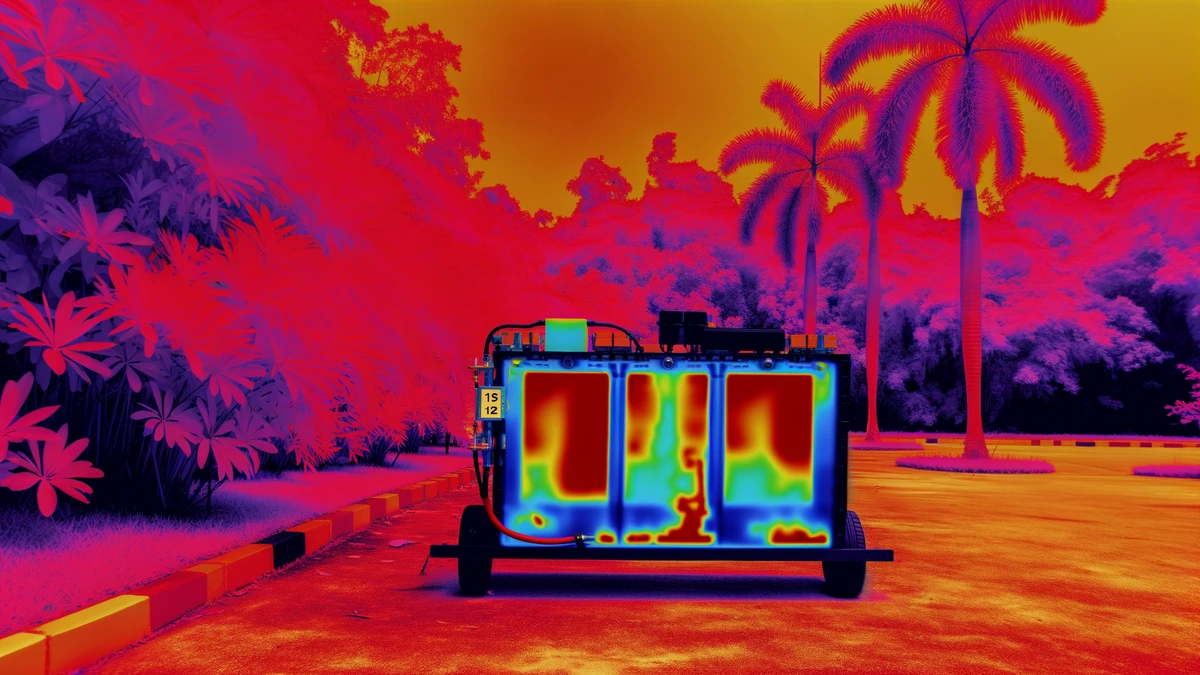
Lithium-ion batteries — the type used in every EV sold in Malaysia — work through chemical reactions. Heat speeds up these reactions. While that sounds good for performance, it also accelerates unwanted side reactions that permanently reduce the battery’s capacity.
Here’s what happens inside your EV battery when temperatures climb:
- Accelerated SEI layer growth — A protective layer inside the battery thickens faster in heat, consuming lithium ions and reducing capacity
- Electrolyte decomposition — Above 40°C, the liquid electrolyte breaks down faster, generating gases and increasing internal resistance
- Cathode degradation — High temperatures cause the cathode material to lose structural integrity over time
The critical threshold? Research consistently shows that sustained temperatures above 35°C begin to accelerate degradation, and above 40°C, the effect becomes significant. Malaysia’s ambient temperatures hover right around that first threshold — which is why thermal management systems matter so much here.
ALSO READ: EV vs Petrol Running Cost Malaysia
Real-World Battery Degradation Data — What the Numbers Say
Global Data: The Geotab Study
The most comprehensive real-world study comes from Geotab, which analysed over 22,700 EVs across multiple climates. Key findings:
- Modern EV batteries lose around 2% capacity per year on average
- Vehicles exposed to temperatures above 25°C for more than 35% of the time degrade approximately 0.4% faster per year than those in mild climates
- After 5 years, most EVs retain 85–95% of their original battery capacity
- After 10 years, average retention is still 80–90%
2026 University of Michigan Study
A landmark 2026 study published in Nature Climate Change by the University of Michigan examined how warming temperatures affect EV battery longevity across generations:
| Battery Generation | Avg. Lifetime Drop (2°C warming) | Max Lifetime Drop |
|---|---|---|
| 2010–2018 batteries | 8% | 30% |
| 2019–2023 batteries | 3% | 10% |
| 2024+ batteries | Even lower (projected) | <5% (projected) |
The study’s most encouraging finding for Malaysian buyers: the warmest cities nearest the equator actually stand to see the biggest gains from improved battery technology. Newer battery chemistries have dramatically closed the gap between tropical and temperate performance.
Malaysian Owner Experiences
While large-scale Malaysian-specific studies are still limited, data from local EV communities and forums shows:
- Tesla Model 3 owners in KL report 95–97% State of Health (SoH) after 2 years of daily driving
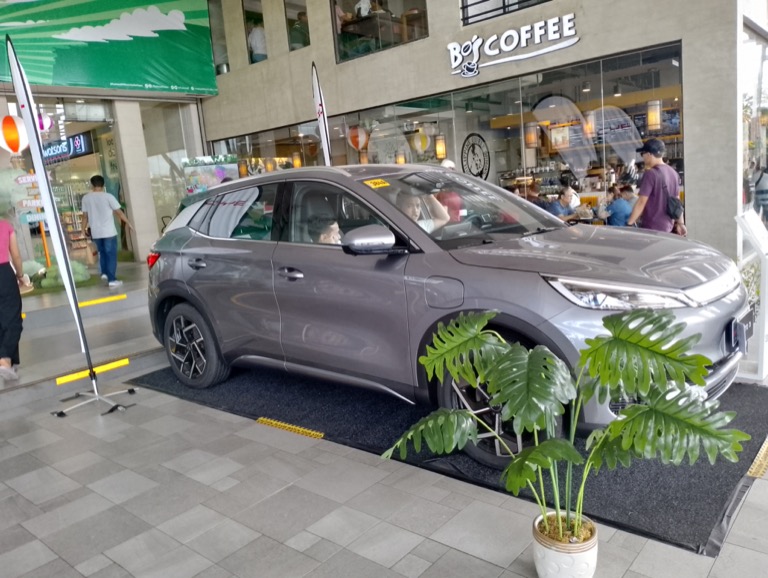
- BYD Atto 3 owners in Penang and Johor Bahru report minimal noticeable range loss after 18+ months
- Proton e.MAS 7 early adopters are reporting consistent range performance through Malaysia’s hottest months
The consensus among Malaysian EV owners: real-world degradation is far less dramatic than the fear suggests.
ALSO READ: Cheapest EVs in Malaysia 2026
Thermal Management Systems Compared — Which EVs Handle Malaysia’s Heat Best?
Not all EVs manage heat equally. The thermal management system (TMS) is your battery’s defence against Malaysia’s climate. Here’s how the most popular Malaysian-market EVs compare:
BYD — Blade Battery (LFP)
BYD’s Blade Battery is an LFP (lithium iron phosphate) chemistry in a distinctive flat cell design. For Malaysian conditions, it has several advantages:
- Generates approximately half the heat per cell volume compared to Tesla’s 4680 cells during charging
- Larger cooling surface area ensures more uniform temperature distribution
- During the famous nail penetration test, surface temperature only reached 30–60°C — versus 500°C+ for NMC batteries
- LFP chemistry is inherently more thermally stable — no oxygen release during thermal events
Tesla — NMC and LFP Options
Tesla offers both NMC (nickel-manganese-cobalt) and LFP batteries depending on the variant:
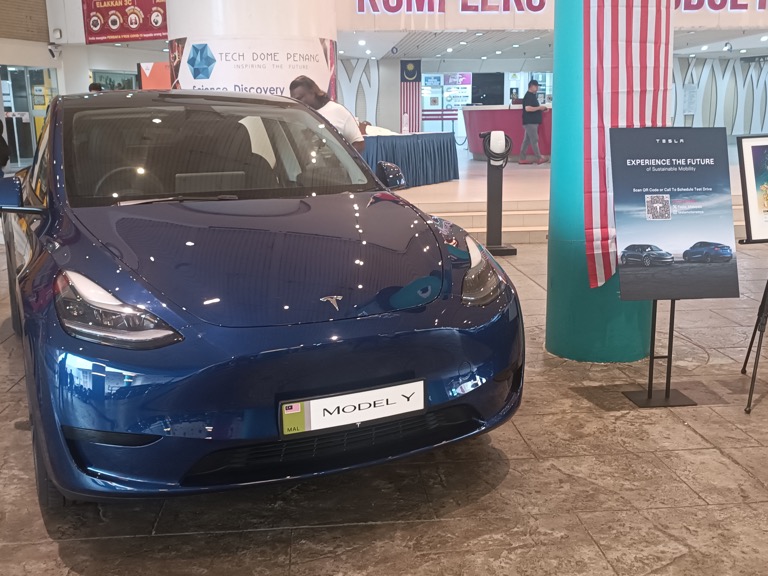
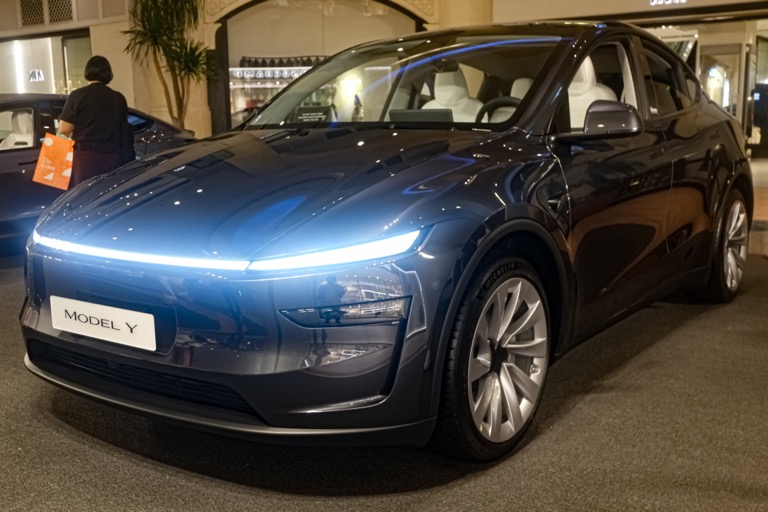
- Model Y RWD uses LFP — better heat tolerance, similar to BYD’s approach
- Model Y Long Range uses NMC — higher energy density (241 Wh/kg) but requires more active cooling
- Tesla’s liquid cooling system is one of the most sophisticated in the industry
- The Superbottle thermal management integrates battery, cabin, and motor cooling into one system
Proton e.MAS 7 — Aegis Short Blade Battery (LFP)
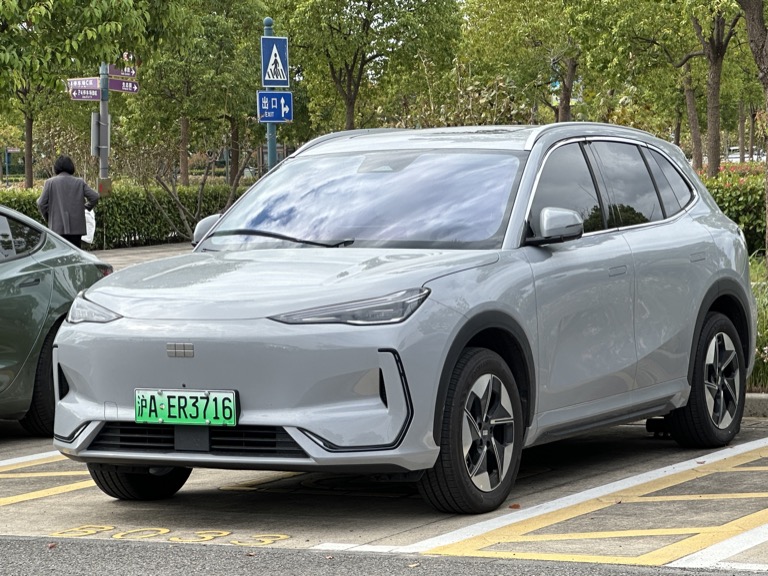
Proton’s first proper EV uses Geely’s Aegis Short Blade Battery:
- LFP chemistry with 192 Wh/kg energy density — higher than standard LFP
- Active liquid cooling with dedicated thermal management controller
- Rated for over 3,500 charge cycles — equivalent to over 1 million km of range
- Tested under extreme heat and puncture scenarios
MG — NMC Chemistry
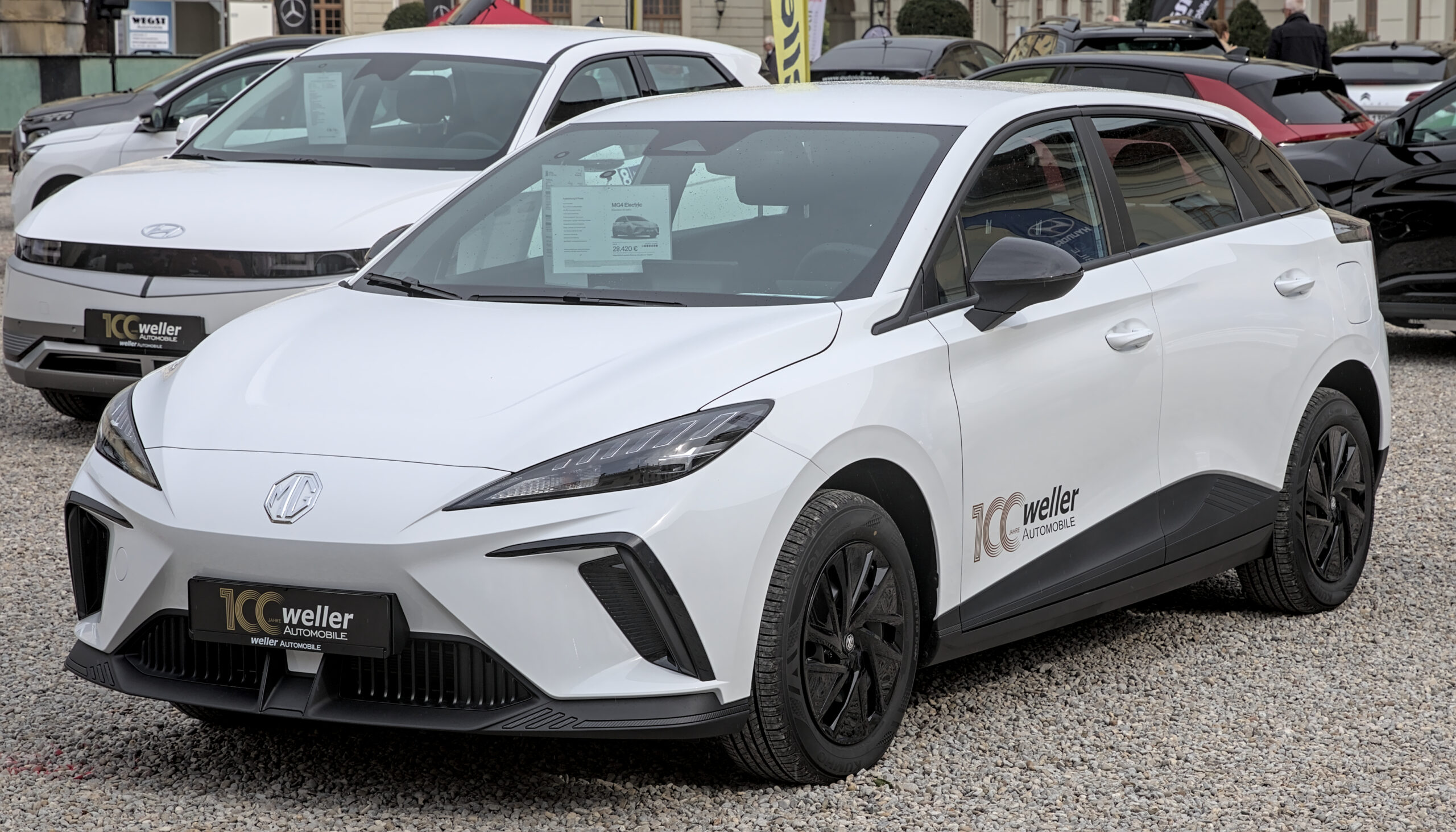
MG’s ZS EV and MG4 use NMC battery chemistry:
- Active liquid cooling system standard across the range
- NMC provides good energy density but is more heat-sensitive than LFP
- The cooling system must work harder in Malaysian ambient temperatures
- MG4’s 51–77 kWh battery options all include thermal management
ALSO READ: BYD Atto 3 vs Tesla Model Y Malaysia
Thermal Management Comparison Table
| Model | Battery Chemistry | Thermal Management | Heat Tolerance | Best For Malaysian Climate? |
|---|---|---|---|---|
| BYD Atto 3 | LFP (Blade) | Liquid cooling, large surface area | ★★★★★ | Excellent |
| Tesla Model Y RWD | LFP | Liquid cooling (Superbottle) | ★★★★★ | Excellent |
| Tesla Model Y LR | NMC | Liquid cooling (Superbottle) | ★★★★☆ | Very Good |
| Proton e.MAS 7 | LFP (Aegis) | Active liquid cooling | ★★★★★ | Excellent |
| MG ZS EV | NMC | Liquid cooling | ★★★☆☆ | Good |
| MG4 | NMC | Liquid cooling | ★★★☆☆ | Good |
Key takeaway: LFP batteries (BYD, Tesla RWD, Proton) are inherently better suited to Malaysia’s tropical climate due to superior thermal stability.
Battery Warranty Comparison — Every Malaysian EV
Before you worry about battery degradation, remember: every EV sold in Malaysia comes with a substantial battery warranty. Here’s the complete comparison:
| Brand/Model | Vehicle Warranty | Battery Warranty | SoH Guarantee | Battery Replacement |
|---|---|---|---|---|
| BYD (all models) | 6 years / 150,000 km | 8 years / 160,000 km | 70% SoH | Yes |
| Tesla Model 3/Y | 4 years / 80,000 km | 8 years / 160,000 km | 70% retention | Yes |
| Proton e.MAS 7 | 6 years / unlimited km | 8 years / 160,000 km | 70% SoH | 1-to-1 replacement |
| MG ZS EV / MG4 | 7 years / 150,000 km | 8 years / 180,000 km | 70% SoH | 1-to-1 exchange |
| Volvo EX30/EX40 | 5 years / unlimited km | 8 years / 160,000 km | 70% SoH | Yes |
| Mercedes EQA/EQB | 4 years / unlimited km | 10 years / 250,000 km | 70% SoH | Yes |
Notice the pattern: 8 years and 70% SoH is the industry standard minimum. With real-world degradation data showing most batteries retain 85–95% after 5 years, the warranty threshold of 70% provides a very comfortable safety margin.
Tesla’s cross-border warranty is also worth noting — warranty claims can now be made seamlessly across Malaysia, Singapore, and Thailand, which is great for those who drive across borders.
ALSO READ: EV Road Tax Malaysia 2026 — Rates & Exemptions
7 Tips to Protect Your EV Battery in Malaysia’s Heat
While modern EVs handle tropical heat well, these habits will maximise your battery’s lifespan:
1. Park in Shade or Covered Parking
This is the single most impactful thing you can do. A car parked in direct Malaysian sun can see cabin temperatures exceed 60°C, which heats the battery too. Use covered parking at malls, offices, and at home whenever possible.
2. Charge to 80%, Not 100%
Keep your daily charge limit at 80%. Charging to 100% keeps the battery at maximum voltage, which accelerates degradation — especially in heat. Only charge to 100% before long trips.
3. Avoid DC Fast Charging Daily
DC fast charging (50kW+) generates significant heat — battery temperatures can rise 6–10°C during a session. In Malaysia’s ambient heat, this adds up. Use AC home charging (7kW) for daily needs and save DC fast charging for road trips.
ALSO READ: Best Home EV Charger Malaysia
4. Charge During Cooler Hours
Charge overnight or early morning when ambient temperatures are lowest (24–26°C vs 32–35°C during the day). This reduces thermal stress during charging.
5. Don’t Charge Immediately After Driving
After a long drive, your battery is already warm. Let it cool for 15–30 minutes before plugging in, or let the car’s thermal management system bring temperatures down first.
6. Pre-condition While Plugged In
Use your EV’s app to pre-cool the cabin while still connected to the charger. This uses grid power instead of battery power, reducing thermal and energy stress on the battery.
7. Keep Battery Above 20%
Avoid regularly draining below 20%. Deep discharges combined with heat accelerate degradation. The sweet spot for daily driving is 20–80% — known as the “battery health zone.”
ALSO READ: Complete Home EV Charging Guide Malaysia
LFP vs NMC — Which Battery Chemistry Wins in Malaysia?
For Malaysian buyers specifically, battery chemistry matters more than in cooler countries. Here’s the head-to-head:
| Factor | LFP (Lithium Iron Phosphate) | NMC (Nickel Manganese Cobalt) |
|---|---|---|
| Thermal stability | Excellent — no thermal runaway risk | Moderate — requires more active cooling |
| Cycle life | 3,000–5,000 cycles | 1,000–2,000 cycles |
| Heat degradation | Lower | Higher |
| Energy density | Lower (~160 Wh/kg) | Higher (~241 Wh/kg) |
| Range per charge | Shorter | Longer |
| Charging to 100% | Safe for daily use | Best kept to 80% |
| Cost | Lower | Higher |
| Best for Malaysia? | ✅ Yes — ideal for tropical climate | Good with proper TMS |
Our recommendation for Malaysian buyers: If battery longevity in tropical heat is your priority, choose an EV with an LFP battery — BYD models, Tesla Model Y RWD, or the Proton e.MAS 7. The lower energy density (and slightly shorter range) is a worthwhile trade-off for superior heat resilience and longer cycle life.
ALSO READ: BYD Atto 3 vs Chery Omoda E5 Malaysia 2026
FAQ — EV Battery Life in Malaysia
How long does an EV battery last in Malaysia?
Modern EV batteries in Malaysia are expected to last 8–15 years or more. Real-world data shows around 2% capacity loss per year, meaning after 10 years your EV should still retain 80–90% of its original range. Malaysia’s hot climate may add an extra 0.4% degradation per year compared to cooler countries, but this is offset by newer battery technology.
Does Malaysia’s hot weather damage EV batteries?
Malaysia’s heat does cause slightly faster degradation compared to temperate climates, but it’s not dramatic. A 2026 University of Michigan study found that newer batteries (2019+) experience a maximum 10% lifetime reduction even in the warmest climates. With proper thermal management (standard on all Malaysian-market EVs), the impact is manageable.
Which EV battery type is best for Malaysia’s climate?
LFP (lithium iron phosphate) batteries are the best choice for Malaysia’s tropical climate. They offer superior thermal stability, longer cycle life (3,000–5,000 cycles vs 1,000–2,000 for NMC), and are less prone to heat-related degradation. EVs with LFP batteries in Malaysia include BYD Atto 3, Tesla Model Y RWD, and Proton e.MAS 7.
How much does it cost to replace an EV battery in Malaysia?
Battery replacement costs in Malaysia range from RM30,000 to RM80,000 depending on the model and battery size. However, with warranties covering 8 years / 160,000 km and real-world degradation being minimal, most owners will never need a replacement during their ownership period. Battery prices are also dropping approximately 15–20% annually.
Can I charge my EV to 100% in Malaysia’s heat?
For LFP batteries (BYD, Tesla RWD, Proton e.MAS 7), charging to 100% occasionally is fine and even recommended periodically for battery calibration. For NMC batteries (Tesla LR, MG models, Mercedes), limit daily charging to 80% — especially in Malaysia’s heat — and only charge to 100% before long trips.
Does DC fast charging damage EV batteries in hot weather?
Frequent DC fast charging in hot weather does cause more degradation than AC charging. Battery temperatures can rise 6–10°C during fast charging, and combined with Malaysia’s ambient heat, this adds thermal stress. Use DC fast charging for road trips and rely on AC home charging (7kW) for daily needs to maximise battery longevity.
Is the Proton e.MAS 7 battery good for Malaysian weather?
Yes. The Proton e.MAS 7 uses Geely’s Aegis Short Blade Battery with LFP chemistry, active liquid cooling, and is rated for over 3,500 charge cycles. It comes with an 8-year / 160,000 km battery warranty with 1-to-1 replacement if SoH drops below 70%. Its LFP chemistry is inherently well-suited to Malaysia’s tropical climate.
Conclusion — Malaysian Heat Is Not the Battery Killer You Think
The data is clear: EV battery life in Malaysia’s hot weather is not the crisis that skeptics suggest. Modern battery technology — particularly LFP chemistry — combined with sophisticated thermal management systems means Malaysian EV owners can expect:
- 85–95% battery capacity after 5 years
- 80–90% capacity after 10 years
- 8-year warranties as a safety net across all major brands
The key is choosing the right battery chemistry for our climate (LFP is ideal), following simple charging habits (charge to 80%, use AC at home, park in shade), and trusting the thermal management systems that every modern EV comes equipped with.
Malaysia’s tropical climate adds a small, measurable impact on battery degradation — but it’s nowhere near enough to make EVs impractical. If anything, the 2026 data shows that battery technology is improving faster than the climate is warming.
Ready to make the switch to electric? Visit evsifu.com for the latest EV reviews, charging guides, and to find the best home EV charger for your needs. Have questions about EV battery life? Drop us a comment below — we’d love to help.