
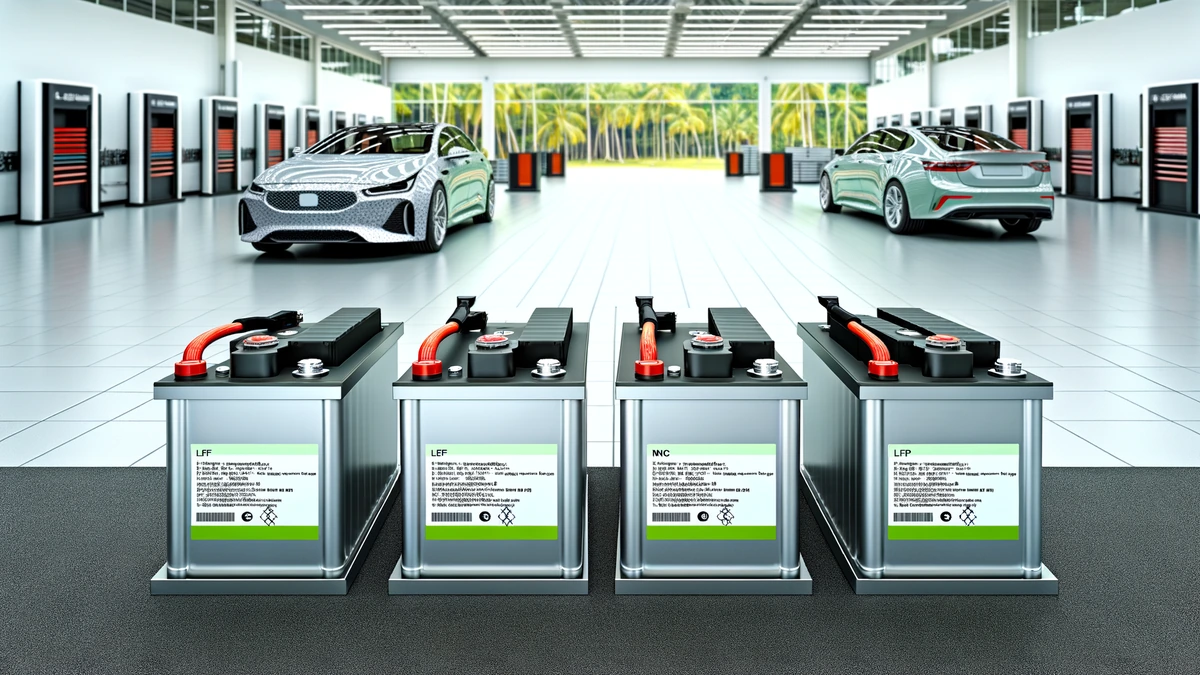
Not all EV batteries are created equal — and in Malaysia’s tropical heat, your battery chemistry matters more than you think. Whether you’re eyeing a BYD Atto 3 or a Tesla Model Y, understanding EV battery technology in Malaysia could save you thousands in the long run and help you pick the right car for our climate.
With over 44,813 EVs registered in Malaysia in 2025 alone and 89 EV models now available, the market has exploded. But beneath the glossy specs and range numbers lies a critical question most buyers overlook: what type of battery is inside your EV?
In this guide, we break down the three major EV battery chemistries — LFP (Lithium Iron Phosphate), NMC (Nickel Manganese Cobalt), and the upcoming solid-state technology — and what each means for Malaysian drivers dealing with 30–40°C heat and 80–90% humidity year-round.
ALSO READ: Cheapest EVs in Malaysia 2026
What Are LFP and NMC Batteries?
Before diving into which is better for Malaysia, let’s understand what these acronyms mean.
LFP (Lithium Iron Phosphate) batteries use iron and phosphate in their cathode. They’re known for being safer, longer-lasting, and cheaper — but historically offered less range per kilogram.
NMC (Nickel Manganese Cobalt) batteries pack more energy into a smaller, lighter package. They deliver longer range and faster charging, but are more sensitive to heat and cost more to manufacture and replace.
Think of it this way: LFP is the Toyota Hilux of batteries — tough, reliable, and built to last. NMC is more like a sports sedan — high performance, but needs more care.
Which Malaysian EVs Use LFP vs NMC Batteries?
Here’s the breakdown of popular EVs on Malaysian roads and their battery chemistry:
LFP Battery Models (Malaysia)
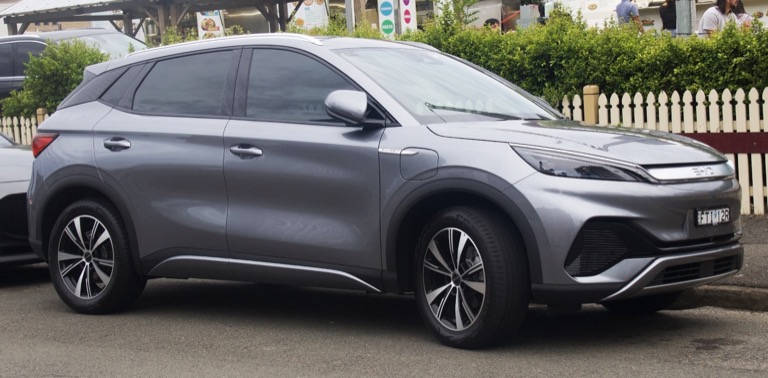
- BYD Atto 3 Ultra — 60.48 kWh Blade LFP, 420 km WLTP range, RM123,800
- BYD Atto 2 — 51.13 kWh Blade LFP, 410 km NEDC range, ~RM100,000
- BYD Dolphin Dynamic — 44.9 kWh Blade LFP, ~340 km WLTP
- BYD Seal Dynamic — 61.4 kWh Blade LFP; Performance — 82.5 kWh
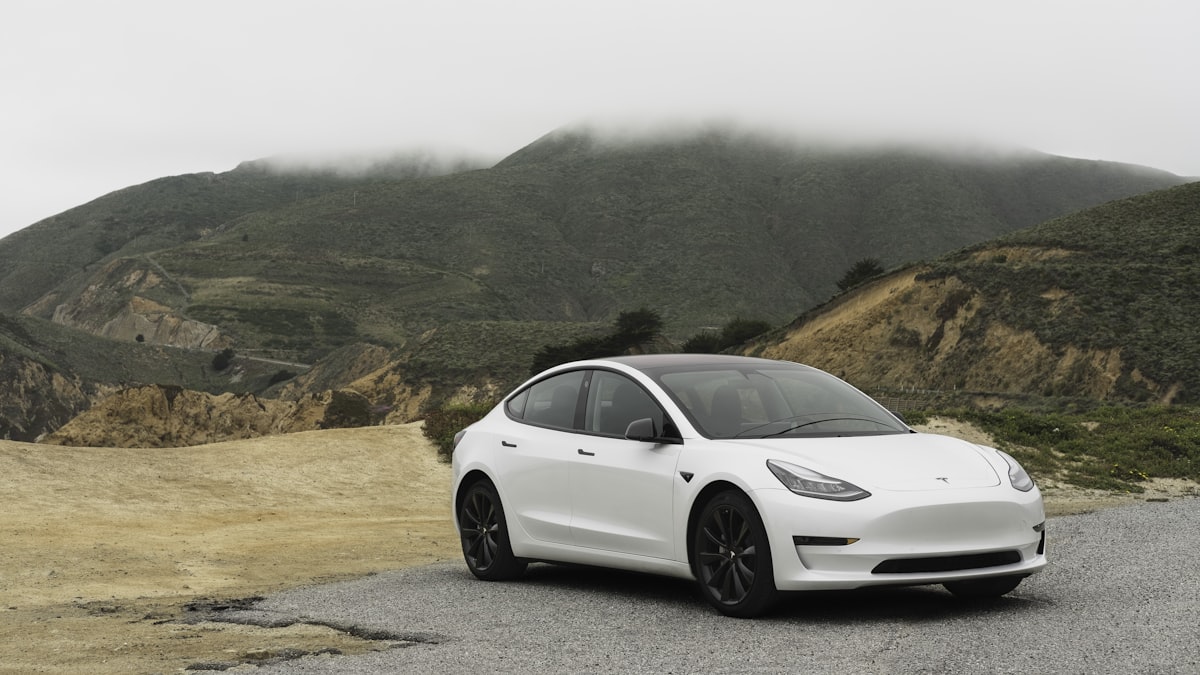
- Tesla Model 3 Standard RWD — 62.5 kWh LFP (CATL), 534 km WLTP range, RM147,600 (cheapest Tesla in Malaysia)
- Tesla Model 3 Premium RWD — 62.5 kWh LFP (CATL), 520 km WLTP range, RM170,980
- Tesla Model Y RWD — ~60 kWh LFP, 466 km range, RM195,450
- Proton eMAS 7 Prime — 49.52 kWh LFP (Geely Aegis Short Blade), 345 km WLTP, from RM99,800
- Proton eMAS 7 Premium — 60.22 kWh LFP, 410 km WLTP, from RM115,800
- Proton eMAS 5 Prime — LFP battery, ~300 km range, RM56,800
- Chery Omoda E5 — 61 kWh LFP, 430 km range
- Smart #1 Pro — 49 kWh LFP, 315 km, RM169,000
- Zeekr 7X RWD — 75 kWh Golden LFP (2nd gen), 480 km WLTP, RM179,800
- Neta V — ~38.5 kWh LFP, ~380 km, ~RM99,800
NMC Battery Models (Malaysia)
- Tesla Model 3 Long Range — 78.4 kWh NMC, ~750 km WLTP, ~RM185,000
- Tesla Model Y Long Range — ~75 kWh NMC, 551 km, RM242,450
- Smart #1 Premium — 66 kWh NMC, 440 km, RM209,000
- Zeekr 7X Long Range — 100 kWh NMC (Qilin), 615 km WLTP
- Zeekr X Premium — 66 kWh NMC, 440 km, RM155,800
- Volvo EX30 — 69 kWh NMC, 476 km, RM188,888
- Hyundai Ioniq 5 — 84 kWh NMC, 500+ km, from RM207,808
- Kia EV6 — ~77 kWh NMC, 510 km, ~RM300,000
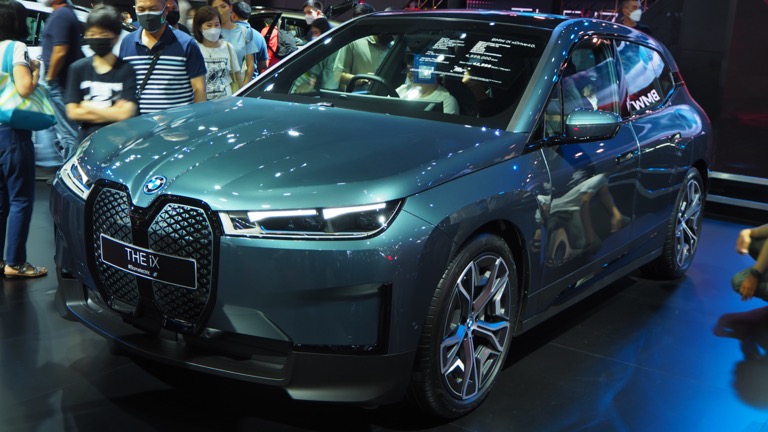
- BMW i4 / iX — NMC chemistry, ~84 kWh
- Mercedes-Benz EQE 350+ — 90.56 kWh NMC, 669 km, ~RM420,000
The Pattern
Chinese brands (BYD, Chery, Proton/Geely) predominantly use LFP. European brands (BMW, Mercedes, Volvo) stick with NMC. Korean brands (Hyundai, Kia) use NMC. Tesla and Smart/Zeekr use LFP for base models and NMC for long-range/performance variants.
ALSO READ: BYD Atto 3 vs Tesla Model Y Malaysia
LFP vs NMC: Which Is Better for Malaysia’s Tropical Climate?
This is where it gets interesting — and where Malaysia’s weather actually gives LFP a significant edge.
Heat Tolerance
Malaysia averages 30–35°C daily with humidity at 80–90%. LFP batteries have a thermal runaway threshold of ~230°C, compared to just ~160°C for NMC. This means LFP cells are inherently safer and more stable in sustained tropical heat.
NMC batteries are more sensitive to the combination of high temperatures and high state of charge. Parking your NMC-equipped EV fully charged in direct Malaysian sun accelerates degradation faster than it would with an LFP pack.
Charging to 100% — The Daily Driver Advantage
Here’s a practical difference that matters for everyday Malaysian EV owners:
- LFP: You can charge to 100% daily without significant degradation
- NMC: Manufacturers recommend stopping at 80% for battery longevity
For a BYD Atto 3 with 420 km range, that means you use all 420 km. For an NMC-equipped EV with 420 km range, you’re practically limited to ~336 km if you follow best practices. This alone makes LFP more convenient for daily commuters.
Cycle Life
- LFP: 3,000–5,000 charge cycles to 80% capacity
- NMC: 1,500–2,500 charge cycles to 80% capacity
At one charge per day, an LFP battery could last 8–14 years before hitting 80% capacity. NMC batteries would reach the same point in 4–7 years.
The Trade-Off: Range and Weight
NMC’s advantage is clear: 20–30% higher energy density means longer range in a lighter package. If you regularly drive long distances — say, KL to Penang — an NMC car like the Hyundai Ioniq 5 with 500+ km range gives more breathing room than most LFP options.
However, the gap is closing. BYD’s 2nd-generation Blade battery and Zeekr’s Golden Battery are pushing LFP energy density to levels that were NMC-only territory just two years ago.
ALSO READ: EV vs Petrol Running Cost Malaysia
Charging Speed: LFP vs NMC at Malaysian DC Chargers
| Metric | LFP | NMC |
|---|---|---|
| Peak DC fast charging | 150–170 kW typical | 200–250 kW typical |
| 10–80% charge time | 25–40 minutes | 18–30 minutes |
| Home AC charging | 7–11 kW (same) | 7–11 kW (same) |
| Recommended daily charge | 100% | 80% |
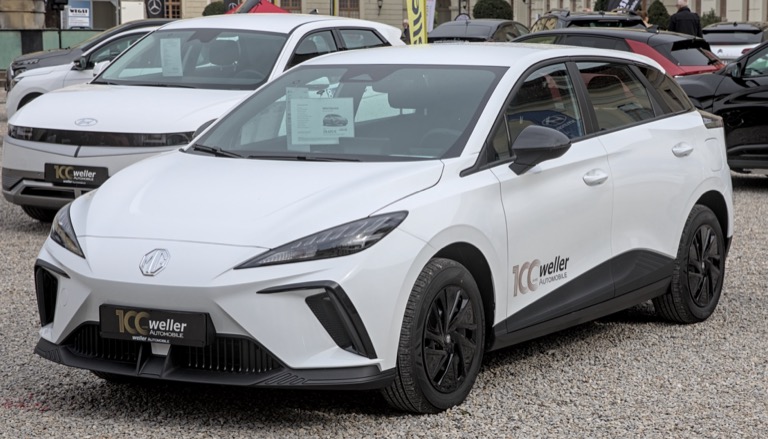
Real-world example: The BYD Atto 3 supports 88 kW DC charging (upgraded to 105 kW in the 2026 facelift), while the Hyundai Ioniq 5 with its 800V architecture can hit 240 kW.
But here’s the nuance: for daily commuting, most Malaysian EV owners charge at home overnight on AC. At 7–11 kW, there’s zero difference between LFP and NMC — both top up fully while you sleep.
The DC fast charging speed gap mainly matters on road trips. And with Malaysia’s growing charger network — over 3,000 public charging points as of 2026 — even the slower LFP cars rarely cause inconvenience.
Pro tip: Looking to install a home charger? A good 7 kW home wallbox is the most cost-effective way to charge any EV in Malaysia. Visit evsifu.com.my for the best deals on home EV chargers.
ALSO READ: Best Home EV Charger Malaysia
Battery Degradation in Malaysia’s Tropical Climate
What the Data Says
According to the Geotab 2026 study covering 22,700+ EVs worldwide:
- Average annual degradation: 2.3% per year
- Hot climate premium: +0.4% per year compared to mild climates
- Frequent DC fast charging (above 100 kW): up to 3.0% per year
- Primarily AC charging: ~1.5% per year
Malaysia-Specific Findings
A SEDA/CSIRO joint study (January 2026) found some surprising news for Malaysian EV owners:
- Malaysia’s stable temperature range (22–32°C) is actually more favourable than regions with extreme seasonal swings
- We avoid the freeze/thaw cycles that stress battery cells in temperate countries
- The main challenge is consistently high humidity (80–90%), which can accelerate corrosion on battery pack components and connectors
- Modern EVs with liquid cooling systems effectively mitigate most heat concerns
Bottom line: Your charging habits matter more than Malaysia’s climate. Stick to home AC charging most of the time, and your battery will last well beyond the warranty period.
Battery Warranty Comparison: Every Major EV Brand in Malaysia
This is your safety net — and it varies significantly across brands.
| Brand | Battery Warranty | SoH Guarantee | Notable Detail |
|---|---|---|---|
| BYD | 8 years / 160,000 km | 70% minimum | Recently extended to 250,000 km globally |
| Tesla | 8 years / 160,000 km | 70% retention | Cross-border warranty (MY/SG/TH) since March 2026 |
| Mercedes-Benz | 10 years / 250,000 km | Included | Best in market |
| BMW | 8 years / 160,000 km | Certificate included | Covers iX, i4, i5 |
| Volvo | 8 years / 160,000 km | 70% SoH | — |
| Hyundai | 8 years / 160,000 km | ~70% capacity | — |
| Kia | 8 years / 160,000 km | ~70% capacity | — |
| Smart | 8 years / 200,000 km | Not specified | Among highest km limits |
| Zeekr | 8 years / 160,000 km | Not specified | Covers X and 7X |
| Proton (eMAS) | 8 years / 160,000 km | 70% SoH | Full battery replacement guaranteed |
| Neta | 8 years / 180,000 km | Not specified | — |
Proton deserves special mention — they explicitly guarantee full battery replacement if State of Health drops below 70% within the warranty period. That’s the most consumer-friendly commitment in the Malaysian market.
Without warranty, battery replacement costs range from RM30,000 to RM100,000 depending on battery size and brand. Another reason to buy from brands with strong local presence and warranty support.
Shopping for your first EV? Start with the right home charging setup. Browse our curated selection at evsifu.com.my — we ship nationwide.
Solid-State Batteries: The Future Coming to Malaysia
Solid-state batteries replace the liquid electrolyte in current LFP/NMC cells with a solid material. The promises are game-changing:
- 2x energy density — double the range in the same battery size
- 10-minute full charge — not 10–80%, full 0–100%
- No liquid electrolyte — virtually eliminates fire risk
- Better performance across all temperature ranges
When Will Solid-State EVs Reach Malaysia?
| Year | Milestone |
|---|---|
| 2026 | Pilot production (Sunwoda, GAC Motor) |
| 2027 | BYD and CATL small-scale production; vehicle installations begin |
| 2028 | Forecast 13.5 GWh all-solid-state shipments globally |
| 2028–2029 | First solid-state EVs likely to reach Malaysian showrooms via Chinese brands |
| 2030 | BYD targets large-scale mass production |
Semi-solid batteries — a stepping stone technology — may arrive sooner, potentially in 2027–2028, through brands like BYD and Chery that already have a strong Malaysian presence.
Malaysia’s battery market is projected to reach USD 1.04 billion by 2030, and EVE Energy already operates a local facility producing NMC cylindrical cells. This positions Malaysia well for the solid-state transition.
ALSO READ: Malaysia EV Market 2026 Overview
Malaysian Government Policies on EV Batteries (2026)
What Changed in 2026
The biggest shift: CBU (imported) EVs lost their full duty exemptions on 1 January 2026. Imported EVs now face ~30% import duty + 10% excise duty + 10% sales tax. This makes CKD (locally assembled) EVs like the Proton eMAS range significantly more price-competitive.
CKD EVs still enjoy full duty exemption until 31 December 2027.
EV Road Tax (Cukai Jalan)
The EV road tax exemption also ended on 1 January 2026. However, the new power-based road tax structure is ~85% cheaper than equivalent ICE vehicle road tax. A positive outcome overall.
Battery Recycling — Malaysia’s Growing Challenge
With projected volumes of:
- 40,000 batteries by 2030
- 330,000 batteries by 2040
- 870,000 batteries by 2050
Malaysia is developing its Extended Producer Responsibility (EPR) framework to require manufacturers to manage end-of-life batteries. Currently, only 2 licensed Authorised Automotive Treatment Facilities (AATFs) exist, with a target of 21 by 2030.
MARii (Malaysian Automotive, Robotics & IoT Institute) is also developing a digital battery passport system to track battery composition and lifecycle data — a forward-thinking move that will be essential as the EV fleet grows.
Tax Benefits for EV Owners
- Individual tax relief: Up to RM2,500 for EV charging installation expenses (through Assessment Year 2027)
- GITE: 70% income tax exemption for qualifying green services (charging, maintenance, recycling)
- GITA: 100% capital expenditure allowance for green technology investments
ALSO READ: EV Road Tax Malaysia 2026 — Rates & Exemptions
Complete Battery Comparison Table: Popular Malaysian EVs
| Model | Price (RM) | Battery | Chemistry | Range (WLTP) | DC Charging | Warranty |
|---|---|---|---|---|---|---|
| Proton eMAS 5 Prime | 56,800 | TBC | LFP | ~300 km | TBC | 8yr/160k km |
| Proton eMAS 7 Prime | from 99,800 | 49.52 kWh | LFP | 345 km | TBC | 8yr/160k km |
| Neta V | ~99,800 | 38.5 kWh | LFP | ~380 km | 75 kW | 8yr/180k km |
| BYD Atto 2 | ~100,000 | 51.13 kWh | LFP | 410 km | 80 kW | 8yr/160k km |
| Proton eMAS 7 Premium | from 115,800 | 60.22 kWh | LFP | 410 km | TBC | 8yr/160k km |
| BYD Atto 3 Ultra | 123,800 | 60.48 kWh | LFP | 420 km | 105 kW | 8yr/160k km |
| Tesla Model 3 Standard RWD | 147,600 | 62.5 kWh | LFP | 534 km | 170 kW | 8yr/160k km |
| Zeekr X Premium | 155,800 | 66 kWh | NMC | 440 km | 150 kW | 8yr/160k km |
| Smart #1 Pro | 169,000 | 49 kWh | LFP | 315 km | 150 kW | 8yr/200k km |
| Tesla Model 3 Premium RWD | 170,980 | 62.5 kWh | LFP | 520 km | 170 kW | 8yr/160k km |
| Zeekr 7X RWD | 179,800 | 75 kWh | LFP | 480 km | 200 kW | 8yr/160k km |
| Volvo EX30 | 188,888 | 69 kWh | NMC | 476 km | 153 kW | 8yr/160k km |
| Tesla Model Y RWD | 195,450 | ~60 kWh | LFP | 466 km | 170 kW | 8yr/160k km |
| Hyundai Ioniq 5 | 207,808+ | 84 kWh | NMC | 500+ km | 240 kW | 8yr/160k km |
| Mercedes EQE 350+ | ~420,000 | 90.56 kWh | NMC | 669 km | 170 kW | 10yr/250k km |
So, Which Battery Type Should You Choose?
Choose LFP if you:
- Primarily commute daily within the city (most Malaysian drivers)
- Want to charge to 100% without worrying about battery health
- Prefer lower purchase price and lower long-term ownership cost
- Want maximum peace of mind in Malaysia’s tropical heat
- Plan to keep your EV for 8+ years
Choose NMC if you:
- Regularly drive long distances (KL–Penang, KL–JB)
- Prioritise fastest possible DC charging speeds
- Want maximum range per charge
- Are willing to manage charging to 80% for battery longevity
For most Malaysian EV buyers, LFP is the smarter choice. The tropical climate advantage, ability to charge to 100% daily, longer cycle life, and lower cost make it the practical winner — especially as newer LFP batteries close the energy density gap.
Ready to go electric? Every EV needs a reliable home charger. Check out the latest home EV chargers at evsifu.com.my — expert advice, competitive prices, and nationwide delivery.
ALSO READ: Complete Home EV Charging Guide Malaysia
FAQ: EV Battery Technology in Malaysia
What type of battery does the BYD Atto 3 use?
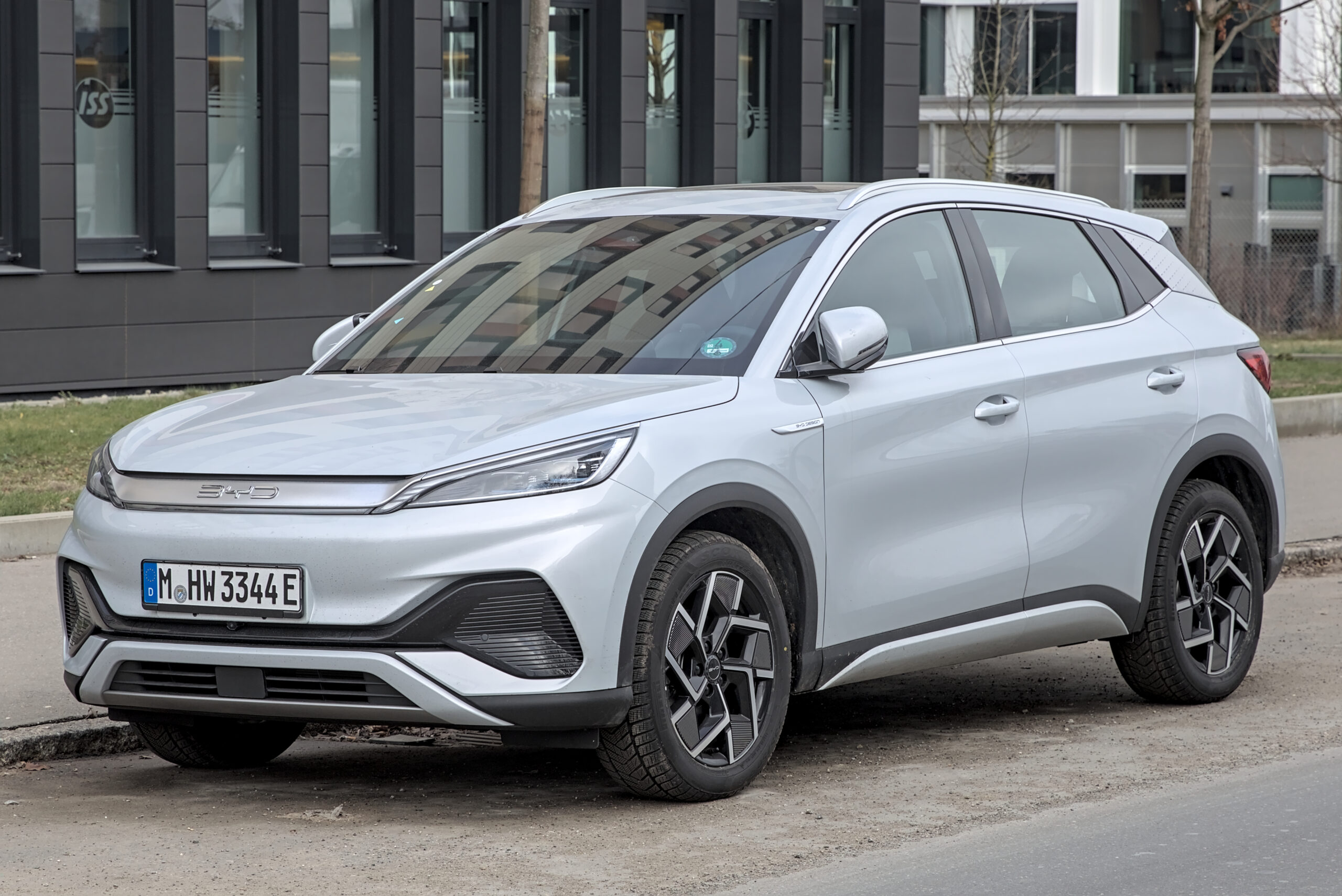
The BYD Atto 3 Ultra uses a 60.48 kWh LFP (Lithium Iron Phosphate) Blade battery. LFP chemistry is safer in hot climates and can be charged to 100% daily without significant degradation.
Is LFP or NMC battery better for Malaysia’s hot weather?
LFP is better suited for Malaysia’s tropical climate. It has a higher thermal runaway threshold (230°C vs 160°C for NMC), tolerates daily 100% charging, and has a longer cycle life of 3,000–5,000 cycles. The consistent heat and humidity in Malaysia accelerate NMC degradation more than LFP.
How long do EV batteries last in Malaysia?
With typical daily use and home AC charging, EV batteries in Malaysia can last 8–15 years before reaching 80% capacity. Average degradation is about 2.3% per year, with LFP batteries degrading slower than NMC in tropical conditions. Most brands offer an 8-year / 160,000 km warranty.
Can I charge my EV to 100% every day in Malaysia?
It depends on your battery type. LFP batteries (BYD, Tesla RWD, Proton eMAS) can be charged to 100% daily without significant degradation. NMC batteries should ideally be charged to only 80% for optimal longevity, especially in hot climates.
How much does it cost to replace an EV battery in Malaysia?
Without warranty coverage, EV battery replacement in Malaysia costs approximately RM30,000 to RM100,000 depending on battery size and brand. This is why warranty terms matter — most brands cover batteries for 8 years / 160,000 km with a minimum 70% State of Health guarantee.
When will solid-state batteries be available in Malaysian EVs?
Solid-state battery EVs are expected to reach Malaysian showrooms around 2028–2030. BYD and CATL plan small-scale production by 2027, with mass production targeted for 2030. Semi-solid batteries may arrive earlier through Chinese brands already in Malaysia.
Which EV brand has the best battery warranty in Malaysia?
Mercedes-Benz offers the best battery warranty at 10 years / 250,000 km. Proton stands out for guaranteeing full battery replacement if SoH drops below 70%. Smart offers the highest kilometre limit among standard warranties at 8 years / 200,000 km.
Does frequent DC fast charging damage EV batteries in Malaysia?
Yes, frequent use of high-power DC fast charging (above 100 kW) can increase degradation to about 3% per year compared to 1.5% per year with primarily AC home charging. For daily use, a 7 kW home wallbox is the best choice for both cost savings and battery health.
Final Thoughts
Malaysia’s EV battery landscape in 2026 is dominated by two proven chemistries — LFP and NMC — each with clear strengths. For our tropical climate, LFP has emerged as the pragmatic choice for most drivers, offering superior heat tolerance, guilt-free 100% charging, and lower long-term costs.
But the future is exciting. Solid-state batteries are on the horizon, promising to make today’s trade-offs obsolete. Until then, choose the battery that fits your driving lifestyle, invest in a quality home charger, and enjoy the ride.
Ready to complete your EV setup? Browse Malaysia’s best selection of home EV chargers at evsifu.com.my — because every electric journey starts at home.