
Table of Contents
- What Is kW and Why It Matters
- AC vs DC Charging: What Is the Difference?
- Understanding the Charging Curve
- EV Charging Speeds: Popular Models in Malaysia
- Malaysia’s EV Charging Networks
- How to Maximise Your Charging Speed
- Real-World Charging Scenarios
- The Future of EV Charging in Malaysia
- Frequently Asked Questions
If you have just bought your first EV — or you are still deciding — the single biggest question on your mind is probably: how long does it take to charge? Understanding EV charging speed is the key to removing range anxiety and making electric driving work for your daily life in Malaysia.
The short answer is: it depends on whether you are using AC or DC charging, the kW rating of the charger, and your car’s onboard charging capability. In this guide, we break down everything you need to know — from the physics of kilowatts to real-world charging times for popular models like the BYD Atto 3, Tesla Model Y, and Chery Omoda E5 — all in the Malaysian context.
ALSO READ: Complete Home EV Charging Guide Malaysia
1. What Is kW and Why It Matters
A kilowatt (kW) is a unit of power — it tells you how quickly energy is being transferred into your battery. Think of it like water flow: if your battery is a tank, kW is the size of the pipe filling it. The bigger the pipe, the faster the tank fills.
Your EV battery is measured in kilowatt-hours (kWh), which represents the total energy storage capacity. A 60 kWh battery at a 7 kW AC charger will take roughly 8–9 hours to charge from empty to full. The same battery on a 80 kW DC fast charger? Around 45–50 minutes to reach 80%.
The basic formula is straightforward: divide the battery capacity (kWh) by the charger power (kW) to get a rough charging time in hours. So a 60 kWh battery at 11 kW = approximately 5.5 hours. In practice, charging is not perfectly linear — which we will cover in the charging curve section — but this formula gives you a solid ballpark figure for planning.
Why does this matter so much in Malaysia specifically? Because our charging infrastructure spans a wide range of power levels — from 7 kW AC units at office buildings and condominiums, all the way up to 180 kW and 200 kW DC fast chargers at highway rest stops and dedicated EV hubs. Knowing your car’s limits and the charger’s limits means you can plan stops accurately and stop worrying about being stranded.
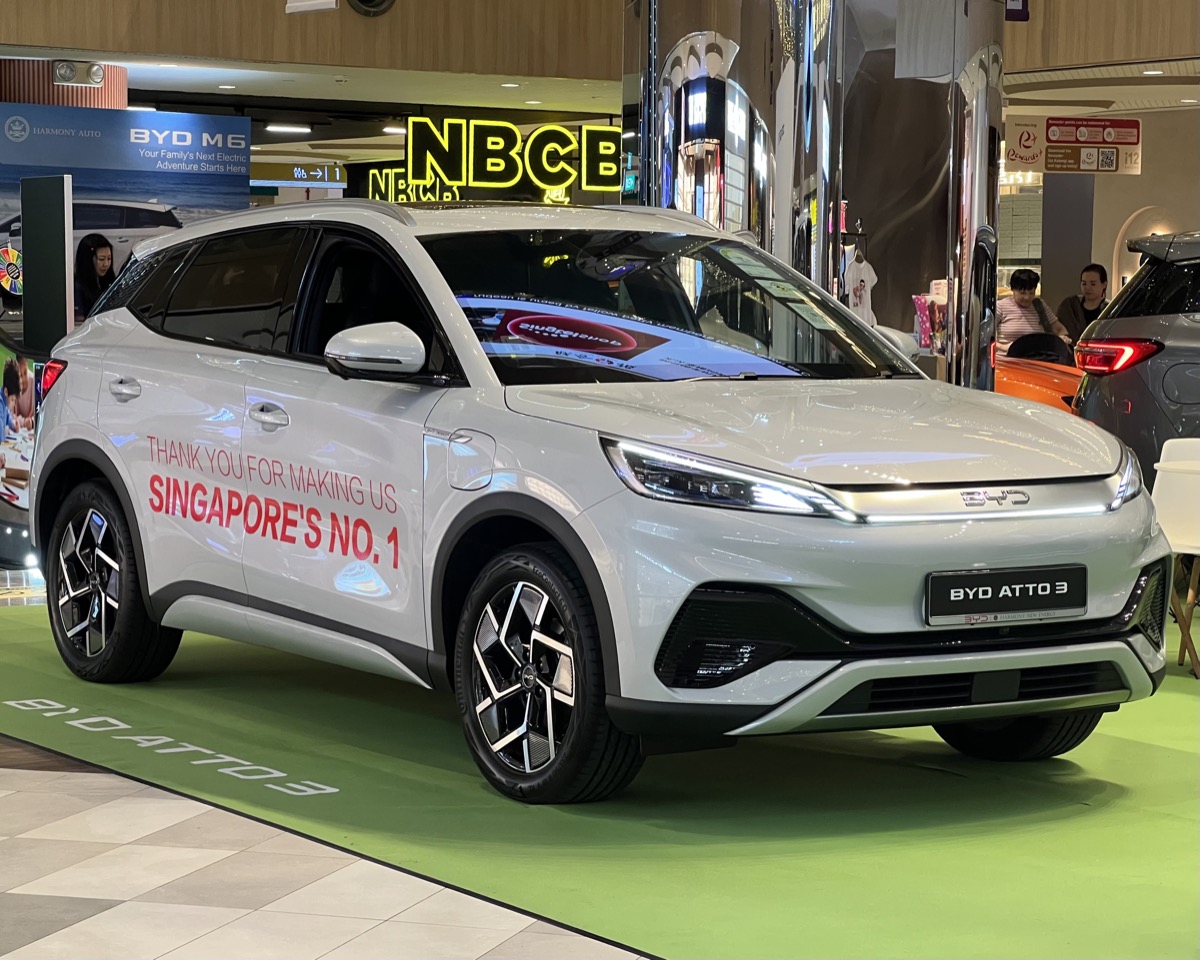
It is also critical to understand that your car has a maximum AC charging rate and a separate maximum DC charging rate — and the charger and car will always negotiate down to whichever is the lower of the two. A 7 kW onboard charger (OBC) plugged into a 22 kW AC station will only charge at 7 kW. Equally, a car with a 80 kW DC limit plugged into a 180 kW charger will only pull 80 kW. This is important because many Malaysians pay for a faster charger expecting faster speeds, only to be limited by their car’s own hardware.
ALSO READ: EV vs Petrol Running Cost Malaysia — Full Breakdown
2. AC vs DC Charging: What Is the Difference?
AC Charging: The Everyday Charger
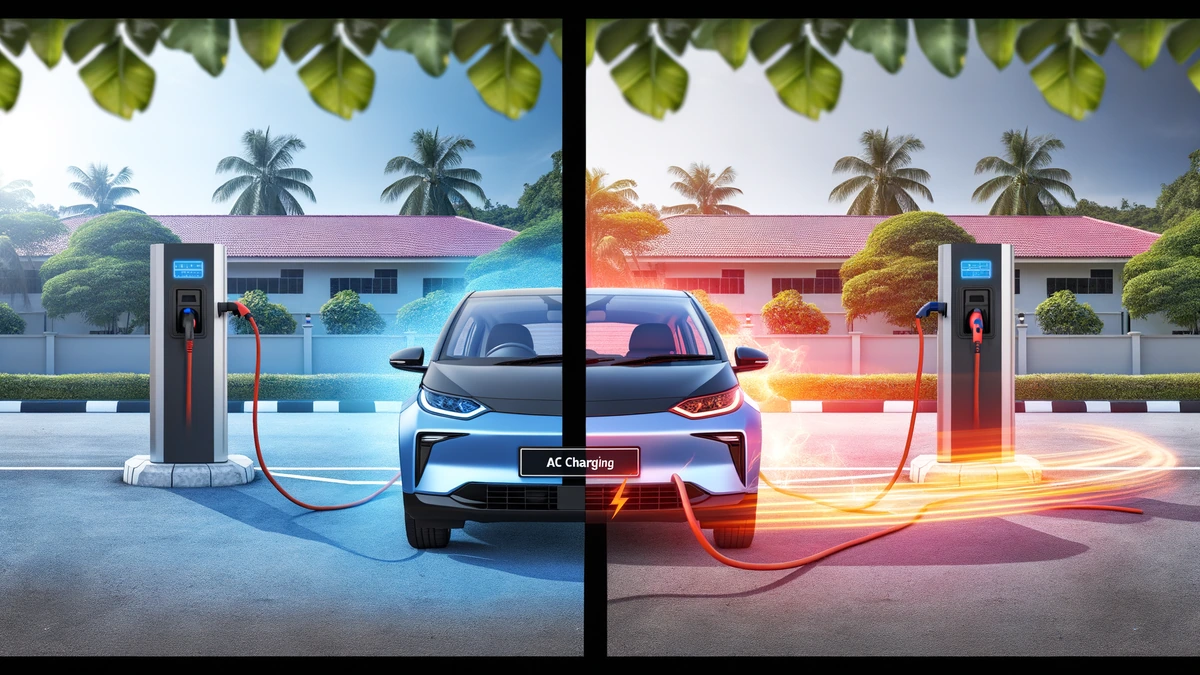
Alternating Current (AC) charging is what you use at home, the office, a shopping mall, or most public Level 2 stations. The electricity from the grid is AC by nature, and your EV’s onboard charger (OBC) converts it to the DC electricity the battery actually stores. This conversion happens inside the car, which is why AC charging is limited by the OBC’s power rating.
In Malaysia, most home chargers and building-installed units operate at 7 kW (single-phase) or 11–22 kW (three-phase). A standard 7 kW home wallbox will add roughly 35–40 km of range per hour for most mid-range EVs — plenty for overnight top-ups. The Type 2 connector is the Malaysian standard for AC charging.
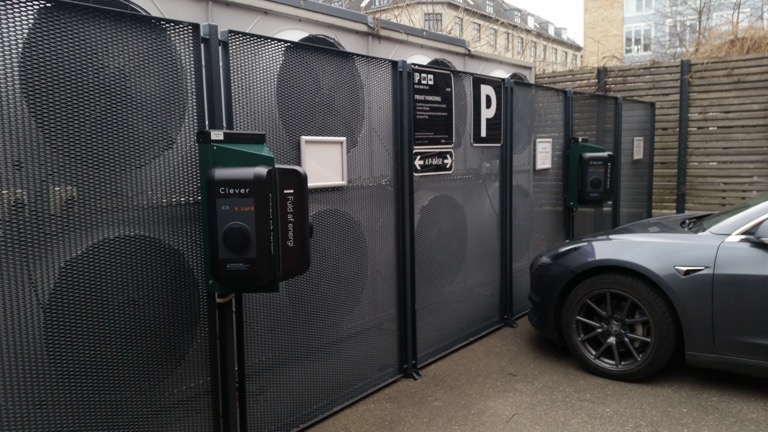
The big advantages of AC charging are cost and convenience. Electricity rates for home charging are as low as RM0.57 per kWh on TNB’s domestic tariff, and installation of a wallbox in a landed home is straightforward. For drivers who clock under 200 km per day, overnight AC charging at home covers virtually all daily needs without ever needing a public fast charger.
DC Fast Charging: The Road Trip Solution
Direct Current (DC) fast charging bypasses your car’s onboard charger entirely. The charging station itself converts AC from the grid to DC and pushes it directly into the battery at high power. This is why DC chargers are physically much larger and more expensive — the conversion hardware lives in the station, not the car.
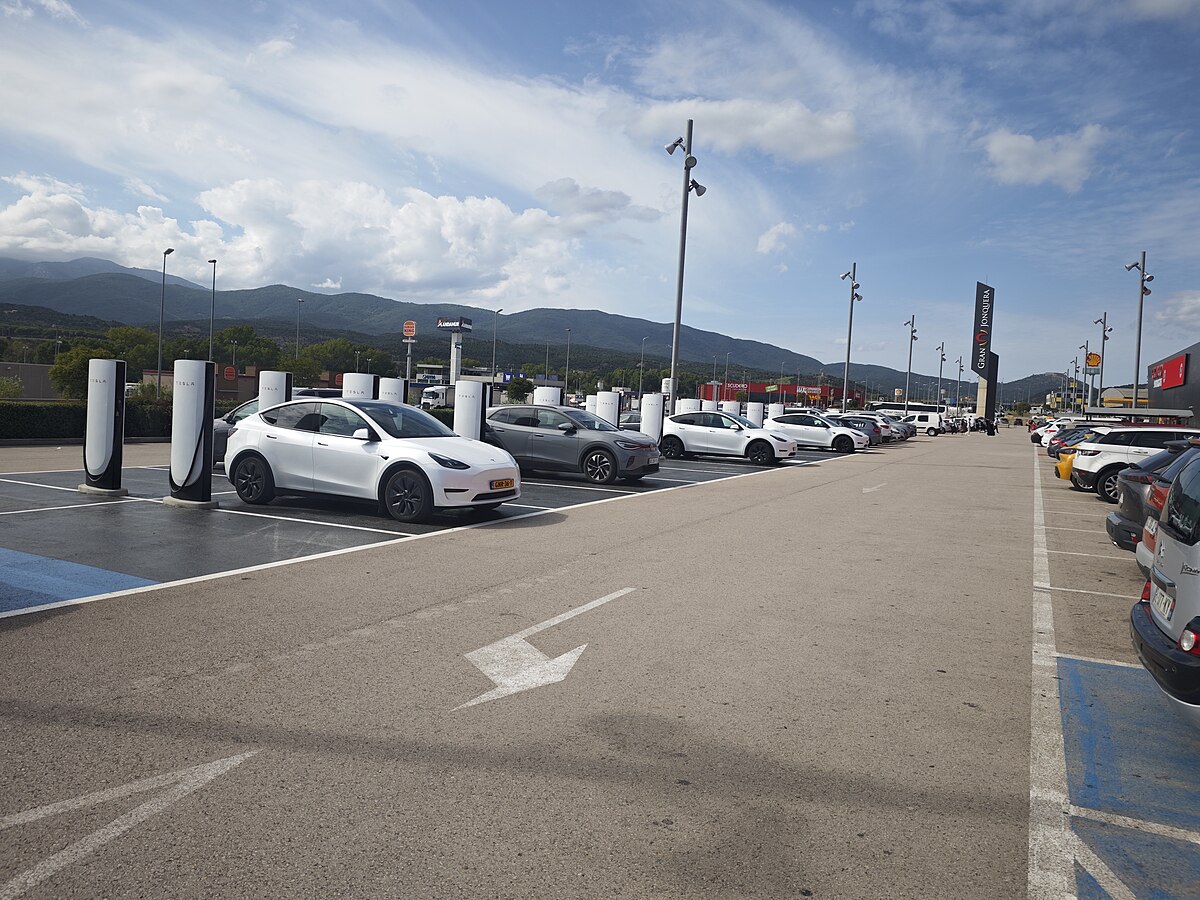
In Malaysia, DC fast chargers typically deliver 50 kW to 200 kW, with the newest installations (like Gentari’s highway hubs and Tesla’s V4 Superchargers) hitting 200–250 kW. The CCS2 connector is the Malaysian standard for DC fast charging, and most EVs sold here since 2022 are equipped for it.
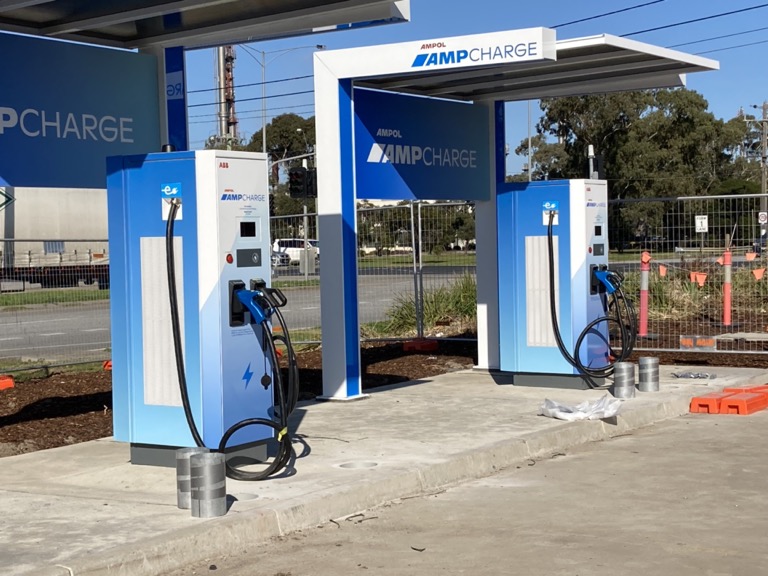
The trade-off with DC fast charging is cost. Public DC fast chargers typically cost between RM1.20 and RM1.80+ per kWh — roughly double or triple the home charging rate. For highway stops where you charge from 15% to 80% in 30–45 minutes, this is excellent value for the time saved. But using DC fast charging for all your daily driving would significantly increase your per-km electricity cost.
ALSO READ: Best Home EV Charger Malaysia 2026 — Top Picks Reviewed
AC vs DC: Side-by-Side Comparison
| Feature | AC Charging | DC Fast Charging |
|---|---|---|
| Power Range | 2.4 – 22 kW | 50 – 350 kW |
| AC/DC Conversion | Inside the car (OBC) | Inside the charger |
| Typical Use | Home, office, malls | Highway stops, EV hubs |
| Time to 80% (60 kWh) | 4–25 hours | 20–45 minutes |
| Connector (Malaysia) | Type 2 | CCS2 |
| Cost per kWh | RM0.57 – RM1.00 | RM1.20 – RM1.80+ |
3. Understanding the Charging Curve
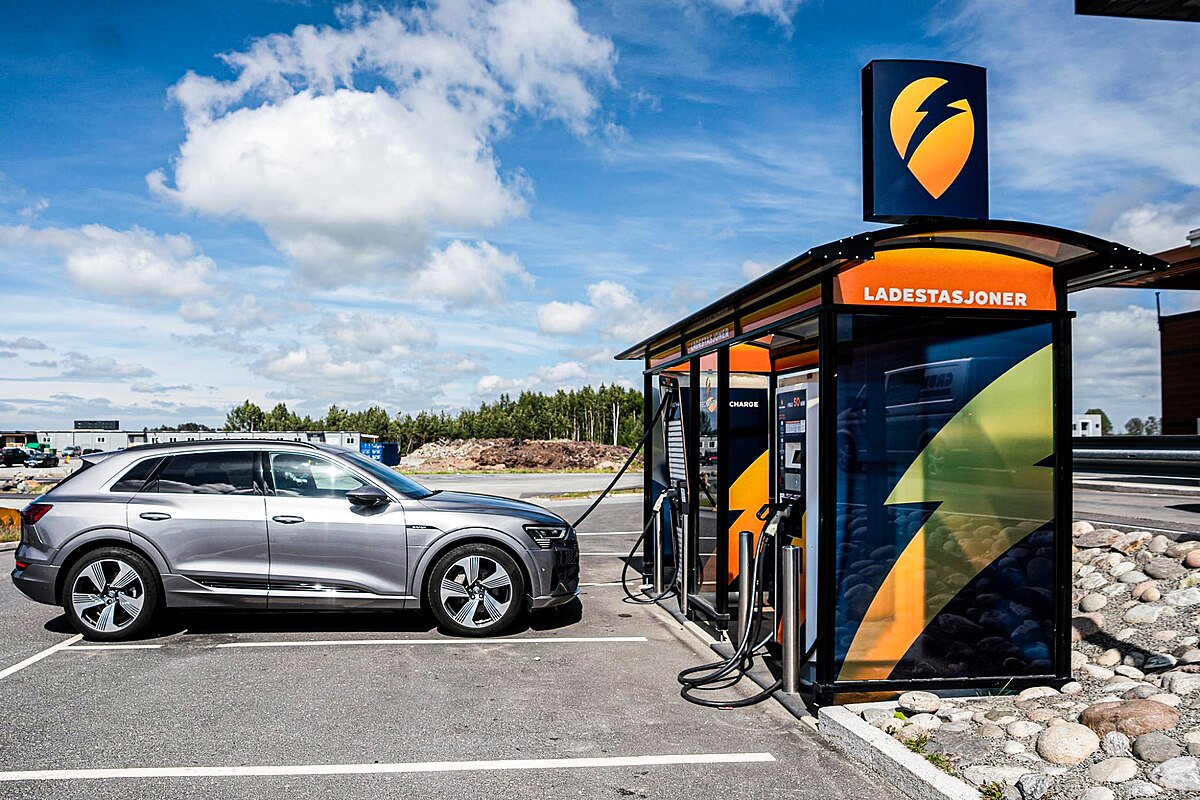
Here is something that surprises most new EV owners: your car does not charge at full speed the entire time. EV batteries use a technology called lithium-ion chemistry, and to protect battery health and safety, charging speed follows a curve — fast at first, then tapering as the battery fills up.
In the first phase (roughly 0–80% state of charge), the battery management system allows maximum power input. A car rated for 80 kW DC will typically maintain close to that rate through much of this phase. This is why DC fast charging times are usually quoted to 80% rather than 100% — it is the fastest, most efficient portion of the charge.
From 80–100%, the charging rate progressively drops — sometimes dramatically. A car that charges at 80 kW up to 80% might drop to 30–40 kW from 80–90%, and 10–15 kW from 90–100%. This final 20% can take as long as the first 80% combined. This is why most road-tripping EV drivers adopt the strategy of charging to 80% quickly and continuing their journey, rather than waiting for a full charge.
The charging curve behaviour also explains why battery thermal management matters. In hot Malaysian weather, a battery that is already warm from driving may throttle DC charging speed to protect cell integrity. Some EVs — particularly Tesla models and newer Chinese EVs — have active battery heating and cooling systems that pre-condition the battery before arrival at a fast charger, ensuring you arrive within the optimal temperature window for peak charging speed.
ALSO READ: Cheapest EV in Malaysia 2026 — Full Price List
4. EV Charging Speeds: Popular Models in Malaysia
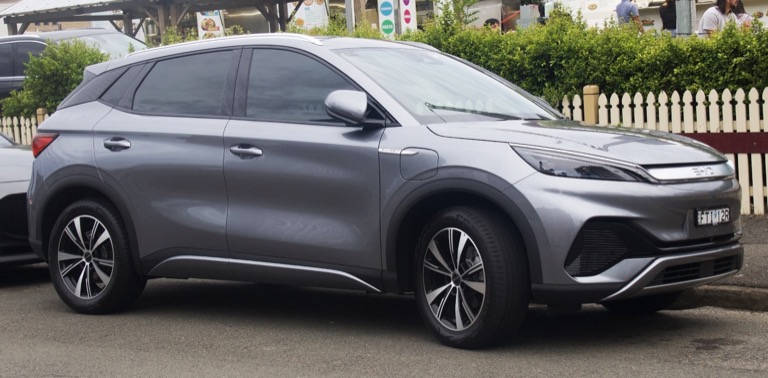
Different EVs available in Malaysia have very different charging capabilities. The table below covers the most popular models, their battery sizes, AC and DC charging limits, estimated 10–80% DC fast charge times, and current prices.
| Model | Battery | Max AC | Max DC | 10–80% DC | Price (OTR) |
|---|---|---|---|---|---|
| BYD Atto 3 Extended | 60.48 kWh | 7 kW | 80 kW | ~45 min | RM167,800 |
| BYD Dolphin Standard | 44.9 kWh | 7 kW | 60 kW | ~45 min | RM100,530 |
| Tesla Model Y LR AWD | 78.1 kWh | 11 kW | 250 kW | ~25 min | RM242,450 |
| Tesla Model 3 LR RWD | 82 kWh | 11 kW | 250 kW | ~25 min | RM185,000 |
| Chery Omoda E5 | 61 kWh | 6.6 kW | 80 kW | ~45 min | RM146,800 |
| Smart #1 Pro | 66 kWh | 22 kW | 150 kW | ~30 min | RM169,000 |
| Mercedes EQA 250 AMG | 70.5 kWh | 11 kW | 100 kW | ~35 min | RM296,888 |
| Volvo EX30 Plus | 51 kWh | 11 kW | 153 kW | ~26 min | RM188,888 |
Note: 10–80% DC charging times are estimates under ideal conditions (optimal battery temperature, full charger power available). Real-world times may vary by 10–20%.
A few observations from this table: Tesla’s advantage in DC charging speed is significant. The Tesla Model Y LR AWD and Tesla Model 3 LR RWD both support up to 250 kW DC — more than three times faster than the BYD Atto 3’s 80 kW. However, to take full advantage of Tesla’s speed, you need access to a Tesla V4 Supercharger. At a shared 50 kW DC public charger, the Tesla’s advantage is negated entirely.
The Smart #1 Pro stands out among mid-range EVs with its 22 kW AC charging capability — rare at this price point, and extremely useful in buildings equipped with three-phase 22 kW chargers. The Volvo EX30 Plus also punches above its weight with 153 kW DC despite its relatively compact 51 kWh battery.
ALSO READ: BYD Atto 3 vs Chery Omoda E5 Malaysia 2026 — Head-to-Head
5. Malaysia’s EV Charging Networks
Malaysia has seen rapid expansion of its public charging infrastructure since 2023, driven by government incentives, energy company investments, and surging EV adoption. Here is a breakdown of the main networks you will encounter.
ChargeSini
ChargeSini is one of Malaysia’s largest public charging networks, with thousands of AC and DC charging points across Klang Valley, Penang, Johor Bahru, and other urban centres. Operated by Gentari (a Petronas subsidiary), ChargeSini offers a mix of 7 kW AC, 22 kW AC, 50 kW DC, and 120 kW DC units. Pricing is per-kWh and the app supports seamless payment and charger booking. ChargeSini has also expanded onto major highways like the North-South Expressway, making it a key player for intercity travel.
JomCharge
JomCharge (operated by TNB’s subsidiary) focuses heavily on AC charging infrastructure in condominiums, office parks, and public car parks. Their network is particularly strong in the Klang Valley and is often the default choice for property developers integrating EV charging into new buildings. JomCharge DC units typically deliver 50–150 kW at highway locations. The platform uses RFID cards as well as app-based access, making it one of the most user-friendly networks for new EV owners.
ChargEV
ChargEV was one of Malaysia’s pioneering public charging networks and retains a wide footprint in shopping malls and commercial properties, particularly in Klang Valley and Penang. Operated by DMSB (a Tenaga subsidiary), ChargEV units are predominantly 22 kW AC at mall locations, with some 50 kW DC highway stations. The network is well-suited for top-up charging during shopping trips, where dwell time of 2–4 hours is the norm.
Gentari
Gentari, Petronas’s clean energy subsidiary, has been aggressively rolling out high-power DC charging hubs at Petronas petrol stations and dedicated highway rest stops. Gentari’s newest installations deliver up to 180–200 kW per gun, making them among the fastest non-Tesla options in Malaysia. Their highway corridor coverage — particularly along the North-South and East Coast Expressways — has been transformative for intercity EV travel in 2025–2026.
Tesla Supercharger
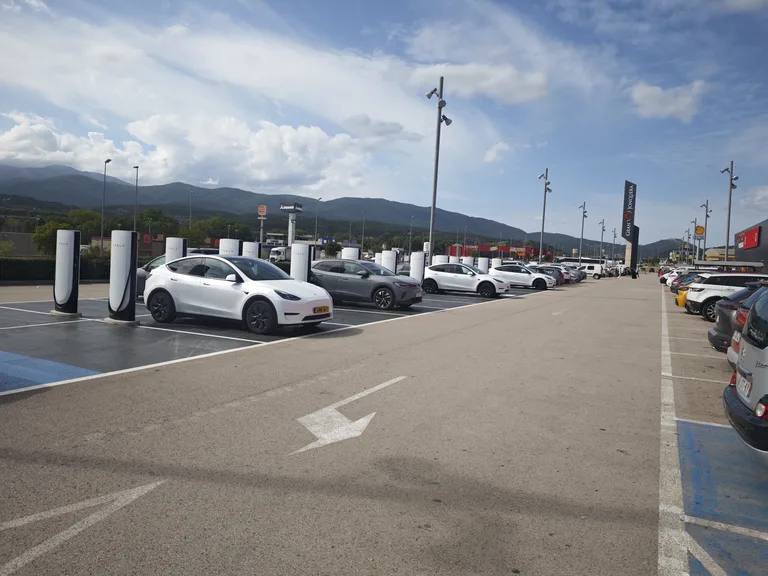
Tesla operates its own proprietary Supercharger network in Malaysia, and since opening access to other EVs via CCS2 adapters, it has become an option for non-Tesla owners as well. Tesla’s V3 Superchargers deliver up to 250 kW, and the latest V4 units in Malaysia offer up to 250 kW per stall with improved cable management. Tesla Supercharger locations are concentrated in urban areas and along the North-South corridor. Pricing is per-kWh for non-Tesla vehicles and is slightly higher than Tesla-owner rates.
Shell Recharge
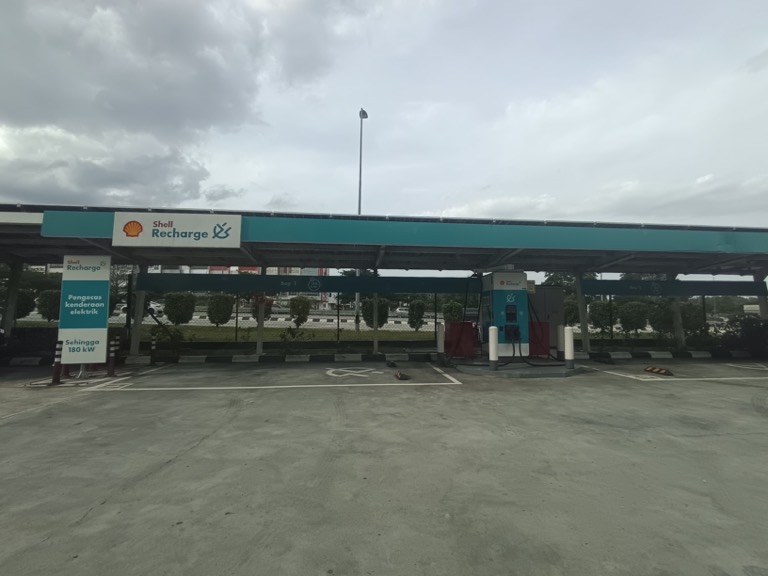
Shell Recharge stations are integrated into Shell petrol forecourts across Malaysia, offering a convenient option for drivers already stopping for refreshments. Shell Recharge units typically offer 50 kW DC and 22 kW AC, making them well-suited for 30–45 minute stops. The network is growing steadily, with new locations being activated quarterly through 2026.
ALSO READ: EV Charger Installation Malaysia — Condo & Landed Guide
6. How to Maximise Your EV Charging Speed
Knowing the theoretical maximum is one thing — actually achieving it requires a few habits and strategies. Here is how to get the most from every charging session.
Arrive with 10–20% Battery, Not Empty
Many DC fast chargers deliver their peak power between 10–30% state of charge. Arriving nearly empty means the charger starts at peak power immediately. Some EVs actually reduce peak DC power below 10% to protect battery cells, so there is little benefit in running completely flat — and it adds unnecessary stress on the battery.
Use Pre-Conditioning If Your Car Supports It
Pre-conditioning the battery (warming or cooling it to the optimal temperature before arriving at a fast charger) can make a significant difference to peak DC charging speed. Tesla, BMW, and several Chinese EVs support navigation-triggered pre-conditioning. Simply set the Supercharger or charging station as your destination and the car will do the rest.
Avoid Charging to 100% at DC Stations
As covered in the charging curve section, the last 20% takes disproportionately long and costs the same per kWh at public rates. For road trips, charge to 80% and go. Reserve 100% charges for the overnight AC session at home where time cost is irrelevant.
Choose the Right Charger for Your Car
Plugging a 7 kW OBC car into a 120 kW DC charger wastes the station’s capacity and your time compared to using a dedicated fast charger slot. Conversely, plugging a 250 kW-capable Tesla into a 50 kW DC unit bottlenecks your potential. Match the charger to your car’s capability wherever possible.
Charge During Off-Peak Hours
At busy DC fast charging hubs, multiple cars sharing the same power cabinet can reduce per-car charging speed. Early mornings (before 8am) and late evenings (after 10pm) tend to have lower utilisation at most public stations, meaning you are more likely to get full advertised power.
Keep Your Battery Between 20–80% Daily
Consistent charging in the 20–80% range is better for long-term battery health than regular deep cycles. Most EVs allow you to set a charge limit — use 80% for daily driving and override to 100% only when you need maximum range for a long trip.
7. Real-World Charging Scenarios
Scenario 1: Daily Commuter in KL (Home AC Charging)
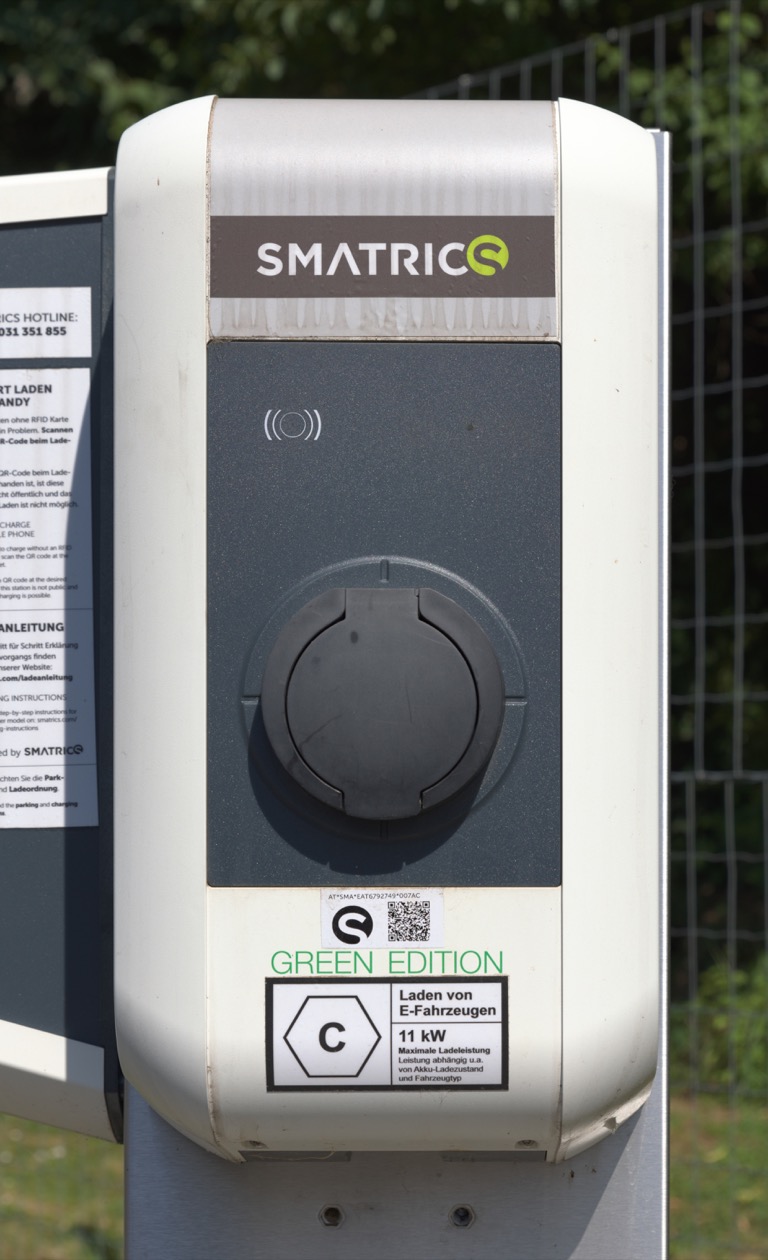
Ahmad drives a BYD Atto 3 Extended (60.48 kWh, 7 kW AC) and commutes 40 km daily in Kuala Lumpur. He charges at home overnight using a 7 kW KEBA wallbox installed in his covered parking. Each evening, he arrives at about 70% charge and plugs in. By morning, the car is back to his 80% daily limit — using roughly 7 kWh of electricity, costing approximately RM4.00 on TNB domestic tariff. He has not needed a public charger in three months.
Scenario 2: Weekend Road Trip KL to Penang
Priya drives a Tesla Model Y LR AWD (78.1 kWh, up to 250 kW DC) from Kuala Lumpur to Penang — approximately 360 km. She starts with a full charge and activates navigation to Penang. The Tesla’s trip planner suggests one Supercharger stop at Tapah R&R, arriving at approximately 20% charge. The V3 Supercharger adds 220 km of range in 20 minutes (charging from 20% to 70%). She arrives in Penang with 35% remaining, totalling about 4 hours door-to-door including the stop — comparable to the same trip with a petrol car accounting for typical R&R stop time.
Scenario 3: Condo Resident Without Home Charging
Lee Jin owns a Chery Omoda E5 (61 kWh, 80 kW DC, 6.6 kW AC) and lives in a Mont Kiara condominium without EV charging facilities. His strategy: charge twice a week at the JomCharge 50 kW DC fast charger in his office building basement. Each session from 15% to 80% takes about 50 minutes and costs approximately RM85 at RM1.40/kWh. His total monthly charging cost is around RM170–200 — still significantly less than the RM350–400 per month he used to spend on petrol. He uses the time for lunch or a catch-up call.
ALSO READ: EV Road Tax Malaysia 2026 — Rates & Exemptions Guide
8. The Future of EV Charging in Malaysia
Malaysia’s EV charging landscape is evolving rapidly, driven by the National Energy Transition Roadmap (NETR) and rising EV adoption rates. Here is what to expect in the next 2–3 years.
400 kW+ Ultra-Fast Charging Coming to Malaysia
The global rollout of 400 kW+ ultra-fast DC chargers is underway, and Malaysia is on the roadmap. ABB and several European charger manufacturers have announced 350–400 kW units for commercial deployment in 2026–2027. When matched with next-generation EVs capable of accepting these rates, the gap between EV charging and petrol refuelling shrinks to under 10 minutes for an 80% charge on a large-battery vehicle.
Vehicle-to-Grid (V2G) Technology
Several EVs entering the Malaysian market in 2026–2027 support Vehicle-to-Grid (V2G) or Vehicle-to-Home (V2H) technology — the ability to push electricity from your EV battery back to the grid or your home during peak demand. BYD’s blade battery platform already supports bidirectional charging on certain models sold in other markets, and Malaysian regulatory frameworks for V2G are being developed. This technology could turn EV batteries into distributed energy storage assets, earning owners money during peak grid periods.
Mandatory EV Charging in New Developments
From 2025, Kuala Lumpur City Hall (DBKL) requires new residential developments above a certain size to include EV charging-ready infrastructure. This mandate is expanding to other states and will dramatically increase the number of condominiums with accessible AC charging points — addressing one of the biggest pain points for Malaysian EV owners without landed homes.
National Charging Network Standardisation
The Malaysian government is pushing for greater interoperability between charging networks — the ability to use a single RFID card or app across multiple operators (ChargeSini, JomCharge, ChargEV, Gentari, Shell Recharge). The OCPP and OCPI standards adoption by major Malaysian operators in 2025–2026 will gradually make roaming a reality, ending the era of needing five separate apps for a single road trip.
9. Frequently Asked Questions
How long does it take to charge an EV in Malaysia?
It depends on the charger type and your car. On a 7 kW AC home charger, a 60 kWh battery takes 8–9 hours for a full charge — ideal overnight. On a 50 kW DC fast charger, the same battery reaches 80% in about 50–55 minutes. With a 100–150 kW DC fast charger, 80% takes 25–35 minutes for most popular Malaysian EVs.
Can I charge my EV at a normal 13A wall socket?
Yes, most EVs come with a Mode 2 portable charger (Granny charger) that plugs into a standard 13A socket, delivering approximately 2.3–3 kW. At this rate, a 60 kWh battery takes 20–25 hours for a full charge. It is fine for emergencies or occasional use but is not recommended as a primary charging method — a dedicated wallbox on a proper 32A circuit is far safer and faster.
What is the difference between kW and kWh?
kW (kilowatt) is the rate of power — how fast energy flows. kWh (kilowatt-hour) is the quantity of energy stored or consumed. Think of kW as litres per minute (flow rate) and kWh as the total litres in the tank. A charger’s kW rating tells you how fast it charges; your battery’s kWh rating tells you how much total energy it holds.
Does fast charging damage EV batteries?
Occasional DC fast charging does not meaningfully damage modern EV batteries. Manufacturers design batteries to handle their rated DC charging speeds safely. However, charging to 100% and back to 0% repeatedly does cause more wear than staying in the 20–80% range. Daily ultra-fast charging (150 kW+) every single day over years may cause slightly faster degradation compared to AC charging, but for typical use patterns it is negligible.
What connector do I need in Malaysia?
For AC charging, virtually all EVs in Malaysia use the Type 2 (Mennekes) connector — it is the national standard for AC Level 2 charging. For DC fast charging, the Malaysian standard is CCS2 (Combined Charging System 2), which combines the Type 2 AC inlet with two additional DC pins. Tesla vehicles use their own proprietary connector in Malaysia but include a CCS2 adapter for use at non-Tesla DC stations.
How much does it cost to charge an EV in Malaysia?
Home AC charging (TNB domestic tariff) costs approximately RM0.57–RM0.79 per kWh, making a full 60 kWh charge cost around RM34–47. Public AC charging at malls and offices typically runs RM0.80–RM1.00 per kWh. Public DC fast charging costs RM1.20–RM1.80+ per kWh, so a 10–80% fast charge on a 60 kWh battery costs roughly RM50–76 depending on the network and charger speed.
Can I charge a Tesla at non-Tesla stations in Malaysia?
Yes. Since 2023, Tesla has provided CCS2 adapters to Malaysian owners, allowing Tesla vehicles to charge at any CCS2-compatible DC fast charger. Equally, the Tesla Supercharger network in Malaysia has been opened to non-Tesla EVs equipped with CCS2 connectors. Non-Tesla owners can access Superchargers via the Tesla app and are charged at a slightly higher per-kWh rate than Tesla owners.
What EV has the fastest charging speed in Malaysia?
Among EVs currently on sale in Malaysia, the Tesla Model Y LR AWD and Tesla Model 3 LR RWD have the highest DC charging capability at 250 kW, enabling a 10–80% charge in approximately 25 minutes at a V3/V4 Supercharger. Among non-Tesla options, the Volvo EX30 Plus (153 kW DC) and Smart #1 Pro (150 kW DC) lead the pack. Upcoming models from BYD, Xpeng, and Li Auto are expected to push these limits further in 2026–2027.
Conclusion
EV charging speed is not a one-size-fits-all number — it is the result of your car’s capabilities, the charger’s power rating, battery temperature, and your own charging habits. The good news for Malaysian EV owners is that the infrastructure is improving rapidly, costs are competitive with petrol even at public DC rates, and the charging experience is becoming more seamless every year.
For most daily drivers, overnight home AC charging is all you will ever need. For road trips, the growing network of high-power DC fast chargers along Malaysia’s major highways makes long-distance EV travel not just feasible but genuinely convenient. The key is matching the right charging strategy to your lifestyle — and understanding the numbers behind it so you can plan with confidence.
If you are still on the fence about which EV to buy, check out our cheapest EV Malaysia 2026 guide or our complete home charging guide for everything you need to make an informed decision.